Matsushima Bay Guide: What to Do, Best Cruise Views, and How to Experience It Properly
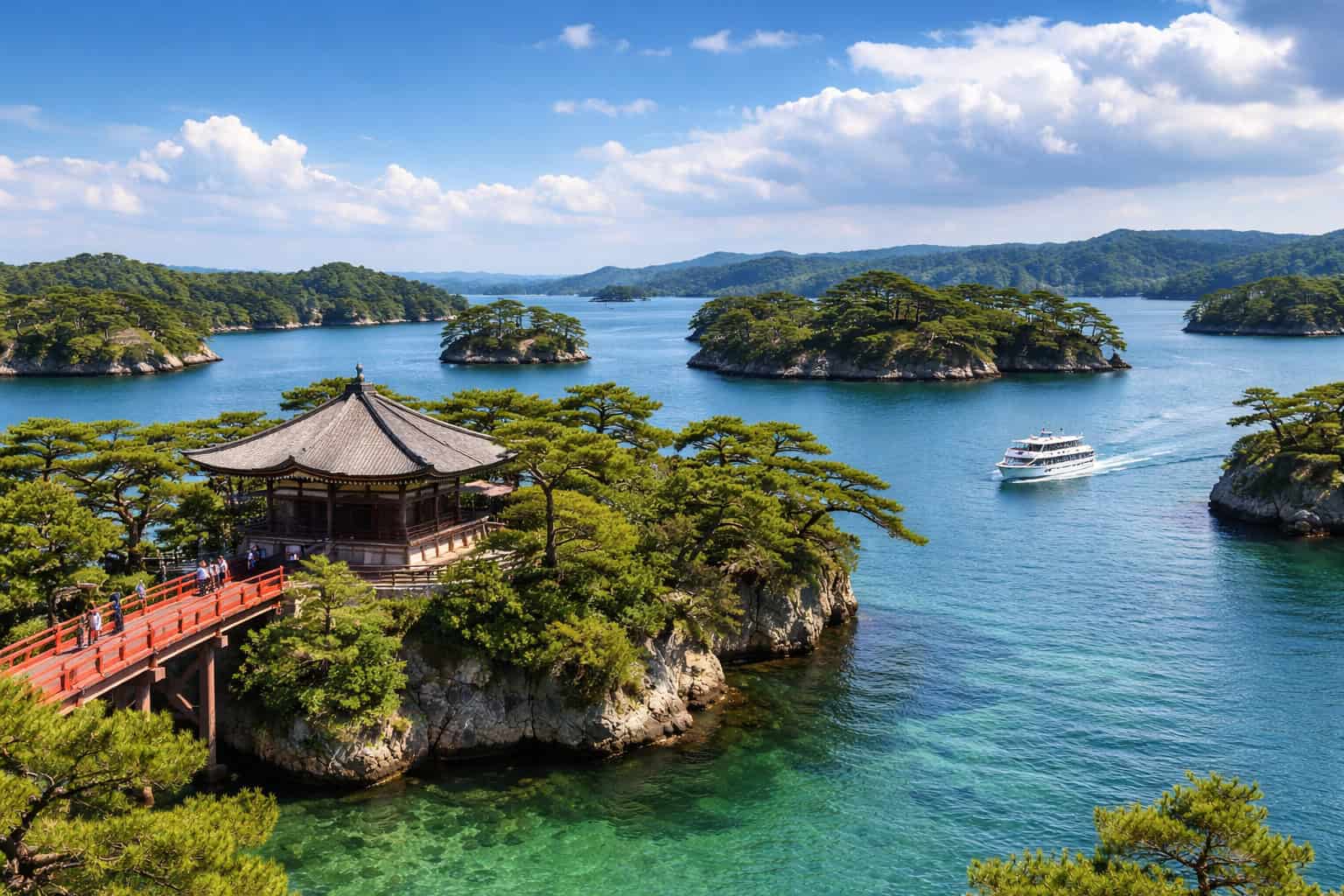
Matsushima Bay is one of Japan’s most celebrated coastal landscapes, famous for its pine-covered islands, calm blue water, historic temples, and the rare feeling that a place can still look poetic in real life. If you want a Japan destination that feels scenic, spiritual, and easy to enjoy without rushing, Matsushima deserves real space on your itinerary.
Search Intent
This guide is for travelers who want to know whether Matsushima Bay is actually worth the trip from Sendai or Tokyo, what to do beyond just taking photos, how to fit in the boat cruise and temple area, and how to visit without turning a peaceful destination into a rushed checklist stop.
Quick Summary
- Matsushima is widely known as one of the Three Views of Japan.
- The bay is famous for roughly 260 pine-covered islands and year-round sightseeing cruises.
- The easiest access is from Sendai via the JR Senseki Line to Matsushima-Kaigan Station.
- A half day works, but a full day feels much more rewarding.
- Come for the scenery, but stay for Zuiganji, Godaido, oysters, and the slower rhythm of the coast.
Why Matsushima Bay Still Feels Special
Matsushima Bay has been admired for centuries, and honestly, that kind of reputation can sometimes make a place feel overhyped before you arrive. I had that worry too. Scenic spots that sound poetic on paper do not always survive real crowds, train stations, and souvenir streets. Matsushima is one of the rare exceptions.
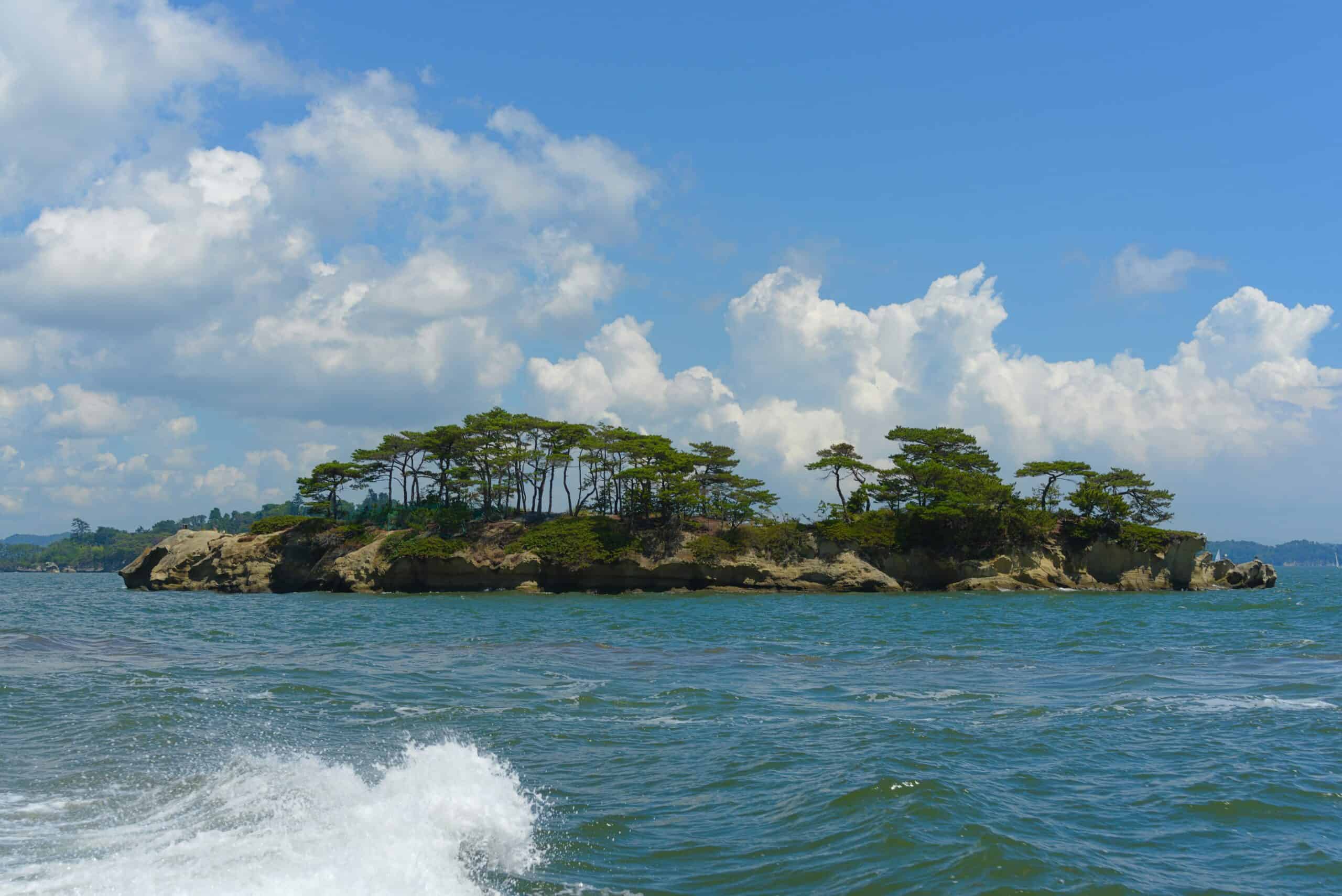
The reason is simple: the landscape has real depth. This is not just one famous viewpoint or one “Instagram angle.” It is an entire bay scattered with pine-clad islands, shifting light, gentle boat routes, temple paths, and quiet places where you can just stop and look. Even when there are visitors around, the scenery has enough space to breathe.
What makes it memorable is the balance. Matsushima is scenic without feeling empty, cultural without feeling heavy, and accessible without losing its sense of calm. That combination is harder to find than people think, especially on popular Japan itineraries.
What It Feels Like in Real Life
Arriving in Matsushima Bay feels softer than arriving in most sightseeing destinations. The air smells faintly of salt and pine. The water moves quietly instead of dramatically. Boats glide through the islands rather than charging past them. The whole place invites you to lower your voice and slow your pace.
The first thing I noticed was not a single “main attraction,” but the layered composition of the bay itself. Little islands rise out of the water in every direction, many topped with windswept pines. Depending on the weather, the scene can look bright and crisp or gently hazy. In the morning, it can feel almost painterly.
That is also why Matsushima works so well for travelers who are tired of hyper-dense sightseeing. You do not have to force excitement out of it. It gives you something calmer: atmosphere, rhythm, and the kind of beauty that slowly settles in instead of hitting all at once.
Insider Tip
If you only rush in for the cruise and leave, Matsushima can feel like a pretty stop. If you add a temple visit, a coastal walk, and a slow seafood lunch, it starts to feel like a real destination.
Why It Is So Famous in Japan
Matsushima is promoted as one of the Three Views of Japan, a classic scenic trio that places it alongside some of the country’s most iconic landscapes. Official tourism sources describe the area as a bay of around 260 islands and emphasize the different ways to appreciate it, from cruises to land viewpoints such as the Four Great Views and Saigyo Modoshi no Matsu Park.
The landscape has long been tied to literary and artistic admiration, and that cultural memory still matters. You are not just looking at a nice bay. You are standing in a place that generations of Japanese travelers have already agreed is worth reverence.
That said, its fame does not depend on nostalgia alone. Even if you arrived knowing none of the history, the geography itself explains the reputation. Few coastal views look this intricate without becoming visually chaotic.
Worth Knowing Before You Go
Matsushima is easy to underestimate. The station area is convenient and compact, so some people treat it like a short photo stop. That is the mistake. The bay rewards unhurried visiting much more than rapid sightseeing.
Key Visitor Information
| Location | Matsushima, Miyagi Prefecture, Japan |
|---|---|
| Main Access | JR Senseki Line from Sendai to Matsushima-Kaigan Station |
| Travel Time from Sendai | About 40 minutes on the regular Senseki Line |
| Fast Alternative | Senseki-Tohoku Line can reach nearby Takagimachi faster, then continue locally or walk |
| Best Visit Length | Half day minimum, full day recommended |
| Best Seasons | Spring blossoms, summer greenery, autumn foliage, winter calm |
| Known For | Scenic islands, cruises, Zuiganji Temple, Godaido, oysters |
The Highlights That Actually Matter
1. The Bay Itself
This sounds obvious, but Matsushima’s greatest attraction is not a single building. It is the full composition of the water and islands. Official tourism materials repeatedly frame the experience around different viewing methods, which tells you something important: there is no one correct way to see it. Boat, bridge, shoreline, and hilltop all reveal different moods.
2. Sightseeing Cruises
Matsushima cruises are not a side activity. They are one of the main reasons people come. Official JNTO information notes that there are year-round options, including loop cruises and routes linked toward Shiogama. If the weather is decent, this is the easiest way to understand why the bay is so beloved.
3. Zuiganji Temple
Zuiganji adds weight and history to the scenery. The temple is one of the area’s most important cultural sites, and its official materials present it as a long-established Zen temple with preserved cultural properties. It gives Matsushima more than visual charm; it gives it spiritual and historical gravity.
4. Godaido
Godaido is compact, photogenic, and deeply tied to the identity of Matsushima. It may not take long to visit, but it gives one of the most instantly recognizable images in the area, especially with its bridge approach and water views.
5. Fukuura Island and Walking Time
Fukuura Island is especially good if you want to stretch the visit beyond temples and the pier zone. It adds a more natural, lightly active layer to the day and gives another perspective on the bay.
A Human-Scale Cultural Experience
One reason Matsushima works so well is that it never feels overbuilt around tourism. Yes, there are shops and restaurants. Yes, it is famous. But compared with major Japanese city attractions, the emotional scale is smaller and more personal. You can move from a waterfront view to a temple path to a simple tea break without feeling pushed by the place.
That also makes it a surprisingly good choice for travelers who are not usually “temple people.” Zuiganji and the surrounding cultural area feel integrated into the landscape, not disconnected from it. The scenery softens the formality, and the history gives the scenery more meaning.
I also think Matsushima is especially satisfying for people who like destinations that reveal themselves gradually. It is not loud. It is not designed to impress you in the first 90 seconds. But after an hour or two, it starts to feel layered in a way that many more famous day-trip spots never do.
How to Visit Without Wasting the Day
- Start from Sendai early enough that the bay still feels quiet when you arrive.
- Walk the waterfront first so you understand the overall shape of the place.
- Take the cruise before your energy dips or weather shifts.
- Add Zuiganji and Godaido instead of choosing only one.
- Leave time for lunch rather than treating food as an afterthought.
- Finish with a final viewpoint or a slower walk instead of running straight back to the station.
My honest recommendation is to avoid sandwiching Matsushima between two other big sightseeing commitments. It looks gentle on a map, but it loses something if you arrive already tired and leave the moment your checklist says you are done.
Practical Tip
If the weather is lightly overcast, do not panic. Matsushima can look even better in softer light than under harsh midday sun. Mist and diffused light often make the islands feel more atmospheric.
Season by Season: When Matsushima Feels Best
Spring is the classic answer for obvious reasons. Cherry blossoms bring softness and contrast to the coastal scenery, and nearby viewpoints become especially photogenic.
Summer gives the bay fuller green color and a brighter, more active mood. It is a good time for walking, cruising, and seafood, though midday heat can flatten the gentleness if you visit too late in the day.
Autumn may be the most balanced season. The surrounding hills and temple areas gain richer color, the air is more comfortable, and the whole destination feels visually deeper.
Winter is quieter and, for some travelers, even more beautiful. Snow-dusted pines and clean cold air make Matsushima feel stripped back in the best way. It is not for everyone, but it can be memorable if you want a calmer Japan trip.
Nearby Attractions and What to Pair With It
Inside Matsushima itself, the obvious pairings are Godaido, Zuiganji, Fukuura Island, and a cruise. These are the anchors of a satisfying day.
Food matters too. Matsushima is well known for oysters, and trying local seafood here feels like part of the destination rather than a generic travel add-on. Even a simple lunch by the water helps the visit feel complete.
If you are planning a broader Japan itinerary, Matsushima also pairs well emotionally with places that deliver atmosphere rather than pure speed. It works beautifully as a contrast to Tokyo or Osaka because it slows the whole trip down.
Matsushima Bay vs More Famous Japan Stops
| Category | Matsushima Bay | Fast-Paced City Attraction |
|---|---|---|
| Mood | Calm, reflective, scenic | Busy, energetic, crowded |
| Main Reward | Landscape plus cultural depth | Immediate stimulation and volume |
| Best For | Travelers who enjoy atmosphere | Travelers chasing nonstop activity |
| Ideal Pace | Half day to full day | Short bursts or packed scheduling |
My take is simple: Matsushima wins if you value mood, balance, and memory. It is less exciting in the loud sense, but more rewarding in the lasting sense.
Who Should Visit Matsushima Bay
- Travelers who want a scenic Japan day trip with real cultural substance
- People who enjoy coastlines, islands, temple walks, and slower pacing
- Photographers who care more about layered composition than dramatic scale
- Visitors based in Sendai looking for an easy but meaningful excursion
- Anyone needing a quiet reset after Tokyo, Kyoto, or Osaka intensity
- Couples and solo travelers who prefer atmosphere over amusement-style sightseeing
FAQ
Is Matsushima Bay really worth visiting?
Yes, especially if you like scenic places with atmosphere. It is one of Japan’s classic landscape destinations, and it feels more layered than a simple viewpoint stop.
How do I get to Matsushima from Sendai?
The standard route is the JR Senseki Line to Matsushima-Kaigan Station. Official access guidance also notes a faster Senseki-Tohoku option to nearby Takagimachi in some cases.
How long should I spend there?
Half a day is workable, but a full day is much better if you want the cruise, temple area, walking time, and a proper meal without stress.
Do the sightseeing cruises run all year?
Official tourism sources describe the main sightseeing cruises as year-round, which is one reason Matsushima works in more than one season.
What are the must-see spots besides the bay itself?
Zuiganji Temple, Godaido, Fukuura Island, and at least one boat cruise are the essentials for most visitors.
Is Matsushima a good day trip from Tokyo?
Yes, it is possible via the Tohoku Shinkansen to Sendai and then a local connection, but it feels much more relaxed if you are already staying in Sendai or the wider Tohoku area.
Related Trip-Nexus Guides
Official Resources
Google Map
Final Verdict
Matsushima Bay is one of those places that rewards a gentler kind of travel. It is not about adrenaline, huge crowds, or ticking off one famous monument and leaving. It is about scenery that changes as you move, culture that still feels anchored to place, and the rare pleasure of not needing to hurry.
The only real downside is that some travelers will find it too subtle if they are expecting dramatic spectacle every minute. But for anyone who values beauty, atmosphere, and a more reflective side of Japan, that subtlety is exactly the point.
If you give Matsushima Bay a little time instead of treating it like a quick stop, it can become one of the most quietly memorable places in your Japan trip.