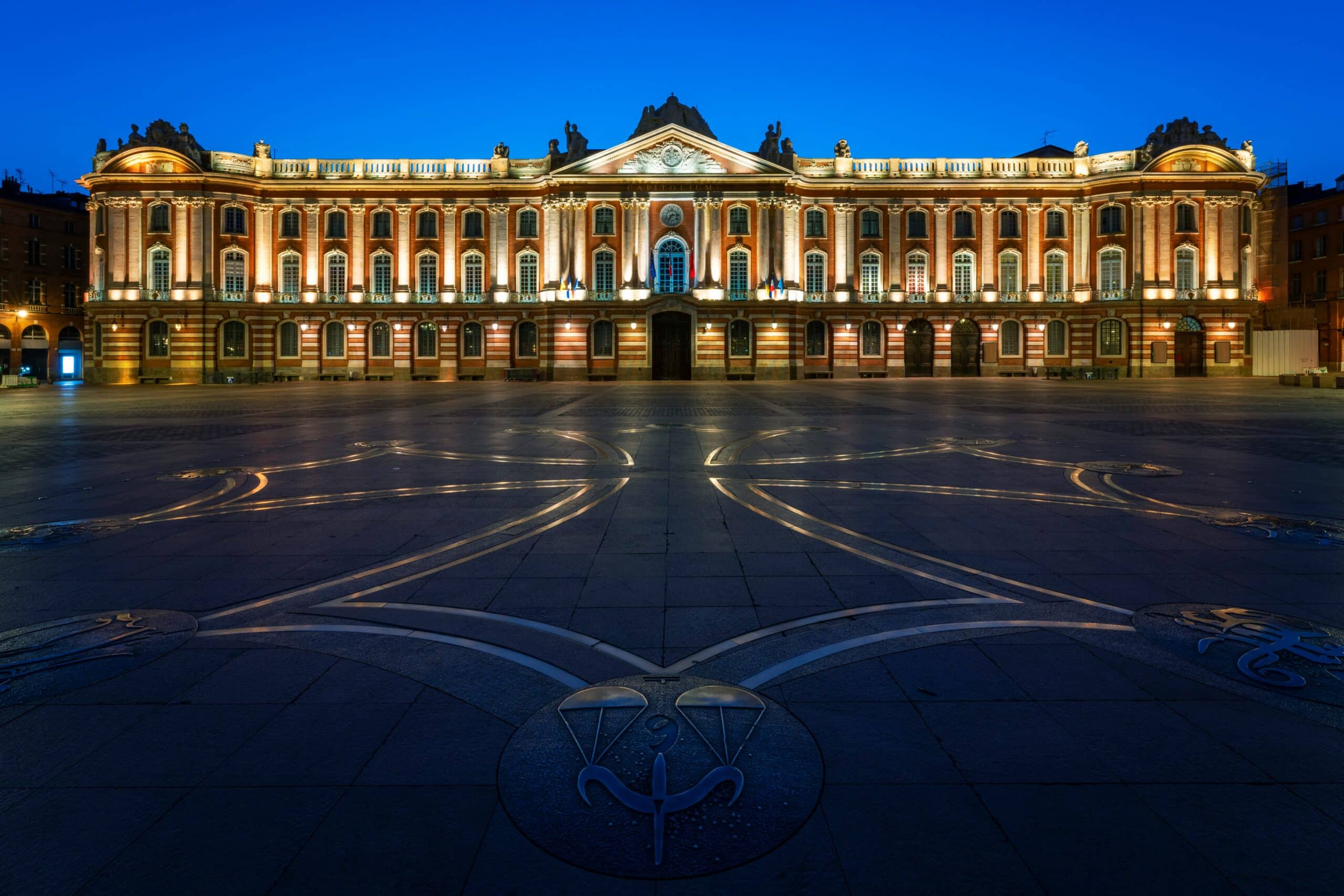
Palais Garnier Paris Guide: What to See, Tickets, Photo Spots, and How to Visit It Right
Palais Garnier is one of the most theatrical landmarks in Paris, but calling it simply an opera house never feels quite enough. This is a place where architecture behaves like performance, where staircases become stages, mirrors multiply light like choreography, and every corridor reminds you that Paris has always known how to turn culture into spectacle.
Search Intent
This guide is for travelers who want to know whether Palais Garnier is worth visiting without a performance, what to prioritize inside, how current self-guided visits work, where to take the best photos, and which nearby Paris attractions pair naturally in the same half-day route.
Quick Summary
- Palais Garnier is worth visiting even without a show because the building itself is the experience.
- The Grand Staircase, Grand Foyer, and auditorium atmosphere are the top priorities inside.
- Self-guided visits currently run with entry from 10:00 to 16:00, with the building closing at 17:00.
- Online booking is strongly recommended, and some spaces may be closed depending on theatre activity.
- Give yourself 90 to 120 minutes if you want the visit to feel cinematic rather than rushed.
Why Palais Garnier Feels Different from Other Paris Icons
In Paris, beauty is rarely accidental. It is designed, layered, staged, and then preserved with almost devotional seriousness. Yet even in a city full of famous façades, Palais Garnier feels unusually immersive. You do not just admire it from outside. You cross into it. You move through it. You become part of its choreography.
That is what makes it more memorable than many travelers expect. Some landmarks impress because they are large, old, or important. Palais Garnier impresses because it is emotionally engineered. Charles Garnier designed it to overwhelm and seduce at the same time. The opera house was not meant to be neutral architecture. It was built to make arrival feel ceremonial.
I think that is why first-time visitors often remember the building more vividly than they expected. Even if you are not deeply into opera or ballet, the experience lands because it speaks in a language anyone can understand: marble, gold, scale, suspense, and beauty turned all the way up.
First Impressions: The Building Starts Working on You Immediately
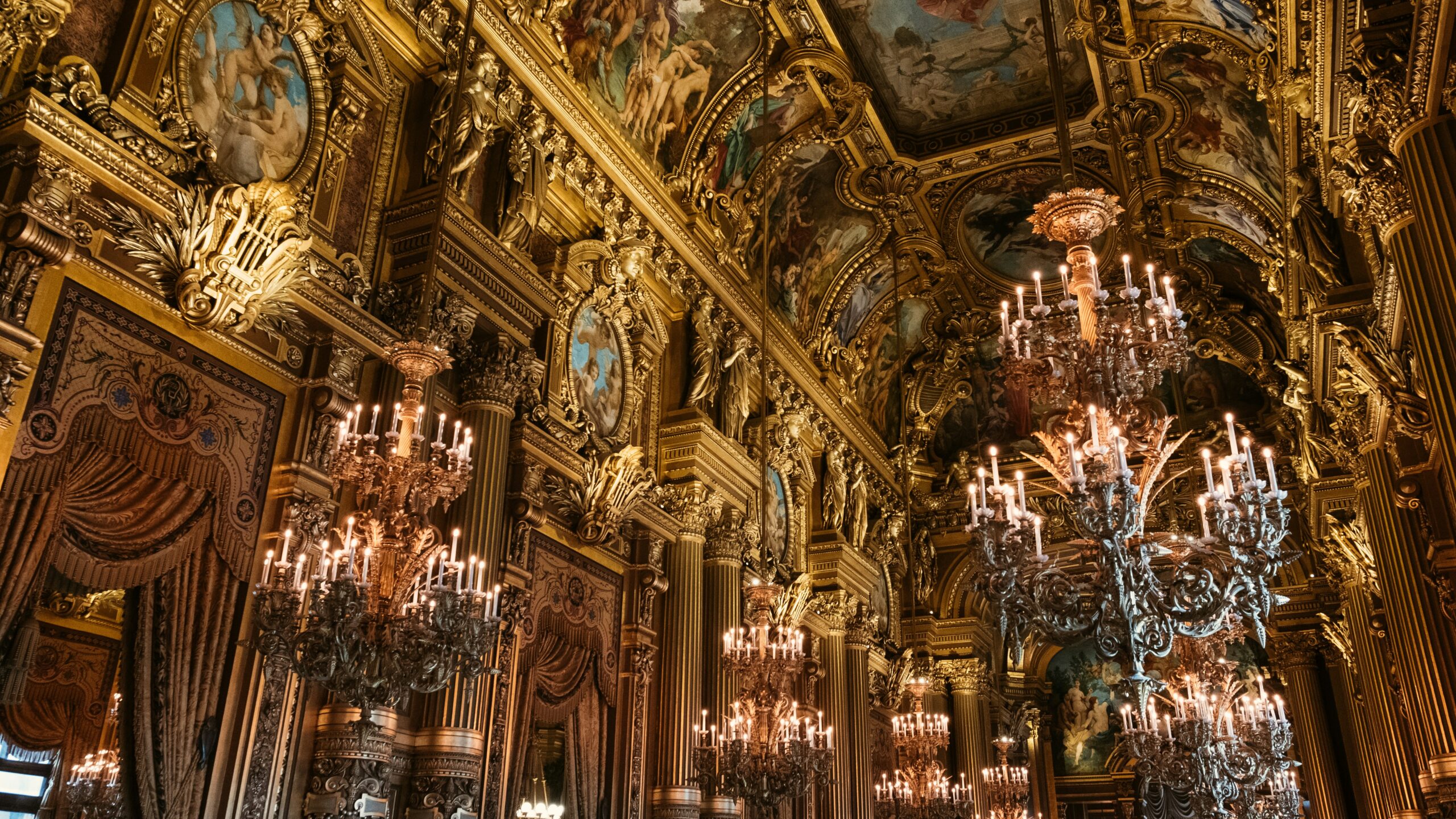
Crossing the threshold of the Opéra Garnier is like entering a living museum that still breathes. The mood is not quiet in the way many museums are quiet. It feels charged, almost expectant, as if applause could still be trapped in the walls. The building does not simply display history. It performs it.
Your eyes are usually pulled first to the Grand Staircase, and that reaction is not accidental. It was designed to stage the people using it, turning movement into social theatre. I love that this intention is still completely visible today. Even now, visitors slow down, look up, take photographs, and unconsciously become part of the scene.
As you move deeper inside, the experience keeps shifting between intimacy and grandeur. A corridor suddenly feels like a gallery. A doorway opens into a glittering salon. Mirrors catch the light. Gold throws it back. And the decorative excess somehow never tips into chaos because everything is part of one coherent dramatic vision.
Insider Tip
Do not treat Palais Garnier like a checklist stop between shops. This is one of those Paris places that only fully works if you move slowly and keep looking up.
What to See Inside: The Highlights That Actually Matter
The Grand Staircase
This is the emotional center of the visit for many people. Take your time here. Look upward at the volume of the space, sideways at the marble and sculptural rhythm, and then back down to understand how visitors themselves become part of the composition. It is not just beautiful. It explains the entire logic of the building.
The Grand Foyer
If the staircase is the entrance drama, the Grand Foyer is the glittering payoff. It is one of the spaces most likely to make people pause in genuine disbelief. Yes, it can remind visitors of Versailles, but here the energy is more theatrical than royal. It feels built for anticipation, conversation, and display.
The Auditorium and Chagall Ceiling
The auditorium gives you the fantasy most people imagine when they hear “Paris opera house”: velvet, gilding, chandeliers, and a sense of old cultural ritual. Above that classical setting, Marc Chagall’s ceiling introduces a different emotional note, brighter and more modern, which makes the whole room more interesting rather than less harmonious.
Rotundas, Corridors, and Salons
One of the best things about Palais Garnier is that the “in-between” spaces are still worth your attention. This is not a building where only the famous rooms matter. If you move carefully, the circulation spaces themselves tell you how seriously 19th-century Paris took elegance, performance, and public image.
Important Warning
Do not assume every famous room will always be open. Because Palais Garnier is still an active theatre, the auditorium and some sections may be inaccessible depending on operations and events.
Key Visitor Information
| Location | Place de l’Opéra, 75009 Paris, France |
|---|---|
| Official Website | https://www.operadeparis.fr |
| Visit Page | Official Palais Garnier Visit Page |
| Self-Guided Visit Hours | Entry from 10:00 to 16:00, with building closure at 17:00; occasional closures possible |
| Booking | Online booking strongly recommended |
| Nearest Metro | Opéra (Lines 3, 7, 8), with Auber RER also nearby |
| Accessibility | Accessible route via the ticket office at Rue Auber / Rue Scribe with elevator access to visitor areas |
| Baggage | Suitcases and travel bags are not allowed inside |
How to Experience Palais Garnier Well
1) Self-Guided Visit
This is the best choice for most first-time visitors. You can linger, photograph details, double back, and respond to the building at your own pace. If you are visually driven, this is usually enough to make the visit worthwhile.
2) Guided or Special Visit
If you care about architecture, backstage context, decorative symbolism, or how the opera house actually functioned in its social era, a guided format adds depth. It turns beauty into narrative, which can make the whole place feel even richer.
3) Attend a Performance
If your schedule and budget allow it, this is the most complete way to understand the building. Palais Garnier is at its most convincing when it is doing the thing it was created to do. Even if you are not an opera specialist, dressing a little better than usual and spending an evening here can feel intensely Parisian in the best sense.
When to Visit
Winter gives Palais Garnier a particularly dramatic mood. Evening visits and performances feel naturally aligned with the building’s candlelit fantasy.
Spring is excellent if you want to combine the visit with a wider Paris walking day. The weather usually makes the surrounding neighborhood more enjoyable too.
Summer brings heavier visitor numbers. The building is still rewarding, but you need to book ahead and arrive early if you want a less crowded feeling.
Autumn may be the most balanced season overall. The city feels elegant, the weather is often cooperative, and the crowds are usually more manageable than peak summer.
How to Get There Without Making It Feel Stressful
Palais Garnier sits in one of the easiest parts of Paris to reach by public transport. The obvious route is the Opéra metro station on Lines 3, 7, and 8. Auber on the RER A is also nearby, which makes it convenient if you are coming from a broader Paris route.
The better strategy, though, is not just transport. It is timing. Arrive 15 to 20 minutes earlier than you think you need. That buffer changes the emotional tone of the entire visit. Instead of rushing into security or ticket checks, you get the luxury of a proper arrival moment.
I think this matters more here than at many attractions. Palais Garnier is one of those places that rewards calm entry. If you rush, you flatten the experience before it even starts.
Photo Tip
Weekday mornings are usually best for interiors. You get softer light, slightly calmer circulation, and a better chance of photographing the staircase and foyer without constant interruption.
Nearby Attractions You Can Pair in One Half-Day
Palais Garnier works beautifully as the anchor of a broader Paris route. The surrounding area lets you build a day that feels elegant rather than chaotic, especially if you are trying to see several classic sights without zigzagging across the city.
- Galeries Lafayette Haussmann for the dome and rooftop city views.
- Grand Palais if you want another layer of monumental Paris architecture: read the Grand Palais guide.
- Petit Palais if you want a refined museum stop that stays visually in tune with the day: use this Petit Palais guide.
- Place des Vosges if you want a calmer historic contrast after all the theatrical grandeur: see the Place des Vosges guide.
- Parc des Buttes-Chaumont if you want to shift the mood from interiors to open-air Paris character: read the Buttes-Chaumont guide.
- Toulouse-Lautrec Museum in Albi if you are building a broader France art itinerary beyond Paris: see the Toulouse-Lautrec Museum guide.
Real-World Travel Tips
Best time for photos
- Weekday mornings: usually the easiest light and slightly calmer flow.
- Late afternoon: beautiful glow, but often more people.
What to wear
For a daytime visit, comfortable shoes and smart casual clothing are ideal. For a performance, there is no need to overpanic about dress codes, but this is one of the rare places where dressing up a little actually feels fun rather than forced.
How long to stay
- Quick visit: 60 to 75 minutes if you only want the essentials.
- Ideal visit: 90 to 120 minutes if you want details, photos, and a more immersive pace.
Pros and cons
- Pros: unforgettable interiors, deeply Parisian atmosphere, excellent photography, easy transport access.
- Cons: can be crowded, active-theatre operations affect access, and last-minute assumptions about hours or room access can disappoint.
What Makes Palais Garnier Unique
Many cities have famous theatres. Very few have an opera house that feels like the city’s personality made physical. Palais Garnier is Paris translated into architecture: dramatic but precise, lavish but intentional, historic but still alive.
That is why it lingers in memory so well. It does not just photograph beautifully. It creates a feeling of having briefly entered a more extravagant version of cultural life. Even hours later, you remember the staircase, the glow of the foyer, the layering of mirrors and gold, and the strange sense that the building was performing back at you.
For me, that is the real difference. Some Paris landmarks impress. Palais Garnier seduces.
FAQ: Palais Garnier Visitor Questions
Do I need to book in advance?
Yes, it is strongly recommended. Online booking is the safest approach, especially in busier months or if you do not want to risk schedule friction.
Is it worth visiting if I am not seeing a performance?
Absolutely. The building itself is one of the experiences. The architecture, Grand Staircase, and Grand Foyer are enough to justify the visit for many travelers.
How early should I arrive?
For daytime visits, arrive 15 to 20 minutes early. For performances, give yourself even more time so the public spaces feel like part of the evening rather than an obstacle before the seat.
Can I always see the auditorium?
Not always. Because Palais Garnier remains an active theatre, the auditorium can be inaccessible during some visit windows or theatre operations.
Is Palais Garnier accessible?
Yes, there is an accessible route through the ticket office entrance area with elevator access to visitor spaces, though some exhibition or shop areas may remain restricted.
Can I bring luggage inside?
No. Suitcases and travel bags are not allowed inside, so do not plan to visit directly with airport-style baggage.
Official Links & Planning Resources
Google Map
Final Verdict
Palais Garnier is one of the rare Paris attractions that fully earns its grandeur. It is not just historically important or visually famous. It is emotionally persuasive. It makes you feel, for a moment, that elegance itself has physical form.
The only real downside is that crowd levels and active-theatre restrictions can reduce access if you arrive casually or assume everything will be open. But that is easy to manage with a little planning.
If you want one cultural stop in Paris that combines architecture, atmosphere, performance history, and unforgettable interiors, Palais Garnier is one of the strongest choices in the city.