Thailand Hidden Destinations: 9 Quiet Places That Still Feel Untouched in 2026
Thailand hidden destinations still exist, but you have to leave the easy tourist circuit to find them. If you are tired of overbuilt beach towns, noisy walking streets, and the same recycled itineraries, this guide shows you where Thailand still feels calm, scenic, and real.
This guide focuses on Koh Kood, Ban Rak Thai, Phu Langka, Wat Chaloem Phra Kiat, Sangkhlaburi, Koh Adang, Laem Son National Park, Nan, and Sam Phan Bok—places that reward slow travelers more than checklist tourists.
Search Intent
This article is for travelers asking: Where can I go in Thailand that feels less commercial, less crowded, and more memorable? The answer depends on whether you want
remote islands, misty mountain villages, dramatic temples, or border towns with real cultural texture.
Quick Summary
- Koh Kood is the best beach answer if you want quiet water, empty roads, and no party-island energy.
- Ban Rak Thai and Phu Langka are better for cool air, sunrise mist, and slow mountain travel.
- Wat Chaloem Phra Kiat and Sangkhlaburi offer the strongest cultural wow-factor outside Thailand’s usual city trail.
- Koh Adang and Laem Son National Park are ideal if you want genuine off-grid nature.
- Cash, time, and patience matter: these places are worth it, but they are not designed for rushed 2-day tourism.
Why Thailand Hidden Destinations Still Matter
The problem with mainstream Thailand itineraries is not that the famous places are bad. Bangkok, Phuket, Pattaya, and the better-known islands are popular for a reason. The issue is that too many travelers stop there and assume that crowded Thailand is the only Thailand left.
It is not.
Once you move beyond the convenience-first route, the country changes completely. Roads get quieter. Beaches get emptier. Meals become simpler and better. Morning air feels cooler. People stop trying to sell you five things in ten seconds. You start noticing sounds again—wind, birds, temple bells, scooter engines in the distance, waves without jetski noise layered on top.
I think that is the real value of these places. They do not just give you prettier photos. They restore the feeling that travel can still surprise you.
What It Actually Feels Like on the Ground
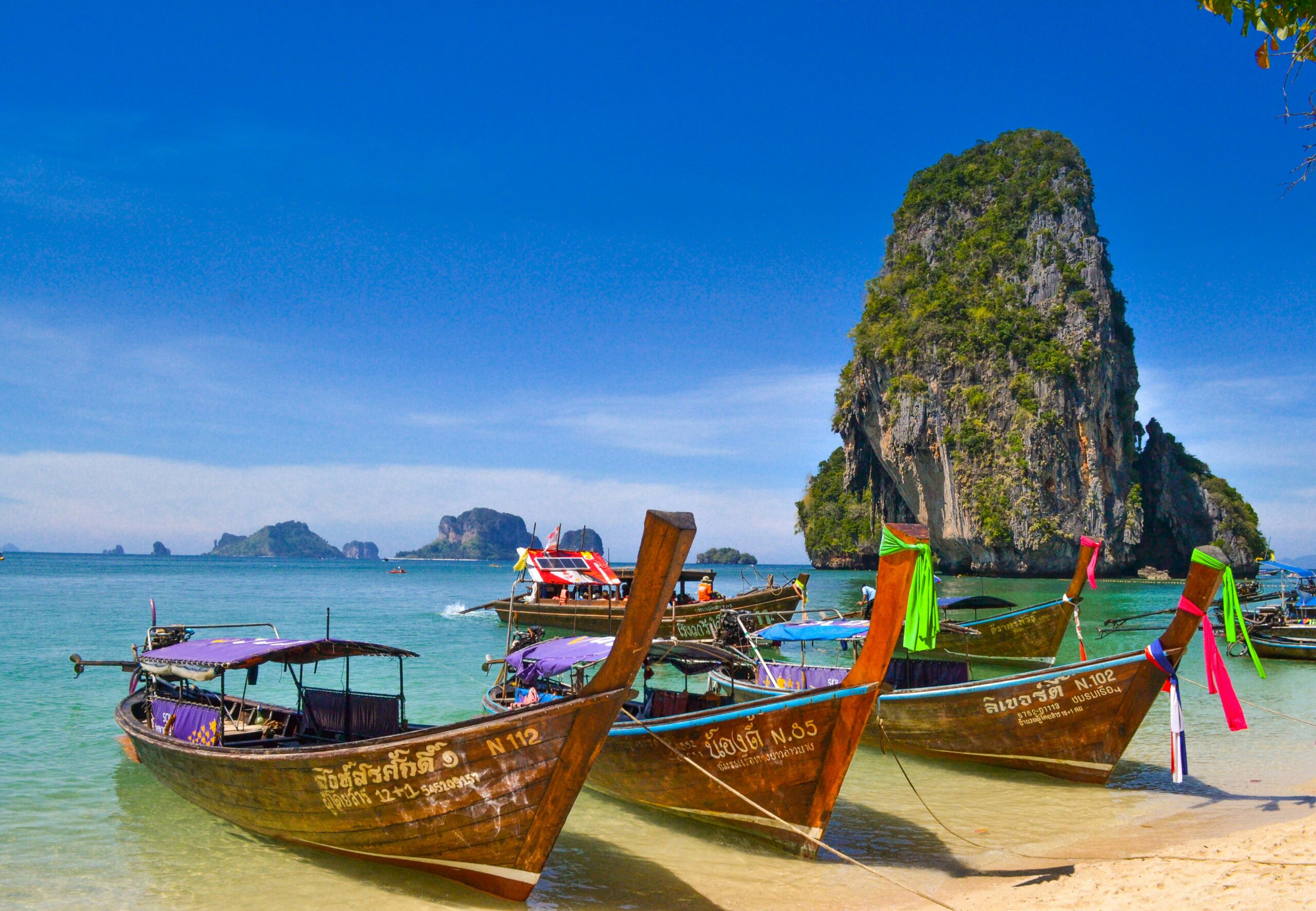
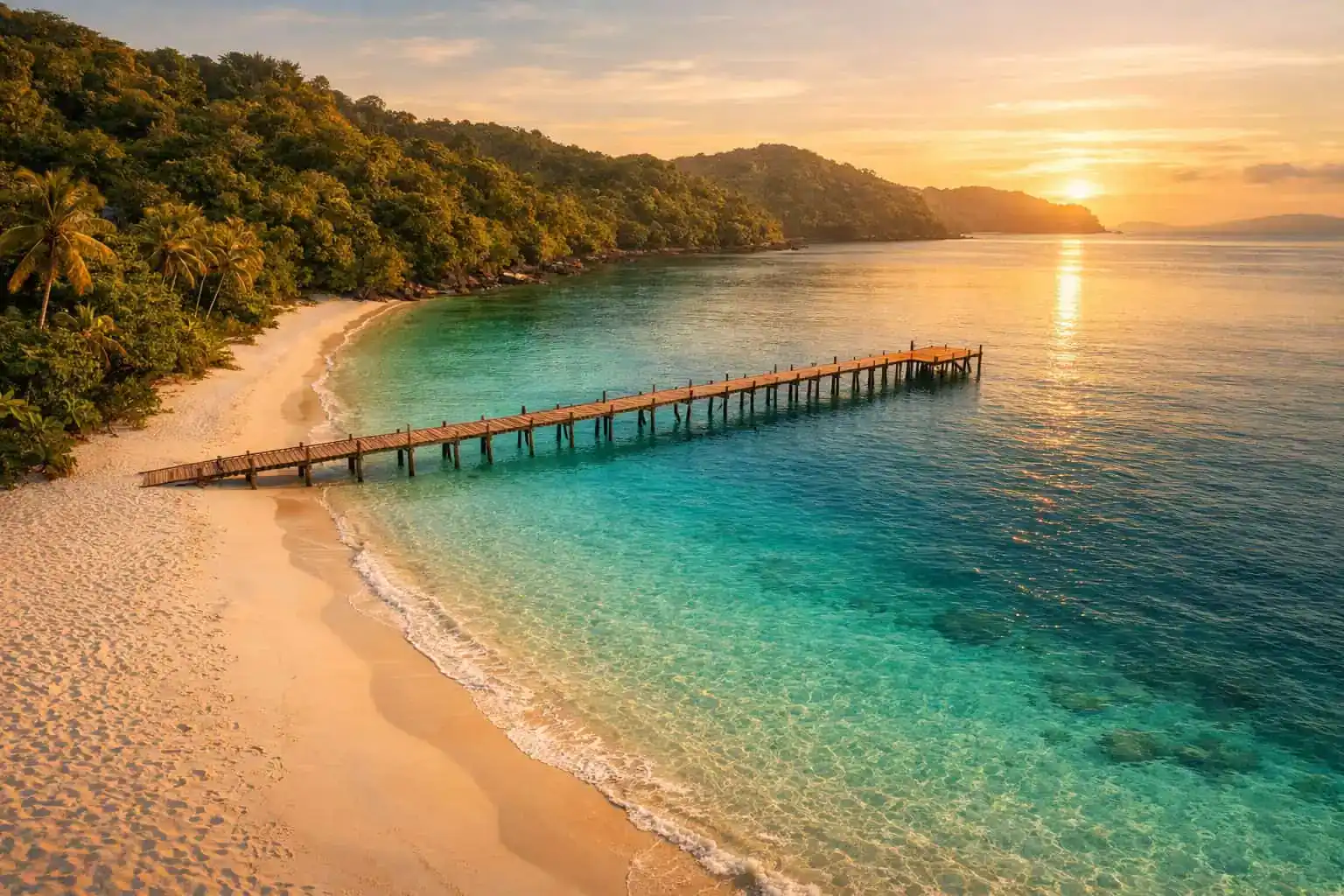
Koh Kood feels like an island where nobody told the developers to hurry up. The roads stay quiet, the water looks almost unreal in morning light, and even a simple scooter ride feels relaxing instead of chaotic.
Ban Rak Thai feels still and slightly surreal, especially at dawn when the lake reflects the houses and mist settles over the hills. It does not feel like the rest of Thailand, and that is precisely the point.
Phu Langka feels like waiting for the sky to open. You stand there with a cup of coffee, watching clouds fill the valley below, and the whole place asks you to slow down.
Wat Chaloem Phra Kiat feels harder-earned. You sweat, climb, question your decision halfway up, and then suddenly the white pagodas appear along the ridge and everything makes sense.
Human touch: One mistake many people make is expecting these places to entertain them every hour. That is not what makes them special. Their value is in the quiet, not the schedule.
History and Cultural Context
Part of what makes these places memorable is that they are not random “hidden gems.” They each have a different reason for feeling distinct.
Koh Kood (Ko Kut) sits off Trat in eastern Thailand and is still known for its quieter, less urbanized island character. Official tourism materials continue to frame it as a calm island escape rather than a nightlife destination.
Ban Rak Thai carries a Yunnanese Chinese heritage and remains one of the most visually distinct communities in Mae Hong Son, near the Thai-Myanmar border. That cultural mix is part of why the food, lake scenery, and overall atmosphere feel different from central Thailand.
Phu Langka National Park is associated with mountain scenery and dramatic natural viewpoints, while Mon Bridge in Sangkhlaburi is tied to one of Thailand’s best-known borderland communities and cross-cultural local identity.
Koh Adang belongs to the Tarutao marine park landscape, and Laem Son National Park protects a long coastal zone in the Andaman region—two places where conservation, distance, and low-density tourism still shape the experience.
Highlights: The Best Hidden Destinations in Thailand
1) Koh Kood — Best for a Quiet Tropical Escape
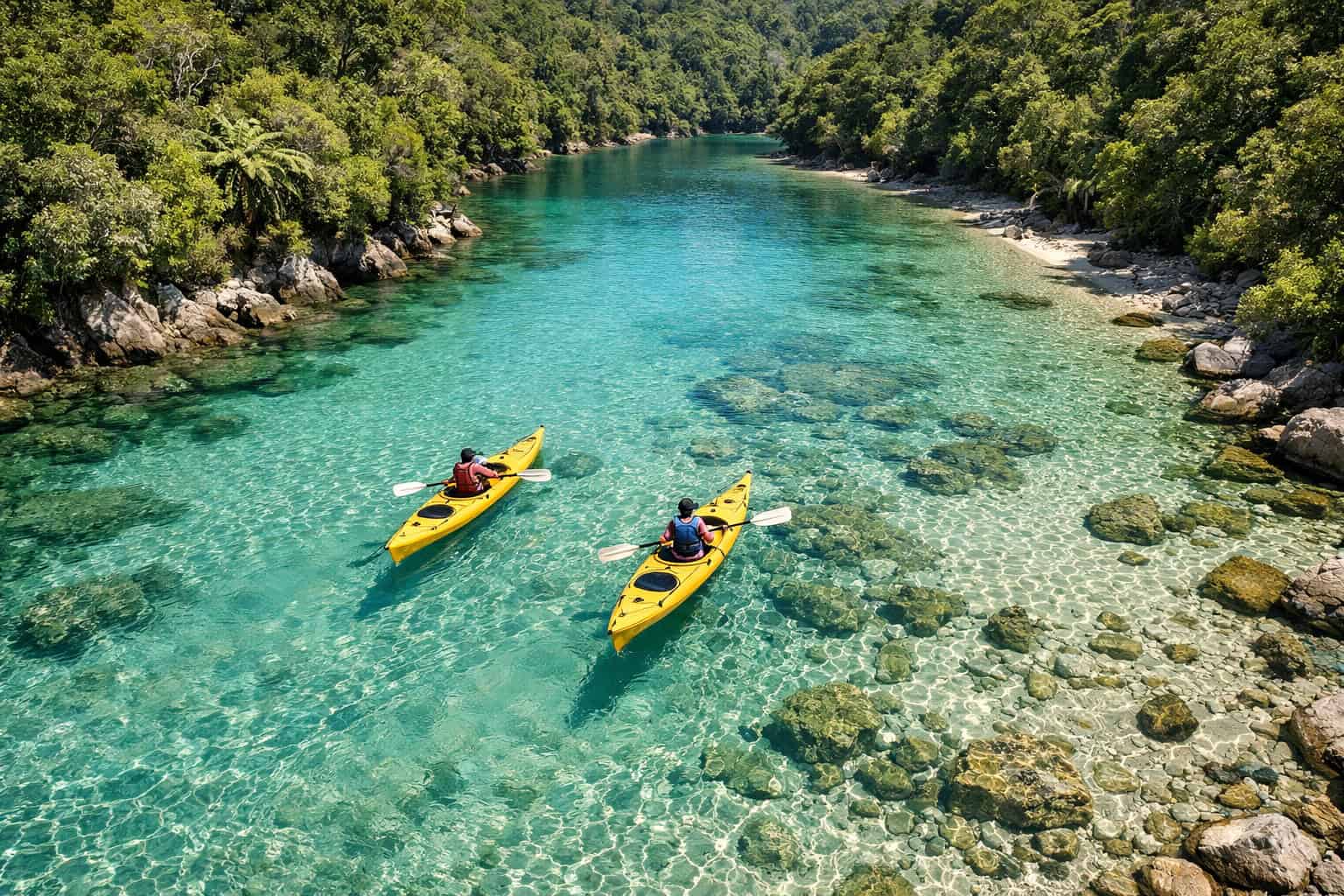
If you want the strongest all-around answer to Thailand hidden destinations, I would put Koh Kood first. It gives you the island fantasy many travelers imagine before they land in Thailand: clear water, uncrowded beaches, fishing villages, waterfalls, and long stretches of road without nonstop traffic.
It is especially good for couples, slow travelers, and people who want nature without backpacker chaos. Ao Taphao, Bang Bao, Ao Phrao, and Khlong Chao all offer slightly different beach moods. The island also rewards small detours—waterfalls, seafood villages, and relaxed scooter exploration.
2) Ban Rak Thai — Best for Lake Views and Cool Weather
Near Mae Hong Son, Ban Rak Thai is one of the rare places in Thailand that instantly feels visually different. The lake, mountain air, tea plantations, and Chinese-Yunnanese heritage create a slower, cooler, more reflective trip.
This is not a place for nightlife or shopping. It is a place for waking up early, watching mist move over the water, drinking tea, and doing almost nothing for a few hours without regret.
3) Phu Langka — Best for Sunrise Photography
Phu Langka is the answer for travelers who care more about atmosphere than activity volume. Its sea-of-mist mornings are the kind of travel moment that looks dramatic in photos but feels even better in person. It is quiet, understated, and most enjoyable if you stay overnight and let the place unfold slowly.
4) Wat Chaloem Phra Kiat — Best for a Dramatic Temple Experience
This temple in Lampang is one of the most visually extraordinary places in the country. The white pagodas sitting along the mountain ridge do not feel like a normal temple stop. They feel cinematic.
But it is not effortless. You need the vehicle transfer uphill and a final climb. I would only recommend it to travelers who are okay with heat, stairs, and a little discomfort in exchange for a huge visual payoff.
5) Sangkhlaburi — Best for Culture and Border-Town Atmosphere
Sangkhlaburi stands out because it feels like more than a viewpoint. The wooden Mon Bridge, reservoir, local communities, and subdued borderland setting give the town genuine texture. It is one of the better places in Thailand if you want a destination that feels inhabited rather than staged.
6) Koh Adang — Best for Off-Grid Island Nature
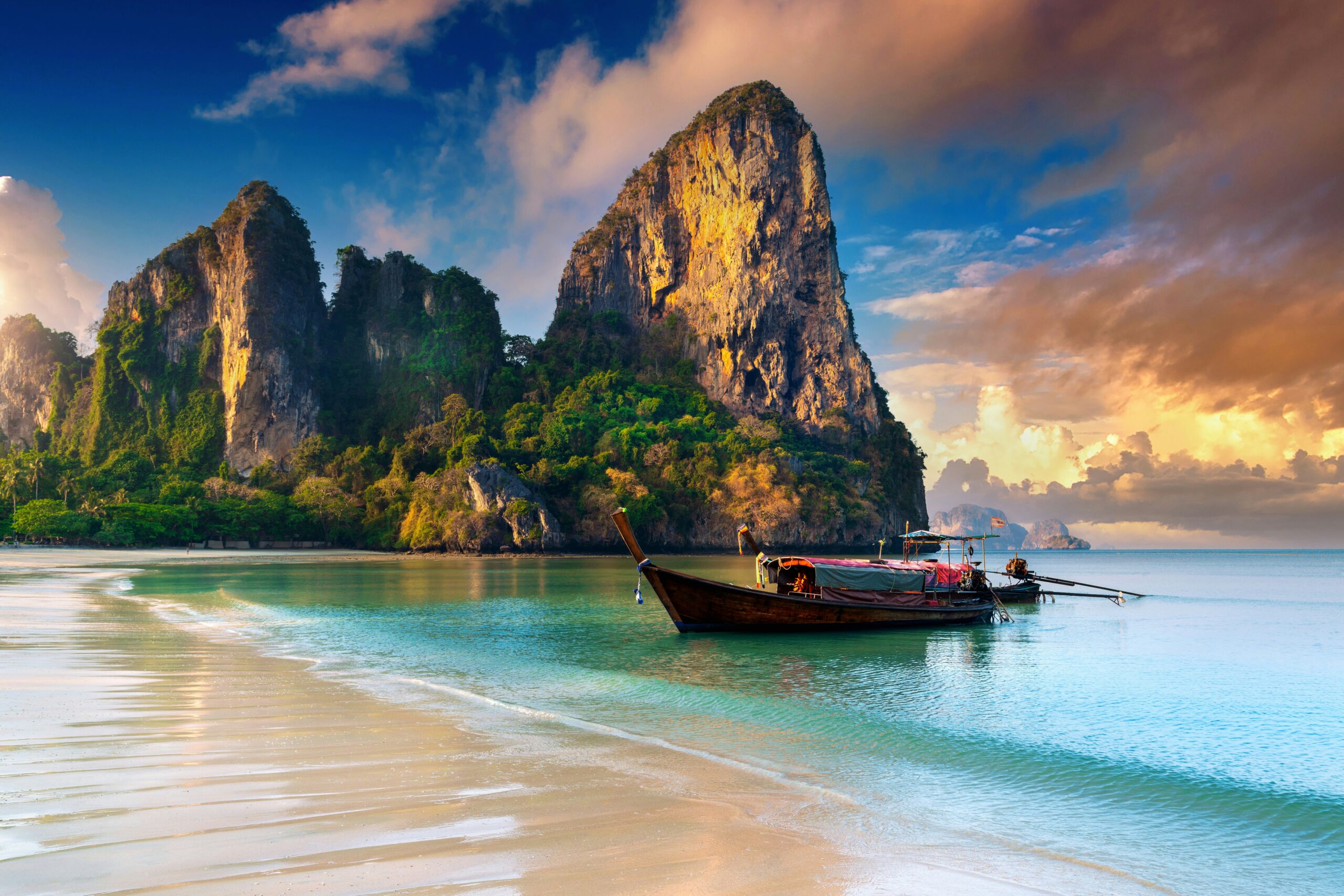
Travelers who arrive at Koh Lipe and immediately feel that it is too busy should look at Koh Adang. It is far rougher around the edges, but that is exactly why it works. Fewer comforts, better silence, stronger sense of escape.
7) Laem Son National Park — Best for Untouched Coastal Scenery
Laem Son National Park is for travelers who like protected coastlines, quiet beaches, mangroves, and the sense that nature still controls the pace. It is not flashy, which is one reason it remains under-visited.
8) Nan Province — Best for Slow Northern Travel
Nan is one of the easiest places to recommend if you want scenic roads, rice-field calm, temples with local character, and a generally softer travel rhythm. It is one of those provinces that feels rewarding precisely because it is not pushing itself too aggressively.
9) Sam Phan Bok — Best for Dry-Season Landscape Drama
If you are in northeastern Thailand in the right season, Sam Phan Bok gives you a rocky Mekong landscape that feels completely different from Thailand’s island-and-temple stereotype. It is dry, strange, photogenic, and best approached with realistic expectations about heat and timing.
Key Visitor Info Table
| Destination | Best For | Time Needed | Difficulty | Main Warning |
|---|---|---|---|---|
| Koh Kood | Quiet beaches, scooter exploration | 4–5 days | Moderate | ATM access is limited; transport takes time |
| Ban Rak Thai | Misty lake views, tea culture | 2–3 days | Moderate | Curvy mountain roads |
| Phu Langka | Sunrise, sea of mist | 1–2 nights | Easy | Weather affects visibility |
| Wat Chaloem Phra Kiat | Temple scenery, ridge views | Half day | Challenging | Steep final ascent |
| Sangkhlaburi | Culture, bridge, reservoir | 2 days | Easy | Long overland transit |
| Koh Adang | Off-grid island nature | 1–3 days | Moderate | Basic accommodation only |
The Cultural Experience Behind the Scenery
The biggest mistake people make with hidden destinations is reducing them to “nice views.” In reality, the best ones carry a local rhythm that is impossible to fake.
On Koh Kood, that rhythm comes through fishing villages, simple seafood meals, quiet mornings, and the absence of urban pressure. In Ban Rak Thai, it shows up through tea culture, lakeside lodging, and a heritage that visibly shapes the village. In Sangkhlaburi, it comes through the community mix and the bridge that functions as daily life, not just an Instagram frame.
That is why these places feel stronger than ordinary “secret spots.” They are not empty in a boring way. They are lived-in in a way that still leaves room for calm.
Travel Tips That Matter More Than People Admit
Bring more cash than you think you need. Remote islands and small towns are exactly where ATM access becomes annoying at the worst possible time.
Do not underestimate transit fatigue. A place may look “close enough” on the map and still leave you carsick, dehydrated, or completely drained by sunset.
Stay longer than your first instinct. These destinations become rewarding on day two and day three. On day one, you are often just recovering from the journey.
One personal lesson I learned from travel in quieter places is that rushing destroys the mood faster than bad weather. A gray sky can still feel beautiful. A forced schedule rarely does.
How to Visit These Places Without Ruining the Trip
- Pick one region, not all of them. Combine eastern islands, northern mountains, or western border towns—do not mash everything together in one rushed loop.
- Use buffer days. Ferries, weather, and road fatigue make tight itineraries fragile.
- Sleep near the destination, not just near transport hubs. Waking up inside the scenery is often the whole point.
- Check seasonality. Sea conditions, national park closures, and mist visibility all depend heavily on timing.
- Respect the pace. These are places to absorb, not conquer.
Koh Kood vs Ban Rak Thai vs Phu Langka
| Factor | Koh Kood | Ban Rak Thai | Phu Langka |
|---|---|---|---|
| Best For | Beaches and slow island life | Cool mountain village charm | Sunrise and dramatic mist views |
| Atmosphere | Tropical, quiet, restorative | Reflective, cultural, cool-weather | Minimal, scenic, contemplative |
| Convenience | Moderate | Moderate to low | Low |
| Who Should Choose It | Couples, beach readers, scooter explorers | Photographers, tea lovers, cool-air seekers | Sunrise travelers and quiet-view hunters |
Who Should Visit These Hidden Destinations?
You should go if:
- You enjoy quiet travel more than nightlife.
- You are comfortable with longer transfers for a better payoff.
- You like places that feel more local, more scenic, and less polished.
- You can appreciate a destination where the “activity” is sometimes just sitting still and watching the landscape change.
You should probably skip them if:
- You need constant entertainment and lots of nearby convenience.
- You only have a very short trip and hate transit days.
- You do not want to rent scooters, hire local transport, or deal with occasional logistical friction.
FAQ
What is the best hidden destination in Thailand for beaches?
For most travelers, Koh Kood is the best hidden beach destination because it balances beauty, low crowds, and enough infrastructure to stay comfortable without feeling commercialized.
Which hidden destination is best for cool weather?
Ban Rak Thai and Phu Langka are stronger choices than the islands if you want mountain air, mist, and a more atmospheric northern setting.
Are these places expensive?
Not always. Remote mainland destinations can be very affordable, while undeveloped islands often feel pricier because transport and supply chains are more limited.
How many days should I stay in Koh Kood?
At least 4 to 5 days is ideal. Going all the way there for a rushed overnight trip usually feels wasteful.
Are hidden destinations in Thailand hard to reach?
Some are. That is one reason they stay quieter. Expect ferries, mountain roads, or longer transfers compared with Thailand’s mainstream tourist circuit.
When is the best time to visit?
For islands, the dry season is usually easiest. For mountain towns, November to February is often the most comfortable, though green season can be beautiful if you accept rain and reduced predictability.
Related Guides on Trip Nexus
- Terminal 21 Pattaya: Is It Worth It for Cheap Food & Cooling Off?
- Thailand Arrival 2026: What Actually Happens at Immigration
- Thailand Digital Arrival Card (TDAC) 2026 Guide
- Can You Use Apple Pay in Thailand? What Works in 2026
- Airport Arrival Survival Guide: Your First 60 Minutes
- Immigration Questions: What Officers Really Check
Official and Helpful References
The Final Word
The best Thailand hidden destinations are not necessarily the hardest to reach, but they do require a different mindset. You have to be willing to give up some convenience in exchange for a better atmosphere.
If you want the clearest all-around recommendation, go to Koh Kood. If you want mountains and mist, go north to Ban Rak Thai or Phu Langka. If you want something culturally layered and visually memorable, put Sangkhlaburi or Wat Chaloem Phra Kiat on your list.
I genuinely think these quieter places show a more rewarding side of Thailand. They may ask for more time, more patience, and better planning—but they give back far more than another overbooked beach town ever will.