Kiyomizu-dera: Why Most Travelers Get It Wrong (And How to Fix It)
Search Intent: You’re not just visiting Kiyomizu-dera—you want to avoid the crowds, understand the Otowa ritual, and experience the temple the way most travelers completely miss.
Quick Summary: Kiyomizu-dera Essentials
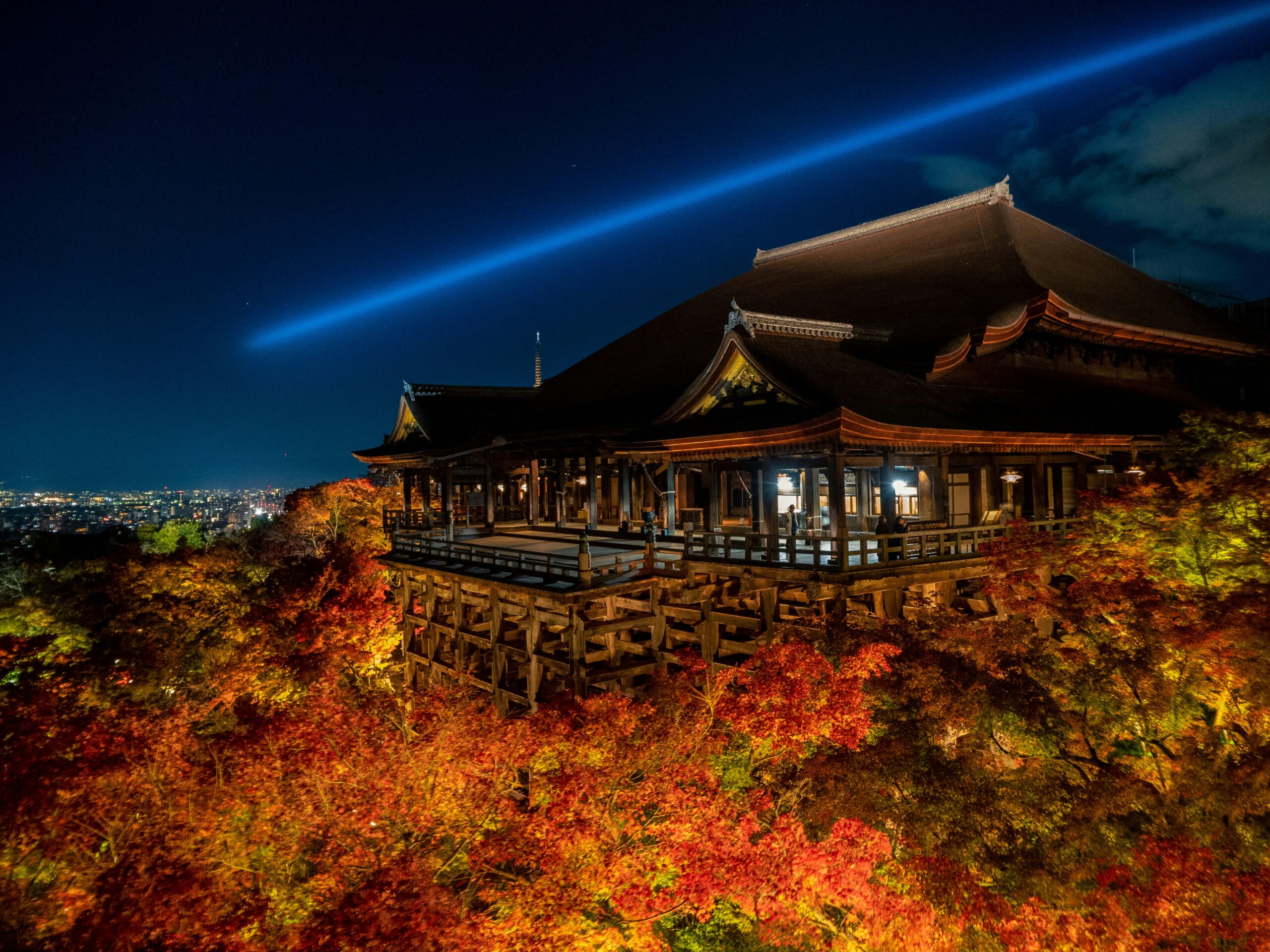
- The icon: Kiyomizu-dera is famous for its vast wooden stage projecting over the hillside and for the Otowa Waterfall below.
- Best time: Arrive around opening time if you want the most peaceful atmosphere and cleaner photo lines.
- Access: Most visitors approach from Gojozaka or Kiyomizu-michi and walk uphill through Higashiyama.
- Must-do sequence: Main Hall stage → south-side temple views → Otowa Waterfall → Sannenzaka and Ninenzaka.
- Seasonal strength: Cherry blossoms and autumn leaves are the classic draw, but clear early mornings outside peak foliage season can feel even more spiritual.
Why Kiyomizu-dera Still Feels Bigger Than a Temple Visit
Kiyomizu-dera Temple is one of those places that people think they already understand before they arrive. They know the photos. They know the stage. They know it is “important.” But the real experience is much more physical than that. You climb, you hear the boards underfoot, you feel the slope of the mountain, and then Kyoto suddenly opens below you as if the city has been waiting behind a curtain.
That is why this place works so well even for travelers who are tired of “must-see” lists. It does not feel like a static monument. It feels like a site designed around movement: uphill approach, gate reveal, stage panorama, waterfall descent, then the slow release back into old Kyoto streets. Even in 2026, with heavy tourism pressure across Kyoto, Kiyomizu-dera still rewards people who visit with intention instead of just showing up at noon and hoping for magic.
I think that is the difference here. If you arrive early, the temple feels devotional. If you arrive at the wrong hour, it can feel like an obstacle course of selfie sticks and shoulder-to-shoulder walking. Same place, totally different memory.
What It Feels Like: Kyoto Opens Beneath the Stage
“The first surprise is not the view. It is the sound — the low shuffle of wooden boards, temple bells in the distance, and that strange calm that appears the moment you stop thinking about sightseeing and start paying attention.”
At its best, Kiyomizu-dera does not feel polished. It feels lived in. The wood has weight. The beams look almost impossibly large. The hillside wind changes with the season. In spring the air carries a soft sweetness from nearby blossoms; in late autumn it sharpens around the red leaves; in summer the mornings feel green and damp before the heat builds. The temple’s power is not only visual. It is atmospheric.
One thing I would not underestimate is the approach itself. The walk up through Higashiyama is part of the emotional setup. The crowds, the shop signs, the slope, the little pause near the gate — it all builds toward that first moment on the stage. I have seen places where the famous viewpoint is somehow smaller in person. Kiyomizu-dera is not one of them. When the city spreads out below the temple, the scene actually becomes more convincing than the postcards.
Why Kiyomizu-dera Matters Historically
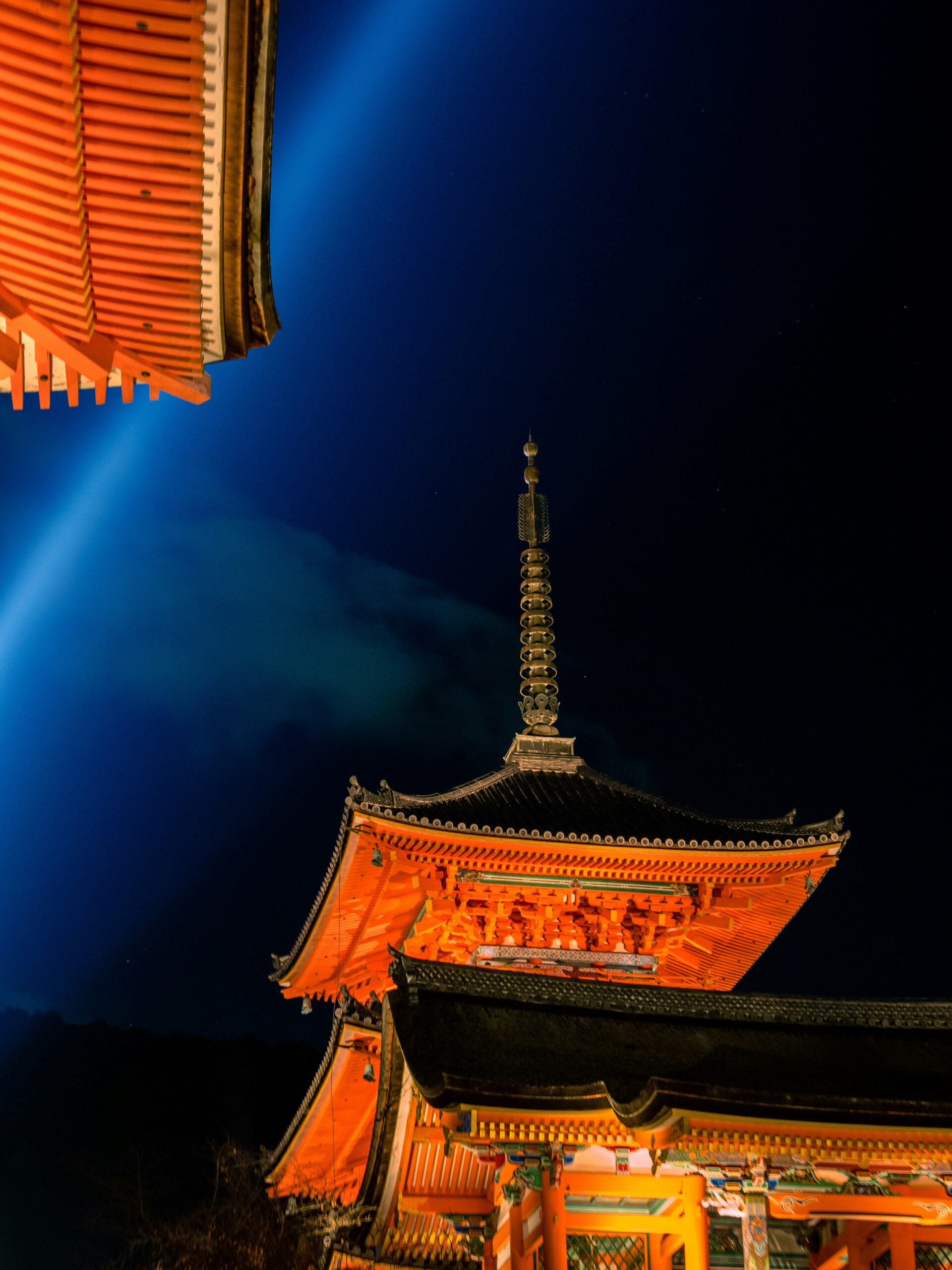
Kiyomizu-dera is part of the UNESCO-listed Historic Monuments of Ancient Kyoto and traces its roots back more than twelve centuries. The temple’s identity is deeply tied to Otowa-san and to the idea of pure water, which is why the waterfall below the main precinct is not a side attraction but one of the spiritual anchors of the visit.
The architecture is just as important as the ritual meaning. The famous main hall veranda projects over the slope using the traditional kake-zukuri method, creating one of Japan’s most recognizable temple silhouettes. But the reason the structure lingers in memory is not just technical admiration. It is the way engineering, topography, and devotion are fused together so naturally that the temple seems to grow out of the mountain instead of sitting on it.
Key Visitor Information (2026)
| Category | Details |
|---|---|
| Location | 1-294 Kiyomizu, Higashiyama Ward, Kyoto |
| Typical access | Gojozaka or Kiyomizu-michi approach, then about 10 minutes uphill on foot |
| Kyoto Station route | City Bus 100 or 206 to Gojozaka, then walk east and uphill |
| Keihan / Hankyu side | Use Kiyomizu-michi or Gojozaka side access depending on your line and direction |
| Parking | No parking lot on temple grounds; public transit or taxi is strongly recommended in busy seasons |
Temple event windows shown on the official site for 2026 highlight the usual cherry blossom and autumn leaf periods, but exact best-viewing timing varies each year.
Otowa Waterfall: What to Do and What Not to Do
Otowa Waterfall is one of the parts of Kiyomizu-dera that people remember most clearly because it transforms the visit from viewing into participation. The streams are associated with blessings, and many travelers are told that each one represents a different wish or area of life. Whether you approach it as ritual, symbolism, or quiet curiosity, the waterfall matters because it gives the temple its name and its emotional center.
The practical rule is simple: do not rush it. Watch how the flow works, wait your turn, and treat the moment with more respect than performative excitement. One mistake I see often in famous places is people trying to “collect” the experience too quickly. Kiyomizu-dera is better when you allow a little slowness into the visit.
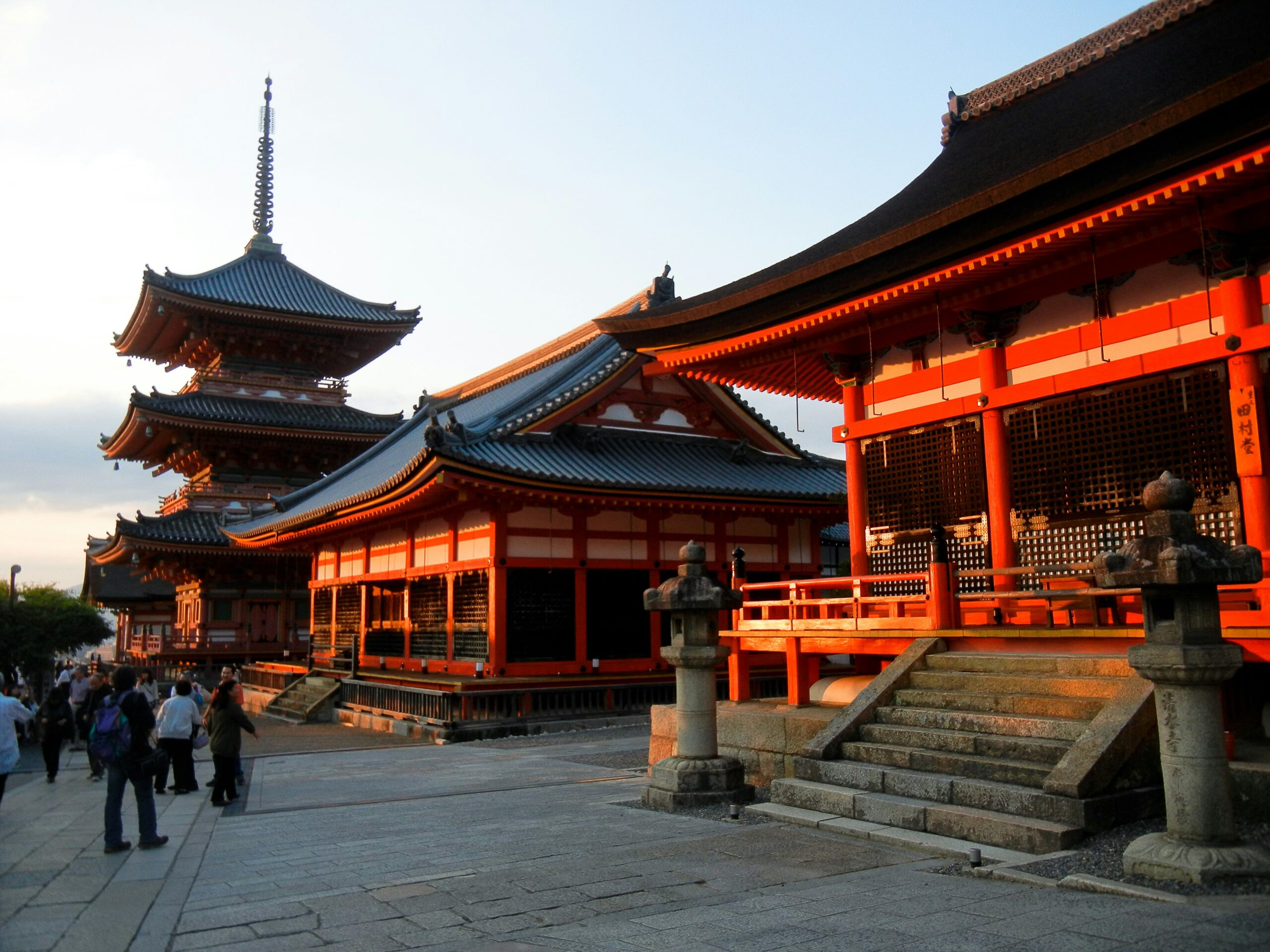
A vs B: The Smart Visit vs the Crowd Trap
| Feature | Smart Visit | Crowd Trap |
|---|---|---|
| Arrival time | Near opening, before the approach streets fully fill | Late morning to mid-afternoon |
| Atmosphere | Quiet, more devotional, easier to notice details | Compressed, noisy, photo-driven |
| Photos | Cleaner rail views and more room to pause | Constant movement and crowded sightlines |
| Street walk after | Shops gradually opening, calmer downhill pacing | Dense uphill/downhill foot traffic |
Insider Hacks That Actually Help
- Reverse the slope: If your budget allows, start closer to the upper side early, then enjoy Sannenzaka and Ninenzaka on the way down later.
- Do not leave too fast: Many visitors rush the stage and exit. The broader precinct and side angles often create the most memorable views.
- Use Kyoto discipline: Higashiyama is a residential-cultural area, not just a tourist set. Keep voices low and avoid blocking lanes for long photo pauses.
- Build a half-day, not a single stop: Kiyomizu-dera works best when paired with the surrounding old streets instead of being isolated as a 40-minute sprint.
Step-by-Step Arrival Flow
- Start from Kyoto Station or the eastern side: choose the most practical bus or rail-plus-walk combination for your day.
- Approach uphill with intention: do not treat the approach streets as a random shopping distraction before the temple.
- Head to the main hall zone first: this gives you the psychological payoff early and helps you understand the site layout.
- Move to the wider viewpoints: do not spend the entire visit pinned to the main rail.
- Visit Otowa Waterfall after the first look: the ritual makes more sense once you have absorbed the setting above.
- Exit into Higashiyama streets: let Sannenzaka and Ninenzaka act as your decompression walk rather than a rushed souvenir funnel.
Warnings and Common Mistakes
- Do not arrive only for the photo rail: Kiyomizu-dera is too layered to reduce to one angle.
- Do not underestimate the walk: even if access is easy on paper, the final slope and stairs matter.
- Do not ignore crowd timing: the same temple can feel sacred or stressful depending on your hour.
- Do not treat the district carelessly: Kyoto’s official tourism guidance emphasizes respectful travel because many major sights sit close to everyday residential life.
Who Should Visit Kiyomizu-dera?
Best for: first-time Kyoto visitors, temple lovers, photographers who can wake up early, and travelers who enjoy pairing famous landmarks with old-street wandering.
Less ideal for: people expecting a fully quiet, hidden shrine experience in the middle of the day. Kiyomizu-dera is iconic for a reason, and the popularity comes with real traffic.
My honest view: if you can only do one major classic temple area in Kyoto, Kiyomizu-dera still makes a strong case because it combines architecture, ritual, viewpoint, and district atmosphere in one compact experience.
Frequently Asked Questions
What is Kiyomizu-dera most famous for?
It is most famous for the huge wooden stage of the main hall, the Otowa Waterfall, and its panoramic position over Kyoto.
What is the best time to visit Kiyomizu-dera?
Near opening time is usually the smartest move if you want a calmer atmosphere and cleaner views.
How do you get to Kiyomizu-dera from Kyoto Station?
A common official route is City Bus 100 or 206 to Gojozaka, followed by an uphill walk.
Is Kiyomizu-dera worth it even if it is crowded?
Yes, but timing changes the experience dramatically. Early morning makes a huge difference.
What should I combine with Kiyomizu-dera?
Sannenzaka, Ninenzaka, and the surrounding Higashiyama area create the most natural half-day route.
Is Kiyomizu-dera part of a UNESCO site?
Yes. It is one of the components of the Historic Monuments of Ancient Kyoto UNESCO World Heritage listing.
Related Trip Nexus Guides
Official Resources
Map
Final Verdict
Kiyomizu-dera Temple deserves its reputation, but it does not reward careless timing. The best version of this visit is not the busiest one. Arrive early, move with patience, let the stage and waterfall work as a sequence, and give yourself time to drift back through Higashiyama rather than immediately rushing to the next checklist stop.
If Kyoto has places that feel like they belong to history, Kiyomizu-dera is one of the few that still feels fully alive inside the present. That is what makes it worth doing properly.