Tsuruga Castle Guide 2026: Best Time, Ticket Choice & Rinkaku Tea House Strategy
Why Tsuruga Castle Feels Different From Other Japanese Castles
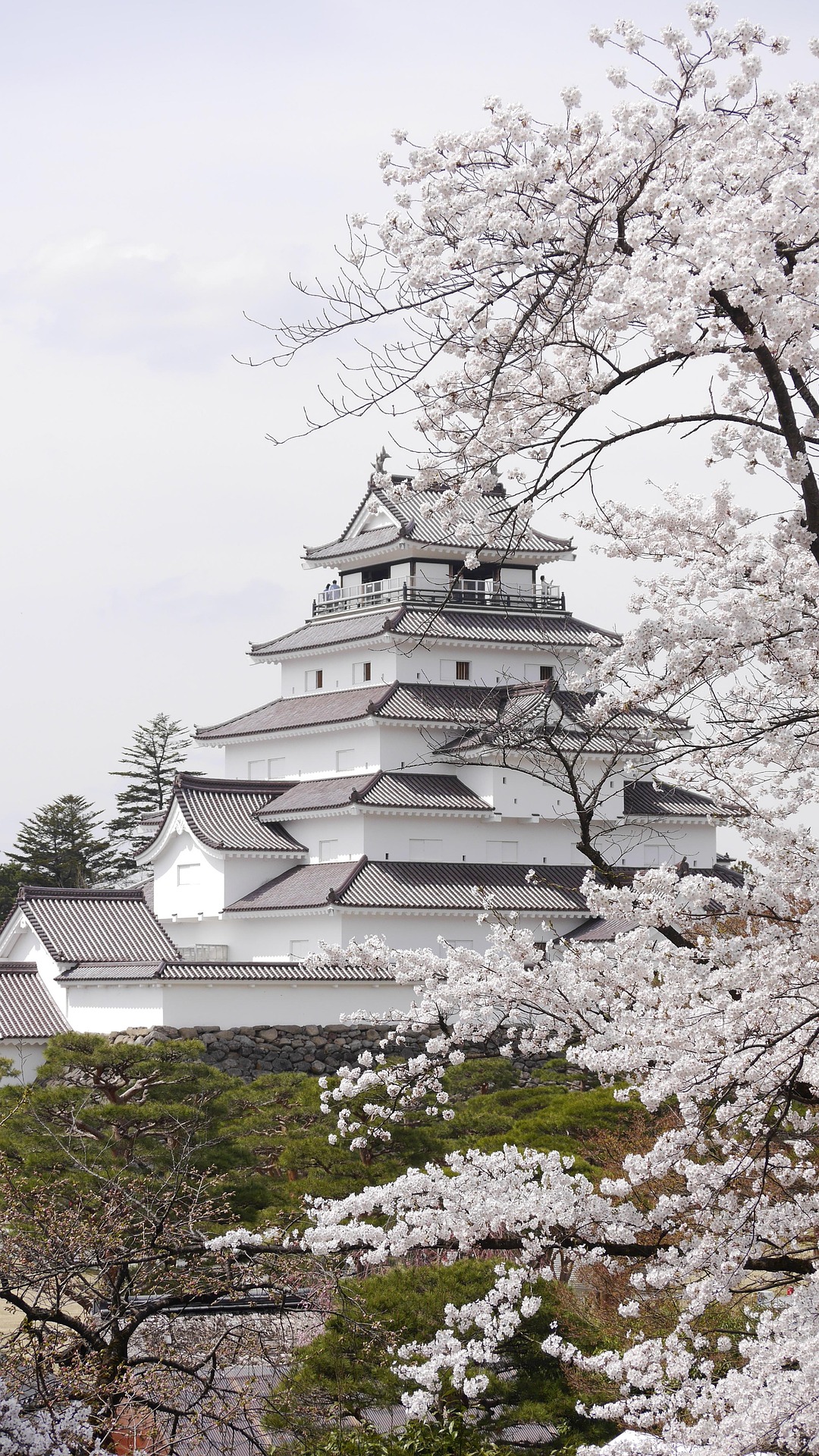
Tsuruga Castle rises in the center of Aizuwakamatsu with a kind of calm dignity that is hard to fake. Some castles in Japan impress you with scale. Some impress you with technical restoration. Tsuruga hits differently because the emotional weight is heavier than the architecture alone.
This is not just a photogenic landmark. It is one of the places where Aizu’s identity still feels close to the ground. The red roof tiles stand out immediately, but what stays with you longer is the story of endurance behind them. The castle is deeply linked to the Boshin War, to samurai resistance, and to the local memory of loss, pride, and stubborn resilience.
I think that is why the experience lands better than many travelers expect. You may arrive because the castle looks striking, but you leave remembering the mood of Aizu more than just the building itself.
What It Actually Feels Like on Site
Why the Red-Tiled Roof Matters
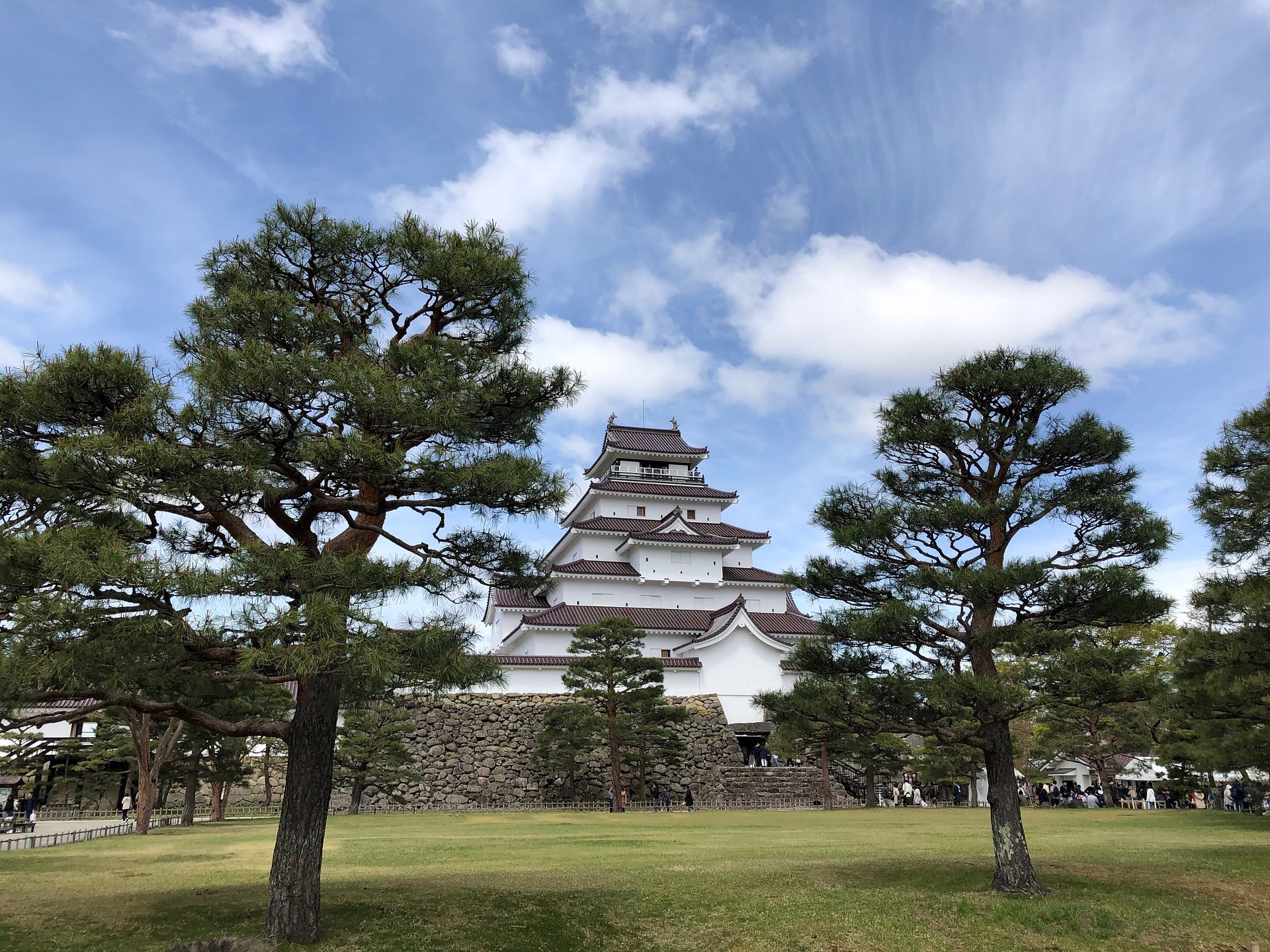
A lot of guides mention the red-tiled roof as a visual detail and move on too quickly. That undersells it. This feature is part of why Tsuruga Castle feels different from the white-and-black stereotype many travelers expect from Japanese castles. The color changes the entire emotional tone of the building. It feels warmer, heavier, and more regional.
More importantly, it ties directly to Aizu’s climate and identity. You are not looking at decoration for decoration’s sake. You are seeing a local expression of endurance shaped by northern weather and historical memory. That blend of beauty and practicality is exactly what makes the site memorable.
Vital Logistics (2026)
Do Not Skip Rinkaku Tea House
If the museum gives you the political and emotional history of Aizu, Rinkaku Tea House gives you the reset. That contrast is what makes the combo work. After reading about siege, sacrifice, and samurai collapse, sitting down with matcha in a quieter tea setting changes the rhythm of the visit in the best way.
Honestly, this is where the whole stop starts to feel complete. Without Rinkaku, Tsuruga Castle can feel a little museum-heavy. With it, the visit becomes more layered: war, memory, calm, and place. I would strongly choose the combo ticket over the castle-only ticket unless you are racing through town.
Tsuruga Castle vs. Himeji Castle
The High-Impact Aizu Route: Step by Step
- 08:30 AM – Enter early: Start as close to opening time as possible. The grounds feel more dignified before the bus groups arrive.
- 08:45 AM – Walk the outer grounds first: Take a few minutes outside before entering the keep. It helps you understand the scale and the moat setting.
- 09:00 AM – Explore the museum keep: Go steadily rather than rushing for the top floor. The story works better when you let each level build.
- 10:15 AM – Upper-floor view: Use the higher floors to reconnect the exhibits with the landscape of Aizu around you.
- 10:45 AM – Tea house reset: Head to Rinkaku Tea House while the site still feels calm.
- 11:30 AM onward – Continue into town: Pair the castle with Nanokamachi, local food, or another Aizu heritage stop if you have the energy.
Who Will Enjoy Tsuruga Castle Most?
This is a strong fit for travelers who like history with context, not just buildings with labels. It is also great for people who want a meaningful regional stop outside the usual Tokyo–Kyoto–Osaka pattern. Families do well here because the site is legible, the museum is organized, and the grounds are easy to navigate.
It is less ideal for purists who only want original-castle interiors. If that is your top priority, you may admire Tsuruga but not fully love it. The better way to approach it is as a place of memory, identity, and storytelling rather than as a purely architectural trophy.
FAQ (Honest Answers)
Explore More of Japan’s Spirit
Official and Useful Resources
Google Map
Final Verdict
If you want one Aizu stop that combines beauty, history, and a genuinely different regional mood, Tsuruga Castle is worth it. It is not the most architecturally “authentic-feeling” castle in Japan, but that is not the point. Its strength is emotional depth.
Come early, take the museum slowly, add the tea house, and let the visit breathe. That is the version of Tsuruga Castle that stays with you long after the photos are gone.