Why Cheongsando Only Makes Sense When You Stop Trying to See Everything
Cheongsando Island in Wando County is one of South Korea’s most restorative slow-travel destinations, a place where terraced fields, old stone walls, village roads, and ocean horizons work together to slow your breathing before you even realize it.
If your idea of a perfect trip is not checking off ten attractions in a day but walking longer, looking closer, and feeling less rushed, Cheongsando is the kind of island that stays with you long after you leave.
Search Intent
This guide is for travelers planning a real visit to Cheongsando Island, including what makes it special, how to get there, how long to stay, which slow walking routes are best for first-timers, what the island actually feels like, and how to avoid turning a slow destination into a rushed itinerary.
Why Visit Cheongsando Island
A lot of islands are sold through adjectives like beautiful, peaceful, or scenic. Cheongsando deserves those words, but they still do not fully explain why people remember it so clearly. The island feels different because its beauty is tied to rhythm. You do not just look at Cheongsando. You move through it at a human pace and slowly realize the place has already changed the way you are walking.
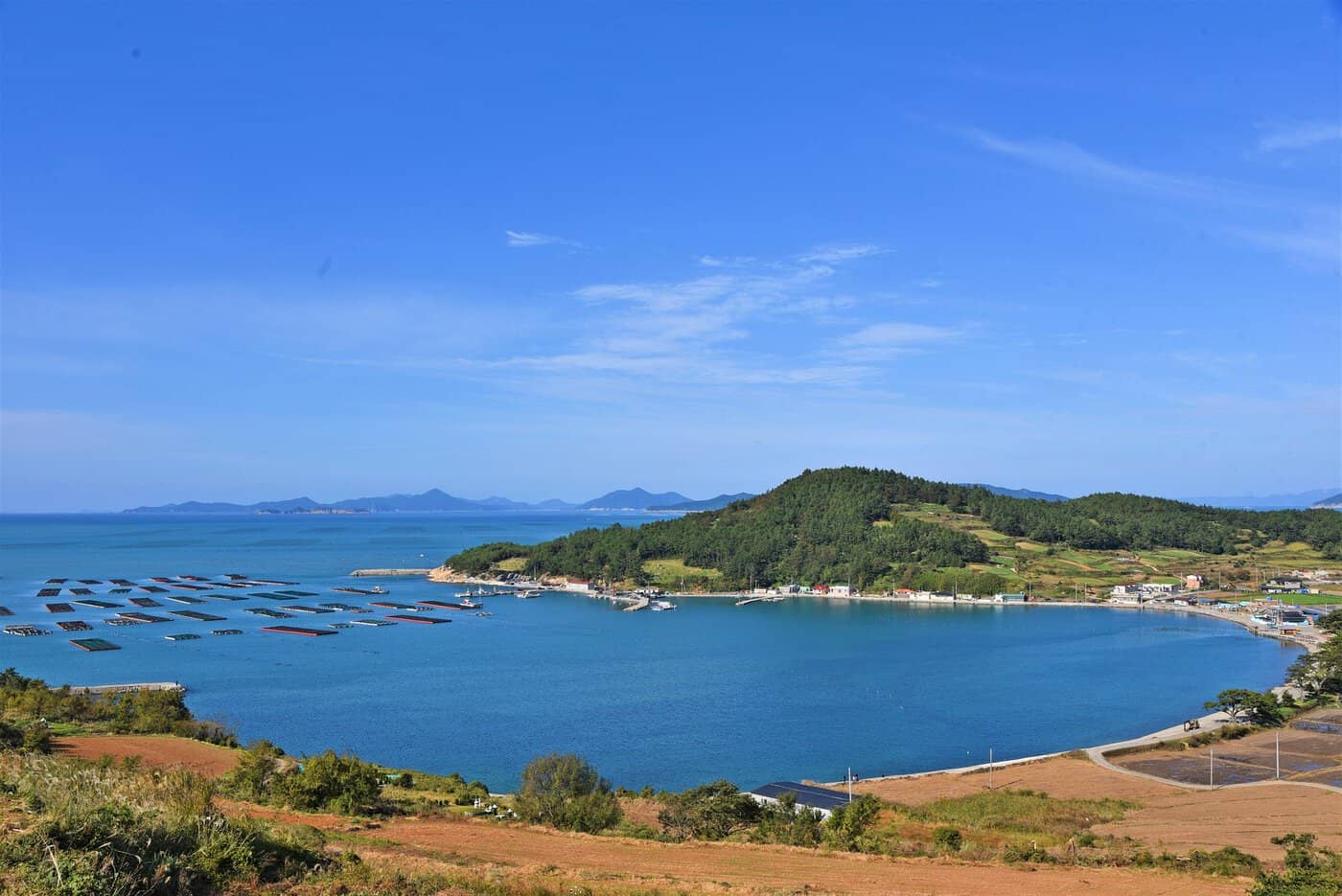
The name Cheongsando is often associated with layered blues, and that description makes sense as soon as you see the sea, hills, and sky blending into one another. But the island’s true identity is more than color. It is built around a landscape where daily life, agriculture, and walking routes still coexist without being flattened into a pure tourism product.
That is what makes the island feel refreshing. The slow walking trails are not artificial in the worst way. They do not feel like a theme park version of slowness. They follow the grain of the island itself: village roads, field edges, coastal curves, and viewpoints that make sense only because people have lived and moved through this space for a long time.
What It Feels Like to Arrive
Stepping onto Cheongsando feels less like arriving at a tourist destination and more like entering a place that already has its own pace. I think that is why first impressions here feel so strong. There is scenery, yes, but there is also a noticeable shift in tempo. People are not moving with the same urgency you feel in cities, and even the roads seem to pull you into a slower rhythm.
The first time I imagine arriving here, I do not think the main memory would be one “wow” viewpoint. It would be the accumulation of small things: the curve of a stone wall, wind over a field, a path bending toward the sea, the way light lands softly on terraced slopes instead of dramatically trying to impress you. Cheongsando works through layers, not through spectacle.
One common mistake is trying to immediately optimize the visit with maps, route comparisons, and time pressure. That instinct makes sense, but the island becomes much more meaningful once you stop trying to dominate the day and start letting the landscape guide your attention. The best moments often happen between planned stops, not only at them.
Why Cheongsando Is More Than Just a Pretty Island
Cheongsando is often described as a slow city destination, and that label matters because it tells you how the island should be experienced. This is not about speed, shopping, or hitting maximum attractions in minimum time. It is about allowing walking, weather, village texture, and landscape transitions to become the trip itself.
The island is especially known for its terraced fields, gudeuljangnon-style agricultural scenery, and long stone walls. Those details are not just visually attractive. They are part of the island’s cultural texture. They show how people adapted to wind, slope, and island conditions rather than trying to erase them.
In practical travel terms, that means Cheongsando is ideal for people who enjoy atmosphere as much as landmarks. Photographers, walkers, writers, couples on a quieter trip, and travelers who feel exhausted by overplanned itineraries often respond especially well to this island.
Quick Guide: First-Time Visitor Essentials
Key Information
Cheongsando Slow Walking Trails
The walking trails are the island’s signature experience, but the right mindset matters more than route obsession. Many first-time visitors ask which trail is “the best,” but that is not quite the right question. The better question is what kind of pace and mood you want.
If this is your first time, choose a route that combines three elements: village texture, terraced-field scenery, and at least one coastal viewpoint. That mix gives you the clearest sense of what makes Cheongsando special. If you only follow a route focused on fields, you may miss the feeling of island settlement. If you only go for coast, you may miss the agricultural and cultural character that gives the island its identity.
Photographers should aim for early morning or late afternoon. Midday can still be beautiful, but Cheongsando’s textures become much more expressive when the light is softer. Stone walls, field contours, and sea layers all look more dimensional in those hours.
Relaxed travelers should resist the urge to maximize distance. A shorter route walked well is better than a long route rushed badly. On Cheongsando, depth beats coverage almost every time.
Cultural Experiences Worth Doing
What gives Cheongsando real staying power is that its scenery is still tied to everyday life. This is not a fully staged island built around tourist consumption. Depending on season and timing, you may see farmers working sloped fields, elders sitting near village lanes, fishing activity near the harbor, or produce stands that feel completely unpolished in the best possible way.
Village wandering is one of the island’s most underrated experiences. There may not be a giant sign telling you what to admire, but that is exactly why the walk feels rewarding. Follow the stone walls. Watch how the roads curve. Pay attention to how houses sit against the land and how fields and sea remain visually connected.
Food is also part of the cultural texture. Rather than expecting a highly curated café-hopping scene everywhere, look for simple island meals and seasonal ingredients. Cheongsando’s best food moments often feel humble rather than performative.
Seasonal Highlights
Spring is the season most closely associated with the island’s public identity. The atmosphere feels fresh, the fields are vibrant, and the Slow Walking Festival period has helped make Cheongsando famous well beyond the region. If you want the most iconic version of the island, spring is usually it.
Autumn offers a different pleasure. It is less about festival energy and more about clarity. The air feels cleaner, the walking is comfortable, and the entire island becomes easier to absorb at a slow pace. If you want a calmer, more contemplative Cheongsando, autumn may actually be the better season.
Summer can still be rewarding, but heat and humidity will affect how long and comfortably you walk. Winter is quieter and more minimal, which some travelers will love, but it is not the season that best expresses the island’s layered agricultural beauty.
How to Get There
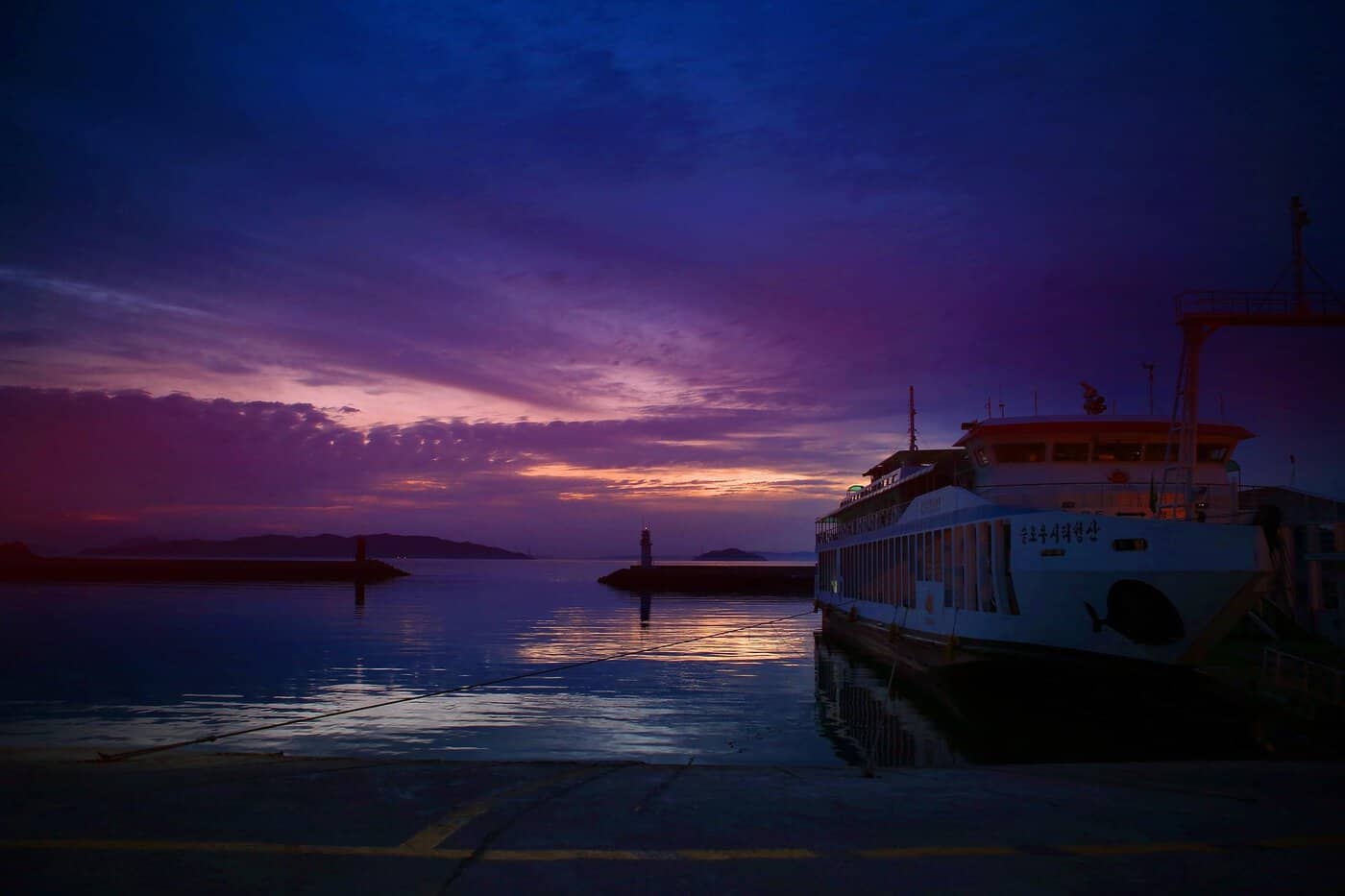
Reaching Cheongsando begins with reaching Wando, and then taking a ferry to the island. This is one of those destinations where transportation is not just logistics. It sets the emotional tone of the visit. The fact that the island requires a boat ride is part of why the atmosphere remains protected.
Step 1: Get to Wando
Travelers usually reach Wando by intercity bus or by car. If you are coming from larger cities in the southwest, it is generally manageable, but this is not a “spontaneous 30-minute detour” kind of destination. It needs a little commitment.
Step 2: Check ferry schedules before anything else
This is the non-negotiable step. Your entire island plan depends on ferry timing, and that means accommodation, walking plans, and even meal timing should be built around boat schedules rather than the other way around.
Step 3: Move slowly once you land
Once you arrive, resist the instinct to immediately “cover ground.” If you can, let the harbor area settle you before heading into the trails.
How to Get Around the Island
Walking is the best way to understand Cheongsando. That is not a romantic exaggeration. The island’s identity is built around foot-paced movement, and the best scenery often appears in places where vehicles are irrelevant or actively distracting.
Bicycles can also work well if you want to cover more distance, but they are best for travelers who are comfortable balancing movement and stopping often. Cheongsando is not a place where “faster” automatically means “better.”
Roads can be narrow, and the most rewarding parts of the island are often the ones that do not feel optimized for efficiency. That is part of the appeal.
Best Things Nearby in the Wando Area
If you are spending time in Wando before or after the island, it helps to think of Cheongsando not as a standalone island-only trip but as the emotional center of a wider coastal journey.
- Cheonghaejin / Jang Bogo heritage area – a stronger historical counterpoint if you want maritime history in the same region
- Wando Arboretum – a gentle walking destination that pairs well with a slower travel mood
- Wando port-side pacing – even a night near the departure point can help the island trip feel less rushed
Cheongsando vs Fast-Paced Korea Itineraries
Essential Travel Tips
- Plan ferries first. Everything else should come after that.
- Wear proper walking shoes. Cheongsando is not a “pretty shoes” destination.
- Pack light. The more you carry, the more you will feel it.
- Bring a light layer. Coastal wind can change comfort quickly.
- Respect local privacy. Villages are lived-in communities, not backdrops.
- Do less than you think. That is usually the right strategy here.
Related Korea Travel Guides
FAQ
How long should I stay on Cheongsando?
One night is the practical minimum, but two nights feels much better if you want to walk more than one route without stress.
Is Cheongsando worth visiting if I do not hike seriously?
Yes. This is much more about walking, wandering, and atmosphere than about aggressive hiking.
What is the best season for first-time visitors?
Spring is the most iconic, while autumn is often the calmest and easiest season for longer walks.
Do I need a car on the island?
No. Walking is the best way to understand the island, and bikes can help if you want more range.
Is Cheongsando good for photography?
Very much so, especially in early morning and late afternoon when light softens the fields, walls, and sea.
What kind of traveler will enjoy Cheongsando most?
Travelers who like quiet places, slower pacing, village texture, landscape photography, and meaningful walking usually connect with it the most.
Google Map
Helpful Links
Final Thought
Cheongsando is not a place you conquer, complete, or “do” efficiently. It is a place that rewards patience, softness, and a willingness to let the day unfold without squeezing it too tightly.
When the light falls across the terraced fields and the sea turns darker blue, you understand why the island stays in people’s memory. Its beauty is not loud. It is steady, calm, and deeply restorative.