Cape Nosappu Hokkaido Guide: Sunrise Timing, How to Get There, Wind Tips & a Perfect Nemuro Half-Day Route
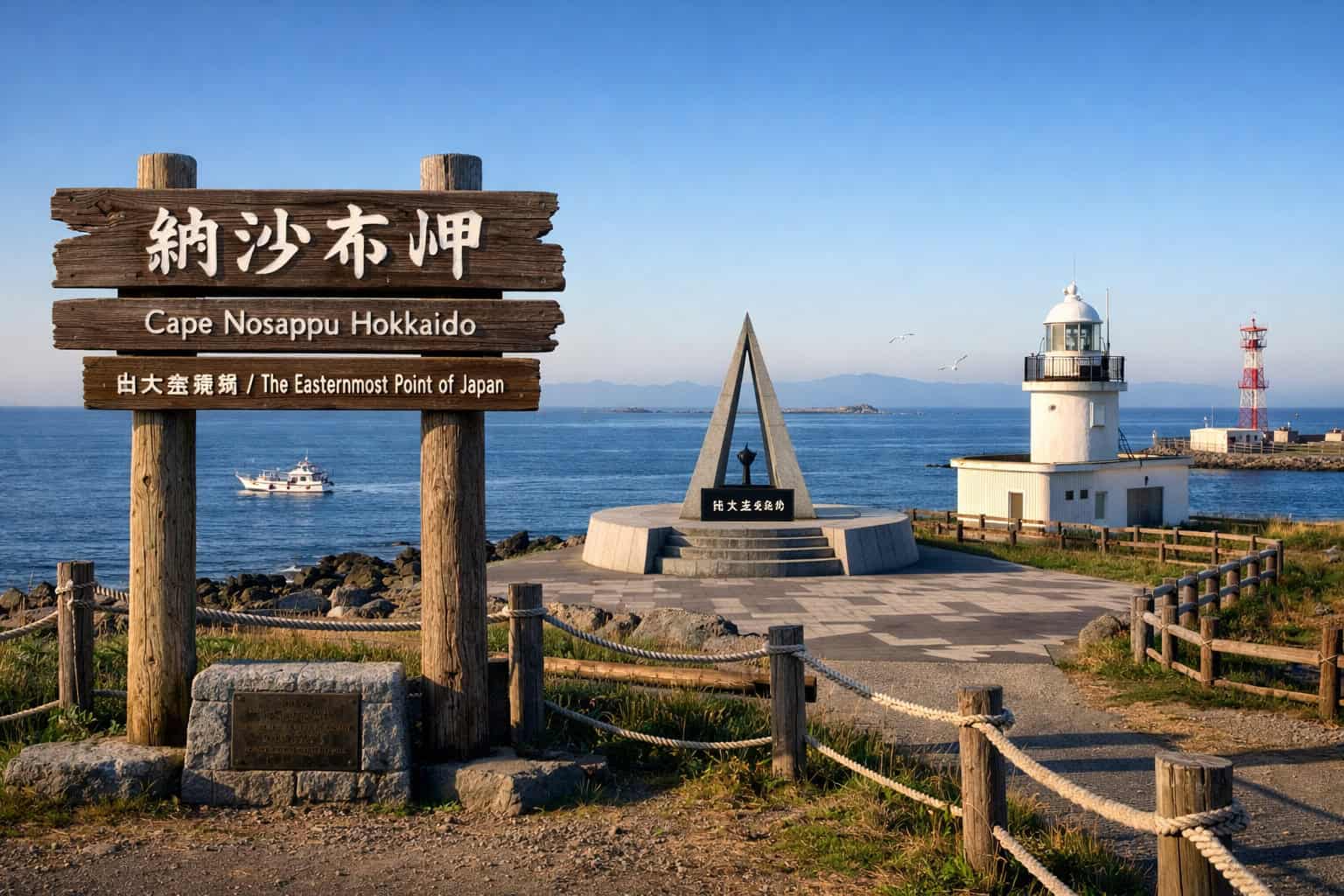
Cape Nosappu Hokkaido (Nosappu Misaki) is Japan’s easternmost edge of the mainland—an exposed point near Nemuro where the Pacific meets the Sea of Okhotsk.
People come for the “first sunrise” idea, but they remember the feeling: raw wind, huge sky, and the quiet weight of seeing the Northern Territories across the water.
You want a practical, no-fluff plan: what Cape Nosappu actually is, how to reach it from Nemuro, how long to stay, what you can see on clear days,
how to handle wind and visibility, and what nearby stops make this feel like a complete half-day—rather than a quick photo.
Quick Summary (Save This)
- Best for: edge-of-the-map travelers, lighthouse lovers, and big-sky solitude seekers.
- Time needed: 45–90 minutes for the cape; 3–4 hours with one museum + one warm meal in Nemuro.
- Must-know: wind is constant—bring a windproof shell even in warmer months.
- Clear-day bonus: you may spot islands linked to the Northern Territories issue across the sea.
- Big mistake: building the day around sunrise without checking visibility + transport first.
Quick Planning Snapshot
| Location | Nemuro, Eastern Hokkaido, Japan (Nosappu Misaki / Cape Nosappu) |
|---|---|
| Type | Coastal cape viewpoint + lighthouse park area |
| Opening Hours | Open year-round (outdoor site) |
| Admission | Free |
| Recommended Visit Time | 45–90 minutes (cape). Add 1–2 hours if you include a museum stop. |
| Best Time to Visit | April–October is generally easier for comfort; visibility matters more than season. |
| Nearest City | Nemuro |
| Official Tourism Info |
Practical reality: the cape is always “open,” but transport frequency and visibility are the real constraints. Plan around those.
Why Visit Cape Nosappu Hokkaido
Cape Nosappu is more than a scenic viewpoint. It’s a place charged with meaning—geographical, historical, and emotional.
Yes, it’s known for Japan’s earliest sunrise, but many travelers leave most moved by the cape’s quiet solitude and the unresolved Northern Territories history that sits in the landscape.
The openness invites reflection. The lighthouse stands as a stubborn symbol of endurance against wind, sea, and time.
- Japan’s easternmost mainland point and a “first sunrise” symbol
- Dramatic coastal scenery shaped by ocean wind
- Powerful historical context tied to the Northern Territories
- Peaceful, uncrowded alternative to major tourist sites
What It Feels Like (Real Visit Mood)
Arriving at Cape Nosappu is a sensory experience. The air carries salt, and the wind moves uninterrupted across open land toward the sea.
As the road narrows into the cape, the ocean stretches on both sides, amplifying the feeling of isolation and scale.
It’s not a “wow” in one second—it’s a slow, elemental mood that settles into your body.
Don’t rush to the most obvious angle. Walk slowly, let the wind tell you where it’s comfortable to stand, then shoot.
Your best photos here usually come from not fighting the weather.
Immersive Cultural Experiences (If You Want Meaning, Not Just a View)
Beyond natural beauty, Cape Nosappu holds deep cultural significance. The Northern Territories Museum and nearby memorial areas help contextualize the Kuril Islands dispute and its lasting impact on local communities.
This is the kind of context that changes your visit: suddenly the horizon isn’t just pretty—it’s complicated.
Even a quick 30–45 minute museum stop can be enough. It turns “I visited a cape” into “I understand why this place matters.”
Memorial areas are not a prop. Keep voices low and treat the space like a quiet museum room.
Seasonal Notes (What Changes Through the Year)
- Spring (early season): clear air and sharp light, but wind can still feel winter-like.
- Summer: easier logistics and longer days—still windy, but more forgiving.
- Autumn: dramatic skies and a quieter feel; layers become important again.
- Winter: stark, powerful, and for solitude seekers—services and transport can be limited.
How to Get There
Cape Nosappu is reached via Nemuro, the easternmost city in Hokkaido.
Trains connect to Nemuro Station (often via Kushiro), then you continue by local bus, taxi, or rental car.
The final stretch passes wetlands and coastal plains—on a good day, the landscape alone feels like part of the destination.
If you’re not driving, check bus times first and treat them like appointments. Missing one can mean a long wait.
Nearby Attractions & Local Eats (Nemuro Strategy)
Nemuro is a seafood town. After the cape, your best move is simple: warm up with a meal that tastes like the Pacific.
Rather than hunting one exact restaurant name (which can change), aim for a local spot clearly focused on seafood.
- Sushi or seafood bowls featuring local catch
- Sanma (Pacific saury) when in season
- A warm soup or hot drink as a wind reset
Essential Travel Tips (Wind-Smart)
A windproof shell beats thick layers here. Add a beanie and gloves if you’re doing early morning.
Early arrivals usually mean fewer people and easier framing. The cape looks best when it feels quiet.
Services and transport can be reduced. Build a backup plan (museum + meal) so the day doesn’t collapse if conditions turn.
A vs B: Sunrise Attempt vs Daylight Visit
| Choose based on… | Sunrise attempt | Daylight visit |
|---|---|---|
| Best for | Symbolic “first light” feeling, quietest mood | More reliable visibility, easier transport timing |
| Risk | Weather can erase the payoff | Slightly more people, less “ceremony” vibe |
| My verdict | Do it only with a visibility-friendly forecast + warm gear | Best default choice for most travelers |
FAQ
Is Cape Nosappu worth visiting if I don’t see sunrise?
Yes. Even outside sunrise hours, the landscape and the historical context can make the visit meaningful.
Can I see the disputed islands from Cape Nosappu?
On clear days, silhouettes of nearby islands may be visible across the sea—treat this as a bonus, not a guarantee.
How long should I stay?
Plan 45–90 minutes for the cape. Add time if you include a museum stop or wait for changing light.
Is Cape Nosappu suitable for families?
Yes, but supervise young children—wind and open terrain can be intense.
Do I need tickets?
The cape viewpoint is free. Any nearby museums have their own admission rules.
What should I wear?
Windproof outer layer, plus extra warmth for early/late hours. Bring gloves if you’re doing sunrise.
Is it accessible without a car?
Yes, via Nemuro buses/taxis, but schedules can be limited. Check transport first.
What’s the best pairing after the cape?
A short museum stop for context, then a warm seafood meal in Nemuro.
Related Official Resources
Next Step
Decide one thing first: sunrise attempt or daylight visit. Then build transport around that choice.
Dress for wind, pair the cape with a warm Nemuro stop, and this becomes a small day you’ll actually remember.