Cape Manzamo Okinawa Guide (2026): Elephant Cliff, Best Views, Access, and What It Actually Feels Like
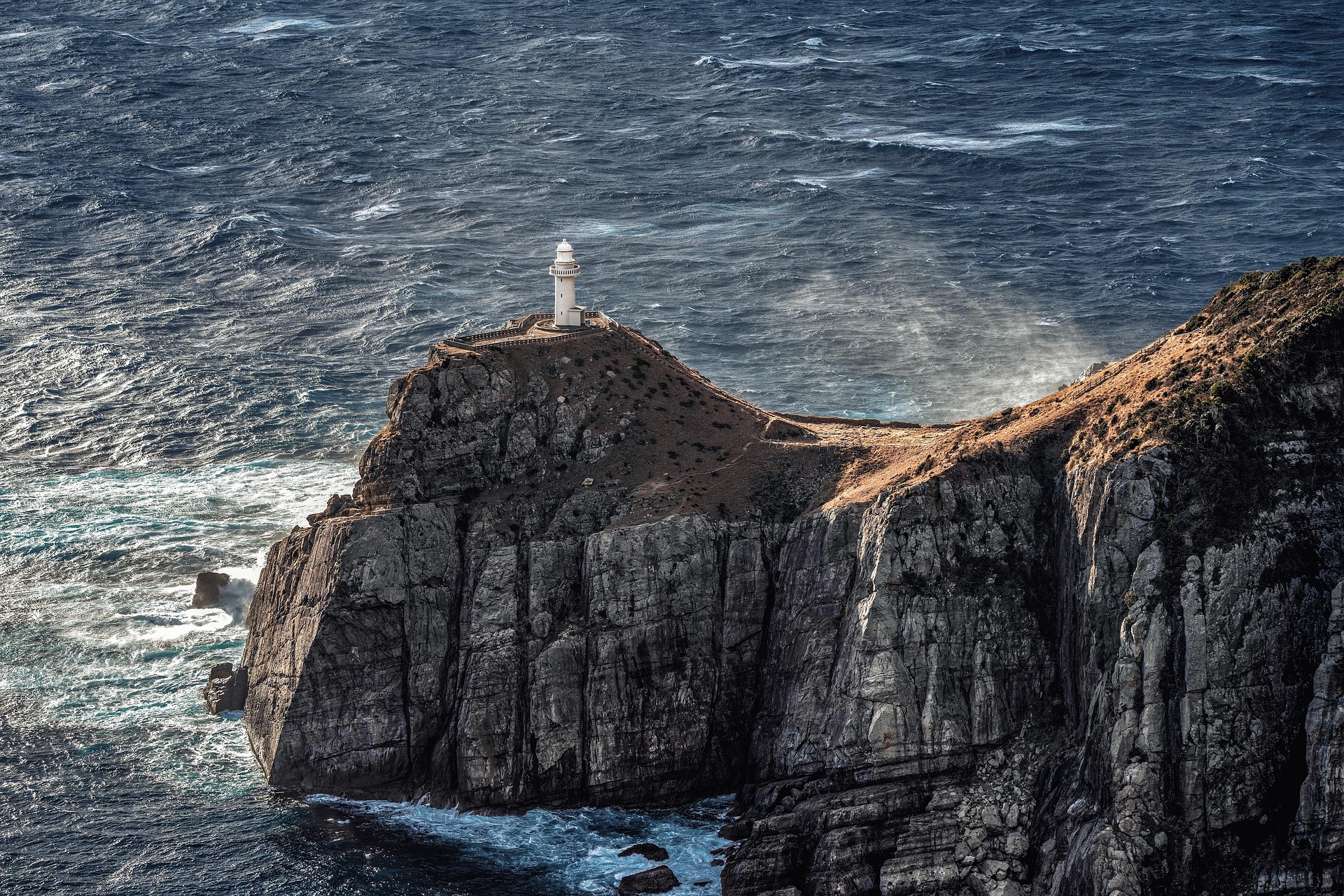
Cape Manzamo Okinawa is one of the most iconic coastal viewpoints on Okinawa’s west coast, where a dramatic limestone cliff rises above the East China Sea and forms the famous elephant-trunk silhouette that appears in so many Okinawa photos. It is scenic, yes, but the place feels bigger than a quick photo stop. The wind is stronger, the drop is sharper, and the ocean horizon feels wider than most travelers expect.
What makes Cape Manzamo memorable is not just the shape of the cliff. It is the combination of easy access, open sea views, Ryukyu history, and that strange emotional contrast between a well-known tourist stop and a landscape that still feels raw. You can get here without a difficult hike, but once you stand near the edge, it does not feel small or casual.
I think this is one of the best short stops in Okinawa for travelers who want a dramatic nature experience without committing half a day. If your itinerary is tight but you still want one coastal place that feels unmistakably Okinawan, Cape Manzamo is a very smart choice.
Search Intent
This guide is for travelers planning an Okinawa itinerary who want to know whether Cape Manzamo is worth visiting, what it actually feels like on site, how much time to spend, when to go for the best light, how to get there from Naha, and what nearby stops pair well with it.
Quick Summary
- Cape Manzamo is famous for its elephant-trunk-shaped limestone cliff and west-coast ocean views.
- It is one of the easiest scenic stops in Okinawa, with a short walking route rather than a serious hike.
- Sunset is the classic time to visit, but early morning feels calmer and more reflective.
- The official site currently lists 100 yen admission for the viewing area, with preschool children free.
- The cliff itself is dramatic, but the wind and sun can be harsher than first-time visitors expect.
- It works especially well with an Onna coast driving route, Ryukyu Village, or nearby resort-area stops.
- If you want a short, high-impact Okinawa nature stop, this is one of the safest picks on the island.
What It Feels Like at Cape Manzamo
The first surprise is the wind. On a screen, Cape Manzamo looks like a clean scenic overlook. In person, it feels far more physical. I remember expecting a simple coastal viewpoint and instead getting hit by that unmistakable Okinawa sea wind the closer I walked to the cliff path.
Then the landscape opens. The water stretches out in thick bands of blue, and the cliff edge feels sharper than photos suggest. The elephant-shaped rock is easy to recognize, but what stayed with me more was the scale of the empty horizon. There is something strangely quiet about it even when other visitors are around.
One mistake people make is treating this as a 10-minute stop with one photo angle. You can do that, but you lose the atmosphere. Slow down a little, walk the path, let the light change, and the place becomes much more memorable.
Why Visit Cape Manzamo
Cape Manzamo works because it gives you immediate visual payoff without demanding much physical effort. Some of Okinawa’s best landscapes require longer drives, beach time, or activity planning. Cape Manzamo is different. It is one of those places where you step out, walk a manageable route, and quickly understand why it became such a signature landmark.
- Dramatic limestone cliffs above the East China Sea
- The famous elephant-trunk rock silhouette
- A strong sense of open sky, wind, and coastal scale
- Easy inclusion in a west-coast Okinawa driving route
- Historical and cultural context tied to the Ryukyu Kingdom
Key Visitor Information
| Location | Onna Village, Okinawa Main Island, Japan |
|---|---|
| Best known for | Elephant-shaped cliff, ocean panorama, sunset viewpoint |
| Cliff height | About 20 meters |
| Admission | 100 yen for the viewing area; preschool children free |
| Opening | Open year-round; viewing generally until sunset |
| Recommended visit time | 1 to 2 hours |
| Best time to visit | Late afternoon for warm light, or early morning for fewer crowds |
| Parking | Parking and tourist facility area available near the entrance |
| Accessibility | Short paved route, but some outdoor exposure and uneven feel near viewing areas |
History, Name Meaning, and Ryukyu Identity
Cape Manzamo is not just a scenic outcrop with a lucky shape. Its name is usually traced to the Ryukyu king Sho Kei, who is said to have admired the grassy plateau and described it as large enough for ten thousand people to sit. That origin story matters because it immediately gives the site cultural weight beyond its photo value.
You feel that difference when you visit. The site is simple, but it does not feel disposable. Okinawa has many beautiful coastal views, yet Cape Manzamo carries a kind of historical recognition that turns it into a landmark rather than just another lookout.
For travelers trying to understand Okinawa beyond beaches and resorts, this is one of those places where the land itself quietly explains part of the island’s identity.
Highlights and Scenic Views
The signature view is obvious: the elephant-trunk-shaped limestone cliff against the sea. But Cape Manzamo becomes more interesting when you look past the headline formation. The real beauty is in the contrast between rough stone, bright grass, and shifting water color.
At midday, the sea can look bright and almost tropical. Closer to sunset, the cliff feels warmer and heavier, and the water deepens into darker blues. On cloudy days, the view can become moodier and more dramatic rather than less beautiful.
I would not call Cape Manzamo a place for long exploration, but I would call it a place where five extra minutes genuinely improve the experience. Walk slowly, pause at different angles, and let the horizon do some of the work.
Seasonal Highlights
- Spring: Pleasant temperatures and clearer walking conditions make this one of the easiest seasons for a relaxed visit.
- Summer: Intense blue water and strong sunshine create the classic Okinawa postcard look, but the heat and glare can be tiring.
- Autumn: Softer light and slightly calmer atmosphere often make this the most comfortable season for photography.
- Winter: Wind can be stronger and the mood more dramatic, which some travelers may actually prefer for the coastal atmosphere.
Practical Travel Tips and Mistakes to Avoid
- Bring water and sun protection. The site is open and exposed, with very little natural shade.
- Expect more wind than you think. I would not trust a loose hat or a casual phone grip near the edge.
- Do not schedule this as your only sunset plan if the weather is uncertain. It is beautiful, but coastal conditions change quickly.
- Wear shoes with decent grip. It is not a hike, but it is still an outdoor clifftop environment.
- Give it at least 45 minutes even on a tight schedule. Rushing makes the stop feel flatter than it should.
Tip: Early morning is underrated here. You lose the classic sunset glow, but you gain quieter paths, gentler pacing, and a more reflective atmosphere.
Warning: This is a scenic cliff, not a casual open field. Stay behind barriers and take the wind seriously, especially if you are visiting with children.
How to Get to Cape Manzamo
From Naha, the easiest approach is by rental car. Most travelers drive north using the Okinawa Expressway and then continue toward Onna Village. In practical terms, this is what makes Cape Manzamo so useful. It feels dramatic once you arrive, but reaching it is relatively straightforward.
Public transport is possible, though slower and less flexible. If you are building a west-coast sightseeing day with multiple stops, driving is by far the most efficient option.
My honest take is simple: if you are already renting a car in Okinawa, Cape Manzamo is very easy to justify. If you are fully dependent on buses, it becomes more of a deliberate outing than a casual stop.
Nearby Attractions Worth Combining
Ryukyu Village works well if you want to pair coastal scenery with a more cultural stop focused on architecture, performances, and Ryukyu atmosphere.
Maeda Point is the better choice if you want something more active, especially snorkeling or diving-oriented experiences.
Onna Coast resort area also makes sense for a slower itinerary with cafés, ocean views, and a scenic driving rhythm instead of a checklist day.
Cape Manzamo vs Okinawa Beach Stops
| Place Type | Best For | Time Needed | Overall Feel |
|---|---|---|---|
| Cape Manzamo | Cliff views, photography, short scenic stop | 1–2 hours | Dramatic, exposed, atmospheric |
| Okinawa swimming beaches | Relaxing, swimming, longer stay | Half day or more | Leisure-focused, softer pace |
If you want a clifftop landmark with quick impact, Cape Manzamo wins easily. If you want beach time and lingering by the water, another west-coast stop may suit you better.
Who Should Visit Cape Manzamo
- First-time Okinawa visitors who want a classic scenic stop
- Travelers with a rental car doing a west-coast route
- People who enjoy dramatic landscapes more than beach lounging
- Photographers chasing cliff silhouettes and sunset light
- Visitors who want Okinawa scenery without committing to a hike or full activity block
Frequently Asked Questions
Is Cape Manzamo free to visit?
The official site currently lists a 100-yen viewing fee, with preschool children free.
How long should I spend at Cape Manzamo?
Most travelers are comfortable with 1 to 2 hours, depending on lighting, photos, and whether they combine it with nearby stops.
Is sunset the best time to visit?
Sunset is the classic choice, but early morning is quieter and often more relaxing if you dislike crowds.
Is Cape Manzamo suitable for families?
Yes, but children should be watched carefully because this is an exposed clifftop environment with strong wind.
Do I need a rental car?
Not strictly, but a rental car makes the visit much easier and turns Cape Manzamo into a convenient stop rather than a transport-heavy outing.
Is Cape Manzamo better than a beach stop?
It depends on your goal. Cape Manzamo is better for dramatic views and short scenic impact, while beaches are better for relaxation and time by the water.
Related Trip Nexus Guides
Official Links
Google Map
Final Thoughts
Cape Manzamo Okinawa is popular for a reason, but the place works best when you give it slightly more attention than a checklist stop. The cliff is famous, the view is easy to access, and the history gives the site more depth than many scenic overlooks.
What stays with me most is not even the elephant shape. It is the exposed feeling of standing above the sea with wind, stone, and open horizon doing all the talking.
Next step: if you are planning a west-coast Okinawa day, Cape Manzamo pairs especially well with a resort-area drive, Ryukyu Village, or another sunset-focused stop nearby.