Alberobello Trulli Puglia Guide: Best Areas, Hidden History, and Smart Visiting Strategy
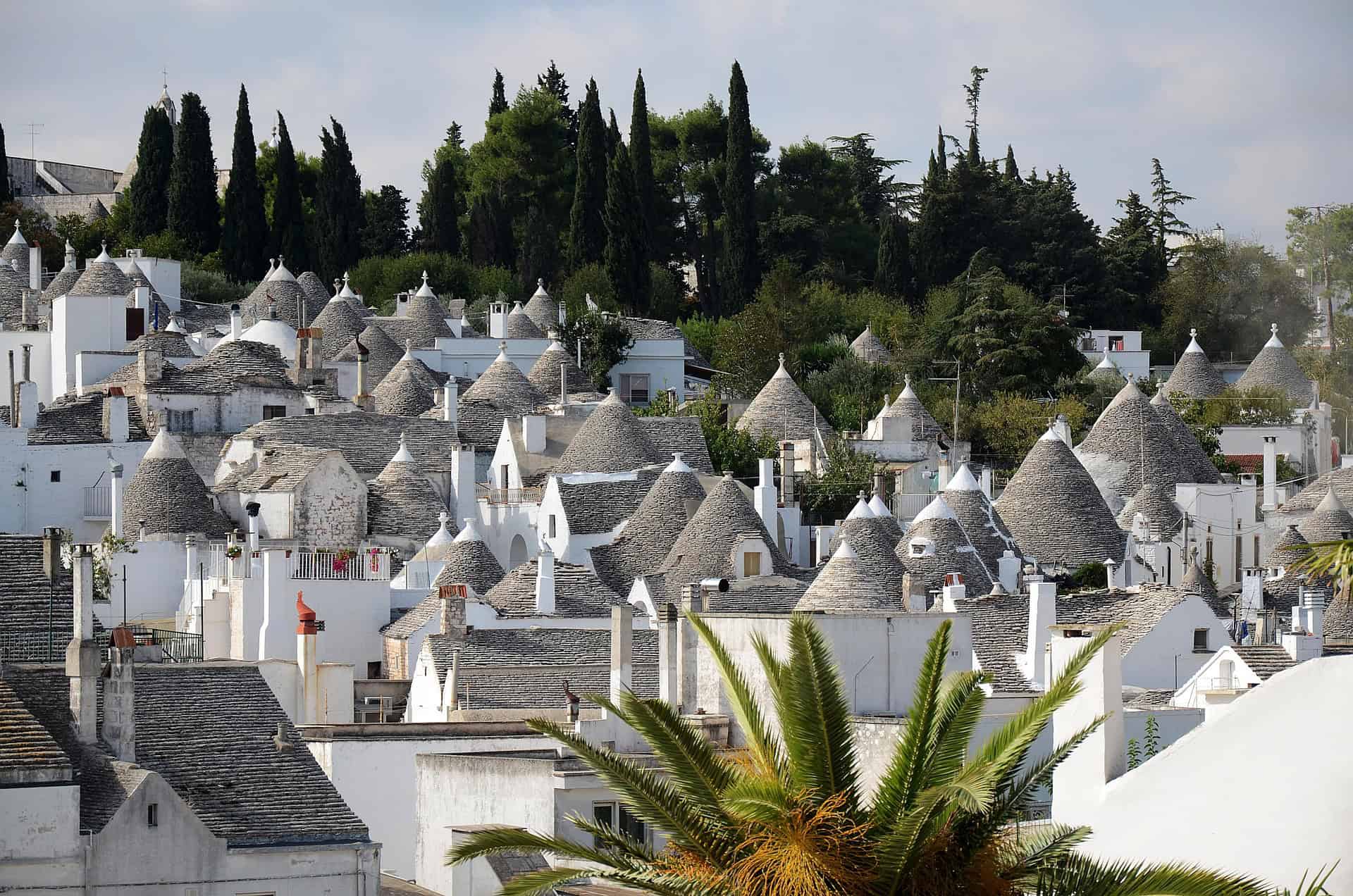
In the heart of Puglia, where sunlight dances upon silver olive groves, lies Alberobello Trulli Puglia—a village that feels like it was grown from the earth rather than built. With its iconic whitewashed stone houses and conical roofs, this UNESCO World Heritage site is more than just a photo op; it’s a living testament to Italian ingenuity and survival.
What This Strategic Guide Covers
- The real history of “Keystone Tax Evasion” that built this village.
- Rione Monti vs. Aia Piccola: Which district is worth your time?
- Practical logistics: How to get from Bari to Alberobello without stress.
- Insider tips on avoiding the “slippery stone” traps and the 10 AM tourist surge.
- How to spot the mysterious Pagan and Christian symbols on the Trulli roofs.
Quick Take
1. Alberobello Trulli Puglia is best visited at dawn (before 8:30 AM) to experience the silence.
2. The Aia Piccola district offers a much more authentic, residential feel than Rione Monti.
3. Most Trulli are free to enter; look for signs saying “Ingresso Libero” (Free Entry).
4. Wear shoes with extreme grip; the centuries-old limestone is as slippery as ice.
5. Plan for a 4-6 hour stay if you are a day-tripper, or 1 night for a magical evening atmosphere.
The Magic and The Reality
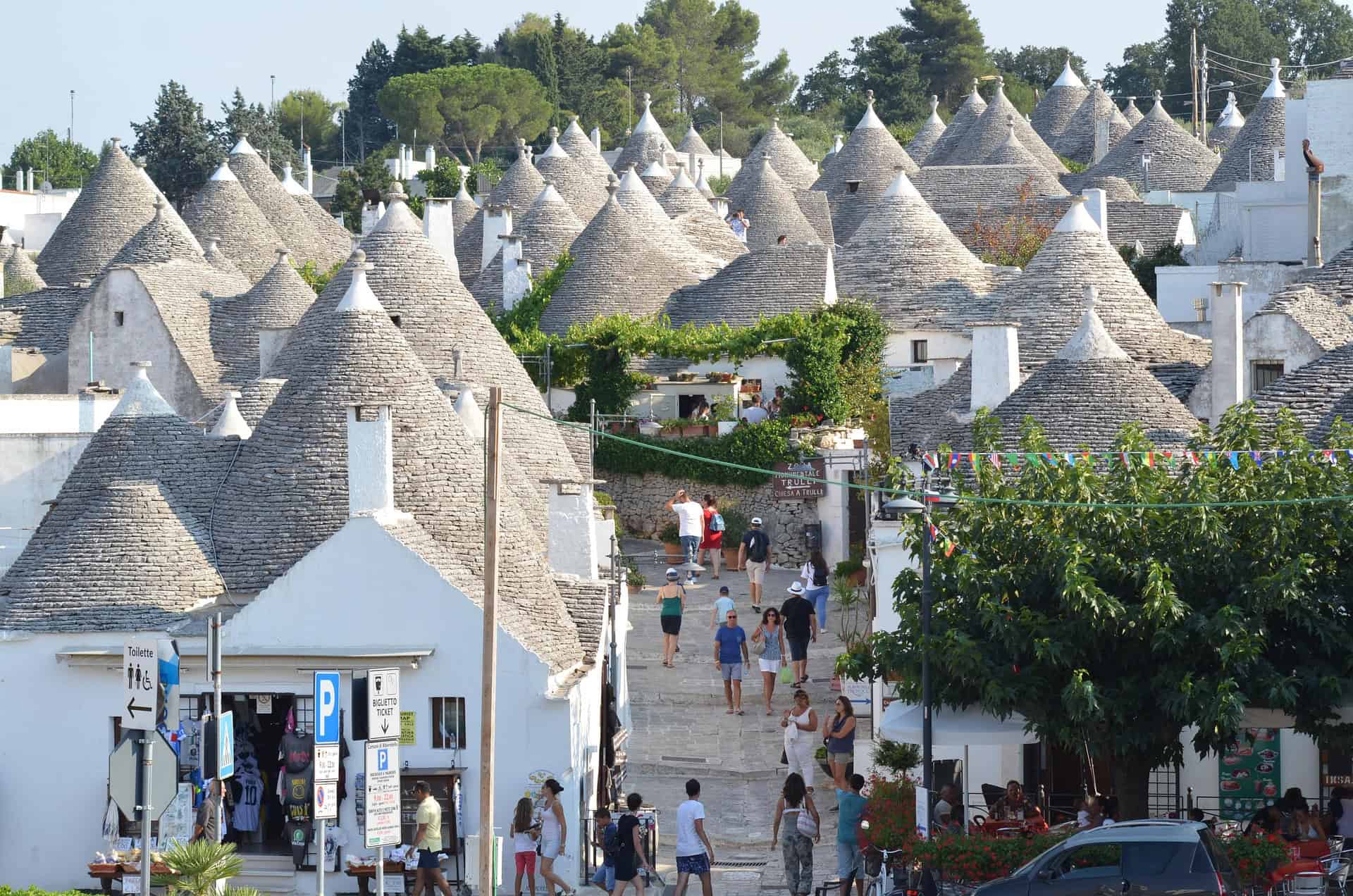
When I first stepped into the Rione Monti district at 7:00 AM, the air was sharp and smelled of damp limestone and espresso. There is a specific rhythm here that you miss if you arrive with the mid-day tour buses. Alberobello Trulli Puglia is a place where every narrow alleyway hides a story of resilience.
I noticed that many articles use words like “breathtaking” or “magical,” but the real beauty is in the grit. These aren’t just cute houses; they were a desperate and brilliant solution to avoid royal taxes. Walking through the village, you aren’t just seeing architecture; you are seeing a 14th-century survival strategy frozen in time.
This guide is built for the traveler who wants the “Human Touch”—the sensory details of the rough stone walls, the taste of warm focaccia in a quiet piazza, and the tactical knowledge to navigate the crowds.
The Architecture of Cunning: Why Trulli Exist
The story of Alberobello Trulli Puglia is fundamentally a story of tax evasion. In the 14th century, the local Count of Conversano wanted to build a settlement without paying property taxes to the King of Naples. His solution? He ordered the peasants to build their homes without mortar.
If a royal inspector was spotted on the horizon, the residents would pull a single “keystone” from the conical roof, and the house would collapse into a pile of rocks. No house, no tax. Once the inspector left, they’d stack the stones back up. This history of “impermanence” created the most permanent and unique urban landscape in Italy.
Key Visitor Information
| Feature | Strategic Details |
|---|---|
| UNESCO Status | World Heritage Site since 1996 |
| Peak Crowd Hours | 10:30 AM – 3:30 PM (Avoid these if possible) |
| Train Access | Bari Centrale via FSE line (~90 mins) |
| Walking Difficulty | Moderate (Hilly and very slippery surfaces) |
| Best Visit Months | May-June or September-October |
Where to Spend Your Time: Rione Monti vs. Aia Piccola
Alberobello is divided into two distinct zones. Making the wrong choice can change your entire impression of the town.
Option A: Rione Monti
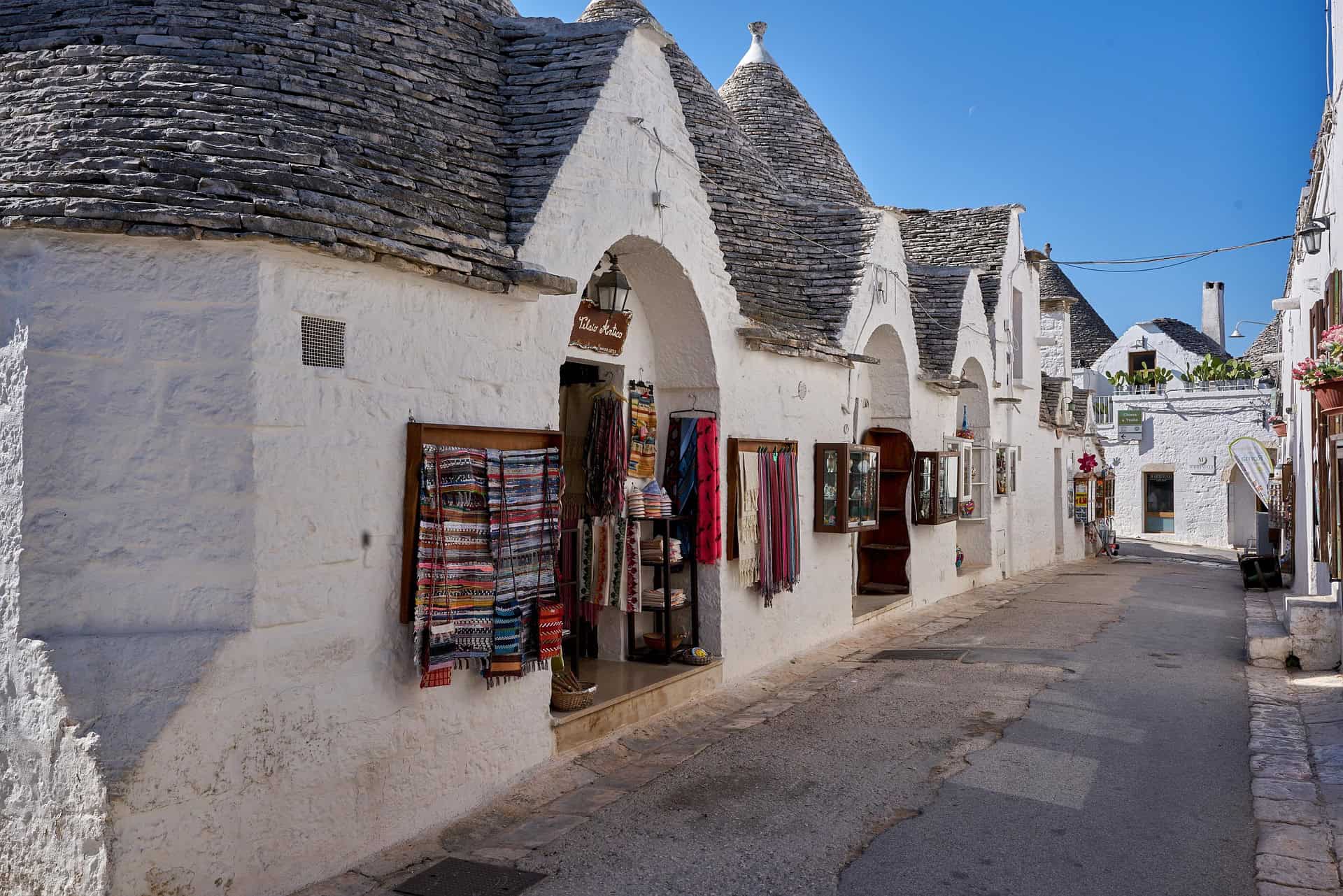
The “Tourist” zone. Over 1,000 Trulli cascading down the hill. This is where you find the shops, cafes, and the Trullo Church.
- Best For: Photography, souvenirs, and panoramic views.
- Feel: High energy, busy, commercialized.
Option B: Aia Piccola
The “Authentic” zone. About 400 Trulli where people still live. No shops are allowed here, keeping it quiet and real.
- Best For: Quiet walks, seeing local life, “slow” travel.
- Feel: Silent, residential, ancient.
My recommendation: Do Rione Monti for exactly 45 minutes at dawn, then spend the rest of your morning in Aia Piccola. One mistake many visitors make is spending 100% of their time in the shops of Rione Monti.
⚠️ Travel Tip: The “Slippery Stone” Warning
The limestone pavement in Alberobello Trulli Puglia has been polished by millions of feet over decades. It is deceptively smooth. Even on a dry day, I saw a traveler take a nasty spill because they were wearing flip-flops. Wear sneakers with a rubber sole. If it rains, walk with extreme caution; the streets basically become an ice rink.
The Secrets Painted on the Roofs
As you look up, you’ll notice white symbols painted on the gray stone cones. These aren’t just for decoration—they are a mix of Pagan, Christian, and astrological symbols meant to protect the household from the “evil eye.”
- The Sun: Represents the Christ (Christian symbol).
- The Pierced Heart: Represents the Virgin Mary.
- Primitive Symbols: Pagan circles and crosses meant to bring good luck and fertility.
Insider Hack: Head to the Belvedere Santa Lucia (lookout) for the best perspective to photograph these symbols from above.
What to Eat: Puglian Flavors
You cannot leave Alberobello without tasting the local pasta, Orecchiette (little ears). In a family-run trattoria, I watched an elderly woman make these by hand with just a knife and a bit of dough. It was mesmerizing.
- Must Try: Orecchiette con cime di rapa (with broccoli rabe).
- The Cheese: Fresh Burrata or Stracciatella. It’s so creamy it almost feels like a dessert.
- Street Food: Pasqualino sandwich (Tuna, capers, salami, and cheese)—a local specialty.
Frequently Asked Questions
Is one day enough to see Alberobello?
Yes, 4-6 hours is usually sufficient for most travelers. However, staying overnight allows you to see the town illuminated and empty of crowds, which is a completely different experience.
Can you stay inside a Trullo?
Absolutely! Many Trulli have been converted into boutique hotels and Airbnbs. It’s cool in the summer and cozy in the winter due to the thick stone walls.
How do I get there from Bari?
Take the FSE (Ferrovie del Sud Est) train from Bari Centrale. The journey takes about 1.5 to 2 hours. Note: On Sundays, trains are often replaced by buses, so check the Trenitalia app beforehand.
Is it a tourist trap?
Rione Monti can feel that way during peak hours, but the town is a genuine UNESCO site with deep history. By exploring Aia Piccola and learning the tax-evasion backstory, you avoid the “trap” feel.
Google Map: Strategic Locations
Continue Your Puglia Journey
Official Resources
Final Verdict
Alberobello Trulli Puglia is not just a destination; it is a fairytale built on wit and survival. By choosing the right time to visit and respecting the quiet streets of Aia Piccola, you will experience the soul of Puglia that most travelers miss. Don’t just take the photo—feel the rough limestone, taste the local dough, and listen to the stories whispered by the gray cones.
Next, head to the nearby Locorotondo for a quieter, white-washed contrast to the Trulli architecture.