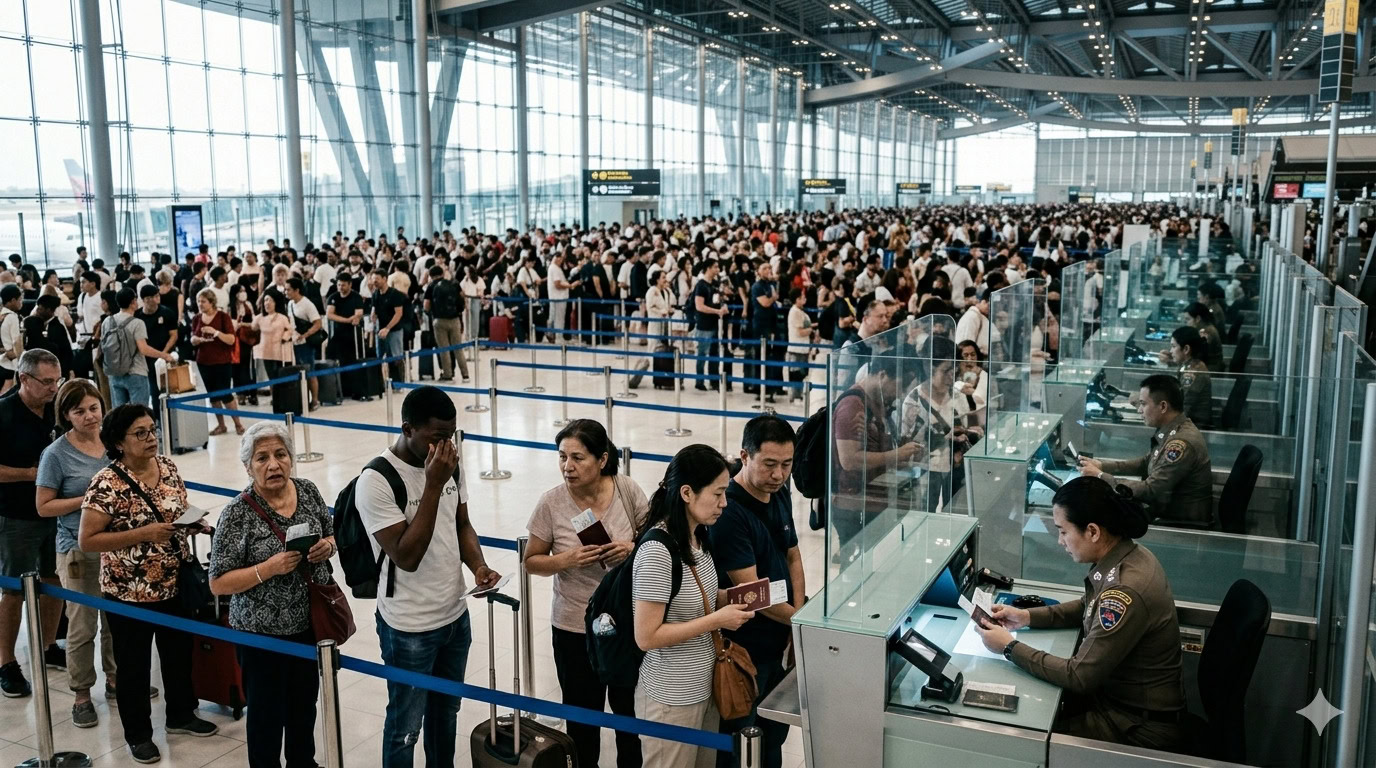
Immigration questions feel simple on paper, but they hit differently when you are tired, jet-lagged, and standing under fluorescent airport lights with a passport in your hand. This guide shows you what officers usually ask, how to answer clearly without overexplaining, what documents help most, and how to avoid the little mistakes that turn a 60-second check into a stressful delay.
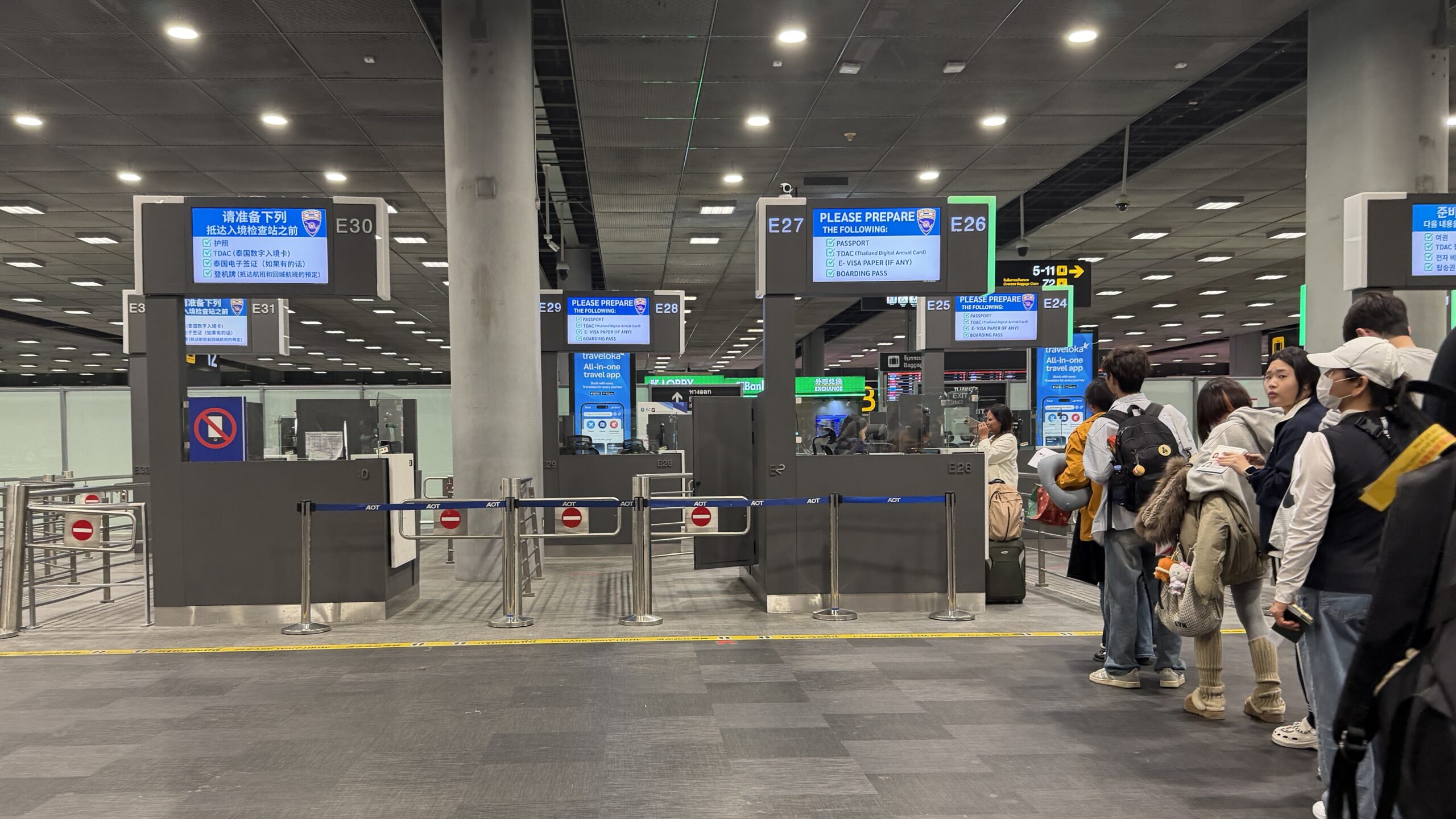
Why Immigration Feels More Stressful Than It Looks
Let’s be honest: even travelers who have done nothing wrong often feel nervous in the immigration line. The room is quiet in a strange way, everyone is moving in short bursts, and your brain suddenly becomes aware of every tiny detail: your passport, your hotel booking, your arrival card, even the tone of your own voice.
What makes immigration stressful is not that the questions are complicated. Most of them are actually very simple. The pressure comes from knowing that your answers matter, that the officer is checking whether your story makes sense, and that you usually have only a few seconds to sound organized.
The good news is that border interviews usually get easier when you stop trying to sound impressive and focus on sounding clear. Immigration is not a job interview. It is closer to a document check with a short consistency test attached to it.
What It Feels Like at the Desk
The moment you step up to the counter, everything suddenly feels louder and smaller at the same time. You hear the stamp, the scanner, the officer’s voice, and your own heartbeat a little more than usual. That is normal.
What helps most is reducing movement and friction. Passport out. Phone away. Hotel address easy to access. Answers ready in your head before the first question arrives. I have found that the less I fumble, the less the interaction feels like an “interview” and the more it feels like a routine border check.
The Reality: The Officer Is Checking Consistency, Not Personality
A lot of travelers waste energy trying to “act normal.” That usually backfires. Officers are not grading your charm. They are checking whether your documents, purpose of travel, and spoken answers line up.
When I think about a smooth immigration interaction, I focus on three very boring things:
- Phone away: do not walk up to the counter distracted or scrolling.
- Face visible: sunglasses off, hat adjusted, headphones out.
- Answers compact: respond to the question asked, then stop.
Calm beats cleverness here. The fastest travelers are usually the ones who sound the least dramatic.
The Questions They Actually Ask
Different countries use different systems and different wording, but the core questions are surprisingly similar. The safest approach is not to memorize a performance. It is to be ready with short, factual answers that match your paperwork.
| What They Ask | Best Type of Answer | What to Avoid |
|---|---|---|
| “Why are you here?” | “Tourism.” / “Vacation.” / “Visiting family.” | Long stories, vague side plans, mixed purposes. |
| “How long are you staying?” | A specific number: “10 days.” | “About a week,” “not sure,” or anything that conflicts with your booking. |
| “Where are you staying?” | Hotel name, district, or host address. | Searching email in panic or giving incomplete details. |
| “What do you do?” | Simple job title or short description. | Complicated explanation that sounds unrelated or improvised. |
| “Do you have a return or onward ticket?” | “Yes, flying out on the 15th.” | “I still need to book it,” unless that is explicitly allowed and documented. |
A vs B: Strong Answer vs Weak Answer
| Strong | Weak |
| “Tourism. Ten days. Staying at the Hilton Downtown.” | “Uh… mostly tourism, maybe visiting a friend too, not sure exactly.” |
| “Yes, I have a return ticket on the 15th.” | “I think so. Let me check my email.” |
| Specific and boring. | Vague, chatty, and inconsistent. |
My “3-Document” Safety Net
Technology fails at the worst possible time. Batteries die. Airport Wi-Fi is unreliable. Screenshots disappear into the wrong folder. That is why I like having three basics easy to access, either printed or saved offline.
- 1. First-night booking: enough to show where you are going right away.
- 2. Return or onward plan: often the most reassuring document if the officer wants proof you are leaving.
- 3. Optional funds proof: useful for stricter destinations or when your trip length may raise questions.
You do not need to wave documents around dramatically. You just need them ready if asked.
If You Get Pulled Aside
Don’t panic.
Secondary inspection sounds dramatic, but it does not automatically mean you are in serious trouble. Sometimes it is random, sometimes a document needs a closer look, and sometimes the officer just wants another layer of confirmation.
The best move is boring: sit down, answer what is asked, keep your tone steady, and do not try to “lighten the mood” with jokes. This is one of those moments where calm restraint helps more than personality.
Traps Travelers Fall Into
- The “work” slip-up: if you are entering as a visitor, do not casually describe your trip in a way that sounds like undeclared work activity.
- The “friend” problem: staying with a friend is fine in many cases, but it often leads to follow-up questions unless you know the full address and details.
- Over-sharing: a short answer is usually better than trying to impress the officer with your full travel story.
- Mismatch with paperwork: saying “one week” when your booking shows ten nights is an unnecessary self-own.
- Phone chaos: searching your inbox under pressure makes everything feel more suspicious than it needs to.
Quick FAQ
What if I don’t speak English well?
Simple answers and clear documents help a lot. If you have your hotel confirmation and return details ready, paperwork can support you when words feel limited.
Can I use my phone while waiting?
Policies vary by airport and officer, but it is generally smarter to put it away as you approach the counter and focus on the interaction.
How much cash can I bring?
Cash declaration rules vary by country, so do not rely on one generic number. Check the destination’s customs guidance before travel.
What is the single best answer style?
Short, truthful, and specific. Not robotic, just clean.
Internal Links
Official / Authoritative Resources
Final Note
Immigration is intense mostly because it is short. The whole interaction often lasts only a minute or two, which is why preparation matters so much. If your documents are ready and your answers are consistent, the process usually feels much smaller than the anxiety leading up to it.
Want to know what happens right after the stamp? Read the full Airport Immigration Process Guide here →