Eiffel Tower Paris Guide: Best Time to Visit, Ticket Strategy, and How to Do It Right
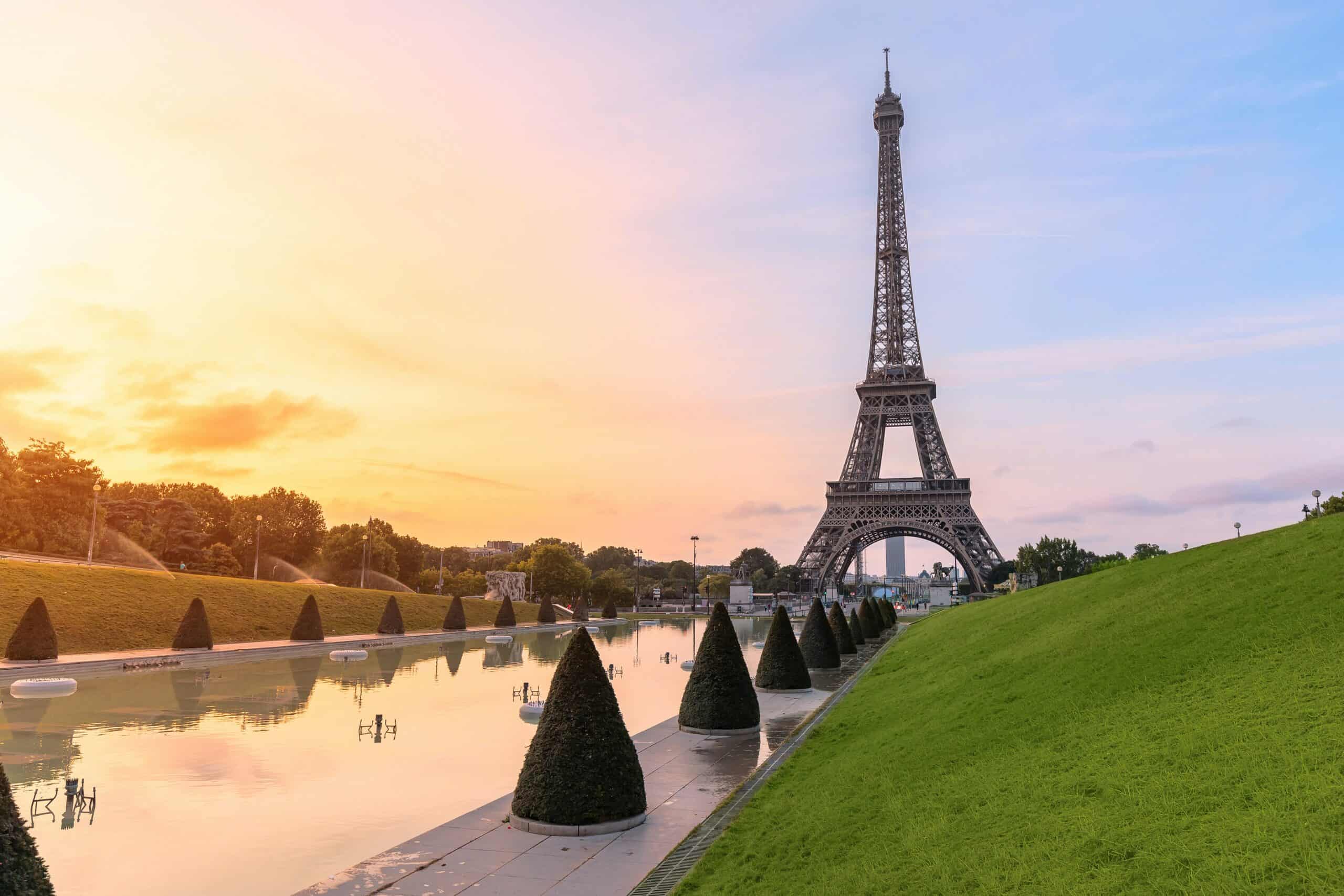
Eiffel Tower Paris is one of those places that can feel almost too famous before you arrive, and yet somehow it still delivers, much like the Leaning Tower of Pisa. The moment you see the iron structure rising over the Champ de Mars, the monument stops feeling like a postcard image and starts feeling personal. It is bigger, more theatrical, and more emotionally charged in real life than many first-time visitors expect.
I think that is why the Eiffel Tower keeps working even for repeat visitors. It is not only about checking off a landmark. It is about the whole rhythm of the experience: the approach from the gardens, the shifting view as you ascend, the wind higher up, the layered Paris skyline, and the glow of the tower once daylight fades. Even if you already know what it looks like, standing beneath it still feels different from simply recognizing it.
This guide is designed to help you visit the Eiffel Tower with far more clarity than a typical surface-level article. You will find the history that matters, what each level is actually like, ticket strategy, the best time to go, what to expect at the summit, practical mistakes to avoid, nearby food and walks, and how to turn a crowded landmark into one of the most memorable experiences in Paris, at Montparnasse Tower.
Quick Summary
- The Eiffel Tower is best visited with advance planning, especially for summit access.
- Each level feels different, so the experience is more layered than just “the view from the top.”
- Morning and late-evening visits usually work best for crowd control and atmosphere.
- The tower is worth visiting even if you skip the summit, but the route should match your energy and budget.
- Pairing the tower with Trocadéro, the Seine, Rue Cler, or Les Invalides makes the day much stronger.
Search Intent
This guide is for travelers searching for the best way to visit the Eiffel Tower in Paris, including tickets, opening times, summit views, the best level to choose, when to go, practical tips, and how to build the visit into a memorable Paris itinerary.
Why the Eiffel Tower Still Feels Special
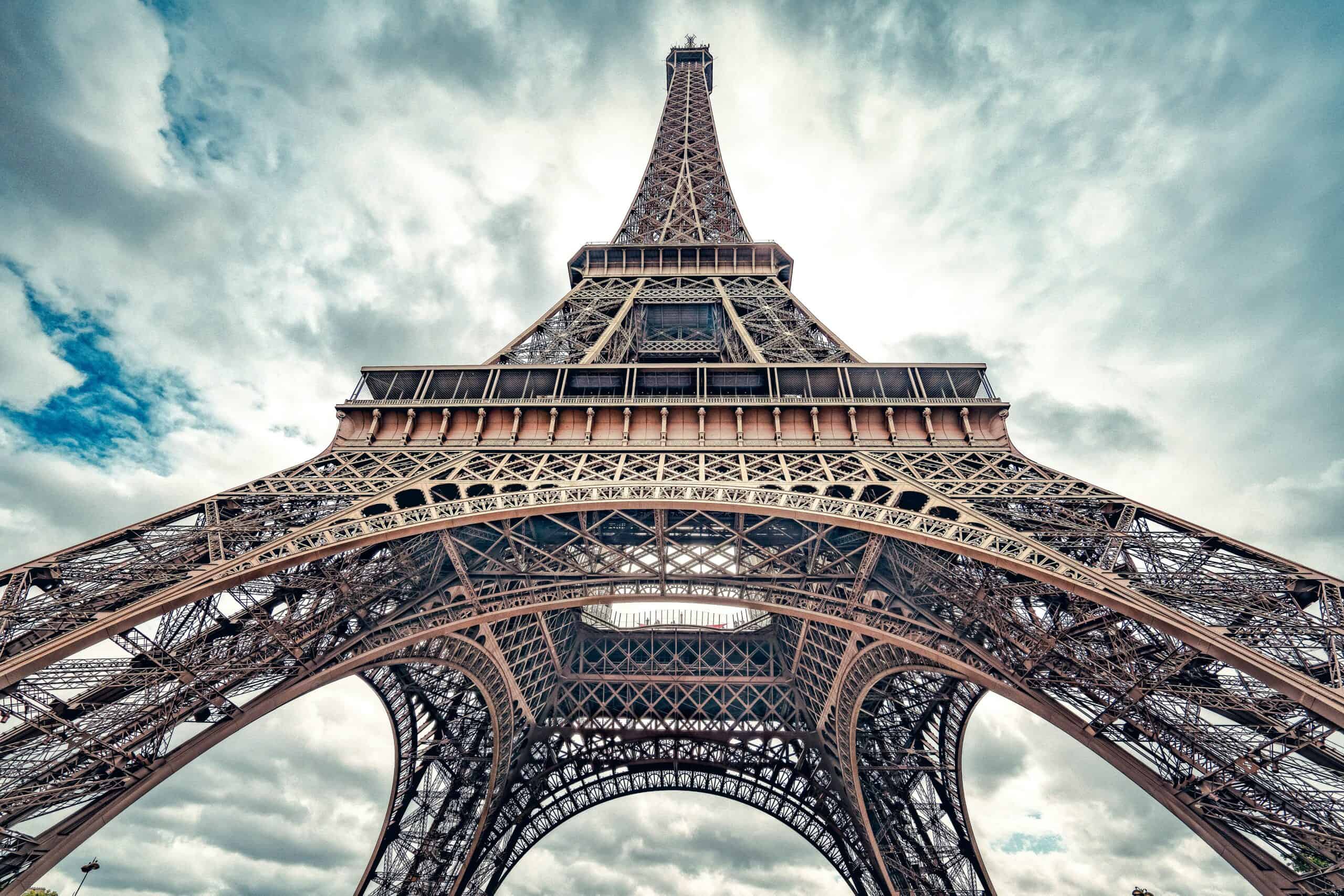
There are famous landmarks that become less impressive the more you see them in photos, and then there are places like the Eiffel Tower that somehow resist that effect. Part of it is scale. Photos flatten it. From ground level, the iron lattice feels much more dramatic, and the legs of the structure create a kind of architectural theater around you. It is not just tall. It is alive with angle, movement, and tension.
Another part is what the tower represents. It carries romance, engineering ambition, Parisian identity, and historic controversy all at once. That layered meaning is what gives the monument staying power. You are not simply going up a tower. You are stepping into a piece of world culture that still shapes how people imagine Paris itself.
On my first serious visit, I expected the view to be the main reward. It was great, of course, but what surprised me was how much the ascent itself mattered. Watching Paris open slowly floor by floor made the experience feel earned. That progression is why I usually think the Eiffel Tower works best when you do not rush it.
Key Visitor Information for the Eiffel Tower
| Official Opening Hours | Hours vary by season and works schedule, so always check the official timetable before visiting. |
| Ticket Range | Adult prices currently range roughly from €14.80 to €36.70 depending on stairs vs. lift and second floor vs. summit access. |
| Address | Champ de Mars, 5 Avenue Anatole France, 75007 Paris, France |
| Official Website | toureiffel.paris |
| Best Time to Visit | Early morning for lighter crowds, or late afternoon into evening for atmosphere and lighting |
| Summit Height for Visitors | 276 meters above ground |
| Advance Booking | Strongly recommended, especially for summit tickets and high season visits |
| Best Nearby Viewpoint | Trocadéro for classic tower views and photo angles |
History of the Eiffel Tower: More Controversial Than Most Visitors Realize
The Eiffel Tower was created for the 1889 Exposition Universelle, the World’s Fair held in Paris to mark the centenary of the French Revolution. The plan for a 300-meter tower was radical for its time, and many critics saw it as a visual intrusion rather than a triumph. Well-known artists and intellectuals objected to it, and for a while the project seemed more provocative than beloved.
That tension is part of what makes the tower so interesting today. It was never a simple, universally adored monument from the start. It was a gamble. Construction began in 1887, and the tower was completed in a remarkably short period of just over two years. The build involved more than 18,000 metallic parts and roughly 2.5 million rivets, making it one of the era’s most extraordinary engineering achievements.
The original expectation was that the tower would stand for only 20 years. What saved it was usefulness. It proved valuable for scientific experiments and communications, and over time it transformed from a temporary fair structure into the defining icon of Paris. That shift from contested project to beloved symbol is one of the reasons the Eiffel Tower still feels modern: it represents innovation surviving public doubt.
What It Feels Like in Real Life
The Eiffel Tower can feel strangely emotional for a structure made of iron. You hear the city around you, the elevators moving, the murmur of queues, and then suddenly you are looking up through the lattice and it feels much more cinematic than expected.
One mistake I made the first time at St. Peter’s Basilica was treating it like a quick stop instead of an actual experience. I assumed one look, one ascent, and one photo would be enough. In reality, the tower works best when you give it time to change mood, especially if your visit stretches into late afternoon or evening.
That emotional change is important. The Eiffel Tower is not just something you see. It is something you move through.
Understanding the Levels: Which Eiffel Tower Experience Fits You Best?
Ground Level and Esplanade
The visit begins before you go up. The esplanade gives you the most dramatic sense of the tower’s structure, especially from directly beneath the iron legs. Security and ticket access can create a little friction at the start, so this is where preparation matters. If you arrive rushed or without a plan, the experience can feel more crowded than magical.
First Floor
The first floor is often underrated. It includes the glass floor, educational exhibits, and a perspective that still feels connected to the city below. If you are traveling with family or want something more interactive than just a high viewpoint, this level can be surprisingly enjoyable. It is also a good place to pause and reset rather than treating the tower as a nonstop vertical push.
Second Floor
For many visitors, the second floor is actually the best balance of altitude and visual detail. You are high enough to feel the grandeur of Paris, but still low enough to read the city properly. Streets, bridges, monuments, and neighborhoods remain legible in a way the summit sometimes softens. This is also where you get access to dining experiences like Le Jules Verne.
Summit
The summit is the prestige ticket and for good reason. At 276 meters above ground, it delivers the most expansive panorama and the most dramatic sense of distance. On a clear day, the view stretches far beyond central Paris. The summit also adds a psychological reward: you feel like you have truly completed the Eiffel Tower experience.
That said, it is not automatically the best choice for everyone. If you dislike long queues, strong wind, or paying extra for the most crowded option, the second floor may actually leave you happier.

Best 3-Hour Eiffel Tower Visit Plan
- 00:00–00:20: Arrive early, clear security, and take a few ground-level photos before the crowds thicken.
- 00:20–00:45: Go up to the first floor and second floor without lingering too long at the base.
- 00:45–01:20: Spend your main viewing time on the second floor, where Paris is most readable and photography is often strongest.
- 01:20–01:50: Continue to the summit if you booked that access and weather conditions are good.
- 01:50–02:20: Descend slowly and give yourself time for the first floor or gift shop rather than rushing straight out.
- 02:20–03:00: Finish with a walk toward the Seine or Trocadéro so the tower becomes part of a wider Paris memory, not an isolated stop.
Eiffel Tower Options Compared
| Option | Best For | Pros | Trade-Off |
|---|---|---|---|
| Stairs to 2nd floor | Active travelers, budget-conscious visitors | Cheaper, more immersive, less passive than the elevator | Physically demanding, not ideal in bad weather |
| Lift to 2nd floor | Most travelers | Efficient, classic experience, strong views | Still involves queues in busy periods |
| Lift to summit | First-timers, big-view seekers | Highest viewpoint, strongest sense of completion | Most popular, most expensive, more waiting risk |
Insider Tips That Actually Help
- Book early if you want summit access. Those tickets are the ones most likely to create stress if you leave them late.
- Do not assume the summit is always the best-value choice for every traveler. The second floor is often more satisfying than people expect.
- Bring layers. The temperature and wind exposure can feel very different higher up.
- Pair the visit with Trocadéro or a Seine walk so the tower experience extends beyond the queue-and-elevator cycle.
- Night visits feel especially memorable, but daytime gives clearer urban detail. Choose based on your priority.
Mistakes to Avoid
- Do not arrive assuming you will easily buy the perfect ticket on the spot.
- Do not schedule the Eiffel Tower too tightly between other Paris attractions.
- Do not underestimate queue time, weather changes, or simple fatigue.
- Do not rush away immediately after descending; some of the best memories happen around the tower, not only on it.
The Eiffel Tower at Night: Is It Worth It?
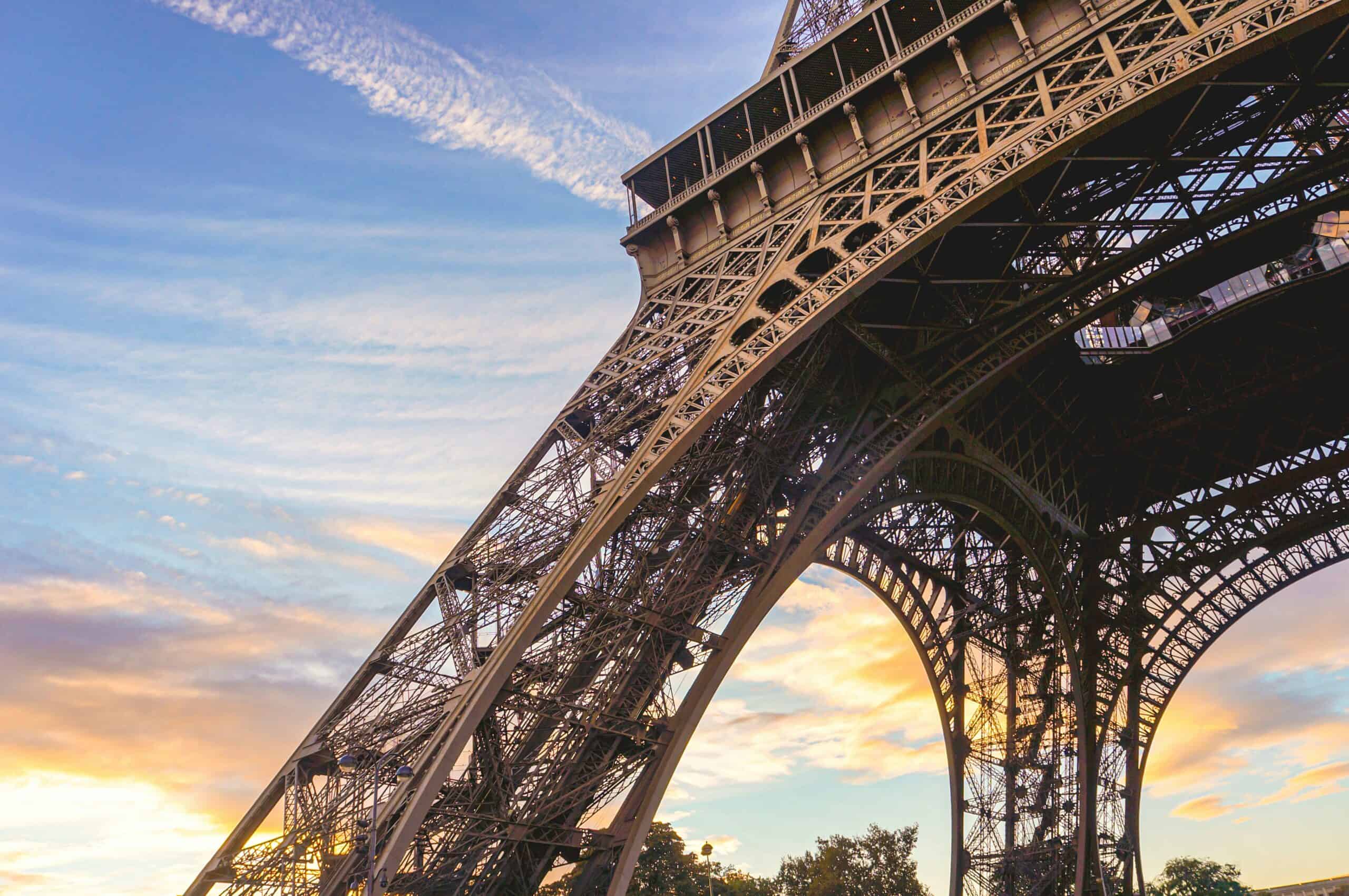
Yes, absolutely, but in a different way from a daytime visit. During the day, the Eiffel Tower is about reading Paris. You identify neighborhoods, monuments, and the structure of the city. At night, it becomes more atmospheric than informational. The city turns softer, lights reflect on the Seine, and the tower shifts from engineering marvel to emotional symbol.
The sparkle effect is one of the small rituals that keeps the monument feeling magical rather than merely monumental. Even if you do not go up at night, seeing the illuminated tower from Trocadéro or from a riverside walk can become the highlight of the day. I would honestly say that some travelers should visit the tower by day and then return later just to see it glow.
Food, Breaks, and Nearby Places Worth Adding
The Eiffel Tower works best as part of a broader neighborhood experience. If you want a splurge meal, Le Jules Verne on the second floor remains one of the most distinctive dining settings in Paris. It is formal, prestigious, and reservation-driven, so it works more as a planned event than a spontaneous stop.
For a more relaxed Paris day, Rue Cler is a much better complement. It has the kind of street-life energy that balances the monument’s grandeur: bakeries, cafés, produce, picnic potential, and a more local rhythm. The contrast is healthy. After the tower’s scale and crowds, a simpler neighborhood moment can actually feel more memorable.
Nearby attractions also help shape the day well. Les Invalides adds historical depth, while a Seine walk gives you breathing room. If you want the classic external tower view, Trocadéro remains the obvious choice for a reason.
Who Should Visit the Eiffel Tower?
The Eiffel Tower is worth it for most first-time Paris visitors, couples, photographers, architecture fans, and travelers who want at least one classic “Paris moment.” It is also strong for families because the ascent itself creates anticipation and structure.
Where expectations need adjusting is for travelers who hate lines, dislike heights, or expect a quiet museum-like atmosphere. This is a global icon, not a serene hidden gem. You can still have a great experience, but the strategy matters. Timing, ticket type, and what you do before and after the ascent all shape whether the visit feels magical or merely hectic.
FAQ
Is the Eiffel Tower summit worth the extra cost?
For many first-time visitors, yes. But if you care more about readable city views than the view from the Colosseum’s maximum height, the second floor can actually be the better-value experience.
What is the best time to visit the Eiffel Tower?
Early morning usually works best for lighter crowds. Late afternoon into evening is best for atmosphere, especially if you want to experience the tower in daylight and after dark.
Should I buy tickets in advance?
Yes, especially for summit access. Advance booking reduces stress and can save significant waiting time on site.
Can you climb the Eiffel Tower by stairs?
Yes, visitors can take the stairs to the second floor. It is more physical but also more immersive and often cheaper than using the lift the whole way.
Is the Eiffel Tower good for children?
Usually yes. The first floor and changing views keep the experience engaging, though timing and queue tolerance matter.
What should I wear for the summit?
Bring an extra layer. Even on a pleasant day below, the upper levels can feel noticeably cooler and windier.
What should I combine with the Eiffel Tower on the same day?
Trocadéro, a Seine walk, Rue Cler, Les Invalides, or Musée d’Orsay all pair well depending on your energy and interests.
Recommended Internal Links
Official and Authoritative Resources
Final Thoughts
The Eiffel Tower can easily become a rushed tourist box to tick, but it does not have to be if you follow a Montmartre Paris guide. With the right timing, a realistic ticket choice, and a little space around the visit for walking, viewing, or eating nearby, it becomes much more than a queue and an elevator ride.
My honest view is that the best Eiffel Tower experience is not the most expensive one or the one with the most bragging rights. It is the one that fits your energy and lets you actually enjoy Paris while you are there. Some travelers will love the summit. Others will be happier on the second floor followed by a slow evening at Trocadéro.
Either way, if you approach the Eiffel Tower with intention instead of pressure, it still lives up to its reputation. And that is not something every famous landmark can say.