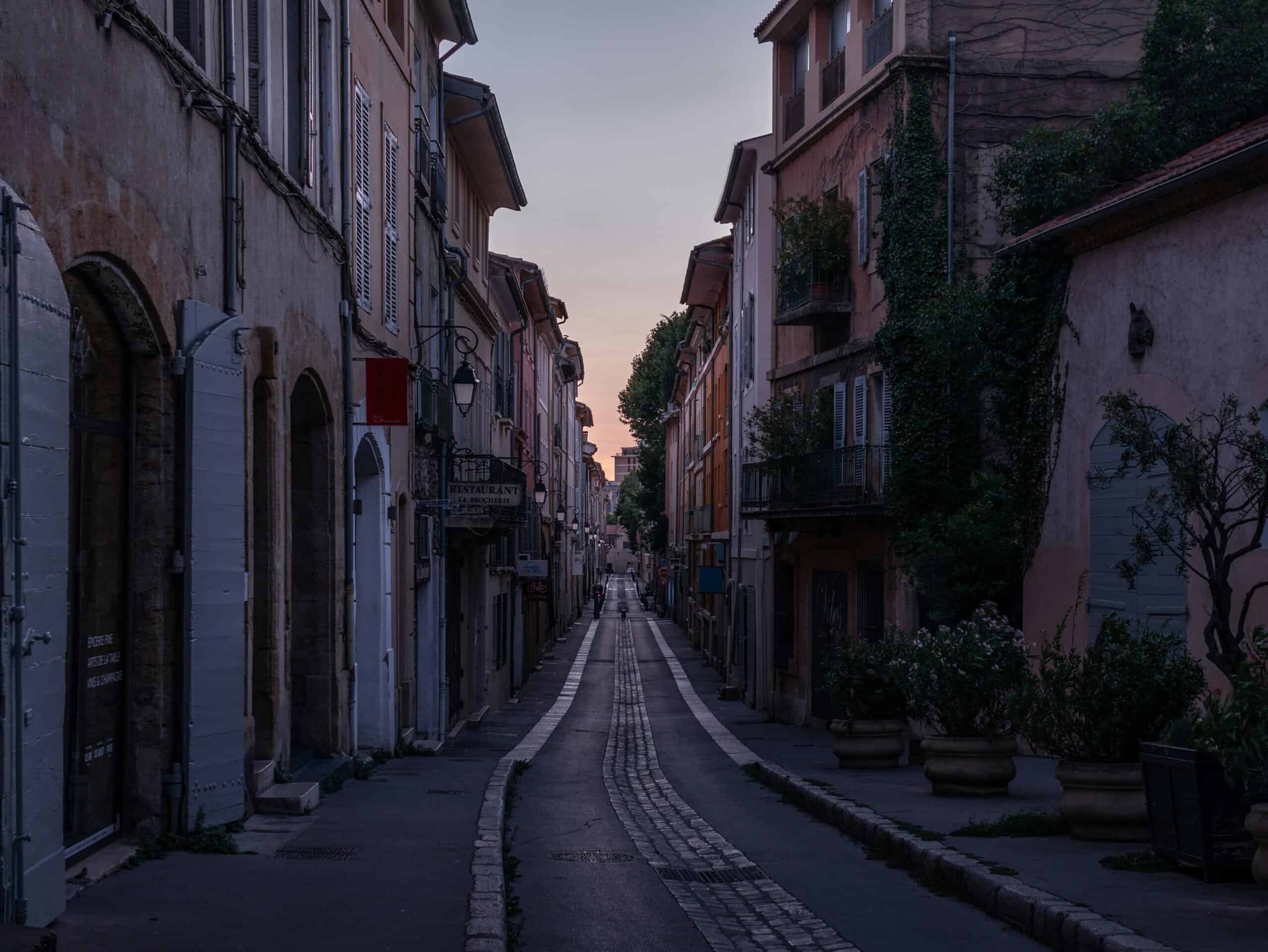
Aix-en-Provence Old Town Guide: What to See, Hidden Spots, and How to Experience It Like a Local
Beyond the lavender postcards lies a city of golden limestone and a thousand fountains. This is the ultimate 2026 guide to navigating the heart of Provence like a true local.
What You Need to Know
This guide is designed for travelers who want to skip the tourist traps and discover the real soul of **Aix-en-Provence Old Town**. We cover the exact logistics of the high-speed TGV connection, the sensory details of the Tuesday markets, the best “secret” courtyards in the Mazarin district, and the current 2026 updates regarding the restoration of the Saint-Sauveur Cathedral facade.
Quick Summary
- ✔The Vibe: Aristocratic elegance meets vibrant student energy and artistic history.
- ✔Top Highlight: Cours Mirabeau and the labyrinthine streets of Vieil Aix.
- ✔Market Days: Tuesday, Thursday, and Saturday are non-negotiable for foodies.
- ✔2026 Note: The new “Diabline” electric shuttle expansion now reaches the northern markets.
- ✔Don’t Miss: Tasting a fresh Calisson—the diamond-shaped sweet of Aix.
The Golden Pulse of Provence
I still remember the first time I stepped off the shuttle into the center of Aix. The light here isn’t just “bright”—it’s a physical presence. It catches the ochre-colored stone of the 17th-century mansions and turns the entire city into a living painting. As I walked down the **Cours Mirabeau**, I realized that Aix-en-Provence Old Town doesn’t demand your attention like Paris does; it seduces you slowly with the gentle sound of moss-covered fountains and the smell of roasting coffee beans from the side alleys.
Aix is often called the “City of a Thousand Fountains,” and while that might be a slight exaggeration, you can’t walk for more than three minutes without hearing the splash of water. It’s a rhythmic, cooling soundtrack to a city that refuses to rush. Whether it’s the massive **Fontaine de la Rotonde** or a tiny, hidden spring in a quiet courtyard, water is the lifeblood here. Walking through the Old Town feels like peeling back layers of a very elegant onion—each turn reveals a new secret, a hidden café, or a plaque marking where Paul Cézanne once sat to sketch the very world you are walking through.
A Sensory Awakening in Vieil Aix
To walk through Aix is to experience a constant sensory shift. In the mornings, it’s the **smell of fresh lavender and Marseille soap** that wafts through the market at Place de l’Hôtel de Ville. If you close your eyes, you can hear the sharp, rhythmic clicks of heels on ancient cobblestones and the melodic Provençal accent of the vendors selling “Cavaillon melons.”
One of my favorite sensations is the temperature change when you move from the sun-drenched squares into the narrow, shadowed streets of the medieval quarter. The air suddenly cools by five degrees, smelling of damp stone and old paper from the many boutique bookstores. I once spent an entire afternoon just touching the different textures of the city—the rough, sun-warmed stone of the Mazarin district walls and the icy, mossy water of the fountains. It’s a place that makes you feel intensely present. You aren’t just “seeing” Provence; you are breathing it.
The Legacy of Cézanne and the Counts of Provence
Aix-en-Provence wasn’t always just a pretty university town. For centuries, it was the capital of Provence, a seat of parliament, and a hub of high-born aristocracy. This history is written in the architecture of the **Mazarin District**, south of the Cours Mirabeau. Here, the streets are laid out in a perfect grid, lined with *hôtels particuliers* (grand private mansions) that once housed the region’s elite. Unlike the tangled medieval web of the northern Old Town, the Mazarin district feels quiet, stately, and deeply dignified.
But the true ghost of Aix is **Paul Cézanne**. He was born here, died here, and painted the surrounding landscape—specifically Mont Sainte-Victoire—thousands of times. The city is literally paved with his legacy; look down, and you’ll see brass “C” studs in the sidewalk, marking the “Cézanne Trail.” When you visit his studio, the **Atelier Cézanne**, you see his coat still hanging on the wall and the jars he painted in his still lifes. It’s eerie and moving. He didn’t just paint the light of Aix; he captured its soul, and the city has spent the last century protecting that vision.
Essential Visitor Information (2026 Update)
Top Experiences: Exploring the Layers
1. The Market Ritual at Place Richelme
If you want to feel the heartbeat of Aix, you must go to **Place Richelme** before 10:00 AM. Every single day, farmers bring their olives, cheeses, and flowers here. I made the mistake of going too late my first time; by noon, the stalls were packed away, and the square was being hosed down for lunch service. Get there early, grab a *pain au chocolat* from a nearby bakery, and just watch the locals haggle. It’s the most authentic theater in Provence.
2. The Saint-Sauveur Cathedral & Cloister
Aix Cathedral is a strange, beautiful Frankenstein of architecture. It has parts from the 5th century all the way to the 17th. When you step inside, the transition from the Romanesque nave to the Gothic portal is jarring but fascinating. **My Insider Tip:** Do not miss the 12th-century cloister. It is one of the quietest, most peaceful spots in the entire city. The intricate carvings on the columns are breathtaking if you take the time to look closely.
3. Art Immersion at Musée Granet
Located near the Church of Saint-Jean-de-Malte, the **Musée Granet** is one of the best regional museums in France. It’s not just about Cézanne; they have an incredible collection from the Picasso and Giacometti donation. I spent two hours in the “Granet XXe” wing, and the way the modern art contrasts with the old stone walls of the former priory is genius. It’s rarely as crowded as the Louvre, making it a much more intimate experience.
💡 Local Tip:
For the best view of Mont Sainte-Victoire without a car, take the **Bus Line 140** toward Vauvenargues. It’s cheap, and the winding road offers the exact vistas that Cézanne obsessed over.
⚠️ Warning:
The “Mistral” wind is no joke. Even on a sunny day in Spring, this fierce northern wind can make it feel freezing. I once made the mistake of wearing a light linen shirt in May—check the wind forecast, not just the temp!
Aix-en-Provence vs. Avignon: Which is for you?
Travelers often debate which city to use as their Provençal base. Here is the honest truth from someone who has lived in both:
| Feature | Aix-en-Provence | Avignon |
|---|---|---|
| Main Vibe | Upscale, Chic, Artistic | Medieval, Dramatic, History-heavy |
| Shopping | High-end boutiques & Local crafts | More tourist-oriented shops |
| Nightlife | Vibrant (Student population) | Quiet (Except during the Festival) |
Insider Hacks: Making the Most of Aix
- The “Diabline” Shortcut: These tiny electric carts are a lifesaver. They are the only vehicles that can navigate the narrowest streets of Vieil Aix. For about €1, you can hop on and get dropped off at the market when your feet are tired.
- Free Water Refills: Many of the fountains are potable! Look for the signs saying “Eau Potable.” The **Fontaine de la Rotonde** water isn’t for drinking, but many smaller ones are. It’s the coldest, freshest water you’ll find in France.
- The Calisson Factory: Don’t just buy them in the shop. Take a 10-minute bus ride to the **Confiserie du Roy René** factory. They have a museum and you can see how they grind the almonds and melon. It smells like heaven.
- Avoid the TGV Shuttle Trap: The TGV station is 15km outside town. Taxis will charge you €50. Always take the “Navette” (Line 40) shuttle; it runs every 15 minutes and costs less than €10.
The Perfect Walking Route (4 Hours)
Pre-Travel Checklist
Download the “Aix en Provence” official map app.
Reserve dinner at ‘Le Jardin Mazarin’ (Essential for local vibes).
Pack a light windbreaker (for the Mistral).
Verify your TGV time slot (The TGV station is NOT in the city center).
Check the market schedule for the specific days of your stay.
Official Resources
Authoritative Region Data
Map of the Old Town
Common Questions Answered
Is Aix-en-Provence Old Town safe for solo travelers?
Extremely. It’s a university city with a lot of foot traffic. Just watch your pockets at the crowded Tuesday market, but otherwise, it’s very peaceful.
Can I visit Aix as a day trip from Marseille?
Yes! It’s only 30-40 minutes by bus or train. It’s the most common day trip in the region. However, staying overnight lets you see the city glow at night when the crowds leave.
What is the “Calisson” everyone talks about?
It’s a traditional French candy consisting of a smooth, pale yellow paste of candied fruit (mostly melons and oranges) and ground almonds topped with a thin layer of royal icing. It’s been made in Aix since the 15th century.
Are the fountains actually “clean”?
Technically, the “drinking” fountains are. Look for a small metal spout or a sign that says “Eau Potable.” Do not drink from the large ornamental pools where people throw coins!
When is the lavender season in Aix?
Lavender usually blooms from late June to mid-July. If you want to see the fields, you’ll need to head a bit north to the Valensole plateau (about 45 mins away).
Ready to Embrace the Proven찰 Spirit?
Plan your escape to Aix-en-Provence today. The fountains are waiting, and the golden hour is calling your name.