Is Tokyo Skytree Really Worth It? (What Most Guides Don’t Tell You)
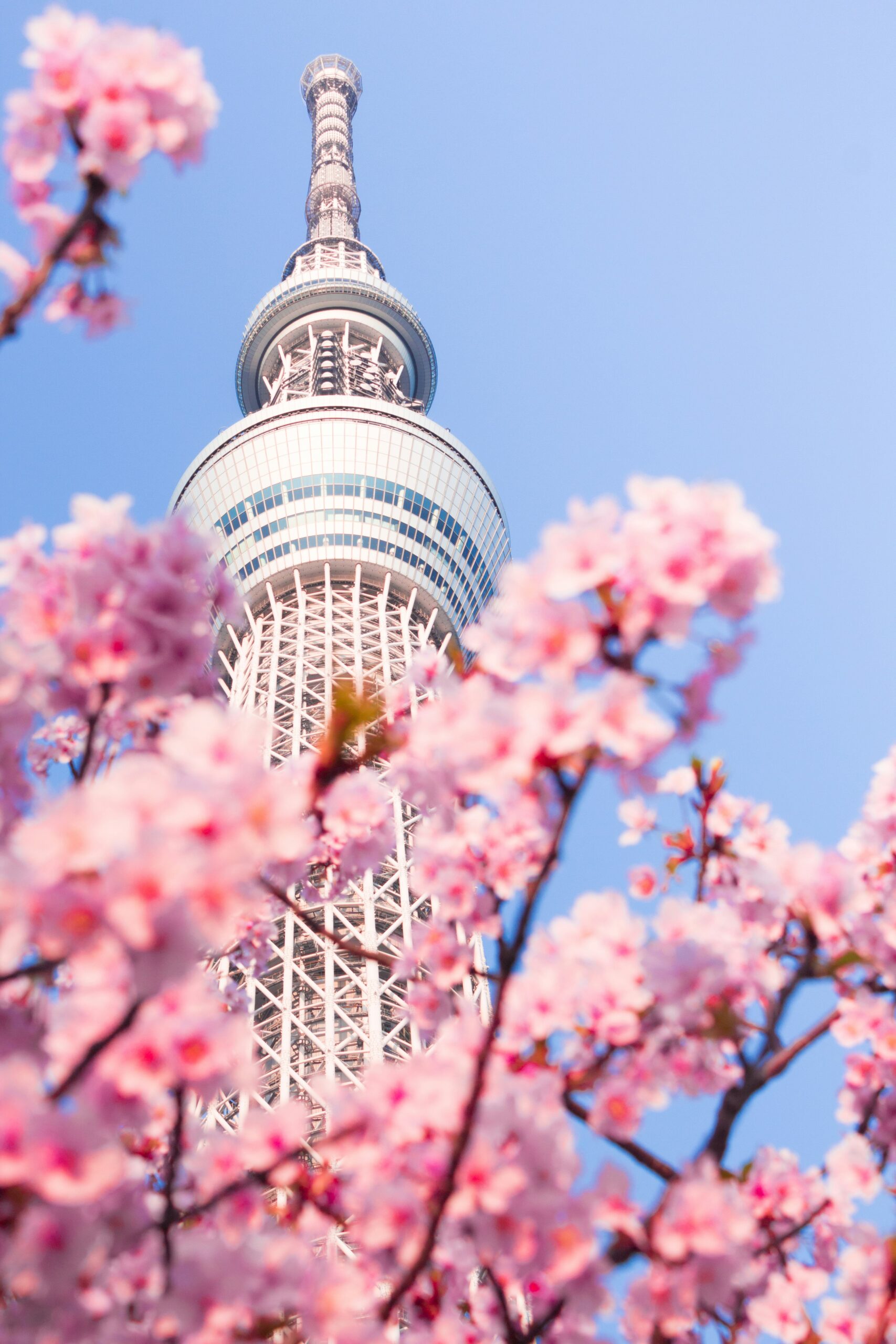
Tokyo Skytree rises above eastern Tokyo as the city’s most unmistakable vertical landmark, and it is one of those places that still feels impressive no matter how many photos you have already seen. At 634 meters, it is more than a tower with an observation deck. It is a modern symbol of Tokyo’s scale, confidence, and ability to turn infrastructure into a full sightseeing experience.
What I like most about Tokyo Skytree is that it works on multiple levels. It gives you the obvious skyline thrill, but it also helps you understand Tokyo geographically. Rivers, neighborhoods, rail lines, dense blocks, and distant mountains all suddenly make sense from above. That shift in perspective is what makes the visit memorable rather than just photogenic.
Search Intent
This guide is for travelers who want the practical answer first: whether Tokyo Skytree is worth it, what the difference is between the 350m and 450m decks, how to get there easily, when to visit for the best views, and whether it is better by day or at night.
Quick Summary
- Tokyo Skytree is Japan’s tallest structure and one of the best panoramic viewpoints in Tokyo.
- The main observation areas are the Tembo Deck at 350m and the Tembo Galleria at 450m.
- Online booking is usually the smartest option because it can be cheaper than same-day purchase and helps with timing.
- Clear afternoons and early evenings are the best windows if you want both daytime city detail and illuminated night views.
- The area around the tower is easy to turn into a half-day plan thanks to Tokyo Solamachi, Sumida Aquarium, and nearby Asakusa access.
Why Tokyo Skytree Matters
Tokyo has no shortage of famous viewpoints, so the real question is not whether Skytree is tall. It is whether the experience feels worth your time in a city full of choices. I think the answer is yes, especially for first-time visitors or anyone who wants one clean, high-impact way to understand how vast Tokyo really is.
The tower stands in Sumida, across the river from the older atmosphere of Asakusa, which makes it more interesting than a standalone observation structure. You are not only going upward. You are moving between two versions of Tokyo: the traditional low-rise city and the futuristic metropolitan skyline. That contrast gives the visit more meaning.
For readers mapping out a broader Tokyo or Japan trip, Tokyo Skytree also pairs well with different kinds of Japanese experiences. You can balance its modern skyline energy with places like Hakone Shrine, the historic atmosphere of Kiyomizu-dera, or the sensory overload of Dotonbori Osaka. Tokyo Skytree belongs on that shortlist of places that quickly anchor a trip in memory.
What It Feels Like to Visit
Approaching Tokyo Skytree from the surrounding streets is part of the experience. The tower keeps slipping in and out of view between buildings, then suddenly opens up in full scale as you get closer. It feels less like arriving at a single building and more like being drawn into a vertical district built around one central idea.
Inside, everything is efficient, polished, and unmistakably Tokyo. The transition from shopping complex to elevator lobby to observation space is smooth, but the emotional jump still lands. Once you reach the deck, the city stops feeling abstract. Rail lines turn into threads, neighborhoods into textured grids, and Tokyo’s size becomes almost impossible to process all at once.
Key Visitor Information
| Location | 1 Chome-1-2 Oshiage, Sumida City, Tokyo 131-0045, Japan |
|---|---|
| Height | 634 meters |
| Observation areas | Tembo Deck (350m) and Tembo Galleria (450m) |
| Ticket note | Online booking usually opens 30 days before the visit date; same-day tickets are sold on the 4th floor |
| Nearest stations | Tokyo Skytree Station and Oshiage Station |
| Accessibility | Wheelchair accessible |
| Best planning advice | Check the official ticket page before visiting because hours, admission windows, and pricing can vary |
Tembo Deck vs Tembo Galleria
| Factor | Tembo Deck (350m) | Tembo Galleria (450m) |
|---|---|---|
| Best for | Most visitors who want the main Skytree experience | Travelers who want the full flagship experience |
| View feel | Already huge, immersive, and satisfying | Higher, more dramatic, and more “special occasion” feeling |
| Value | Better for budget-conscious travelers | Better if this is your one major skyline splurge |
| Recommendation | Enough for many visitors | Worth it if visibility is good and you want the full memory |
My honest view is simple: if the weather is clear and this is one of your main Tokyo splurges, go for the combo. If visibility is uncertain or you are trying to control costs, the 350m deck is already strong.
Cultural Experiences Around the Tower
Tokyo Skytree is more than a lift-and-view attraction. At the base, Tokyo Solamachi expands the experience into shopping, food, entertainment, and souvenir hunting without feeling completely disconnected from the tower itself. This matters because it turns the site into a broader urban destination rather than a quick elevator stop.
Nearby experiences such as Sumida Aquarium and the surrounding Sumida area also help the district feel more complete. If you want to turn your visit into a fuller Tokyo afternoon, the area supports that easily. It is one of the reasons Skytree works well even for travelers who usually avoid purely “touristy” viewpoints.
How to Get There
Access is one of the easiest parts of the Skytree visit. Tokyo Skytree Station places you right by the complex, while Oshiage Station gives you another convenient route via multiple lines. It is also walkable from Asakusa if you want to combine old Tokyo streets with a modern skyline destination.
If you are doing a broader Tokyo day, one smart route is Asakusa first, Skytree second, then an evening view once the light begins to shift. That sequence gives the district more narrative flow and keeps the day from feeling like disconnected sightseeing blocks.
For smoother navigation across Tokyo, it helps to have data working immediately, especially when switching between train lines and timed attractions. A setup like this international eSIM providers guide can make Tokyo transit days much easier.
Nearby Attractions Worth Pairing
Sumida Aquarium: An easy indoor add-on if you want something calm and family-friendly.
Asakusa: The most obvious pairing, especially if you want to contrast Tokyo’s traditional and modern faces in one day.
Sumida riverside walks: Good for slower travelers who want atmosphere rather than only attractions.
If you are building a wider Japan itinerary, Tokyo Skytree also pairs nicely in your trip structure with places like Hakone Shrine, Tsuruga Castle, Kurobe Gorge, and Katsura Imperial Villa. They are different in tone, but that contrast is exactly what makes a Japan itinerary memorable.
Travel Tips That Actually Help
- Book ahead if timing matters. This is especially useful for sunset or evening visits.
- Check the weather before paying for the higher deck. Visibility is everything with skyline attractions.
- Choose weekday or early-hour visits when possible. The experience feels calmer and more premium.
- Do not skip the area around the tower. The neighborhood is part of what makes the visit feel complete.
- Stay through light transition if you can. The best Skytree memory is often not daytime or night, but the change between them.
Who Should Visit Tokyo Skytree
- First-time Tokyo visitors who want one defining skyline experience
- Travelers who enjoy observation decks and city photography
- Families looking for an easy-access, polished attraction
- Couples planning an evening city-view stop
- Anyone who wants a clear visual sense of Tokyo’s scale and layout
FAQ
Is Tokyo Skytree worth visiting?
Yes, especially for first-time visitors or anyone who wants one of Tokyo’s best panoramic viewpoints with easy access and a polished visitor experience.
What is the difference between Tembo Deck and Tembo Galleria?
The Tembo Deck is the main 350m observation level, while the Tembo Galleria extends the experience to 450m for a higher, more premium visit.
Can I buy tickets on the day?
Yes. Same-day tickets are sold on the 4th floor, but online booking is often the better choice if you care about timing or price.
How far in advance can I book online?
Online reservations usually open 30 days before the desired visit date.
Which station is best for Tokyo Skytree?
Tokyo Skytree Station is the most direct, while Oshiage Station is also highly convenient and served by multiple lines.
Is Tokyo Skytree better in the daytime or at night?
Both have value, but late afternoon into evening is the strongest overall timing because you can catch city detail before the skyline lights up.
Can you see Mount Fuji from Tokyo Skytree?
Sometimes, yes, but only when visibility is good. Clear weather matters more than ticket type.
Is Tokyo Skytree accessible for wheelchair users?
Yes, the official information lists wheelchair accessibility.
Internal Links You May Also Like
Official Links
Google Map
Final Thoughts
Tokyo Skytree is one of those attractions that can look overly obvious on paper but still deliver in person. The height is the headline, but the real value is perspective. You go up for the view and come away understanding Tokyo differently.
I would absolutely recommend it, but with one condition: visit intentionally. Pick your time, check the weather, and give the experience enough room to breathe. Done that way, Tokyo Skytree feels less like a tourist obligation and more like one of the cleanest, clearest ways to feel Tokyo all at once.
If you want one modern Tokyo attraction that is visually iconic, easy to access, and genuinely memorable, this is the one.