Mount Fuji Guide: Best Views, Climbing Season, Access, and What It Really Feels Like
Mount Fuji is one of those rare places that feels larger than its own image. You already know its outline before you arrive—the near-perfect cone, the snow line, the lonely authority of it above the landscape—but seeing it in person is different. It does not simply “look beautiful.” It changes the scale of everything around it.
Rising across Yamanashi and Shizuoka prefectures, Mount Fuji is Japan’s highest mountain and one of its deepest cultural symbols. It is a pilgrimage site, an artistic muse, a serious climb, a weather-driven obsession for photographers, and a place that can feel spiritual even if you do not come looking for spirituality.
Search Intent
This guide is for travelers who want to know whether Mount Fuji is worth visiting, when to go for the best views, whether climbing is realistic, how to get there from Tokyo, and how to enjoy Fuji even if you do not plan to summit.
Quick Summary
- Mount Fuji is a UNESCO World Heritage cultural site and the most iconic mountain in Japan.
- The official climbing season is generally from early July to early September, but trail opening dates differ by route and year.
- You do not need to climb Fuji to enjoy it—Lake Kawaguchiko, shrines, museums, and scenic viewpoints offer excellent experiences.
- Weather and visibility matter more than people expect; even on a “Fuji trip,” the mountain may hide behind cloud.
- For most travelers, the smartest plan is choosing between a view-focused visit and a climb-focused visit, because they are not the same trip.
Why Visit Mount Fuji
Mount Fuji is not just important because it is famous. It is important because it holds together several layers of Japan at once: nature, religion, visual culture, pilgrimage, and personal ambition. UNESCO’s listing of Fujisan as a sacred place and source of artistic inspiration captures that better than a simple “beautiful mountain” description ever could.
For some travelers, Mount Fuji is a climb. For others, it is a view. For others, it becomes a day of lakes, ropeways, shrines, and changing weather. That flexibility is part of why the destination works so well. The mountain can be central without forcing everyone into the same experience.
Personally, I think what makes Fuji so powerful is its emotional clarity. Many famous places are complicated, noisy, or visually cluttered. Fuji is the opposite. It feels almost unreasonable in its simplicity. That clean shape makes every encounter with it feel strangely direct.
What It Feels Like to Encounter Mount Fuji
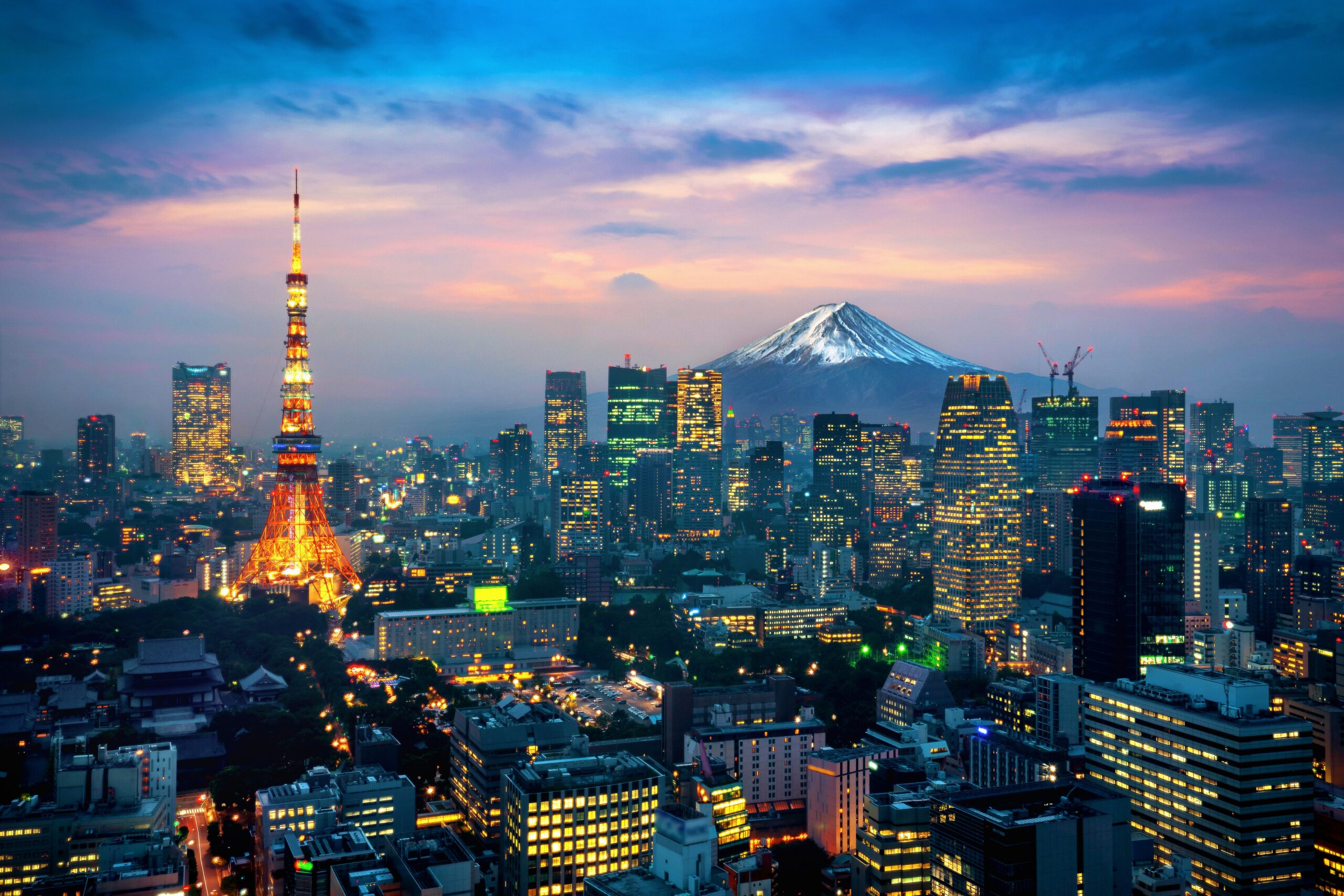
The approach to Mount Fuji is rarely dramatic in one sudden instant. It is more often a gradual revelation. From Tokyo or the surrounding regions, the mountain appears and disappears through haze, buildings, train windows, clouds, and gaps in the road. Then eventually it stays in view long enough for you to realize that everything around it has become secondary.
That is what I find most striking: Fuji reorganizes the landscape. Lakes, villages, fields, shrines, and roads all start to feel arranged in relation to it. Even when the mountain is distant, it controls the mood of the day.
One honest truth travelers should know is that Mount Fuji can be elusive. There is a romantic fantasy that you simply arrive and get a perfect postcard view. In reality, cloud cover, haze, and weather can hide it completely. That uncertainty is part of the experience. When Fuji finally emerges, the moment feels earned.
History and Cultural Context
Mount Fuji is not just a mountain in a scenic sense; it is one of Japan’s most important sacred and artistic landscapes. UNESCO recognized Fujisan for exactly that reason, noting its long history of pilgrimage and its role in inspiring artists and poets. The World Heritage inscription includes not only the mountain itself but a broader cultural landscape of associated sites.
That larger context matters. It helps explain why places such as Fujisan Hongu Sengen Taisha are not side attractions but part of the mountain’s meaning. For centuries, people approached Fuji as a place of reverence, purification, and ascent. Even today, the idea of climbing to witness sunrise from the summit carries an emotional weight that goes beyond ordinary hiking.
At the same time, Mount Fuji belongs strongly to visual culture. Hokusai’s views of Fuji helped turn the mountain into one of the world’s most recognizable forms. The reason the image still works is simple: the real mountain already looks like an artist simplified it.
Highlights You Should Not Miss
- Lake Kawaguchiko: one of the easiest and most rewarding Fuji-view bases from Tokyo.
- Fujisan Hongu Sengen Taisha: a major shrine deeply tied to Fuji pilgrimage traditions.
- Fuji Five Lakes region: ideal for scenic cycling, photography, museums, and seasonal flower views.
- The summit sunrise (Goraiko): iconic, but only for properly prepared climbers during the official season.
- Seasonal flower events and lake viewpoints: especially powerful if you are visiting for scenery rather than climbing.
Insider note:
Key Visitor Information
| Item | Details |
|---|---|
| Location | Mount Fuji spans Yamanashi and Shizuoka prefectures, Japan |
| World Heritage Status | UNESCO World Heritage cultural site |
| Official Climbing Season | Usually early July to early September; exact dates vary by trail and year |
| Major Trails | Yoshida, Subashiri, Gotemba, Fujinomiya |
| Important Rule | Check official seasonal regulations, entry procedures, and weather before climbing |
| Best for Non-Climbers | Fuji Five Lakes, shrines, viewpoints, onsen, museums, flower festivals |
Immersive Cultural Experiences Around Mount Fuji
One of the best things about Mount Fuji is that the cultural experience begins well before any climb. Fujisan Hongu Sengen Taisha connects visitors to the mountain’s spiritual history, reminding you that Fuji has long been approached as a sacred place rather than a mere outdoor challenge.
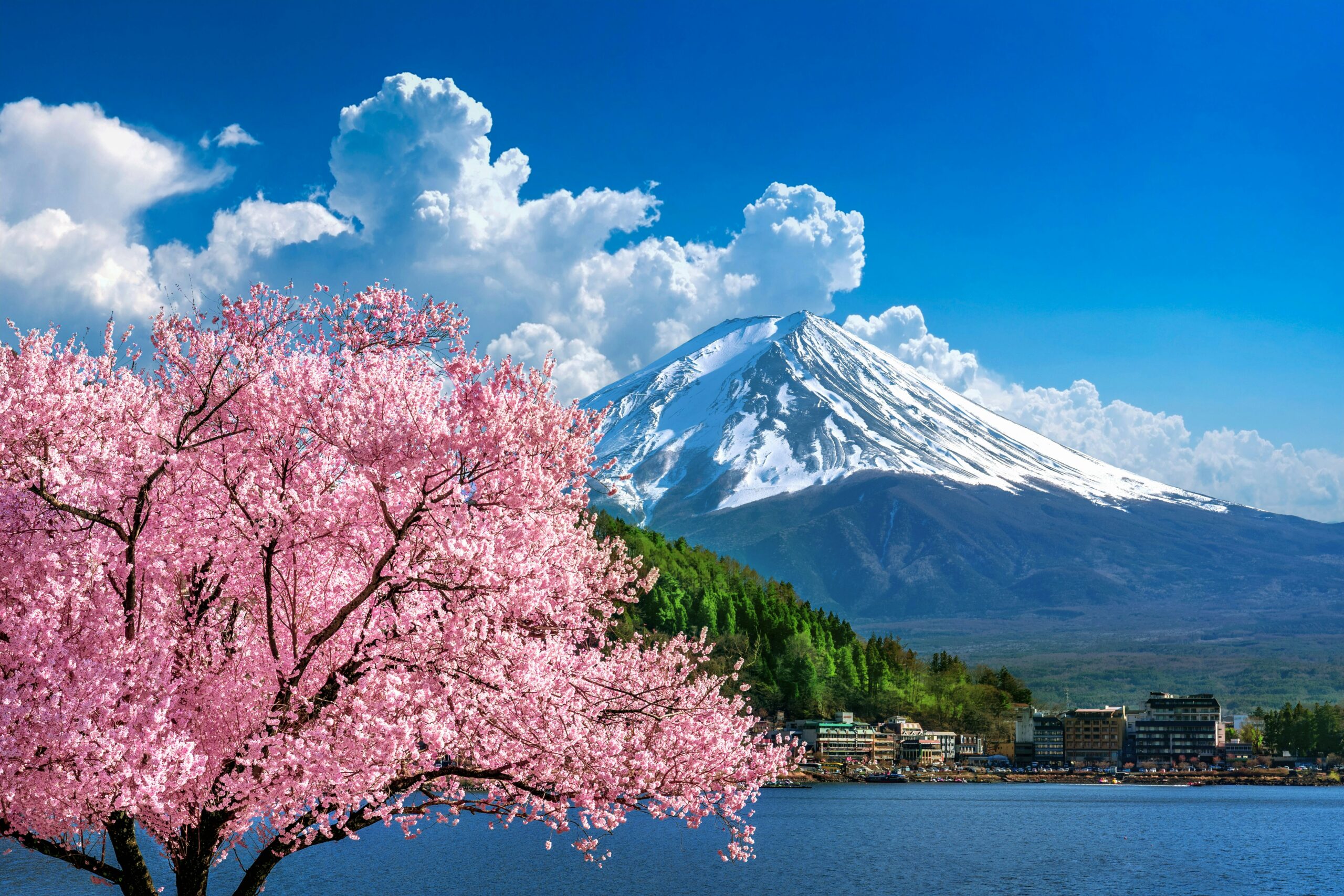
Around Lake Kawaguchiko, the experience becomes more visual and seasonal. The lake is one of the easiest access points from Tokyo and one of the most photogenic places to appreciate Fuji’s relationship with water, weather, and light. On a still day, the reflected image can feel almost too symmetrical to be real.
I think this wider cultural zone is what makes Fuji a richer destination than many “famous mountain” trips. You can spend a full day or several days here without ever setting foot on a summit trail and still feel you encountered something essential.
Best Time to Visit Mount Fuji
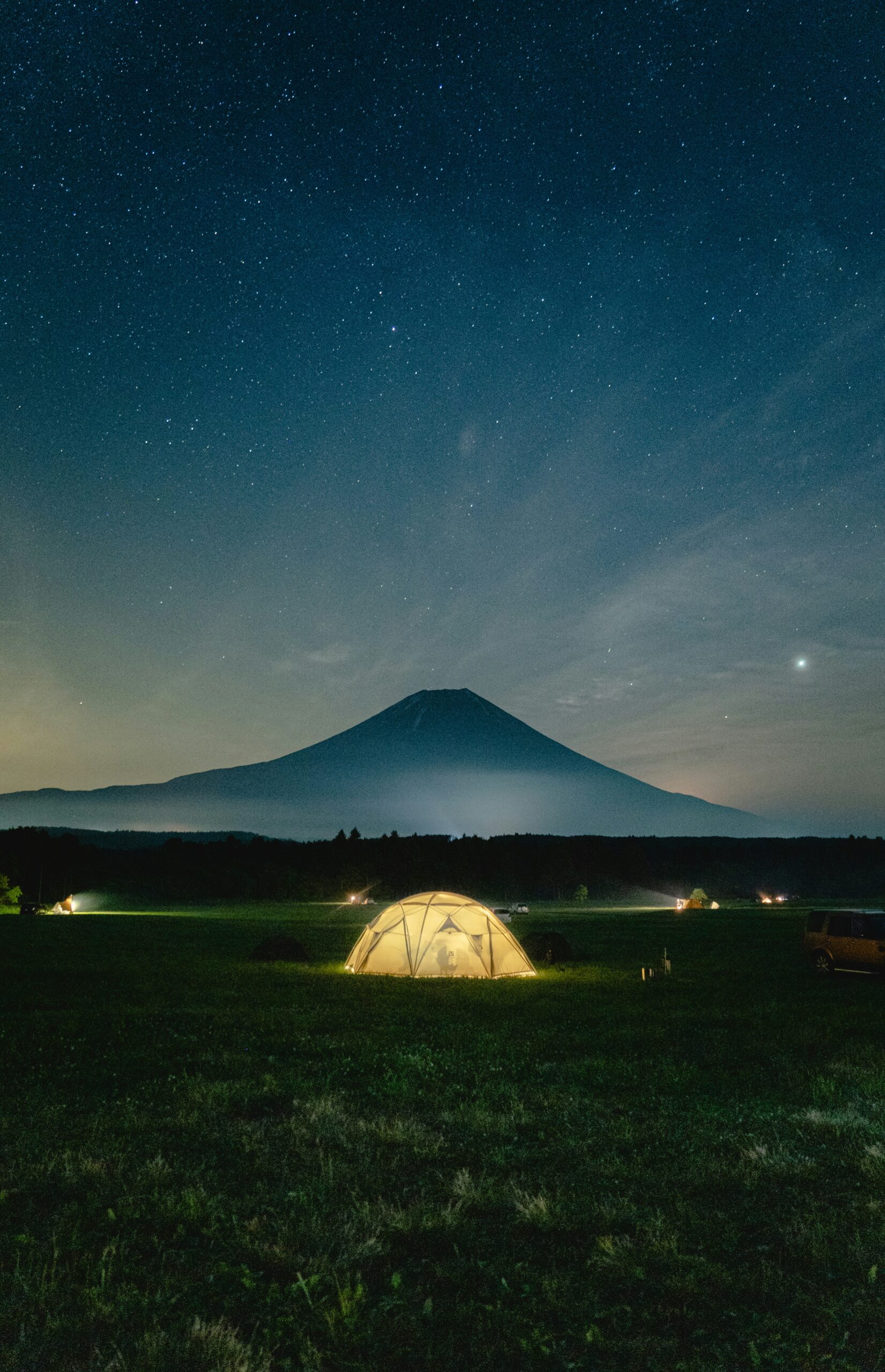
There is no single perfect season, because “best” depends on what you want. If you want to climb, you should focus on the official summer season only. Official guidance is very clear that off-season climbing is dangerous and not recommended. Trails are not maintained the same way, huts close, and weather risks increase sharply.
If you want scenery rather than a summit, many travelers actually prefer the shoulder seasons. Spring brings blossoms and flower festivals, while autumn often offers clearer air, stronger colors, and dramatic contrast around the lakes. Lake Kawaguchiko is especially popular in cherry blossom season and during autumn foliage.
Summer is excellent for access and activity, but not always for the clearest Fuji views at lower elevations because weather can be more variable. Winter can produce crisp visibility and powerful mountain views, but it is not a climbing season for ordinary travelers.
Essential Travel Tips
Tip #1:
Tip #2:
Tip #3:
My honest recommendation is not to over-romanticize the climb if you are not physically prepared. Some travelers feel pressured to summit because Fuji is famous. But a rushed or poorly prepared climb is a bad trade. Fuji rewards respect more than bravado.
How to Visit Mount Fuji Smartly
- Choose your base. Lake Kawaguchiko is one of the easiest and most scenic choices from Tokyo.
- Check visibility and weather. A Fuji trip can change dramatically based on cloud conditions.
- Use direct train or bus access from Tokyo if you are visiting as a day trip or overnight stay.
- If climbing, book and prepare properly. Follow official trail rules, time windows, and entry procedures.
- Add one cultural stop. A shrine, museum, or hot spring makes the trip feel fuller than just chasing one photo point.
- Build flexibility into your itinerary. Fuji does not perform on command, and that is part of its character.
Nearby Attractions and Local Rhythm
Lake Kawaguchiko is the obvious companion destination because it combines accessibility, seasonal scenery, and some of the easiest classic Fuji views. It works well for photographers, casual walkers, couples, and families alike.
Fujisan Hongu Sengen Taisha adds spiritual depth and historical context, especially if you want to understand Fuji as more than a mountain silhouette. The shrine helps frame the region as a pilgrimage landscape rather than just a sightseeing zone.
If you stay longer, the wider Fuji Five Lakes region offers cycling, local museums, flower parks, hot springs, and small-town scenery that slow the trip down in a good way.
Climbing Mount Fuji vs Viewing Mount Fuji
| Factor | Climbing Mount Fuji | Viewing Mount Fuji |
|---|---|---|
| Best for | Prepared hikers seeking challenge and summit sunrise | Most travelers, photographers, and cultural visitors |
| Season | Official summer season only | Year-round, weather permitting |
| Difficulty | Physically demanding and weather-sensitive | Flexible and accessible |
| Emotional payoff | Personal achievement and sunrise ritual | Visual awe, calm, and cultural immersion |
Who Should Visit Mount Fuji
Mount Fuji works especially well for travelers who enjoy:
- iconic natural landmarks with deep cultural meaning
- landscape photography and seasonal scenery
- shrines, lakes, and slower day trips from Tokyo
- serious but achievable bucket-list climbs in the right season
- Japan trips that mix nature, symbolism, and history
If you hate weather uncertainty or want guaranteed “perfect-view” sightseeing, Fuji can test your patience. But if you understand that part of its beauty lies in how it appears and disappears, the trip becomes much more rewarding.
FAQ
Is Mount Fuji worth visiting if I am not climbing?
Yes. Many of the best Mount Fuji experiences involve lake views, shrines, scenic transport, flower parks, and hot springs rather than the summit itself.
When is the official climbing season for Mount Fuji?
Generally from early July to early September, but trail opening dates vary by route and year, so always check the official climbing website before planning.
Can I climb Mount Fuji outside the official season?
Ordinary travelers should not. Official guidance warns that off-season climbing is dangerous and not properly supported.
What is the easiest way to see Mount Fuji from Tokyo?
A trip to the Fuji Five Lakes area, especially Lake Kawaguchiko, is one of the easiest and most rewarding options.
What is special about Fujisan Hongu Sengen Taisha?
It is one of the key shrines associated with Mount Fuji’s religious and pilgrimage tradition, making it an important cultural stop beyond scenic sightseeing.
What is the best season for Mount Fuji views?
It depends on your priorities, but spring and autumn are often excellent for scenery, while summer is for official climbing rather than guaranteed best visibility.
Related Japan Guides
Official and Authoritative Sources
Google Map
Final Verdict
Mount Fuji earns its reputation, but not always in the way travelers first imagine. It is not only a mountain to climb. It is a presence to orient yourself around, a cultural landscape to read, and a place where the weather, the light, and your own pace shape the meaning of the trip.
If you want a classic Japan icon with real emotional power, Mount Fuji delivers. If you want a serious summer climb, it can give you that too—but only with proper planning and respect for the mountain. And if you simply want to stand somewhere quiet, look across water or trees, and finally see Fuji cleanly against the sky, that may be the most unforgettable version of all.
In Japan, there are many beautiful places. Mount Fuji is one of the few that still feels elemental.