Saint-Paul-de-Vence Guide: What to See, Art Highlights, and How to Visit Without the Crowds
Saint-Paul-de-Vence Village is one of the most atmospheric hilltop destinations on the French Riviera, where medieval stone lanes, contemporary art, and Provençal light come together in a way that feels almost too perfect to be real. If you want a South of France stop that offers more than just pretty views, this village delivers history, galleries, food, and a slower rhythm that stays with you long after you leave.
Search Intent
This guide is for travelers who want to know whether Saint-Paul-de-Vence is actually worth visiting, what to see beyond the obvious postcard streets, how to combine the village with Fondation Maeght or a Riviera day trip, and how to avoid the most common timing and crowd mistakes.
Quick Summary
- Saint-Paul-de-Vence is one of the French Riviera’s most iconic art villages, known for ramparts, galleries, and historic stone streets.
- The village itself is free to enter, but places like Fondation Maeght and some museum spaces are ticketed.
- It works best in the early morning or late afternoon, when the light improves and tour-bus crowds thin out.
- Fondation Maeght is one of the best add-ons and is strong enough to justify extra time on its own.
- Come for the beauty, but stay for the feeling of art, history, and everyday Provençal life layered together.
Why Visit Saint-Paul-de-Vence Village
Saint-Paul-de-Vence Village is one of those places that can easily be dismissed as “pretty but touristy” before you arrive. I had that concern too. The village is famous, photogenic, and heavily featured in South of France itineraries, which can sometimes be a warning sign. But in this case, the reputation is mostly deserved.
What makes it work is depth. Yes, the fortified walls are beautiful. Yes, the lanes are lined with galleries and sunlit stone. But the village is not just a decorative shell. It has a real artistic legacy, a lived-in rhythm, and a layered atmosphere that feels stronger than its size suggests.
If you love destinations where wandering is the main activity, this place delivers. If you care about art, photography, architecture, or simply the emotional texture of old European villages, it becomes even more rewarding. And if you pair it properly with a museum stop, lunch, or a slow walk around the ramparts, it stops feeling like a quick scenic detour and starts feeling like a real highlight of the Riviera.
What It Feels Like to Arrive
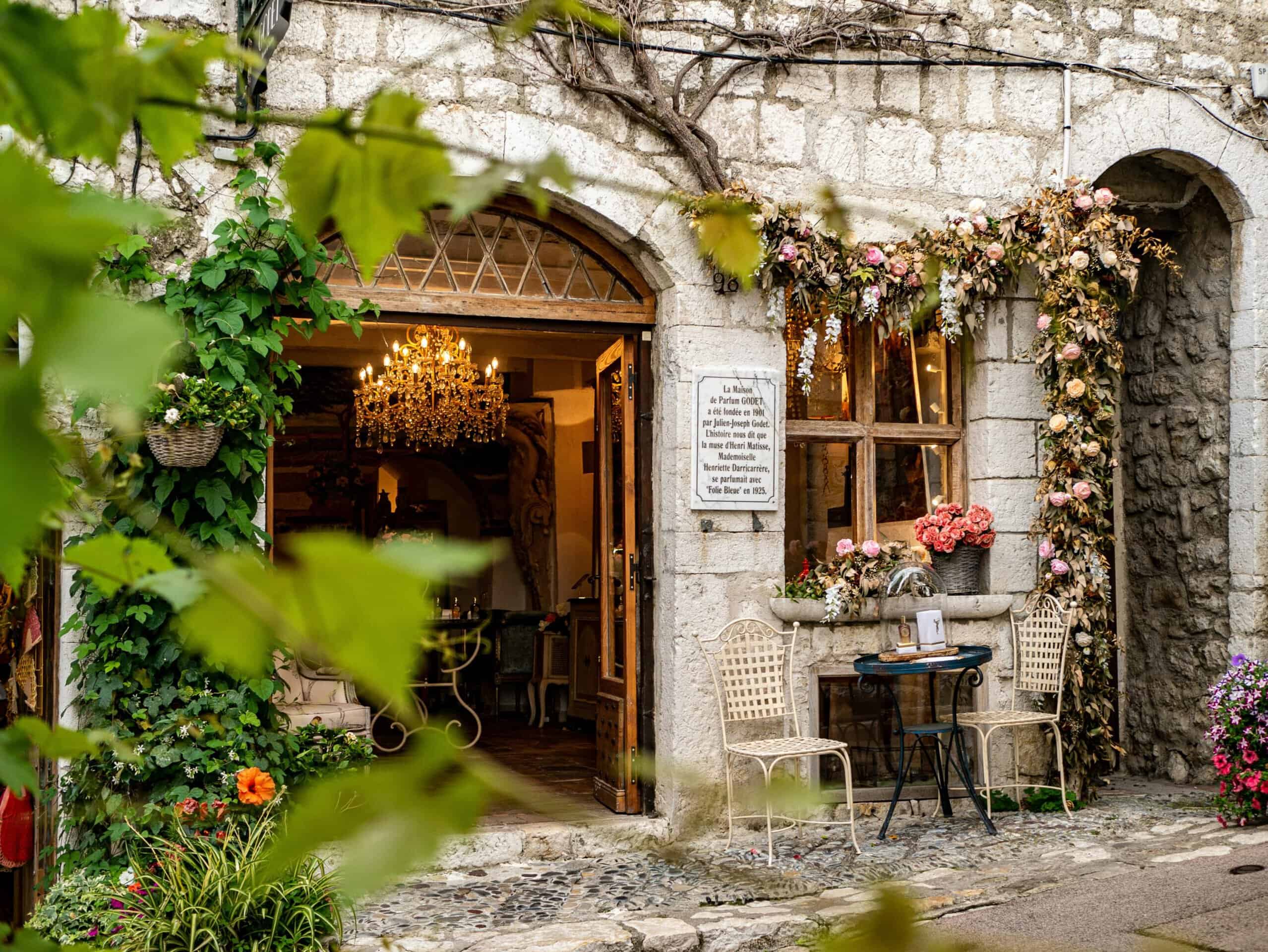
The approach to Saint-Paul-de-Vence matters almost as much as the village itself. You see the stone ramparts first, rising above the surrounding greenery, and the whole place feels suspended between landscape and history. It is not dramatic in the giant-monument sense. It is more intimate than that, more like a place that slowly reveals how carefully it has been shaped over time.
Once you step through the gate, the atmosphere changes fast. The roads and coastline energy of the Riviera drop away, replaced by cobblestones, shutters, climbing flowers, quiet corners, and small openings of light at the end of narrow lanes. Some villages feel curated for visitors. Saint-Paul-de-Vence feels curated by centuries.
I think the biggest surprise is how easy it is to lose track of time there. You start by looking for viewpoints and famous corners, then suddenly you are paying attention to things like stone textures, church bells, gallery windows, and the smell of lunch drifting from hidden terraces. It has that rare ability to slow you down without asking for your attention too aggressively.
Insider Tip
Do not arrive at midday and judge the village too quickly. Saint-Paul-de-Vence is much better in softer light, with a little more space to wander and pause.
History, Art, and Why the Village Became Legendary
Saint-Paul-de-Vence is not only a medieval village with beautiful walls. It became internationally magnetic because artists and cultural figures turned it into a place of inspiration and creative exchange. Over time, painters, writers, actors, and collectors were drawn to its hilltop light, quiet intensity, and distance from the busier coastal spectacle.
That artistic identity still shapes the village today. The local tourism office presents Saint-Paul-de-Vence not just as a heritage site but as a destination where accommodation, restaurants, museums, galleries, and Fondation Maeght all work together as part of the same cultural fabric. That matters because it explains why the village feels so complete rather than decorative. It was not frozen in time. It kept evolving through art.
The Folon Chapel is one of the clearest examples of that. Jean-Michel Folon’s work gives a historic religious space a luminous, contemporary emotional layer, and it perfectly reflects what makes Saint-Paul-de-Vence stand out: the past is preserved here, but it is still in dialogue with newer artistic voices.
Important Warning
Cars are generally not allowed inside the village itself except for residents and certain hotel guests, so do not plan on driving straight into the historic core.
What to See Inside Saint-Paul-de-Vence
1. The Ramparts and Village Views
The ramparts are one of the most immediate rewards. Even if you do nothing else, walking along the edges of the village and looking out across the hills gives you a clear sense of why this place seduced so many artists and dreamers.
2. Gallery Streets and Small Ateliers
One of the pleasures here is not having a single “must-see” street. The village works through accumulation: one gallery, one stone archway, one sunlit turn, one terrace at a time. Some spaces are contemporary, others more traditional, and the overall effect is that art feels embedded in the place rather than added on for tourists.
3. The Folon Chapel
This is one of the quiet highlights. It adds a contemplative dimension to the visit and gives real artistic substance beyond the postcard image of the village.
4. Fondation Maeght
Technically outside the ramparts but inseparable from the Saint-Paul-de-Vence experience, Fondation Maeght is one of the best modern art stops in the region. The collection and sculpture-garden setting make it much more than a side attraction.
5. La Colombe d’Or Atmosphere
Even if you do not book a full meal, the legend of La Colombe d’Or adds another layer to the village story. It is part of the mythology of artists, hosts, and Riviera cultural life.
Key Visitor Information
| Location | Saint-Paul-de-Vence, Alpes-Maritimes, Provence-Alpes-Côte d’Azur, France |
|---|---|
| Region | French Riviera / Côte d’Azur hinterland |
| Official Tourism Website | Saint-Paul de Vence Tourist Office |
| Village Access | Open year-round; shops and galleries vary by season and operating hours |
| Entry Fee | Village entry is free; museums and exhibitions may charge admission |
| Best Time to Visit | Spring and autumn for better weather and fewer crowds |
| Accessibility | Partial only; cobblestones, inclines, and medieval surfaces can be challenging |
| Parking | Public parking areas available around the village; visitors generally park outside the walls |
Immersive Cultural Experiences
The village shines most when you stop treating it like a photo stop and start treating it like a cultural environment. That means going beyond the main lane, paying attention to gallery programs, stepping into the chapel, and allowing time for Fondation Maeght rather than reducing it to an optional add-on.
Fondation Maeght is especially important here because it deepens the village’s identity from “beautiful old place” to “serious artistic destination.” The foundation’s official visitor information makes it clear that it is a major standalone site, open daily and designed as a full visit rather than a quick browse. That alone changes how you should build your day.
I also think Saint-Paul-de-Vence becomes more memorable when you allow one simple non-checklist ritual: sit somewhere and do nothing for ten minutes. Coffee, wine, lunch, a shaded bench, whatever works. This is not a destination that reveals itself best at speed.
How to Get There Without Stress
Saint-Paul-de-Vence is an easy add-on from Nice, Cannes, Cagnes-sur-Mer, or a broader Côte d’Azur route. The tourist office’s access pages specifically point travelers toward bus and train connections from Nice and Cannes, plus parking information for those arriving by car.
The practical point is this: if you are driving, plan the parking strategy before arrival. If you are relying on public transport, check the current route before the day of travel. The village feels wonderfully old once you are inside it, but getting there is modern logistics, and small planning gaps can make the day less smooth than it should be.
My honest recommendation is to give Saint-Paul-de-Vence either a dedicated half day or a relaxed full day with Fondation Maeght included. Trying to squeeze it between too many Riviera stops usually makes the visit feel more superficial than it deserves.
Practical Tip
Wear proper shoes. This sounds obvious, but Saint-Paul-de-Vence is one of those places where charming cobblestones become exhausting if you arrive in style-first footwear.
Nearby Attractions and Local Food
The smartest pairing is Fondation Maeght. It is close, serious, and fully aligned with the village’s artistic identity. If you enjoy modern art at all, this is the best same-day combination.
La Colombe d’Or is the other famous name, partly because of its Provençal cuisine and partly because of its artistic history. It is more than a restaurant recommendation; it is part of the Saint-Paul-de-Vence mythos.
If you are extending your France itinerary beyond the Riviera, nearby artistic and heritage pairings on Trip Nexus include Petit Palais in Paris, Place des Vosges, Parc des Buttes-Chaumont, Château des Ducs de Bretagne, and Villefranche-sur-Mer Old Town.
Saint-Paul-de-Vence vs Other Riviera Stops
| Category | Saint-Paul-de-Vence | Typical Riviera Coast Stop |
|---|---|---|
| Mood | Artistic, reflective, historic | Beachy, scenic, more outwardly glamorous |
| Best For | Wandering, galleries, atmosphere | Sea views, promenades, faster sightseeing |
| Visit Pace | Slow and exploratory | Often quicker and more checklist driven |
| Standout Feature | Medieval village plus living art identity | Coastal setting and resort energy |
My take is that Saint-Paul-de-Vence wins if you want atmosphere and memory over momentum. It is less about “doing” and more about absorbing.
Who Should Visit
- Art lovers who want more than one museum room and a souvenir photo
- Travelers who enjoy hilltop villages with real atmosphere
- Photographers chasing warm stone, layered textures, and soft Riviera light
- Couples looking for a slower, more romantic Riviera stop
- France itinerary builders who want a strong culture-and-beauty destination
- Anyone needing a break from louder, faster coastal energy
FAQ
Is Saint-Paul-de-Vence worth visiting?
Yes, especially if you enjoy art, historic villages, and places where wandering is part of the experience rather than just the route between attractions.
How much time do I need in Saint-Paul-de-Vence?
A relaxed half day works well, but a full day is better if you also want Fondation Maeght, lunch, and unhurried exploration.
Can I drive into the village?
Generally no for normal visitors. Tourist parking is outside the village walls, with limited exceptions for residents and certain hotel guests.
What is the best time of day to visit?
Early morning or late afternoon is best for softer light, fewer crowds, and a more atmospheric walk through the lanes.
Is Fondation Maeght worth adding?
Absolutely, especially for modern art lovers. It is one of the region’s strongest cultural stops and fits naturally with the village visit.
Is Saint-Paul-de-Vence accessible?
Only partially. The village has cobblestones, slopes, and historic surfaces, so visitors with mobility needs should plan carefully.
Official Links & Planning Resources
Google Map
Final Verdict
Saint-Paul-de-Vence Village is one of the rare Riviera destinations that feels both famous and genuinely intimate. The art heritage is real, the village texture is beautiful without feeling fake, and the overall mood is stronger than most quick-stop itineraries allow for.
The only real downside is that it can feel crowded and slightly overexposed if you visit at the worst possible time and rush through the main streets. But that is a planning problem, not a destination problem.
Give Saint-Paul-de-Vence time, decent shoes, and a little patience, and it becomes one of the most quietly memorable places on the French Riviera.