South Korea Visa & K-ETA Rules 2026: Entry Requirements, Documents & Approval Flow
1. Why South Korea Entry Feels Easy for Some Travelers and Stressful for Others
The South Korea Visa system in 2026 is more digital than it used to be, but that does not automatically mean it is simpler. In practice, entry feels smooth when your travel purpose, documents, and declarations all point in the same direction. It feels stressful when your category, timing, or story does not quite match the evidence in front of the officer. South Korea issues a range of visa types — from short-term tourist (C-3) to long-term work and study permits — each with its own documentation requirements. Even travelers from visa-exempt countries must now obtain a Korea Electronic Travel Authorization (K-ETA) before departure, adding an extra digital step to what was once a simpler process. The system rewards travelers who treat digital preparation like packing a bag — do it the night before, not at the gate.
A lot of travelers make the mistake of treating Korea as a purely “easy entry” destination. This mindset can also lead to overlooking the island’s rich history, which is beautifully preserved at the Jeju Folklore & Natural History Museum. This assumption often carries over into daily travel habits, where many visitors make avoidable mistakes at places like Busan’s Jagalchi Market. Sometimes it is. But the country now operates with a more structured digital front door than many first-time visitors expect. K-ETA, official visa pathways, digital nomad rules, and e-entry declarations all reward preparation. They do not reward improvisation very well. Preparation buys flexibility later; improvisation costs time at the counter.
My honest view is that Korea is one of those destinations where you can feel either brilliantly organized or surprisingly exposed depending on how seriously you handle the pre-arrival steps. The good news is that most of the risk is controllable if you understand which lane you belong in before you buy the ticket.

2. What It Actually Feels Like at Incheon When You Are Prepared
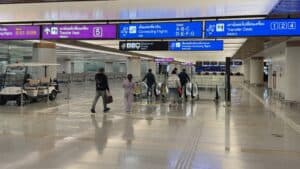
Prepared entry into Korea feels almost anticlimactic. You walk off the plane, clear the arrival process, answer a few straightforward questions if asked, and move on. The whole thing can feel cleaner and faster than the anxiety you built up before departure. The smoothness of the process makes the pre-trip worry feel almost borrowed.
Unprepared entry feels very different. The stress is not always about “being denied.” Often it is smaller than that: digging through email for a hotel confirmation, realizing your address doesn’t match the booking, relying on airport Wi-Fi for a file you should have downloaded, or trying to explain an itinerary that sounds less vague than it really is. A few minutes of offline prep saves the kind of stress that no amount of travel insurance covers.
I’ve seen travelers over-focus on scary online stories and under-focus on the simple things that actually matter: one clear purpose, one confirmed first-night stay, one return or onward plan, and one consistent version of the trip. That is the core rhythm of easy entry. The trade-off is simple: a few minutes of internal clarity buys a gate agent’s nod.
Treat arrival like a paperwork exam, and Korea can feel tense. Treat it like a logistics exercise you already finished the night before, and it usually feels efficient. The difference is in what you do before you step off the plane.

3. The 2026 Policy Context: K-ETA, Temporary Exemption, and the New Normal
The most important 2026 update is that many current visa-waiver nationalities remain under the temporary K-ETA exemption through December 31, 2026. That means not every traveler from a visa-waiver country needs to file a K-ETA this year, even if they would normally expect to. This is exactly why travelers should check nationality-specific status on the official K-ETA system instead of assuming old blog posts still apply. The system rewards travelers who verify instead of assume.
At the same time, K-ETA itself remains fully active as the formal electronic pre-travel route for eligible nationals who aren’t exempt. The official fee stays at KRW 10,000 plus surcharge, and Korea Immigration still recommends applying at least 72 hours before boarding. K-ETA approval is valid for up to three years, unless your passport expires sooner. The 72-hour recommendation is the kind of buffer that feels excessive until a last-minute glitch eats your boarding time.
Another important shift is the growing clarity around the F-1-D digital nomad, or workcation, route. Korea has moved beyond vague talk and now publishes formal rules for eligible remote workers, including the fact that certain short-term entrants in B-1, B-2, or C-3 status may change status if they meet the relevant requirements. Meeting the relevant requirements is where the real work begins, but at least the path is no longer guesswork.
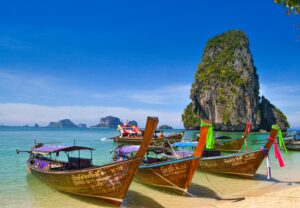
So the 2026 landscape is not “everyone needs K-ETA” and it is not “everything is visa-free.” It is a mixed system where your nationality, purpose, and duration decide the lane. Even planning a trip to a beautiful coastal spot like Woljeongri Beach requires understanding which of these lanes applies to you.
4. The Four Entry Paths That Matter Most
5. The 2026 Visa Landscape: Comparative Matrix
Use this as a decision tool, not a decoration. The right route is the one that matches your passport, trip purpose, and length of stay cleanly.
6. Why Korea Rewards “Prepared Minimalism” at the Border
Some countries reward improvisation. Korea does not reward it as much as travelers think. The strongest entry presentation is not dramatic. It is quiet, simple, and complete.
That means you do not need to perform expertise at the counter. You do not need a long speech. You need matching basics: valid passport, the right entry route, the same first-night address you already used, and a trip purpose that sounds exactly like the documents in your hand. That is what I mean by prepared minimalism.
People often imagine immigration stress as something caused only by officers. More often, it comes from travelers arriving with too many moving parts and no single clean narrative.
7. Travel Tips That Reduce Friction Fast
🕵️ The Consistency Multiplier: If the hotel or address you verbally mention does not match what you already filed or booked, you invite extra attention you did not need.
Practical move: Screenshot your approval, first-night hotel, onward or return booking, and keep them in one album on your phone.
💰 The Funds Reality: For study and longer-stay categories, officers and caseworkers care less about one dramatic bank screenshot and more about stable, explainable money.
Practical move: If you are applying for D-2 or a longer route, do not rely on sudden deposits with no story behind them. Stable account history looks far better than last-minute theatrics.
📶 Arrival Data Matters More Than People Admit: Arrival without data turns simple questions into avoidable panic.
Practical move: Preload your hotel address in English and Hangul, or save it offline before departure.
8. The 2026 Seamless Entry Simulation
- Phase A (30 Days Out): Check whether your passport nationality is visa-free, K-ETA required, or currently covered by temporary K-ETA exemption.
- Phase B (Official Filing): If K-ETA applies, use only the official site or app. If a visa applies, start through the Korea Visa Portal or the relevant consular office.
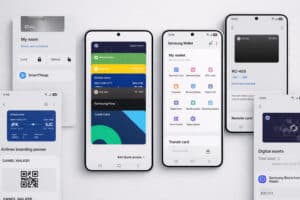
- Phase C (Document Lock): Save your approval, hotel, return or onward plan, and contact details offline before departure.
- Phase D (Arrival Readiness): Keep your first-night address easy to show, and be ready to state your purpose in one clean sentence.
- Phase E (Post-Entry Practicality): Have mobile data, a small transport plan, and enough local payment flexibility for your first hour in Korea.
9. What Most Travelers Forget to Prepare Until It Is Too Late
The most common miss is not the visa itself. It is the first hour after landing. Travelers obsess over approval documents and forget the practical entry chain: address, data access, transit payment, and the exact hotel name in a form that is easy to show if needed.
South Korea is efficient, but efficiency punishes vagueness. If your arrival chain is tight, the whole experience feels modern and smooth. If it is not, you can feel disorganized before you even leave the airport.
That is why visa prep and arrival logistics should always be treated as one system, not two separate problems.
10. A vs B: K-ETA / Exemption / C-3 / Digital Nomad
11. Who Should Use Which Route
K-ETA or exemption is best for ordinary short-term travelers with clean tourism or business itineraries, strong documentation habits, and no need to stretch the meaning of the trip.
C-3 and other formal visa routes are better when your nationality requires them or when your trip purpose sits clearly outside simple visa-waiver logic.
Digital nomad / F-1-D is for people who actually intend to comply with a longer stay framework, not for travelers hoping they can arrive on tourism and improvise into a remote work life later.
The cleanest entry path is not always the “easiest-looking” one. It is the one that matches your real plan without forcing explanations.
12. Expert FAQ: 2026 Entry Compliance
Does K-ETA guarantee entry?
How early should I apply for K-ETA?
Do I still need K-ETA in 2026 if my country is visa-free?
What is the official K-ETA fee?
Can I switch from tourism status to digital nomad status in Korea?
What usually causes avoidable entry stress?
Should I carry printed documents?
What is the smartest one-sentence answer at the counter?
Optimize Your 2026 Korea Logistics
- ➜ Arrival Strategy: Step-by-Step Incheon Entry Flow
- ➜ Data Planning: Professional 2026 eSIM Comparison
- ➜ Arrival Questions: Immigration Q&A Master List
- ➜ Korea After Entry: Gwangalli Beach Busan Night View Guide
- ➜ Another Korea Stop: Gimnyeong Beach Jeju Guide
13. Official 2026 Resource Index
For South Korea entry planning, official sources matter more than almost anywhere else because outdated third-party summaries create real mistakes.
visa.go.kr ↗
immigration.go.kr ↗
e-arrivalcard.go.kr ↗
Expert Final Verdict
Best low-friction 2026 route: If your nationality is temporarily exempt, verify that status and travel with standard proof anyway. If you need K-ETA, apply only through the official channel and keep your first-night details perfectly consistent.
Best formal route: If your trip purpose clearly falls outside simple short tourism or visa-waiver logic, do not force the wrong lane. Use the proper visa category early and let the paperwork match the trip.
South Korea rewards clean preparation. The travelers who enter most smoothly are rarely the ones with the most documents. They are the ones with the most consistent ones.