Hakone Shrine: The Torii Photo Spot Everyone Gets Wrong (And How to Do It Right)
A Comprehensive Journey into the Spiritual Heart of the Kanagawa Mountains.
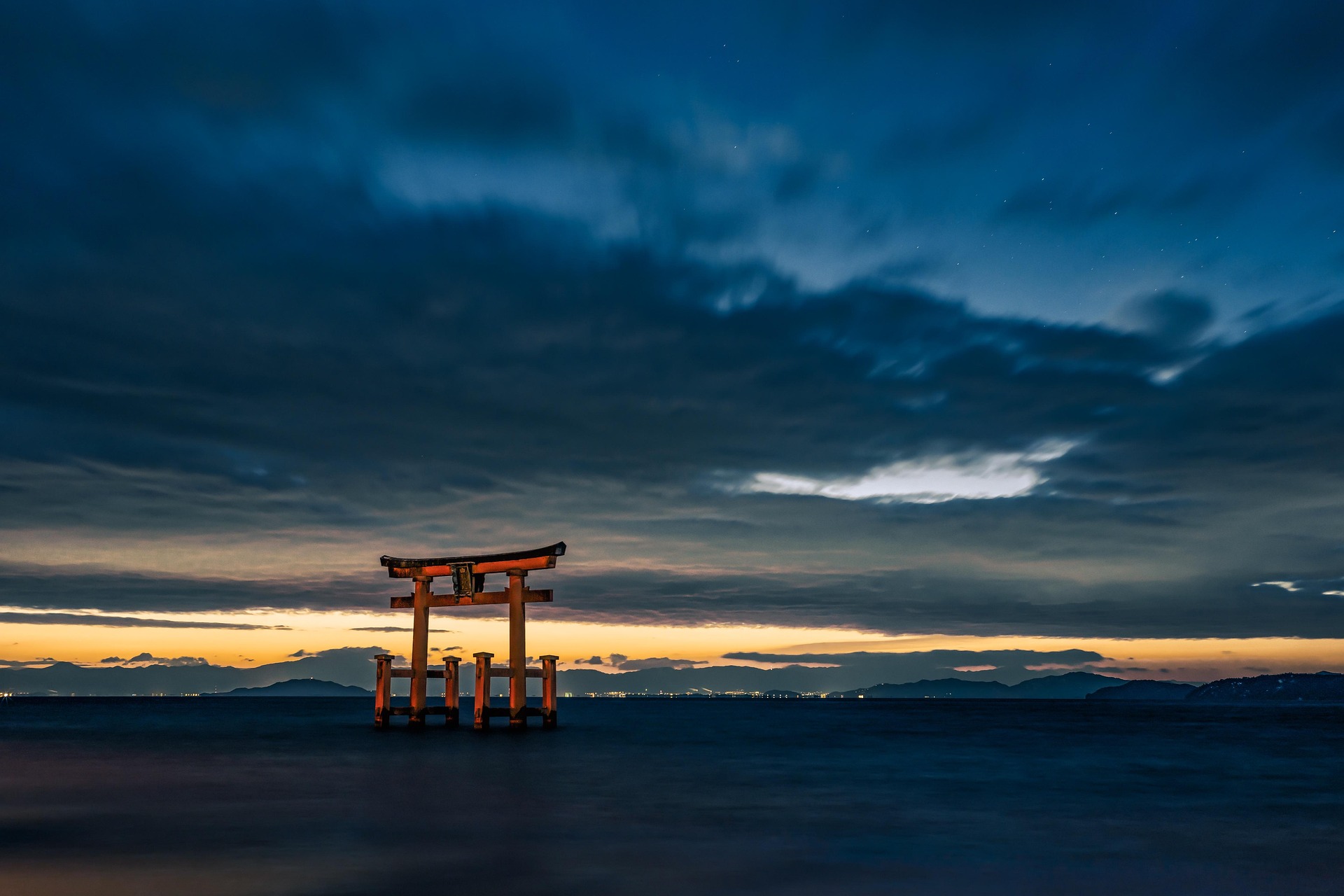
Hakone Shrine stands as a monumental pillar of Japanese spiritual heritage, perched on the misty, cedar-fringed shores of Lake Ashi where the iconic vermillion torii gate rises majestically from the water, welcoming travelers to a realm where ancient history and breathtaking nature converge into one calming experience. In 2026, as travel to the Fuji-Hakone-Izu National Park becomes increasingly sophisticated, understanding the tactical approach to this 1,200-year-old sanctuary is the difference between a rushed photo stop and a profound cultural awakening.
🏆 Quick Summary: Hakone Shrine Essentials
- ✓The Peace Torii: The world-famous “Heiwa-no-Torii” standing in the lake water requires a 08:30 AM arrival for crowd-free shots.
- ✓Transit Mastery: Board the Hakone Tozan Bus (Line H) from Hakone-Yumoto Station; it’s the most direct artery to the shrine.
- ✓Samurai Heritage: Originally a sanctuary for the Minamoto and Hojo clans, this site is a deep dive into Japan’s feudal warrior spirituality.
- ✓Cost & Access: The grounds are open 24/7 and free of charge; only the Treasure Museum requires a modest 500 JPY entry fee.
- ✓Fuji Alignment: For the iconic “Gate + Fuji” composition, winter mornings offer the highest atmospheric clarity.
I. What It Feels Like: The Sensory Forest Sequence
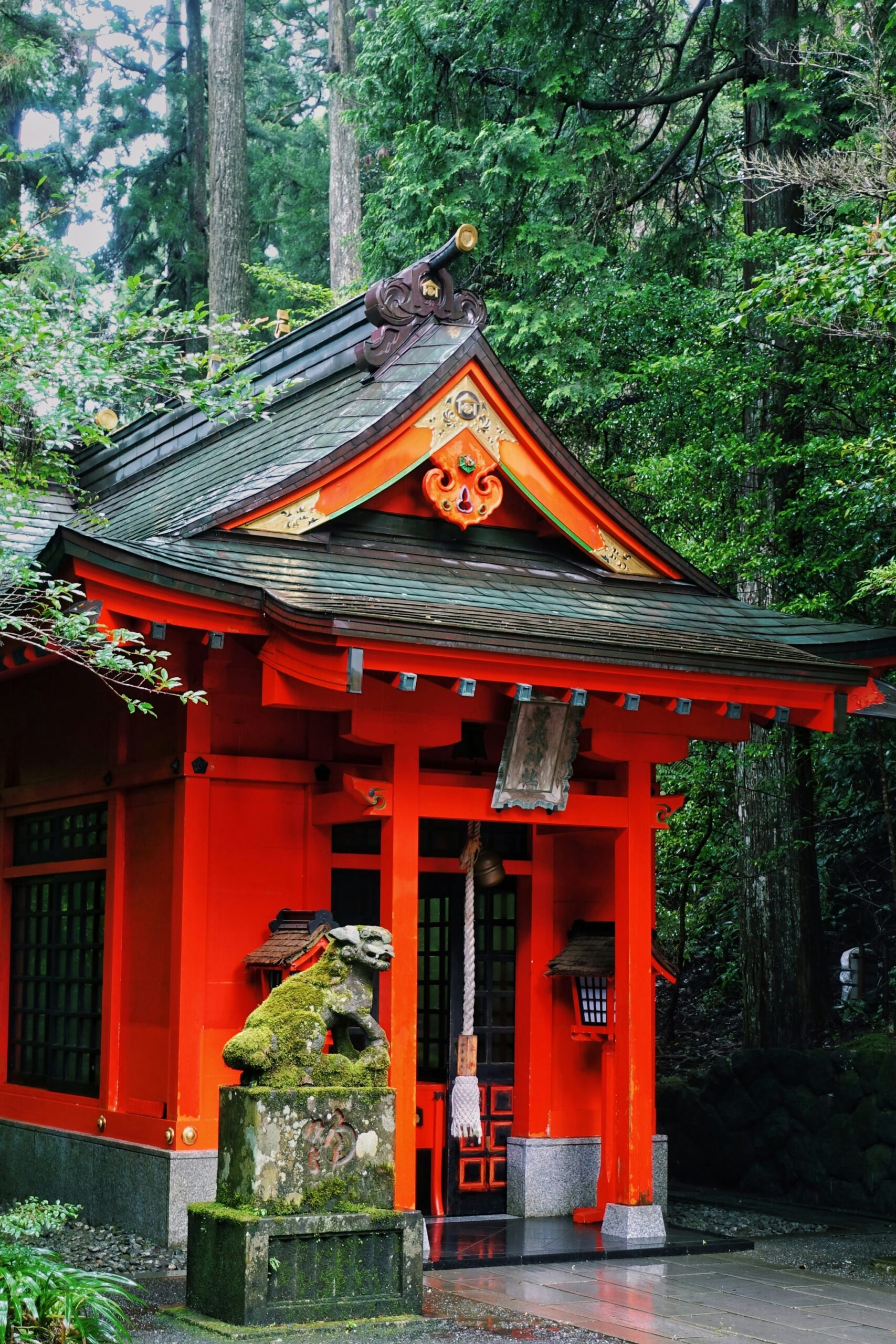
“Imagine the profound silence of a centuries-old cedar forest, where the only sound is the soft crunch of gravel beneath your feet and the distant lap of Lake Ashi against the shore. The air at Hakone Shrine feels heavy with history and moss-covered stone, cooling instantly as you step beneath the massive forest canopy. Here, the vibrant orange of the torii gates contrasts so sharply with the deep forest greens that it feels like stepping into a hand-painted scroll of old Japan.”
Visiting Hakone Shrine in 2026 remains a transformative experience. As you depart the bustling Motohakone-ko pier, the modern world begins to dissolve. The ascent toward the main sanctuary is not merely a physical climb but a psychological transition. The “Stairs of 89 Steps”—believed to wipe away 89 types of worldly suffering—are lined with towering cryptomeria trees that predate the modern era. The scent is unmistakable: a mix of damp earth, incense, and the crisp mountain air of the Kanagawa highlands.
II. The Contextual Strategy: 1,200 Years of Mountain Worship
To truly appreciate the shrine, one must understand its ‘Contextual Strategy’ as a historical gateway. Founded in 757 by the priest Mangan, the shrine was established to pacify the legendary nine-headed dragon living in Lake Ashi. For centuries, the Hakone pass was the most treacherous section of the Tokaido Road, the vital link between Kyoto and Edo (Tokyo).
The Samurai Connection
Minamoto no Yoritomo, the first shogun of the Kamakura period, sought refuge here after his defeat at the Battle of Ishibashiyama. His subsequent victory solidified Hakone Shrine’s reputation as a sanctuary for warriors. In 2026, you can still feel this martial dignity in the architecture of the Honden (Main Hall), which features intricate woodwork and gold leaf accents that survived the centuries.
⚖️ Strategy Analysis: Smart Timing vs. Common Mistakes
III. Logistics Matrix: Planning Your 2026 Journey
| 📍 Location | 80-1 Motohakone, Hakone-machi, Kanagawa-ken |
| 🚢 Access | Hakone Tozan Bus Stop: Motohakone-ko (75) |
| ⏰ Hours | Grounds: 24h | Hall: 09:00 – 16:30 | Museum: 09:00 – 16:00 |
| ⛩️ Best Photo Spot | Heiwa-no-Torii (The Peace Gate in the water) |
| 🔗 Official Website | hakonejinja.or.jp |
🔴 Insider Hacks: Beating the System
- The “Reverse Loop” Secret: Most tourists start the Hakone Loop clockwise (Train -> Cable Car -> Boat). Do it counter-clockwise (Bus to Motohakone first). You will reach the shrine 3 hours before the crowds coming from the ropeway.
- Photography Precision: To capture the torii gate with the lake and sky, have your partner stand at the very edge of the stone platform while you stand 10 steps up the stairs. This elevation change compresses the perspective for a professional “National Geographic” look.
- Ryujinsui Cleansing: Near the main shrine, look for the nine dragon heads. This is Ryujinsui. It is safe to drink and believed to cleanse your spirit. Local tip: Bring a small empty bottle to take some of this sacred water with you.
- The “Bakery & Table” Strategy: After your 8:30 AM visit, head immediately to ‘Bakery & Table Hakone’ next to the pier. Grab a foot-bath seat on the terrace before they fill up at 10:00 AM.
IV. Step-by-Step Logistics: The Seamless Path
Strategic Departure
Board the Hakone Tozan Bus (Line H) from Hakone-Yumoto Station. This route is much faster than the mountain train for reaching the shrine directly.
The Water Approach
Exit at ‘Motohakone-ko’. Do not go up the hill yet. Walk along the lakeside path for 5 minutes toward the massive floating torii gate. Do your photos now.
The Forest Ascent
Enter the forest through the second massive gate. Climb the central staircase. Take your time—the moss-covered lanterns are over 200 years old.
Shrine Etiquette
Perform the ‘Bow-Bow-Clap-Clap-Bow’ ritual at the main hall. If you seek a charm, the Omamori for safe travel (Kotsu-anzen) is the most traditional choice here.
⚠️ Warning: Respect & Safety
- Surface Danger: The stairs leading to the water torii gate are often submerged or wet. Moss makes them incredibly slippery—wear footwear with high-traction soles.
- Ceremonial Decorum: Shinto priests often perform purification ceremonies in the morning. Do not use flash photography inside the shrine buildings or during active prayers.
- Weather Flux: Hakone’s mountain weather changes in minutes. Even if it is sunny in Odawara, the shrine can be foggy and 5°C colder. Always carry a light shell or umbrella.
V. Location & Geographic Mastery
Understanding the layout of Motohakone is crucial for a smooth transition to the Hakone Sightseeing Cruise or the Old Tokaido road walk.
Alt Text: Interactive Map of Hakone Shrine showing Motohakone-ko Pier and the Heiwa-no-Torii.
💬 Frequently Asked Questions (FAQ)
Q: Is the Hakone Free Pass valid for the bus to the shrine?
A: Absolutely. The Hakone Free Pass covers all Hakone Tozan buses (Line H, R, K, etc.), the sightseeing cruise, and the mountain railway. It is the most economical way to reach Hakone Shrine.
Q: What is the best time of year for Mt. Fuji views from the shrine?
A: Winter (December to February) offers the clearest air. In summer, humidity often creates a haze that obscures Fuji even on sunny days.
Q: Are there any dress code requirements?
A: While there is no strict code for visitors, respectful attire is recommended. Avoid overly revealing clothing as this is a sacred site. Comfortable walking shoes are a must due to the 89 stone steps.
Complete Your Japan Travel Stack:
- ➜ Imperial Heritage: Discover the refined elegance of the Katsura Imperial Villa in Kyoto.
- ➜ Feudal History: Explore the samurai legacy at the iconic Tsuruga Castle in Aizu-Wakamatsu.
- ➜ Connectivity: Stay connected with our guide to the Best International eSIM Providers for Japan.
Ready for Your Spiritual Journey?
The mist of Lake Ashi is waiting for you. Lock in your Hakone Free Pass and prepare for an unforgettable morning at the sanctuary.
Author Note: This guide was meticulously updated on February 21, 2026, by our Japan travel experts. We personally verified the 2026 bus schedules and torii gate access protocols to ensure your trip is seamless and stress-free.
© 2026 Trip-Nexus. All rights reserved. Focus Keyword: Hakone Shrine.