Ho Chi Minh Mausoleum: What It’s Really Like (Rules, Lines & Reality Check)
🇻🇳 National Heritage • Solemn • 2026 Updated
Ho Chi Minh Mausoleum Hanoi is one of the few places in Southeast Asia where sightseeing turns into ceremony. Most travelers expect a quick landmark stop. What they get instead is a highly controlled, emotionally heavy morning ritual with dress rules, silent lines, security checks, and a pace that feels closer to a state memorial than a tourist attraction.
That is exactly why this place matters. If you arrive too late, wear the wrong clothes, or treat it like a casual photo stop, the experience can collapse before it even starts. But if you show up prepared, it becomes one of the most revealing cultural experiences in Hanoi.
Search Intent: What This Guide Solves
This guide is for travelers asking: Is Ho Chi Minh Mausoleum worth visiting? What are the rules? What time should I arrive? What should I wear? How does it compare with Hanoi’s more relaxed landmarks? If that is exactly where you are, this page is built for you.
Quick Summary
✅ My 2026 No-BS Survival Kit
Why This Place Matters
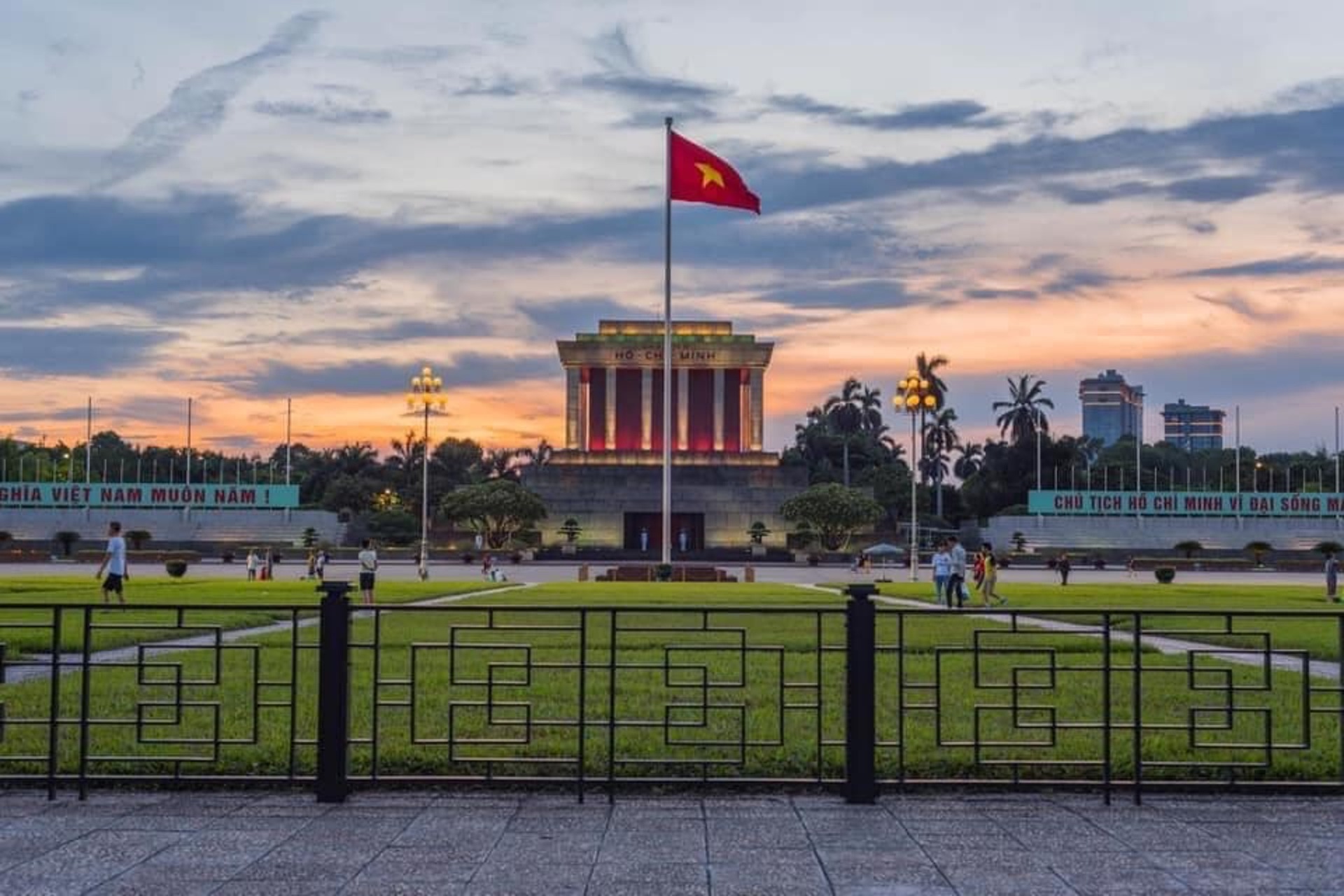
Ba Dinh Square is not just another postcard location. This is where Ho Chi Minh read the Declaration of Independence in 1945, and that political symbolism still dominates the atmosphere today. The mausoleum is not designed to feel warm or casual. It is meant to frame memory, authority, sacrifice, and national identity in a highly controlled public space.
That is why the visit hits differently from most Hanoi attractions. At Hoan Kiem Lake, you wander. At the Temple of Literature, you browse and linger. Here, you submit to the flow. The space tells you how to behave, how quickly to move, and how seriously to take the moment. For some travelers that feels uncomfortable. For others, that is exactly what makes it unforgettable.
Honestly? It’s a Bit Intense
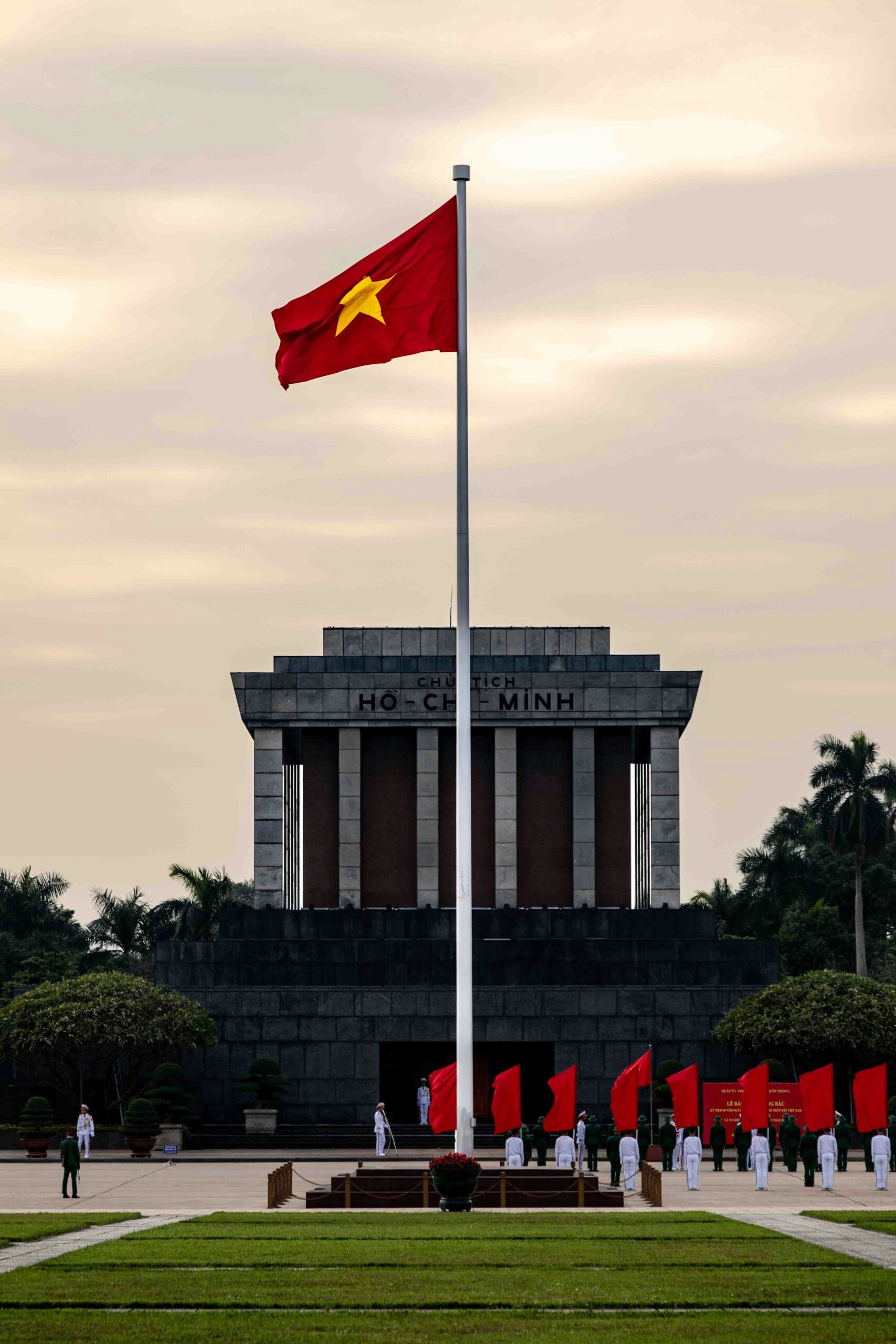
As you walk onto Ba Dinh Square, the first thing you notice is the absence of normal Hanoi chaos. The noise drops. The grass is clipped with military precision. The broad geometry of the square and the guards’ choreography create an atmosphere that feels almost too ordered after the city’s motorbike-heavy rhythm.
I found that contrast more jarring than expected. One minute you are in a living, messy capital. The next, you are inside a civic space that seems engineered to suppress spontaneity. That shift is the real emotional threshold of the visit.
Inside the mausoleum, the temperature falls sharply. I actually shivered the first time. The interior is cold, quiet, and tightly controlled. You move in a single-file line, you do not stop, and the actual pass-by lasts only a few seconds. But those seconds feel elongated by the silence, the lighting, and the sound of the guards’ boots. It is not “fun,” and trying to sell it that way would be dishonest. It is solemn, strange, and unexpectedly affecting.
“Standing in that silence, I realized this isn’t really staged for foreign visitors. It is a national act of remembrance that outsiders are temporarily allowed to witness.”
Key Visitor Info at a Glance
My Morning Walk: Beyond the Tomb
Once you exit the mausoleum, do not treat the visit as over. The surrounding grounds are what restore balance. Without them, the experience can feel abrupt, almost emotionally compressed. With them, the morning gains texture.
This was my favorite part of the whole complex. After the mausoleum’s monumental mood, the stilt house feels human-scale and unexpectedly intimate. It tells a completely different story: restraint, simplicity, and daily routine.
Small, elegant, and emotionally cleansing after the severity of the main visit. It is the kind of stop that lets your shoulders drop again.
If you still have energy, this is where the morning becomes more interpretive. The exhibits can feel stylized and even surreal, but they help explain the symbolic ecosystem around the mausoleum.
Expectation vs Reality
Reality: You are entering a tightly regulated memorial environment with a specific etiquette and a fixed emotional tone.
Reality: The broader complex is what gives the mausoleum meaning. The walk through the grounds matters just as much.
Reality: Depending on the line, security flow, and how much of the surrounding complex you explore, this can easily dominate your morning.
The Boring but Vital Logistics
🦊 Insider Hacks: Avoid the Headache
- The Bag Trap: The more gear you bring, the more friction you create for yourself. This is not the morning for a big backpack or a “just in case” camera setup.
- The First-Morning Mistake: I would not make this your very first unmanaged hour in Hanoi unless you already understand the city’s rhythm. It is better on day two than in a jet-lagged haze.
- The Emotional Reset: After the mausoleum, walk slowly through the grounds instead of rushing out. That five- to fifteen-minute decompression makes a huge difference.
- The Airport Connection: If you are still learning how Vietnam transport and arrival systems work, review the airport immigration process guide before you start stacking strict attractions into your schedule.
- Stay Connected: For transport and map checks, I still prefer using an eSIM plan before leaving the hotel. Our Roamless eSIM review and international eSIM guide make the post-visit exit smoother.
Which Hanoi Landmark First?
If you want more ancient atmosphere after the mausoleum, read the Temple of Literature guide. If you want a softer introduction to the city, start with Hoan Kiem Lake instead.
How to Visit Smoothly: Step by Step
- Dress properly before leaving the hotel. Do not assume you can negotiate the standard at the gate.
- Leave early enough to arrive before the line becomes the main event.
- Keep your bag light and your phone use minimal once you are in the controlled zone.
- Move through the mausoleum exactly as directed. Do not treat it like a photo landmark.
- Continue to the Stilt House and One Pillar Pagoda before leaving the complex.
- Finish the morning with a calmer cultural stop or a late breakfast rather than trying to cram in another strict landmark immediately.
FAQ
Is Ho Chi Minh Mausoleum worth visiting?
Yes, if you want to understand Hanoi’s political and symbolic center. No, if you are only looking for a relaxed, photo-first attraction.
What should I wear?
Wear respectful clothing that covers shoulders and knees. This is not the place for tank tops, short shorts, or sloppy “tourist mode” outfits.
Is the mausoleum free?
Current tourism listings commonly show 35,000 VND, so I would budget for that rather than assuming free entry.
How long does the visit take?
The pass-through itself is very short, but the full morning can take much longer once you include waiting, security flow, and the surrounding complex.
Can I visit on Monday or Friday?
That is usually the classic mistake. Plan for Tuesday, Wednesday, Thursday, Saturday, or Sunday instead.
Is it better than Temple of Literature?
Not better, just different. The mausoleum is more serious and symbolic. Temple of Literature is easier, more beautiful, and much less emotionally rigid.
Keep Building Your Vietnam Route
Official and Authoritative Links
Final Verdict
Ho Chi Minh Mausoleum Hanoi is not the warmest place in the city, and it is not meant to be. It is rigid, formal, and occasionally uncomfortable. That is exactly what gives it power.
If you approach it like a tourist checkbox, it may feel overrated. If you approach it as a ceremonial window into Vietnamese political memory, it becomes one of the most important mornings you can spend in Hanoi. Go early, dress properly, keep your expectations realistic, and let the surrounding complex complete the experience.
Updated: March 2026 • Rebuilt into full guide format with route planning, rules, comparison, FAQ, and internal links