JP
2026 Samurai Heritage Guide
Tsuruga Castle — A Realistic Guide to Aizu’s Red-Tiled Soul
Search Intent: Planning a visit to Tsuruga Castle (Aizuwakamatsu Castle) in 2026? This guide goes beyond the red-tiled aesthetics to show you the real Aizu. I’ll help you navigate the 5-story museum, find the quietest tea house spots, and time your loop bus strategy to avoid the midday tourist crush.
Tsuruga Castle: Timeless Samurai Heritage in Aizuwakamatsu
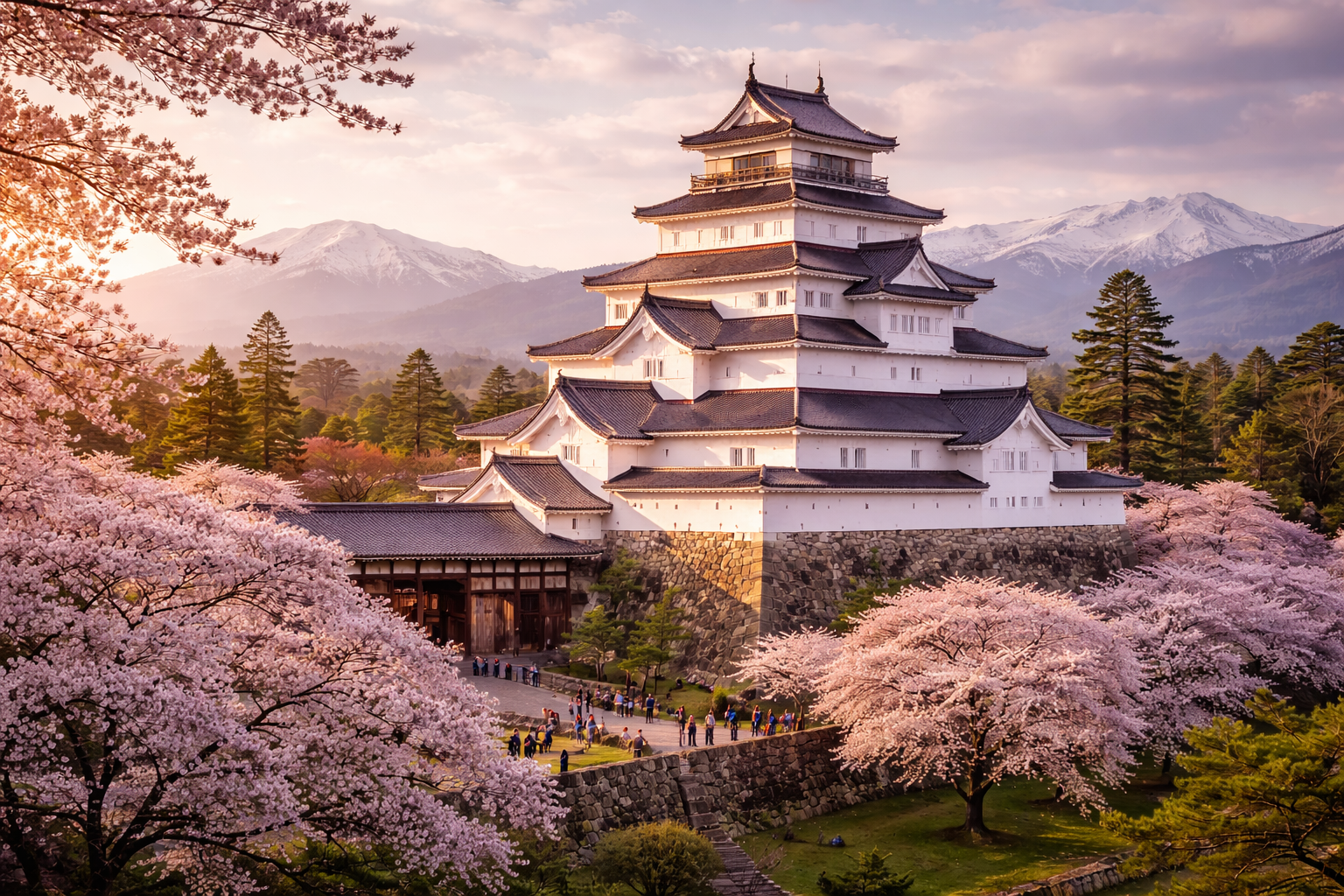
Tsuruga Castle rises in the heart of Fukushima’s Aizu region with an elegance that feels both timeless and quietly powerful. While many Japanese castles were built for display, Tsuruga was built for endurance—a fact proven during the month-long siege of the Boshin War.
In 2026, the castle stands as the only one in Japan with an authentic red-tiled roof, a detail that protected the structure from the harsh northern winters. Walking across the grounds, you don’t just see a building; you experience the living heartbeat of Aizu’s samurai resolve. It is a rare destination where the weight of history is balanced perfectly by the beauty of the surrounding park.
Honestly? It’s a Museum That Asks for Your Pacing
When you first enter the main keep, you might be surprised by the modern museum interior. It isn’t a drafty wooden fortress; it’s a high-tech facility designed to tell a story. I found that the experience gets better as you go higher. By the time you reach the 5th floor and feel the cool wind coming off Mount Bandai, the historical context of the artifacts below starts to feel visceral. It’s a place that trades “ancient dust” for “vivid narrative,” which is much better for families and casual history buffs.
My Practical Advice: Do not ignore the Rinkaku Tea House on your way out. It was saved from destruction by a local tea master over a century ago, and drinking matcha there feels like a genuine connection to the feudal lords who once did the same. I recommend visiting the tea house right after the museum to decompress from the heavy Boshin War exhibits before you head back to the city.
Insider Tip (The Moat View): Walk to the southeast corner of the outer moat. While the main gate is swamped with tour groups, this corner offers the best reflection of the red tiles in the water, providing a much more serene “postcard” moment.
Reality Check (Closing Times): The gates close at 5:00 PM, but the last entry is at 4:30 PM sharp. I’ve seen many heartbroken travelers arrive at 4:35 PM only to be turned away from the museum. Give yourself a full two hours to see the grounds and the tower properly.
Vital Logistics (2026)
Tsuruga Castle vs. Himeji Castle (Which One is Yours?)
Tsuruga: Intimate, narrative-heavy, and unique for its red tiles. Best for history lovers who value local storytelling.
Himeji: Monumental, architectural, and original wood. Best for purists who want to see massive scale and engineering.
My Honest Take: If you want to *understand* the resilience of the Japanese people, Tsuruga is the winner. If you want to see a “national treasure” photo op, Himeji takes the prize.
The High-Impact Samurai Route: Step-by-Step
- 09:00 AM – The Grand Approach: Enter through the North Gate. Feel the scale of the stone walls before heading to the keep.
- 09:30 AM – The Tower View: Start at the top floor. Look for Mount Bandai to orient yourself before descending into history.
- 10:30 AM – Historical Focus: Spend extra time on the 2nd floor where the tragic White Tiger Force story is told.
- 11:30 AM – Tea House Reset: Exit to the **Rinkaku Tea House**. Order matcha and a sweet to process what you’ve just seen.
- 12:30 PM – The Local Shift: Catch the Machinaka Loop Bus to the **Nanokamachi area** for lunch and lacquerware shopping.
Google Map
FAQ (Honest Answers)
Explore More of Japan’s Spirit
I have personally navigated this castle park; updated in February 2026 based on the latest seasonal flow and official Fukushima tourism standards.
Next Step
After soaking in the samurai history, catch the loop bus to
Nanokamachi Street
for a taste of local sake and traditional lacquerware—the perfect end to your Aizu journey.
Nanokamachi Street
for a taste of local sake and traditional lacquerware—the perfect end to your Aizu journey.