Lake Ashi Hakone Guide 2026: Best Route, Cruise Tips, and How to Actually See Mt. Fuji
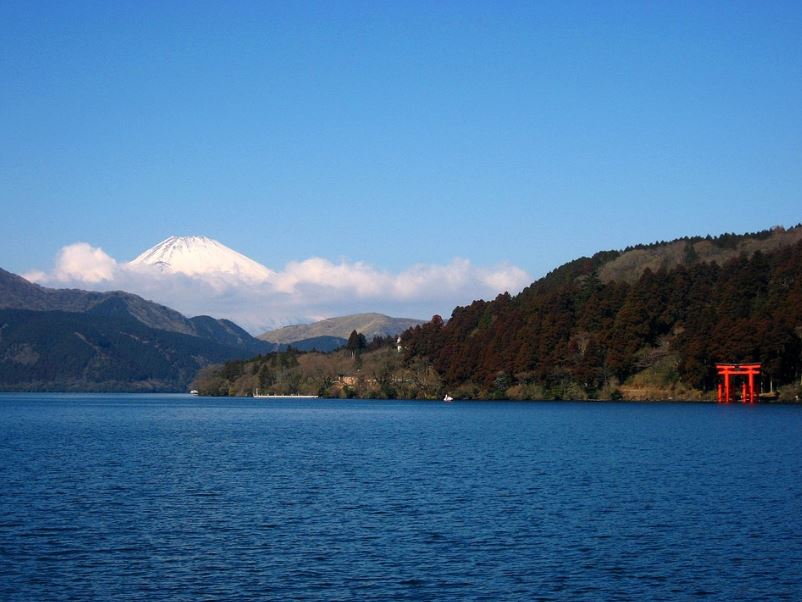
Lake Ashi, or Ashinoko, is the emotional center of Hakone: a volcanic caldera lake where pirate ships drift past cedar-lined shores, Hakone Shrine’s famous torii glows against the water, and clear mornings can reveal one of Japan’s most iconic Mount Fuji views. This guide is built for real trip planning, not brochure language, so you can decide when to go, how to get there, what is actually worth doing, and how to shape a smoother day around the lake.
Quick Summary
- Lake Ashi formed in the caldera of Mount Hakone after volcanic activity roughly 3,000 years ago.
- The lake is best known for three things: the sightseeing “pirate ships,” Hakone Shrine’s lakeside torii, and clear-day views of Mount Fuji.
- The easiest sightseeing loop combines the Hakone Ropeway, Togendai, a Lake Ashi cruise, Moto-Hakone, and Hakone Shrine.
- The Hakone Sightseeing Cruise between Togendai, Hakone-machi, and Moto-Hakone typically takes about 25 to 40 minutes depending on the section.
- Winter and crisp early mornings often give you the best chance of seeing Mount Fuji clearly, but Lake Ashi is beautiful even when the mountain hides behind cloud.
- The Hakone Freepass can be a smart buy if you are using multiple Hakone transport lines and planning to move around actively in one or two days.
Search Intent
People searching for Lake Ashi Hakone usually want one of four things: whether the lake is actually worth visiting on a Tokyo day trip, how to combine it with Hakone Shrine and the ropeway efficiently, when they have the best chance of seeing Mount Fuji, and whether the pirate cruise is a gimmick or a genuinely worthwhile experience. This article answers those questions directly.
Introduction
Lake Ashi is one of those places that can look impossibly polished in photographs, which honestly made me a little suspicious before I went. Japan has plenty of scenic spots that are beautiful, yes, but also heavily filtered by expectation. Lake Ashi surprised me because it felt even more atmospheric in person, especially when the weather was not perfect. The light changed constantly. Mist moved over the water. The cedar-covered slopes seemed to hold onto silence. And even when Mount Fuji refused to appear, the lake still felt complete.
That is the real strength of Lake Ashi in Hakone. It is not a one-note viewpoint. It is a full travel scene. You have the pirate-style sightseeing ships crossing a volcanic lake, ropeway cabins gliding above steaming Owakudani, shrine paths disappearing into old forest, and small lakeside pockets like Moto-Hakone where a walk, a coffee, and an hour of doing absolutely nothing suddenly feel like the best part of the day.
Official tourism material highlights the lake’s volcanic origin, the cruise routes, and the Mount Fuji view, and those points are absolutely valid. But what I think makes Lake Ashi memorable is the way those elements overlap. This is not just “a lake in Japan.” It is a place where geology, belief, and sightseeing infrastructure somehow fit together without canceling each other out. You can move from volcanic terrain to spiritual atmosphere to pure postcard scenery in a single afternoon.
If you are planning Hakone for the first time, Lake Ashi is one of the safest anchors for your itinerary. If you are returning, it is often the part of Hakone that lingers the longest in memory. I would not call it an adrenaline stop or a hidden secret. It is popular for a reason. But on the right day, especially if you time it early or late, it can feel much more intimate than its fame suggests.
Why Visit Lake Ashi
The short answer is balance. Lake Ashi gives you scenery, movement, history, and atmosphere without requiring extreme effort. Some beautiful spots ask for long hikes, lucky weather, or a very specific seasonal window. Lake Ashi is more forgiving. Even on a cloudy day, the boat ride is relaxing, the forested shoreline is calming, and the area around Hakone Shrine still carries that slightly mystical mood Hakone does so well.
On clear days, the reward level rises dramatically. The view of Mount Fuji beyond the lake is one of the classic landscapes of central Japan, and the setting earns its reputation. According to official Japan tourism material, Lake Ashi sits in a caldera formed after an eruption of Mount Hakone around 3,000 years ago, which already makes the setting more dramatic than it first appears. You are not simply looking at a lake. You are looking at a volcanic landscape shaped by deep time.
Then there is the visual identity. Hakone Shrine’s large red torii near the shore is among the most photographed icons in the region. The sightseeing ships, designed in a flamboyant “pirate ship” style, could have been tacky in the wrong place, but here they work strangely well. Against the dark greens of the hills and the silver-blue surface of the lake, they add a theatrical layer that makes the whole experience feel a bit dreamlike.
I also think Lake Ashi works because it gives different travelers different versions of value. Couples get romance without too much cliché. Families get an easy transport-based adventure. First-time Japan travelers get a cinematic image of the country that still feels rooted in place. And slower travelers get what I appreciate most: somewhere to pause. Too many itineraries in Japan are built like checklists. Lake Ashi is one of the better places to remember that a trip should also breathe.
What It Feels Like to Be There
There is a specific kind of quiet at Lake Ashi that is hard to fake. Not silence, exactly. More like a soft layering of sounds: the low engine hum of a boat leaving port, wind moving through cedar branches, shoes on gravel near shrine steps, a camera shutter somewhere behind you, and water repeatedly touching the shore with the gentlest confidence. It feels spacious, but not empty.
My first impression was that the light seemed to have more room to move here. Clouds opened and closed over the hills in slow motion. The lake shifted from green to steel to pale silver depending on the angle. One minute it looked almost solemn, the next minute bright and leisurely. That constant change is part of the charm. Lake Ashi does not present one perfect fixed image. It keeps rearranging itself.
Walking near Moto-Hakone, I had the feeling that Hakone’s famous mix of resort culture and spiritual depth was most legible here. You see visitors lining up for photos, then turn and notice shrine pathways disappearing into old trees. You pass souvenir shops, then smell sulfur in the distance and remember the broader volcanic system that defines the region. It is polished enough for tourism, but still textured enough to feel real.
An honest downside: it can get crowded, especially around the shrine torii and during prime late-morning hours. If you arrive expecting total solitude at a famous Hakone landmark, you may be disappointed. But the crowd issue is also manageable. I found the atmosphere changed noticeably when I moved a little farther from the obvious photo spots or stayed longer than the average quick-stop visitor. The lake rewards patience. A lot of people come for ten minutes. The mood begins after that.
Key Information
| Category | Details |
|---|---|
| Location | Hakone, Kanagawa Prefecture, Japan |
| What It Is | A caldera lake formed after volcanic activity around Mount Hakone |
| Main Highlights | Hakone Sightseeing Cruise, Mount Fuji views, Hakone Shrine torii, Moto-Hakone waterfront, access to Hakone Round Course |
| Typical Cruise Time | About 25–40 minutes depending on route section |
| Best Time | Autumn for foliage, winter for sharper Fuji visibility, spring for softer scenery and flowers |
| Admission | The lake itself is free; cruises, museums, and some attractions cost extra |
| Nearest Transport Hubs | Togendai, Moto-Hakone, Hakone-machi, Hakone-Yumoto, Odawara |
| Official Sources | Japan National Tourism Organization: Lake Ashinoko Hakone Navi: Hakone Sightseeing Cruise Hakone Navi: Hakone Freepass |
Best Time to Visit Lake Ashi
There is no bad season here, but there are definitely different priorities. Official Hakone seasonal material emphasizes year-round natural appeal, and that feels accurate. The better question is what kind of mood you want.
Spring: gentler light, fresh greenery, and a softer overall atmosphere. This is good if you want a romantic, easygoing Hakone day without the starkness of winter.
Summer: greener and livelier, with festival energy around late July and early August during Lake Ashi Summer Festival Week. It is atmospheric, but more humid and less reliable for crisp Fuji views.
Autumn: one of the strongest choices. Official tourism guidance lists Lake Ashinoko among Hakone’s key foliage spots, and the warm reds and oranges suit the lake beautifully.
Winter: my practical favorite for scenery if you care deeply about Mount Fuji. Hakone’s own winter view promotion leans into this, and it matches real travel logic: colder, drier air often gives cleaner mountain visibility. The trade-off is colder wind near the water, so dress accordingly.
How to Get There
From Tokyo, the cleanest gateway is usually Odawara or Hakone-Yumoto. If you are using the shinkansen, reach Odawara first and continue into Hakone. If you want a smoother tourist route from central Tokyo, the Odakyu Romancecar from Shinjuku to Hakone-Yumoto is often the more relaxed choice. Odakyu’s official travel information positions the Romancecar as a comfortable direct option, and for many travelers it is exactly that: easy, predictable, and psychologically pleasant.
From Hakone-Yumoto, you can build the classic loop toward Lake Ashi by combining local transport lines. A common route is Hakone Tozan Railway to Gora, then onward by cable car and ropeway toward Togendai. Official ropeway information notes the line between Sounzan and Togendai takes about 30 minutes one way and includes views over Owakudani, Mount Fuji, and Lake Ashi. That is one of the most visually satisfying arrivals you can make.
If you prefer less transfer complexity, buses from Hakone-Yumoto also connect to the lake area, including Moto-Hakone and Hakone-machi. This can be practical, although road traffic in busy periods may slow things down. For first-time visitors who want scenery built into the transportation itself, I would still lean toward the ropeway-plus-cruise combination.
The Hakone Freepass deserves serious consideration. Official Hakone and Odakyu materials describe it as an all-in-one sightseeing transport pass covering major affiliated routes and offering discounts at selected attractions. In real use, it becomes worth it when you stop hesitating about individual fares and just move. If you know you will do the ropeway, a cruise, local trains, and buses, it often makes both economic and mental sense.
Suggested Route
Best first-time route: Hakone-Yumoto → Gora → Sounzan → Hakone Ropeway → Togendai → Lake Ashi cruise → Moto-Hakone → Hakone Shrine → bus back or continue onward.
This route works because it builds anticipation. You rise into the mountains first, see the volcanic zone around Owakudani, descend toward the lake, and then cross the water instead of merely looking at it from land. By the time you reach Moto-Hakone, the shrine visit feels like a natural final act rather than a random add-on.
If you only have a half day, prioritize Togendai + cruise + Moto-Hakone + Hakone Shrine. If you have a full day, add the Open-Air Museum or a more relaxed meal and lakeside walk.
Travel Tip
If seeing Mount Fuji matters a lot to you, do not schedule Lake Ashi as your final rushed stop of the day. Put it earlier, preferably on a cold, clearer morning, and accept that visibility is never guaranteed. I have made the mistake of arriving with “golden hour expectations” only to find haze and cloud. Lake Ashi is forgiving, but Mount Fuji is not.
Warning
The most famous torii photo area near Hakone Shrine can become crowded and slower-moving than many travelers expect. Build in extra time. Also remember that weather changes quickly in Hakone: wind near the lake can feel much colder than it looked on your phone forecast, especially outside summer.
Cultural Layer: Why Lake Ashi Feels More Than Scenic
One reason Lake Ashi stands above many pretty viewpoints is that it carries a cultural framework strong enough to deepen the scenery. Hakone Shrine, on the lakeshore, has long protected travelers passing through the region. The shrine buildings sit back in the forest, while the lakeside torii has become the public face of the site. That pairing matters. One part invites photography; the other rewards slower attention.
Nearby, the Hakone Checkpoint adds an Edo-period historical dimension. The old Tokaido route passed through this area, and Hakone was not just a resort before it was famous. It was a point of control and passage. The official Hakone travel guide positions the checkpoint as a key historic attraction, and visiting it gives the lake context. You start to understand Lake Ashi not only as landscape but as corridor: a place people crossed, guarded, viewed, feared, and ritualized.
I like destinations more when they feel inhabited by story rather than merely decorated for tourists. Lake Ashi passes that test. The dragon legends around Hakone, the shrine traditions, the old checkpoint, and the lake-crossing routes all create a setting that feels layered instead of staged. Even the pirate ships, which could easily be dismissed as novelty transport, end up participating in that theatrical sense of passage. They are part of the experience of moving through the lake, not just across it.
A vs B: Cruise or Ropeway?
| Factor | Lake Ashi Cruise | Hakone Ropeway |
|---|---|---|
| Best For | Relaxed scenic mood and shrine/lake perspective | Dramatic elevation, volcanic scenery, wide panoramas |
| View Style | Horizontal, cinematic, water-level | Aerial, expansive, more dynamic |
| Feel | Calm, romantic, slower | Exciting, panoramic, more transit-oriented |
| Good With Kids | Yes, especially the ship theme | Yes, though weather and height matter |
| My Verdict | Do it if you want atmosphere | Do it if you want scale |
If possible, do both. If forced to choose just one, I would pick based on mood rather than value. The ropeway gives more visual drama; the cruise gives more emotional resonance.
Nearby Places Worth Pairing with Lake Ashi
Hakone Shrine: the most natural pairing and almost essential for first-timers. The shrine’s forest setting contrasts beautifully with the open lake.
Hakone Checkpoint: a smart add-on if you want historical substance, not just scenery.
Hakone Open-Air Museum: officially open year-round from 9:00 to 17:00, this is the best complementary stop if you want art and a more curated cultural experience.
Owakudani: if you are doing the ropeway, this volcanic valley creates the strongest reminder that Hakone’s beauty sits on active geological foundations.
Lakeside cafés and ryokan zones around Moto-Hakone: not a single attraction, but sometimes the most satisfying addition is simply staying longer around the shore, eating slowly, and letting the place work on you.
Insider Hacks
- Board the cruise with a little time buffer instead of rushing the last minute. The psychological value of starting calm is real here.
- Stand outside for part of the ride if weather allows. The view feels much more alive with wind, open air, and shifting sound.
- Do not judge the day too early if Mount Fuji is hidden. Cloud breaks can happen, but even if they do not, the lake still delivers.
- Photo tip: the most obvious shot is not always the best one. Sometimes a wider composition with shoreline, boat, and cloud texture tells the real story better than a tight Fuji hunt.
- If the torii line is too long for your patience, step back and enjoy the full setting instead of chasing the same photo everyone else is taking.
- Use the Freepass most aggressively when you are moving a lot. If you plan to stay put around one lakeside area, calculate before assuming it is mandatory.
Official + Helpful Links
- Japan National Tourism Organization – Lake Ashinoko
- Hakone Navi – Hakone Sightseeing Cruise
- Hakone Navi – Hakone Freepass
- Hakone Navi – Hakone Ropeway
- The Hakone Open-Air Museum – Official Site
- japan-guide.com – Hakone Free Pass Overview
Related Internal Links
FAQ
Is Lake Ashi worth visiting if Mount Fuji is not visible?
Yes. Mount Fuji is a bonus, not the entire experience. The cruise, shrine atmosphere, forested shoreline, and wider Hakone transport loop still make the area worth it.
How long should I spend at Lake Ashi?
For a quick visit, 2 to 3 hours can cover the cruise and shrine. For a satisfying pace with walking, views, and a meal, half a day is much better.
What is the best side of the lake to visit?
Moto-Hakone is especially convenient for Hakone Shrine and classic lakeside atmosphere. Togendai is practical if you are arriving via ropeway and starting the cruise there.
Are the pirate ships just for tourists?
Yes, they are designed as sightseeing vessels, but that does not make them worthless. They are genuinely scenic and a fun, efficient way to experience the lake.
Can I do Lake Ashi as a day trip from Tokyo?
Absolutely. It is one of the most popular Hakone day-trip anchors from Tokyo, especially when paired with the ropeway and shrine.
Is the Hakone Freepass worth buying?
Usually yes if you plan to use multiple Hakone transport modes in a single trip. It is less compelling if you only go to one lakeside area and return directly.
When is the best time for Mount Fuji views from Lake Ashi?
Cold, clear days and earlier hours often give you the best chance. Winter is especially strong, though visibility is never guaranteed.
Is Lake Ashi good for families?
Yes. The boats, ropeway, manageable walking routes, and flexible sightseeing structure make it family-friendly, though strollers may be awkward near some shrine steps and older paths.
Google Map
Conclusion
Lake Ashi is not just a famous Hakone stop that you tick off because guidebooks told you to. It is one of the few mainstream scenic destinations that still feels emotionally spacious once you arrive. Yes, the Mount Fuji view matters. Yes, the pirate cruise is photogenic. Yes, Hakone Shrine deserves the attention it gets. But what stays with me most is the atmosphere between those headline moments: the stretch of water under changing light, the cool air near the shore, the sense that the landscape is gently performing without trying too hard.
If your Japan itinerary needs one place that combines beauty, history, and easy-access wonder, Lake Ashi is a strong choice. Go with realistic expectations, a little timing flexibility, and enough patience to stay past the first photo stop. That is when Hakone starts to feel less like a famous destination and more like a place you actually met.