Jeju Folklore & Natural History Museum Guide: What to See, How Long It Takes & Why It Matters First
If you want Jeju to make sense before you chase beaches and viewpoints, start here: volcanic origins, island ecology, and everyday culture in one efficient, weather-proof visit.
Search Intent
You’re looking for the museum essentials (what’s inside, what not to miss, how long it takes, updated visit basics like hours/closures/tickets),
plus a simple route you can pair with nearby Jeju City spots without overplanning.
Quick Summary (5 lines)
- Best for: first-time Jeju visitors who want culture + nature history in one calm indoor stop.
- Time: 90–120 minutes (add 20–30 if you read every panel carefully).
- Don’t miss: Folklore Hall “daily life” displays + Natural History volcanic/marine context (it explains why Jeju feels different).
- Best timing: arrive earlier in the day for quieter rooms and easier photos.
- Pair it with: a Jeju City loop (market → waterfront) so your day feels “complete,” not just museum-only.
What It Feels Like (Real Visit Vibe)
This is the kind of museum that quietly wins people over. The first rooms feel grounded—stone textures, warm lighting, and displays that make
Jeju’s “ordinary” life look surprisingly heroic. You’ll see how a windy volcanic island shaped tools, homes, rituals, and even the rhythm of work.
Then the mood shifts in the Natural History section: rocks, landforms, and marine life remind you Jeju was built by fire and shaped by waves.
If you’ve been doing only scenic spots, this is where the island’s backstory clicks into place.
And honestly? It’s one of the easiest “everyone’s happy” stops in Jeju City—no hiking, no weather stress, and enough variety that
even non-museum people suddenly slow down and start reading.
Why Visit (Beyond “Just Another Museum”)
Jeju can be deceptively simple on the surface—beaches, cafes, viewpoints. But the island’s identity is deeper: volcanic geology,
a strong maritime economy, and community traditions built around wind, stone, and sea. This museum connects those dots in a way that’s
easy to absorb, even if you only have two hours.
For first-time visitors, it’s especially useful as a “context primer.” After this visit, lava landscapes feel less like random scenery,
and cultural landmarks feel less like photo props. According to Korea’s official tourism information, the museum introduces Jeju’s unique
traditional culture and natural environment together—exactly why it works so well early in your trip.
If your group has mixed interests (some want culture, some want nature), this is one of the rare attractions that satisfies both without
needing a full-day commitment.
Inside the Museum: What’s Actually Worth Your Time
1) Folklore Hall: daily life, tools, rituals
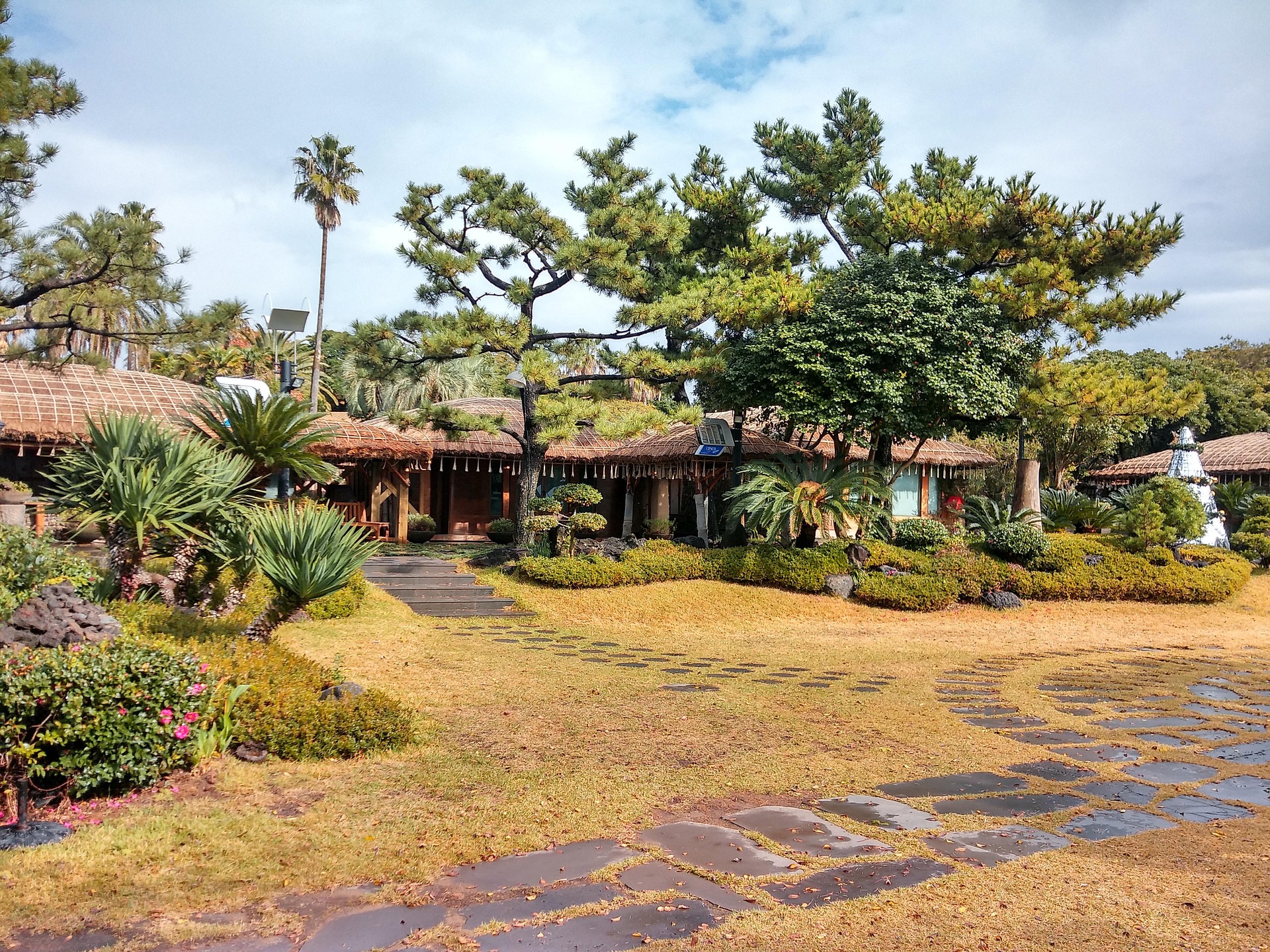
Expect reconstructed living spaces, agricultural and fishing tools, and objects that show how people adapted to Jeju’s conditions.
Look for the “why” behind everything: why roofs are built that way, why tools look the way they do, how communities handled ceremonies.
It’s not flashy—just quietly absorbing.
2) Natural History Hall: volcano, ecology, and marine world
This is where Jeju’s origin story becomes tangible: volcanic formation, rocks/soil, island biodiversity, and marine life.
Korea’s official tourism listing highlights the museum’s coverage of Jeju’s natural history and folklore together, which is exactly the point:
the land and the culture are inseparable here.
Don’t rush this: the “Jeju difference” moments
If you skim everything, the museum feels “fine.” If you slow down for a few key panels—volcanic landscape explanations,
the relationship with the sea, and community traditions—you walk out with a mental map of Jeju that makes the rest of your itinerary better.
Key Information
A Smart 2-Hour Route (No Overthinking)
Step 1 (0–45 min): Folklore Hall highlights
- Scan the “home + tools” zones first (it sets the human story quickly).
- Pick 2–3 objects that surprise you and actually read those panels—this is where Jeju becomes personal.
- If you’re short on time, focus on daily life + maritime culture elements.
Step 2 (45–95 min): Natural History Hall “Jeju origin story”
- Volcanic geology first (the island’s “why”).
- Then ecology/marine sections (the island’s “how it lives”).
- Don’t sprint—this is the part that upgrades your entire Jeju itinerary.
Step 3 (95–120 min): one last slow lap + souvenir mental notes
- Return to the section that matched your travel interests (food, fishing, rituals, rocks, marine life).
- Take 5 minutes to plan your next stop: market (food) or waterfront (walk).
Educational & Cultural Programs (Why It’s More Engaging Than You Expect)
Museums can feel passive—walk, look, leave. But this place often leans toward “learn-by-doing” through rotating exhibits and occasional programs.
Trip planners who like workshops, hands-on cultural moments, or seasonal themes should check the museum’s official announcements before visiting.
Some Jeju museum guides also note craft-style experiences and special exhibitions as part of the museum’s appeal.
If you see a program that matches your travel theme (craft, folklore, local stories), schedule the museum earlier in your day.
You’ll have more patience for labels and exhibits when you’re not already tired from sightseeing.
Best Time to Visit
The museum works year-round because it’s indoors and calm—perfect when Jeju weather turns windy, rainy, or unexpectedly cold.
Seasonally, spring and autumn are comfortable if you’re pairing the museum with outdoor stops the same day.
How to Get There (Simple Options)
The museum sits in Jeju City, so it’s an easy add-on from central hotels and city attractions. From Jeju International Airport,
taxis typically reach central Jeju City quickly, and local buses can also work depending on your route.
- Taxi: easiest if you’re short on time or traveling with family.
- Bus: useful if you’re already near terminals/major routes in Jeju City.
- Car: convenient if you’re doing a “Jeju City morning loop” then heading elsewhere.
Insider Tips & Common Mistakes
✅ Tip: Use this museum to “plan smarter,” not just learn
Before you leave, decide what Jeju theme you care about most: volcano landscapes, coastal culture, or local life.
Then choose your next spot accordingly (waterfront walk, market, or another cultural site). This turns a museum stop into an itinerary upgrade.
⚠️ Warning: Monday/holiday closures can surprise you
Multiple listings note Monday closure patterns and holiday exceptions, so don’t assume it’s open just because you’re in town.
If your Jeju City day is tight, confirm hours on official pages the night before.
✅ Tip: If you hate “too much reading,” pick a theme lane
The museum can feel text-heavy if you try to do everything. Choose a theme:
(A) Jeju daily life + tools, (B) volcano formation, or (C) marine/ecology.
You’ll leave satisfied without forcing yourself through every label.
A vs B: Is This Museum the Right Fit?
A Simple Jeju City Half-Day Plan (Museum + Food + Waterfront)
If you only do the museum and leave, it can feel like a “floating” activity. The better move is to build a mini loop so the day feels complete:
learn Jeju’s story, then taste it, then walk it.
- Museum (90–120 min) – do the smart route above.
- Market lunch – go straight for a casual local-food hit (great even in bad weather).
- Waterfront reset – finish with an easy ocean walk to clear your head.
Korea’s official tourism pages also place this museum among Jeju City’s notable cultural stops, which is why it pairs well with nearby city sights.
Quick Checklist (Before You Go)
- Confirm hours/closures (Monday + holidays can apply).
- Decide your “theme lane” (culture, volcano, marine/ecology) so you don’t burn out on labels.
- Plan a Jeju City follow-up stop (market or waterfront) to make the day feel complete.
- If traveling with kids: set a “2-hour max” expectation and keep it fun with a highlights-only route.
Frequently Asked Questions
How long does a visit take?
Most travelers spend about 1.5–2 hours. If you read everything, plan closer to 2.5 hours.
Is the museum good for first-time Jeju visitors?
Yes—this is one of the best “context first” stops. It explains the island’s culture and natural environment together.
Is it suitable for children?
Yes, especially if you keep it to highlights and treat it as a discovery walk rather than a “read everything” mission.
Are English explanations available?
Official tourism listings indicate multilingual visitor support and clear guidance for international travelers.
Is it closed on Mondays?
Many listings note Monday closures and holiday exceptions—confirm on official pages before visiting.
How much are tickets?
It’s commonly listed as budget-friendly (often around 2,000 KRW adult), but verify current pricing on official resources.
Can I combine it with other attractions the same day?
Yes—pair it with a Jeju City loop (market + waterfront) for a clean half-day plan.
What’s the best strategy if I only have 60–90 minutes?
Do Folklore Hall highlights (30–40 min) + a focused Natural History “volcano story” lane (30–40 min). Skip the rest guilt-free.
Official & Trusted Resources
Related Trip Nexus Guides (Plan Your Jeju Route)
If you’re building a Jeju City + coastline itinerary, these pair naturally with the museum (easy transitions, minimal backtracking).
- Tapdong Square in Jeju: Waterfront Walk & City Vibes
- Iho Tewoo Beach: Twin Lighthouses Near Jeju City
- Hamdeok Beach Jeju Guide: Turquoise Water & Easy Day Trip
- Woljeongri Beach: Sunrise, Cafes & Coastal Walks
- Handam Coastal Trail: Short Scenic Walk + Cafés
- Jeju Folk Village Museum: Open-Air Heritage Alternative
Next Step (CTA)
Want a clean half-day route? Do the museum first, then pick one: (1) market lunch + Tapdong waterfront walk, or (2) a quick beach hop (Iho Tewoo for close, Hamdeok/Woljeongri for “Jeju colors”).
Keep it simple—Jeju rewards calm pacing.
Google Map
note: My recommendation is simple: if you only visit one “context” attraction in Jeju City, make it this museum—because it improves every other stop you do afterward.