Kinkaku-ji Golden Pavilion Guide: Best Photo Timing, Route & How to Experience It Properly
Kinkaku-ji Golden Pavilion is the Kyoto landmark that looks unreal in photos—and somehow even more surreal in person.
You don’t “visit a building” here. You walk a curated path designed to reveal the pavilion’s reflection, the pond’s stillness, and Kyoto’s
quiet Zen aesthetic in slow-motion.
- Best time: arrive at opening (quietest) or late afternoon (warm light).
- Plan: 60–90 minutes on-site; 2–3 hours if pairing nearby temples.
- Photos: aim for the main pond viewpoint early; reflections fade when crowds ripple the water.
- Easy add-ons: Ryoan-ji + Ninna-ji makes a clean “Northwest Kyoto” half-day loop.
- Mindset: this is a “walk + observe” site—go slow and let the views change with each step.
Search Intent
You’re here to figure out whether Kinkaku-ji Golden Pavilion is worth it, the latest hours/fee,
the best photo angles, how to get there without stress, and what to combine nearby for a smooth Kyoto day.
This guide is built for exactly that.
Key Info at a Glance
| Address | 1 Kinkakujicho, Kita Ward, Kyoto |
|---|---|
| Typical opening hours | 9:00–17:00 (confirm on official sources before you go) |
| Admission | Often listed around ¥500 for adults (check latest on official pages) |
| Best visit window | At opening for calm • Late afternoon for warm light |
| Access | Kyoto City Bus → “Kinkakuji-michi” stop (walk ~5 min) |
What It Feels Like to Visit
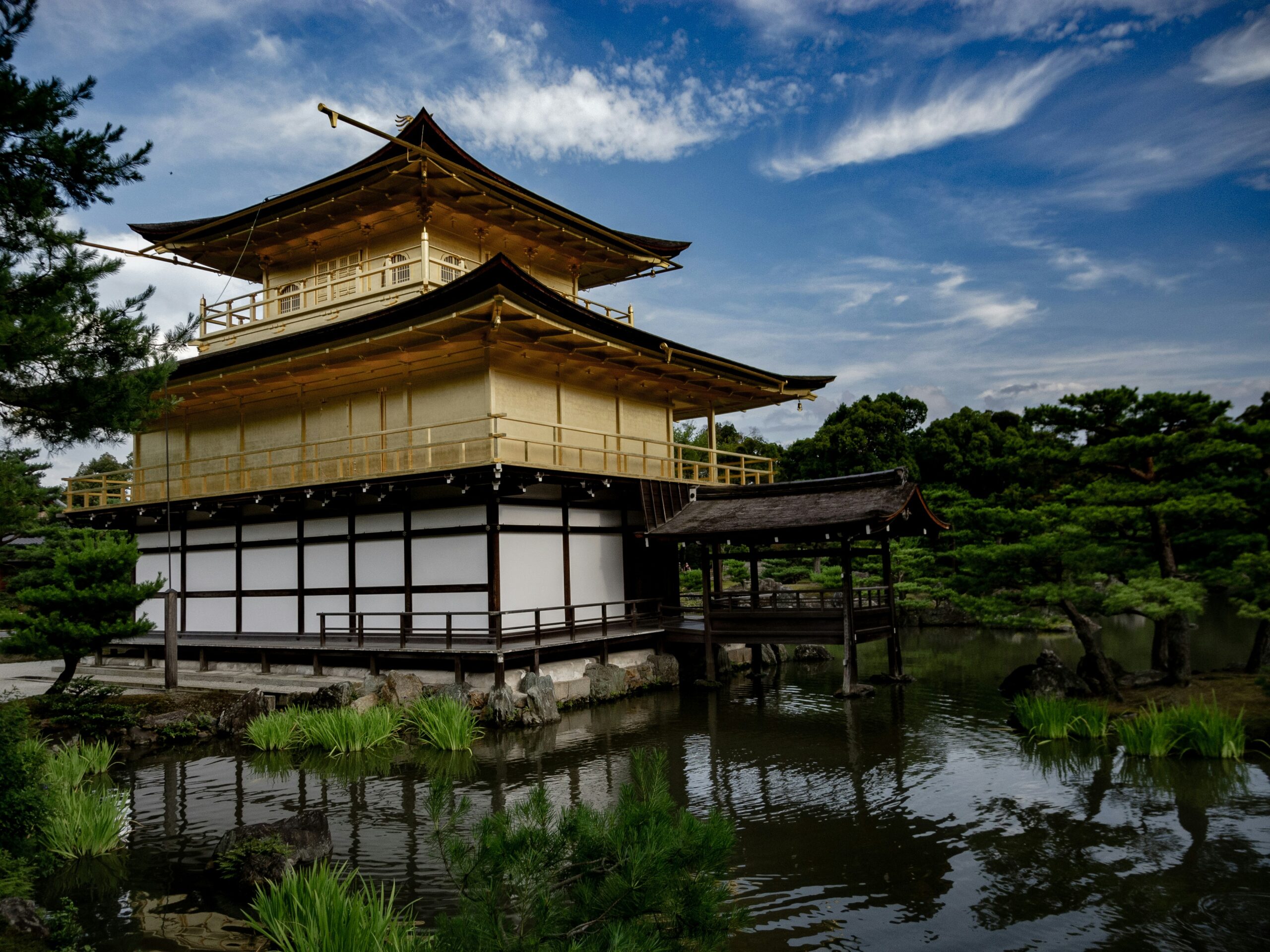
The first moment you see the pavilion, it’s not just “gold.” It’s the way gold reacts to light—soft in overcast weather,
almost glowing at golden hour, and blindingly bright on clear mornings.
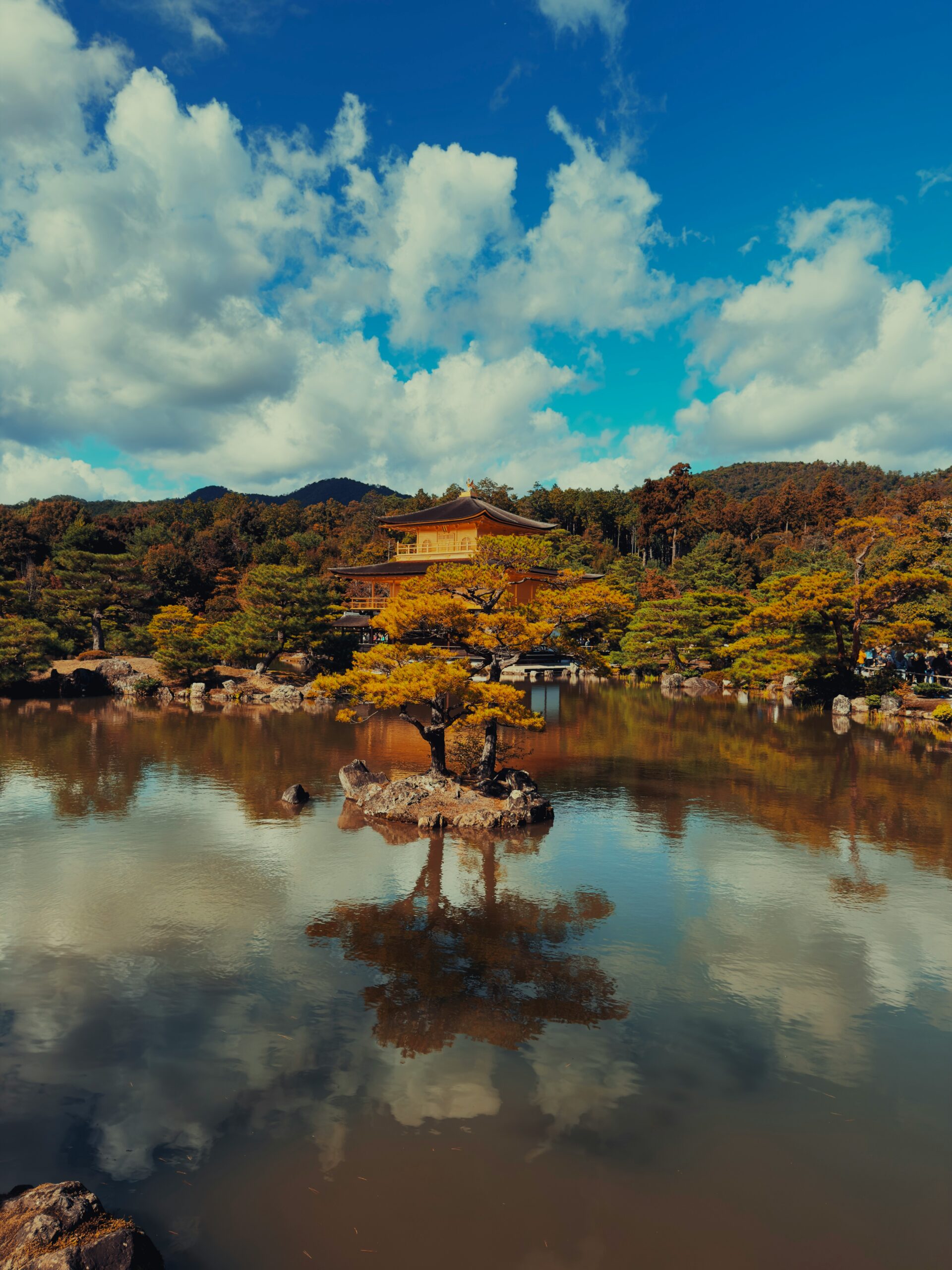
And then the pond does its trick: if the water is still, the reflection looks like a second temple hanging in mid-air.
Crowds change the mood fast. When it’s packed, the pond ripples and the reflection breaks. That’s why timing matters more here
than at many Kyoto sights. Go early, walk slowly, and you’ll get the “Kyoto calm” people talk about.
My Recommended Flow (Timing, Route, Duration)
If you want the best version of Kinkaku-ji: arrive 10–15 minutes before opening. Enter, walk directly to the main pond viewpoint
first (don’t stop too long at the gate), take your key photos, then do the full loop at a relaxed pace.
Expect 60–90 minutes on-site for a non-rushed visit.
If you’re combining nearby temples, plan a tidy half-day: Kinkaku-ji → Ryoan-ji → Ninna-ji.
For the cleanest reflection shot, go early. Midday crowds create constant ripples on the pond.
If you arrive later, try waiting 2–3 minutes for a brief calm in the water—small windows happen.
The bus ride can be slow during peak Kyoto hours. If your schedule is tight, consider going early, or use a taxi for the “one expensive ride”
that saves a full hour of standing still in traffic.
Why It Matters (Beyond the Photos)
Kinkaku-ji is formally Rokuon-ji, associated with the Zen tradition and the aesthetics of the Muromachi period.
It’s famous for the gold-leaf exterior and the way the site is staged: pathways, framing trees, water, and seasonal color all work together
like a moving landscape painting.
Even if you’re not “a temple person,” Kinkaku-ji hits differently because it’s a perfect visual idea—reflections, symmetry, quiet movement—
and Kyoto is one of the few cities that still lets that kind of beauty feel normal.
A vs B: Kinkaku-ji vs Kiyomizu-dera (Which Should You Prioritize?)
| Pick this if… | Kinkaku-ji Golden Pavilion | Kiyomizu-dera |
|---|---|---|
| Your #1 goal is iconic photography | Gold + pond reflection is unmatched | Great views, but less “single frame” iconic |
| You want a “Kyoto streets” vibe | More park-like, contained loop | Pairs naturally with Higashiyama lanes |
| You hate crowds | Go at opening = doable | Often crowded all day in peak season |
If you only have time for one: choose Kinkaku-ji for the iconic “Kyoto postcard” moment,
choose Kiyomizu-dera for the broader neighborhood experience.
(If you can do both, space them across different times of day.)
Do This Before You Go (Quick Checklist)
- Arrive early (or accept that your best reflection photos might be crowded).
- Bring a small towel/handkerchief (Kyoto habit = useful, polite, practical).
- Wear shoes you can walk in for 60–90 minutes (the loop is longer than it looks).
- Plan your next stop (Ryoan-ji / Ninna-ji) so you don’t waste time deciding on the street.
- If it’s summer: water + light sun protection (little shade at the key viewpoints).
Nearby Attractions Worth Pairing
The best move is to stay in the same area instead of zig-zagging across Kyoto.
Here are the add-ons that feel “natural” after Kinkaku-ji:
- Ryoan-ji Temple – minimal Zen rock garden (perfect contrast to the gold pavilion).
- Ninna-ji Temple – spacious grounds that feel calmer, especially later in the day.
- Arashiyama (if you continue west) – bamboo, river walks, and a very different Kyoto mood.
Related Trip Nexus Guides (Internal Links)
Practical Travel Tips (The Ones You’ll Actually Use)
- Quiet behavior: this place “asks” for calm—keep your voice low and your pace slow.
- Photo strategy: take the iconic pond shot first, then relax and enjoy the loop.
- Weather matters: overcast days can be perfect (soft light, less harsh glare on gold leaf).
- Don’t over-schedule: pair 2–3 nearby places max. Kyoto travel fails when you cram 6.
Simple Half-Day Itinerary (No Overthinking)
- Kinkaku-ji (60–90 min) — do the pond viewpoint early.
- Ryoan-ji (45–60 min) — sit and look longer than you think you should.
- Ninna-ji (45–75 min) — end with space, not crowds.
FAQ
Is Kinkaku-ji a UNESCO World Heritage Site?
Can you enter the Golden Pavilion?
How long should I spend at Kinkaku-ji?
What’s the best time of day for photos?
How do I get there from Kyoto Station?
Is it still worth visiting if I’ve seen the photos already?
Is it accessible for strollers or wheelchairs?
What’s the #1 mistake first-time visitors make?
Official Resources (Verified)
Next Step
If you’re planning a Kyoto day, pair this with Kiyomizu-dera
on a different time block (morning vs afternoon) so you’re not fighting crowds twice in one day.