Lake Guide • Seasons • Access • Route
Lake Chuzenji Nikko Travel Guide 2026: Best Time, Route, and What to Do
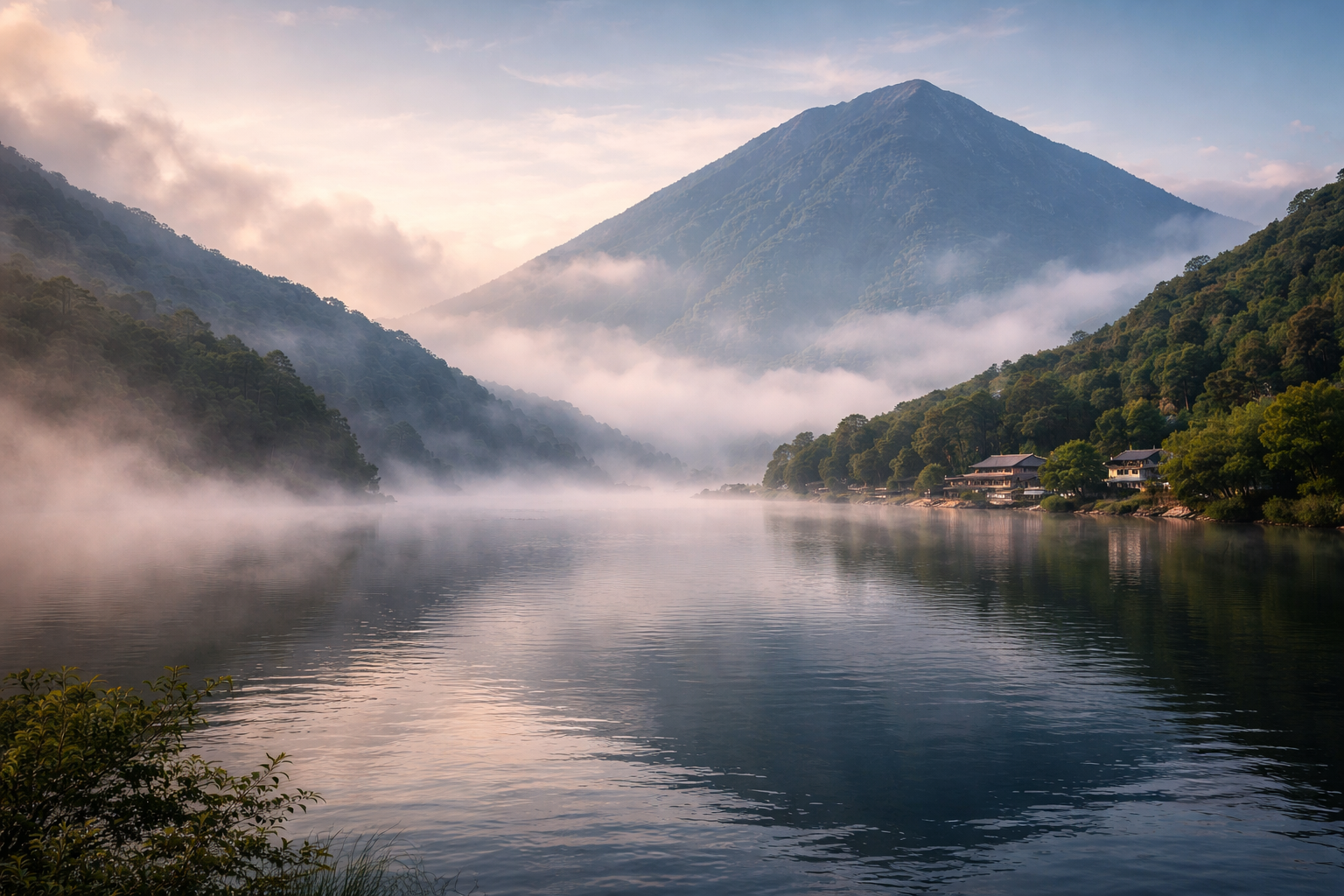
Lake Chuzenji (中禅寺湖) is a highland volcanic lake tucked into Nikko’s mountains in Tochigi Prefecture. It’s famous for drifting morning mist, mirror-still water, and the dramatic silhouette of Mount Nantai above the shoreline. This isn’t a “quick photo stop” kind of place—give it time, and the lake gives you that rare travel feeling: quiet, wide, and oddly healing.
- Best time: mid–late October for peak foliage; summer is cool and comfortable at altitude.
- Ideal time on site: 3–6 hours for lake + falls; 1 night if you want sunrise mist + unhurried walking.
- Don’t miss: Kegon Falls, lakeside viewpoints, a short trail section, and one “slow” café/onsen moment.
- Biggest mistake: arriving midday on a peak autumn weekend—traffic + buses can eat your whole day.
- Best route: Nikko → Irohazaka → Chuzenji Onsen base → lake viewpoints + boat/trail → Kegon Falls.
Why Visit Lake Chuzenji
Lake Chuzenji is not simply a lake—it’s a landscape shaped by fire (volcanic origins), faith (Nikko’s sacred geography), and seasonal drama (fog, foliage, snow). The air is noticeably cooler here than downtown Nikko, and that alone changes how your day feels: less rush, more breathing room.
- Atmosphere you can feel: morning mist and quiet shoreline paths that make you naturally slow down.
- Autumn color royalty: one of the most iconic foliage settings in the Nikko area.
- Layered day-trip: lake + waterfall + viewpoints + onsen/café = a full, satisfying loop.
What It Feels Like (Real Traveler Snapshot)
The first thing you notice is the temperature drop. Then the smell—pine, damp earth, and that “mountain water” freshness you can’t fake in the city. On a calm morning, the lake looks like brushed metal: gray-blue, soft, reflective. If mist is out, Mount Nantai appears and disappears like someone is slowly dimming a stage light. And once you realize the shoreline isn’t screaming for your attention, you stop performing as a tourist. You just… walk.
Key Information
| Location | Nikko, Tochigi Prefecture, Japan |
|---|---|
| Type | Highland volcanic lake (Nikko National Park area) |
| Elevation | About 1,269 m (cooler climate; pack layers) |
| Loop / Trails | You can hike sections easily; full loop is long—most people do partial walks + bus/boat. |
| Entrance | Free (some attractions/observatories/boats may be paid) |
| Best Season | May–November (peak foliage often mid–late October) |
| Official tourism | visitnikko.jp nikko-jp.org |
Couples, solo travelers, nature lovers, photographers, anyone who wants a calm “mountain reset” day.
Ultra-tight schedules, strollers in steep sections, travelers who hate sudden weather changes.
Misty, alpine, reflective—this is “slow travel” even if you didn’t plan it.
Seasonal Highlights (What to Expect)
Spring (Apr–May)
Fresh greens, crisp air, and that “everything waking up” feeling. Great for lighter crowds and comfortable walking.
Summer (Jun–Aug)
A highland escape from humidity. Boating days are strong here, and the lake looks extra blue on clear afternoons.
Autumn (late Sep–early Nov)
Peak drama. The shoreline maples ignite, and the mountains feel like they’re glowing. Expect crowds—plan early mornings.
Winter (Dec–Mar)
Quiet and contemplative, sometimes snow-laced. Some services are seasonal—check operations if you’re aiming for cruises or certain trails.
Top Things to Do at Lake Chuzenji
1) Take a Lake Cruise (Easy Win)
A sightseeing cruise is the most effortless way to absorb the scale of the lake and the mountains. It’s also your “reset button” after crowded temple zones in central Nikko—less walking, more breathing.
2) Walk a “Section” of the Lakeside Trail
You don’t need to do the entire perimeter to get the magic. Pick a scenic section, walk slow, take the side paths when they appear, and let the scenery change without chasing a checklist.
3) Kegon Falls (The Classic Pairing)
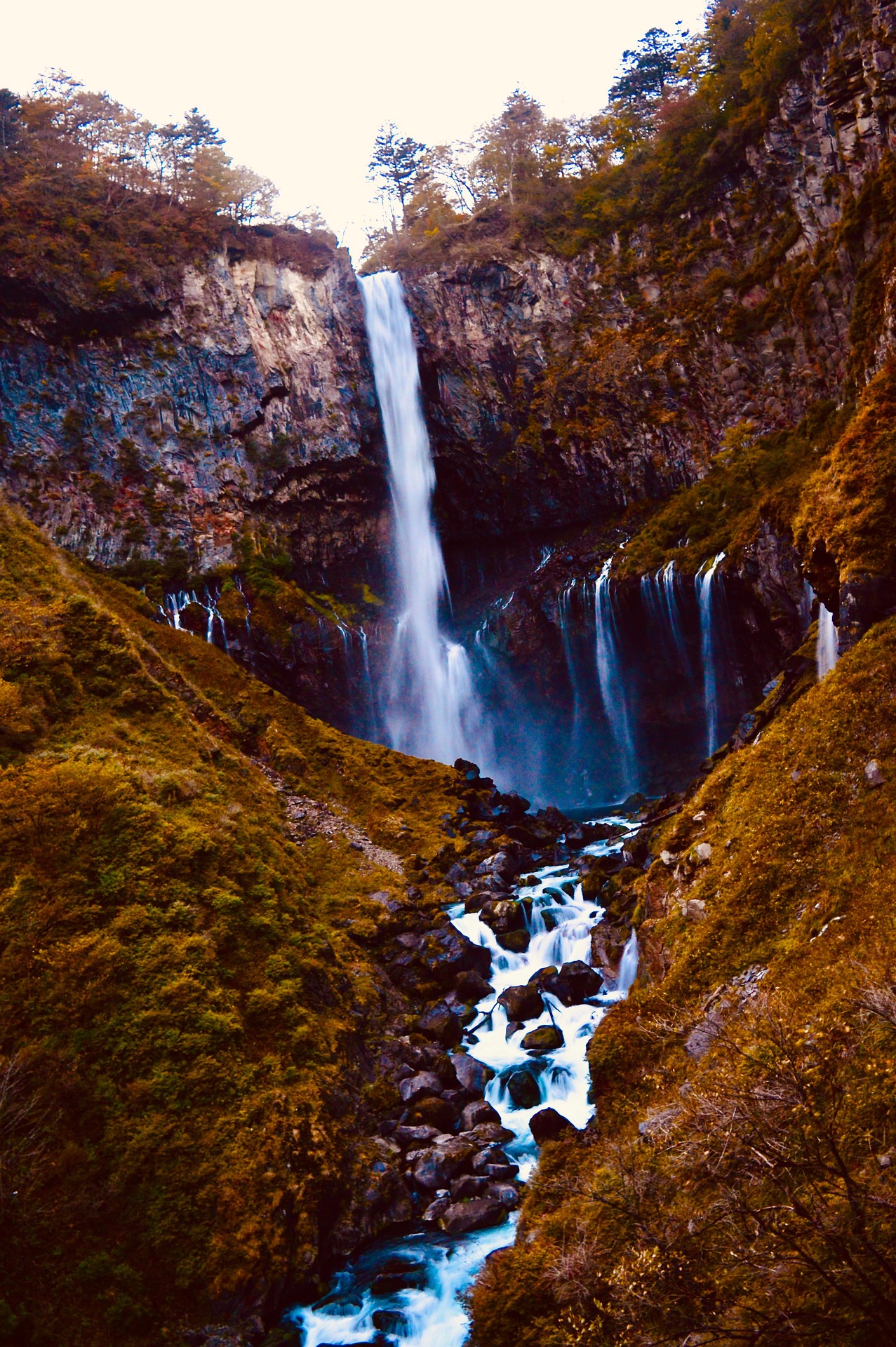
Kegon Falls is one of the most famous waterfalls in Japan and pairs naturally with Lake Chuzenji because it’s the lake’s outlet. It’s the “high impact” stop for travelers who want a dramatic viewpoint.
4) Embassy Villa Area (Quiet, Photogenic, Unexpected)
The lakeside embassy villa history is a charming twist: it adds a cultural layer to a nature day and makes the lake feel like a real place people lived, not just a landscape for photos.
If you have limited time, do cruise OR short trail—not both. You’ll enjoy it more instead of rushing through two half-experiences.
Weather shifts fast. A sunny start can turn into mist and chill by afternoon. Pack a light jacket even in warmer months.
A vs B: Lake Chuzenji vs Lake Ashi (Hakone)
Travelers often ask which “lake experience” is better. They’re both great, but the vibe is very different.
| Category | Lake Chuzenji (Nikko) | Lake Ashi (Hakone) |
|---|---|---|
| Vibe | More alpine, quiet, reflective—mist + mountain presence. | More resort-like with iconic views + tourist infrastructure. |
| Best for | Nature reset, foliage, slow walking, waterfall pairing. | Classic Hakone loop, shrine torii photos, easy cruising. |
| Crowds | Can spike in October weekends; otherwise more breathable. | Often busy year-round on popular routes. |
| My pick | Choose Chuzenji if you want quiet nature + autumn magic. | Choose Ashi if you want an easy “tourist-perfect” Hakone day. |
• If you love calm scenery and walking: Lake Chuzenji
• If you want iconic torii + easy transport loop: Lake Ashi
Best Route (Half-Day + Full-Day Options)
Option 1: Half-Day (3–4 hours)
- Arrive at Chuzenji Onsen base (or Kegon Falls area) before late morning.
- Kegon Falls viewpoint (high-impact, quick).
- Short lakeside walk (choose a scenic section, don’t over-plan).
- One calm stop: coffee, snack, or a quick onsen vibe moment.
Option 2: Full-Day (5–7 hours)
- Start early from Nikko Station area.
- Lake morning: mist + quiet walk section first.
- Sightseeing cruise (midday when the sun opens the water color).
- Embassy villa area (cultural layer + photogenic architecture).
- Kegon Falls late afternoon or “when light is good.”
- Return via Irohazaka before peak congestion if possible.
If autumn crowds scare you, aim for weekday morning and treat the lake as your first stop of the day. The difference is huge.
Pack gloves/hat in late fall. The lake wind feels colder than the thermometer suggests.
Trying to “do everything” in one afternoon. Choose 2–3 highlights and let the lake be the lake.
How to Get There (Tokyo → Nikko → Lake Chuzenji)
Step 1: Tokyo → Nikko
- Tobu Railway from Asakusa to Tobu-Nikko (popular for travelers).
- JR route via Utsunomiya to JR Nikko Station (useful if you’re on JR passes).
Step 2: Nikko Station → Chuzenji Onsen / Kegon Falls Area
From Nikko (JR/Tobu), take a Tobu bus toward Chuzenji Onsen / Lake Chuzenji. The ride climbs the famous Irohazaka switchback road—beautiful, but it can be slow during peak seasons.
Timetables change by season. Use Tobu’s official bus info for the Nikko area and confirm your departure window before you commit to tight connections.
Timetable PDFs often posted under Tobu resources.
By Car (Good flexibility, but…)
Driving gives freedom for viewpoints and short hikes, but in autumn the road congestion can be real. If you drive, start early and consider a weekday.
Packing Checklist (Don’t Overthink It)
Always bring
- Light jacket / layers
- Comfortable walking shoes
- Small towel (onsen/cold wind lifesaver)
- Power bank (photos + map usage)
Seasonal add-ons
- Autumn: gloves, warm hat, rain shell
- Winter: proper cold gear + traction if icy
- Summer: sun protection (it’s bright on water)
- Spring: extra layer for sudden chill
Nearby Attractions (Worth Pairing)
- Kegon Falls: dramatic waterfall viewpoint near the lake outlet.
- Chuzenji Onsen: a relaxed base for snacks, short rests, and a slow ending.
- Senjogahara area: if you want more nature trails after the lake.
If you only have one day in Nikko, combine Lake Chuzenji + Kegon Falls and skip extra long detours. You’ll leave happier.
FAQ
Is Lake Chuzenji worth visiting year-round?
How long should I spend at Lake Chuzenji?
Can you walk around the whole lake?
When is autumn foliage at its peak?
Is Lake Chuzenji good for a day trip from Tokyo?
What’s the #1 planning tip to avoid stress?
Official & Trusted Links
Official (Plan / Access)
Authority (Credibility)
Related Trip Nexus Guides (Internal Links)
Next Step: Want a Nikko “No-Stress” Day Plan?
If you tell me your travel month + whether you prefer nature, culture, or photography, I’ll create a timed Nikko itinerary (morning→evening) that avoids the worst congestion and fits your pace.