Takayama Old Town Travel Guide: What It Actually Feels Like Walking Through Japan’s Best-Preserved Edo Streets
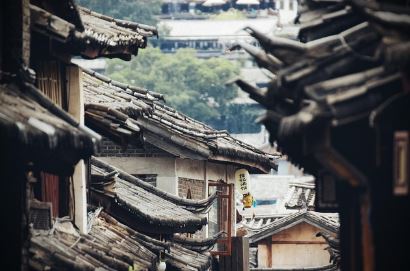
Takayama Old Town is one of the most atmospheric historic districts in Japan. Tucked into the mountain basin of Hida Takayama in Gifu Prefecture, it preserves the look and rhythm of an older merchant town with such confidence that it can feel less like a tourist stop and more like a place that never fully left the Edo period behind. Dark wooden facades, lattice windows, sake brewery storefronts, and stone-lined lanes create a setting that feels calm, tactile, and deeply human.
What struck me first about Takayama Old Town was not just how beautiful it looked, but how complete the atmosphere felt. The streets were not trying too hard. They simply existed with a quiet kind of pride. You smell cedar, soy, and grilled Hida beef before you fully understand where you are. You notice a sugidama cedar ball hanging outside a brewery, a noren curtain moving in the breeze, and someone carefully arranging local produce at a morning stall. That slow accumulation of details is exactly what makes the district memorable.
If you are looking for a place in Japan where architecture, food, craft, and everyday culture still feel connected, Takayama Old Town is one of the strongest choices you can make.
Search Intent
Travelers searching for Takayama Old Town usually want to know where the preserved streets are, what to eat, how much time to spend, whether the area is worth visiting as a day trip, and which nearby cultural spots should be added to the route.
Quick Summary
- Location: Takayama, Gifu Prefecture, Japan
- Main area: Sanmachi Suji and nearby preserved merchant streets
- Best time: Spring and autumn, especially around festival periods
- Best for: Walking, local food, sake tasting, history, slow travel
- Recommended stay: Half day minimum, one overnight stay ideal
Why Visit Takayama Old Town
Takayama Old Town stands out because it feels preserved without feeling artificial. The district developed as a merchant and craft center, and that legacy is still visible in the scale of the streets and the design of the buildings. The official Hida Takayama tourism materials and JNTO both highlight Sanmachi as the heart of the preserved townscape, known for old merchant houses, sake breweries, and easy walkability. That combination is exactly what makes the area work so well for visitors. You do not need a complicated itinerary to enjoy it. You just need time and a willingness to slow down.
Another reason to visit is how well the district balances atmosphere and practicality. Takayama is compact. You can walk from the station to the old town, continue to the morning markets, visit Takayama Jinya, stop at a brewery tasting, and still have enough energy left for dinner in the evening. The town gives you the emotional satisfaction of a historic destination without the exhaustion that sometimes comes with larger heritage cities.
And then there is the food. If you have even mild curiosity about regional Japanese cuisine, Takayama rewards it generously. Hida beef sushi, skewers, mitarashi dango, miso, local pickles, and sake all show up in a compact area you can explore on foot.
What It Feels Like to Walk Through Sanmachi Suji
The best way to understand Takayama Old Town is to walk it early. In the morning, before the busiest waves of visitors arrive, the wooden facades seem softer and the soundscape is gentler. Shop shutters lift one by one. A brewer rinses the entrance. Steam rises from a food stall. That quiet start gives the district a sense of intimacy that is harder to feel later in the day.
Sanmachi Suji is the most iconic section, but the mood extends beyond the postcard view. Look into side streets. Pause near the doorways with cedar balls hanging above them. Watch how the district still functions as a commercial area rather than a frozen exhibit. Some spaces are polished and visitor-friendly, others feel plain and lived-in, and that contrast is part of the charm.
I also think Takayama rewards unplanned wandering more than aggressive checklist behavior. The district is small enough that getting mildly lost is harmless, and that is often when the best moments happen: a courtyard garden glimpsed through a gate, a tiny sweets shop with no line, a quiet lane that feels untouched by time.
Key Information
| Category | Details |
|---|---|
| Location | Takayama, Gifu Prefecture, Japan |
| Main historic area | Sanmachi Suji and nearby preserved streets |
| Best season | Spring and autumn |
| Recommended duration | 1–2 days |
| Official travel info | Hida Takayama Official Tourism |
Google Map
How to Get There
Takayama is commonly reached by the JR Takayama Line from Nagoya, and the approach through the mountains is part of the appeal. Express buses from Tokyo, Kyoto, and Osaka are also popular. Once you arrive, the old town is walkable from Takayama Station, which makes the destination much easier than first-time visitors sometimes expect.
For practical planning, the official Hida Takayama tourist information office page is useful, and JNTO’s Takayama area guides also help with broader regional routing.
Nearby Attractions and Local Add-Ons
The easiest cultural pairing is Takayama Jinya, a rare surviving Edo-period government office that adds historical depth to your old town walk. The Miyagawa Morning Market brings local produce, snacks, and handmade goods into the itinerary. If you have more time, the Hida Folk Village is also worth adding; JNTO notes it is an easy short bus ride or longer walk from central Takayama.
If you are building a broader Japan route around tradition, scenery, and slower travel, these Trip-Nexus guides fit naturally with Takayama Old Town: Ginzan Onsen Guide Yamagata 2026, Kurobe Gorge, Kiyomizu-dera Temple Guide, Tsuruga Castle Aizuwakamatsu, and Katsura Imperial Villa Kyoto.
Related Japan Travel Guides
- Ginzan Onsen Guide Yamagata 2026
- Hakone Shrine Travel Guide
- Kurobe Gorge Travel Guide
- Tsuruga Castle Aizuwakamatsu Guide
- Katsura Imperial Villa Kyoto Guide
Official Resources in Context
For current maps, visitor planning, and multilingual travel information, use the Hida Takayama official tourism site. For broader Japan travel context, route planning, and destination background, the Japan National Tourism Organization is the most reliable national source. If you want wider regional tourism context around Gifu, use the Gifu regional tourism site.
FAQ
Is Takayama Old Town worth visiting?
Yes. It is one of the most atmospheric preserved districts in Japan and works well for food, history, and slow travel.
How much time do I need in Takayama Old Town?
A half day is possible, but one overnight stay gives you a much better feel for the place.
What is the most famous street in Takayama Old Town?
Sanmachi Suji is the best-known preserved area and the heart of most first visits.
Can I walk there from Takayama Station?
Yes. The old town is comfortably walkable from the station.
What should I eat in Takayama?
Hida beef, mitarashi dango, local pickles, and sake are the classic starting points.
Is Takayama crowded?
It can get busy in the middle of the day and during festival periods, but mornings are calmer.
Are English signs available?
Yes, especially in core visitor areas, though not every small shop will have extensive English support.
What season is best?
Spring and autumn are generally the easiest and most visually rewarding seasons to visit.
Final Thoughts
Takayama Old Town is not about rushing from landmark to landmark. It is about texture, pace, and atmosphere. The preserved streets matter, but so do the small things: the smell of cedar outside a brewery, the sound of quiet morning foot traffic, the way food and craft still shape the identity of the town.
If you want a destination in Japan that feels historic without being stiff, beautiful without being overwhelming, and cultural without being exhausting, Takayama Old Town is an excellent choice.