Oirase Gorge Travel Guide: Best Walks, Autumn Views, Access & Visitor Tips
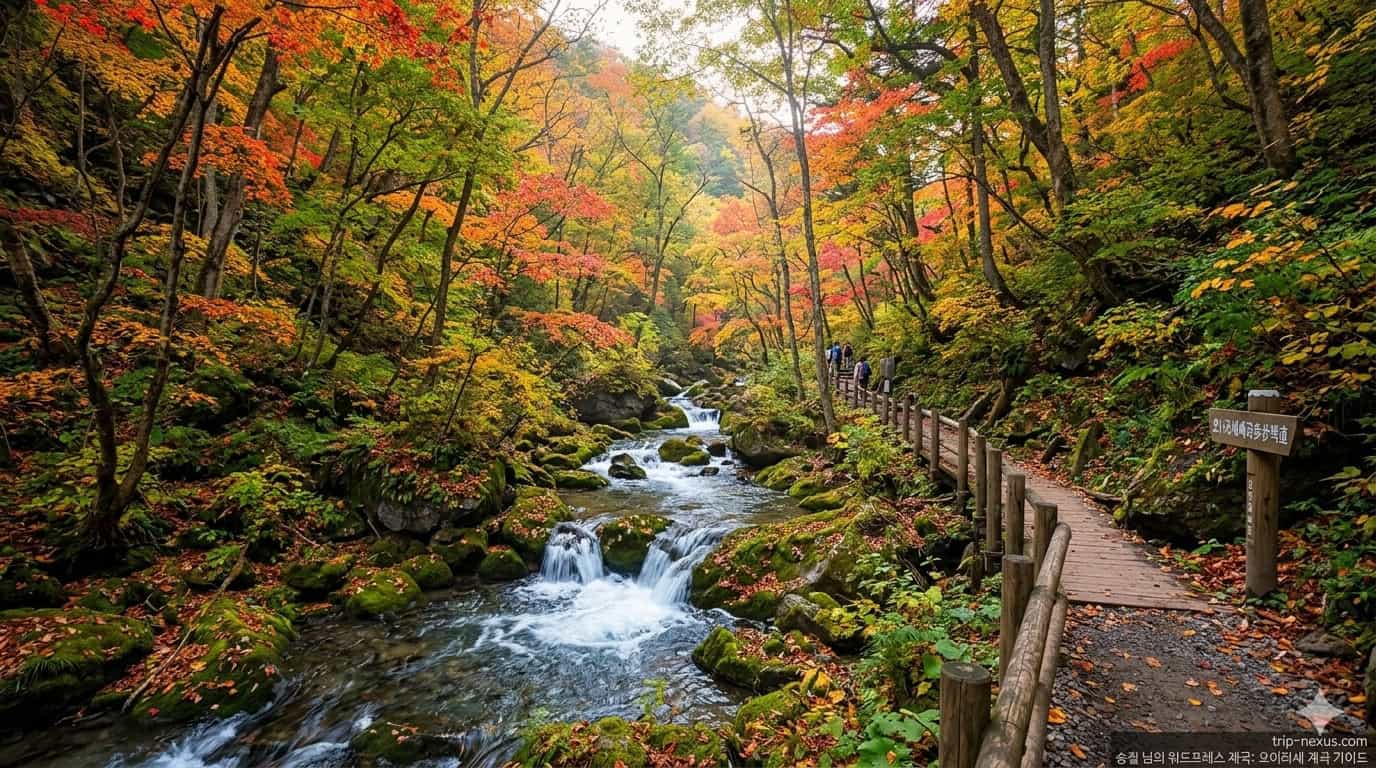
Oirase Gorge is one of the most beautiful natural walks in northern Japan, a 14-kilometer ribbon of clear mountain water, mossy rocks, and forest trails flowing down from Lake Towada through Aomori Prefecture. It is the kind of place that feels cinematic even before you start walking: the air is cooler, the sound of the stream never disappears, and every few minutes another waterfall or bend in the river makes you stop without planning to.
If you are looking for a Japan attraction that feels immersive rather than performative, Oirase Gorge is a strong choice. This is not a single landmark you photograph once and leave. It is a long, living landscape that changes with the weather, the season, and the pace you choose. In fresh green season it feels almost luminous. In autumn it turns into one of Tohoku’s signature foliage routes. Even on a busy day, there are stretches where the sound of water is louder than the people around you.
I think that is what makes Oirase memorable. It does not try to overwhelm you with one dramatic reveal. Instead, it keeps unfolding slowly. That rhythm is exactly why so many travelers end up staying longer than they expected.
Search Intent: What This Guide Covers
This guide is for travelers who want practical help planning a real visit to Oirase Gorge, not just a quick overview.
- What Oirase Gorge is and why it is one of Aomori’s standout nature destinations
- The best section of the route to walk if you do not want to hike all 14 kilometers
- When to visit for fresh greenery, cool summer walks, or autumn foliage
- How to get there by bus, car, or as part of a Lake Towada trip
- What to bring, what to watch out for, and nearby spots worth combining in one itinerary
Quick Summary
- Oirase Gorge follows the Oirase Stream for about 14 km between Lake Towada and Yakeyama.
- It is one of Aomori’s best-known nature spots and is especially famous for autumn foliage.
- The most popular visit style is a partial walk plus bus access rather than hiking the full route both ways.
- Key stops include waterfalls, mossy riverbanks, forest sections, and scenic points near Nenokuchi and the stream museum area.
- It pairs naturally with Lake Towada, local onsen stays, and a slower Tohoku road-trip itinerary.
Why Oirase Gorge Matters
Many famous nature spots in Japan are either very easy to see but shallow as experiences, or deeply rewarding but logistically tiring. Oirase Gorge sits in a rare middle ground. It feels wild and atmospheric, yet it is still realistic for independent travelers to reach. That balance is a big reason it stands out.
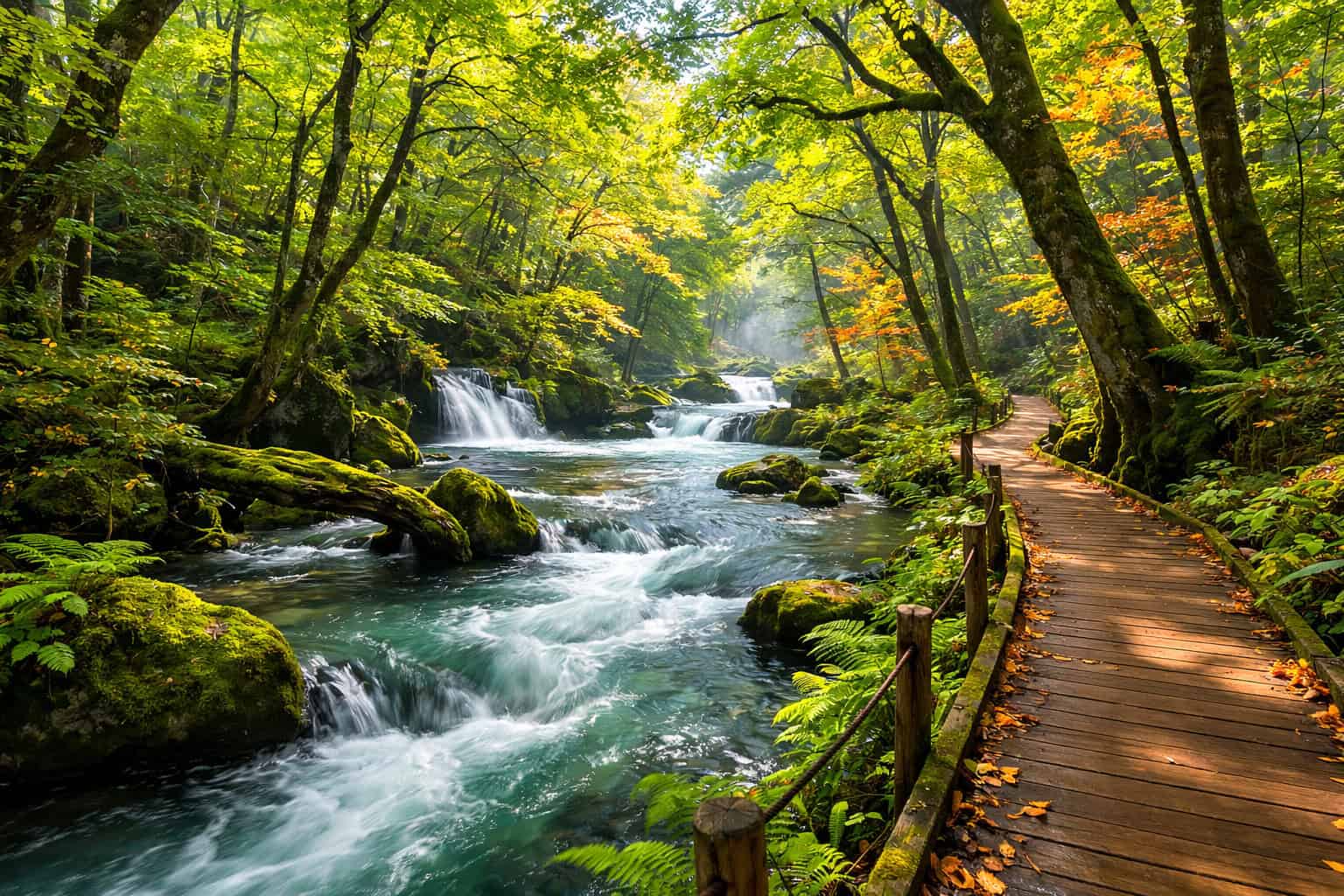
The stream runs out from Lake Towada, and the route gives you a continuous sequence of moving water, broadleaf forest, rocks, moss, and small waterfalls rather than one isolated viewpoint. The scenery never feels repetitive for long. One section feels open and river-wide, another becomes intimate and shaded, and then you suddenly arrive at a dramatic cascade or a stretch where the water glows turquoise under the trees.
For Trip-Nexus readers who enjoy places that reward slow travel, Oirase Gorge fits beautifully. It is less about checking off landmarks and more about letting the walk itself become the destination. If you have done urban temple circuits in Japan and want a different mood, this is the kind of contrast that resets your whole trip.
What It Feels Like to Walk Oirase Gorge
The first thing I would tell anyone is this: do not rush it like a checklist walk. The gorge works best when you leave room for small pauses. You hear the stream before you really notice the details, and then those details start multiplying — spray on the rocks, roots gripping the bank, leaves reflected in shallow pools, and that steady shifting light that makes the forest look different every ten minutes.
There is also a softness to Oirase that surprised me. Some river gorges feel harsh or dramatic in a hard-edged way. Oirase feels alive, but not aggressive. Even where the water moves fast, the surrounding forest softens the whole scene. I made the mistake, the first time I planned a similar nature route in Japan, of assuming I would “finish” it in a strict time window. That usually leads to frustration. Oirase is better when you accept that your pace will slow down naturally because you keep noticing new frames worth stopping for.
In fresh green season, the experience feels cool and almost restorative. In autumn, it becomes more theatrical: red, gold, and orange tones framing the stream, photographers setting up, and the whole route feeling more animated. Both are beautiful, but they are emotionally different visits.
Nature, Protection, and the Oirase Landscape
Oirase Gorge is not just pretty scenery. It is part of a protected landscape connected with Lake Towada and is widely recognized as one of the most important scenic river environments in the region. Official local tourism information emphasizes both the gorge’s natural beauty and its status as a special scenic and natural monument area, which helps explain why the route feels so carefully preserved compared with more commercialized destinations.
The landscape also reflects a specifically Tohoku kind of travel appeal: quieter, greener, and a little more grounded than the heavily trafficked corridors around Tokyo, Kyoto, or Osaka. Aomori’s travel identity often leans into strong seasonal character, local food, onsen culture, and outdoor beauty, and Oirase Gorge sits right at the center of that image.
That matters because the visit makes more sense when you treat it as part of a regional rhythm rather than an isolated stop. Spend time by the lake. Stay in a ryokan or hot-spring inn if you can. Eat something warm after the walk. In other words, let the place shape your day instead of compressing it into a fast transit detour.
Top Highlights of Oirase Gorge
1. The constant river scenery
Unlike destinations with one main viewpoint, Oirase Gorge delivers continuous visual reward. The stream itself is the star, and it keeps changing form as you move along the route.
2. Waterfalls and side cascades
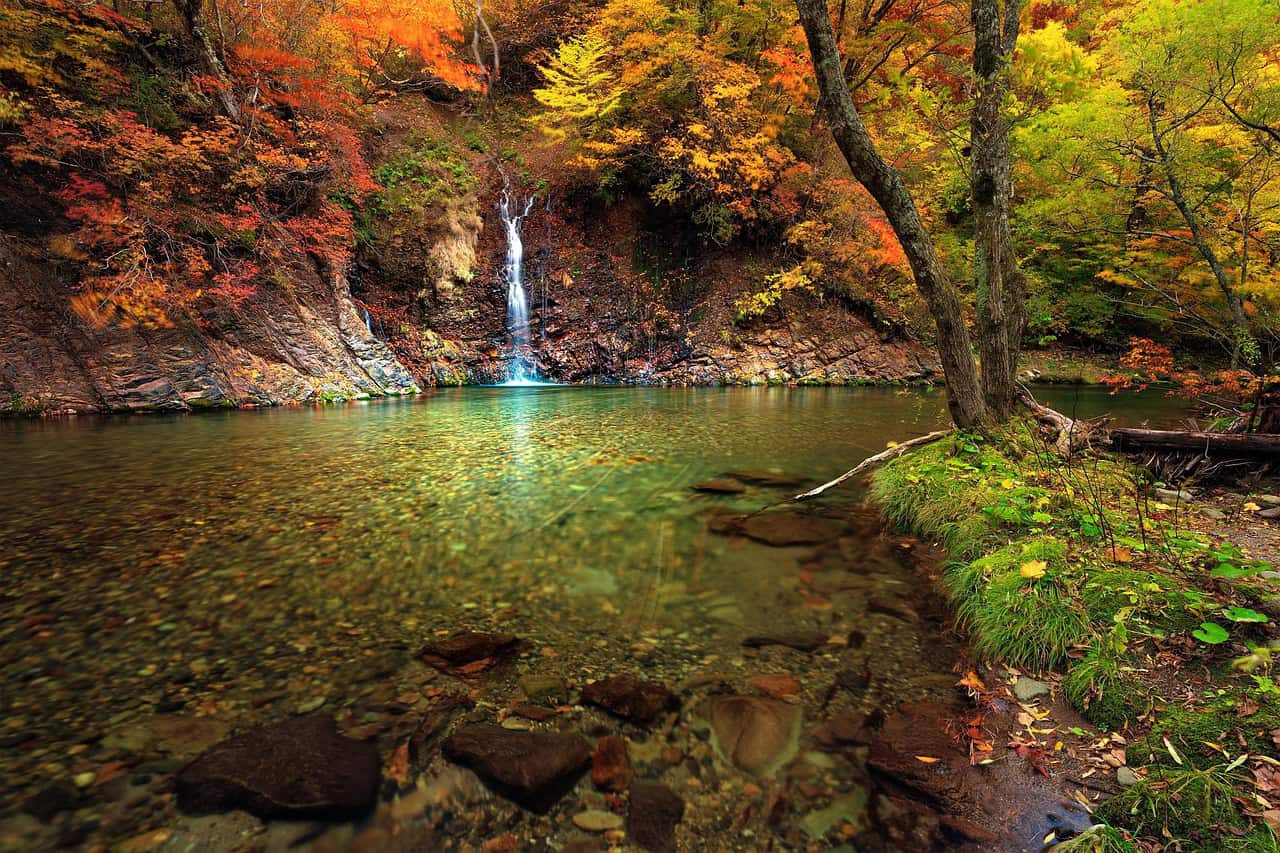
One of the pleasures of the walk is that not all the beauty is announced with huge signboard energy. Smaller waterfalls and branching trickles appear unexpectedly, which keeps the experience dynamic.
3. Moss, rocks, and forest texture
If you like photography, this is not just a “grand landscape” destination. Close-up texture shots can be just as satisfying here as wide river scenes.
4. Seasonal transformation
Fresh green spring and early summer feel calm and lush. Autumn is the headline season, with vivid foliage turning the walk into one of Japan’s most photogenic forest routes.
5. Lake Towada connection
Because the gorge links naturally with Lake Towada, you can build a fuller day or overnight itinerary instead of treating the area as a single short stop.
Key Visitor Information
| Location | Oirase Gorge, Towada, Aomori Prefecture, Japan |
| Length | About 14 km from the Lake Towada / Nenokuchi side toward Yakeyama |
| Admission | Free |
| Opening Access | Outdoor area; visit conditions vary by weather and season |
| Best Seasons | Fresh green season through autumn; autumn foliage is the signature period |
| Visit Style | Partial walk, full walk, cycling, or bus-assisted sightseeing |
| Nearest Region Hub | Aomori / Hachinohe access routes, depending on your rail and bus plan |
| Official Sources | Amazing AOMORI, Lake Towada National Park Association, JR Bus Tohoku |
Cultural Experience Around Oirase Gorge
Even though Oirase Gorge is a nature destination first, the experience around it is not culturally empty. The surrounding Towada area connects outdoor scenery with onsen stays, regional produce, local hospitality, and a slower style of travel that feels very different from Japan’s major city circuits.
One of the best versions of the trip is to combine the walk with a quiet lunch, a hot spring, and an overnight stay near the Lake Towada side or in the broader area. After hours in cool forest air, even a simple meal feels better than it should. That is part of the charm here: the day becomes memorable not through spectacle alone, but through the way the elements fit together.
If your Japan itinerary has been packed with stations, transfers, ticket timing, and crowded urban landmarks, Oirase Gorge gives you something else — space. Not empty space in a dull sense, but breathing space. That change in mental tempo is one of the most valuable things the destination offers.
Essential Travel Tips for Oirase Gorge
Bring water, but also manage expectations about “doing everything.” A full route plus side stops, photos, and bus timing can make the day feel longer than it looks on paper. If you are traveling with family or mixed fitness levels, choosing a partial walk is often the smarter move.
Another honest point: peak foliage season is beautiful, but it is not a secret. If you go then, plan for a less private experience. That does not ruin the visit, but it changes the mood. Early arrival helps a lot.
How to Visit Oirase Gorge Well
The smartest way to visit depends on your energy, your photography interest, and whether you are traveling without a car.
Option A: Partial walk + bus
This is the most practical choice for many travelers. Use the bus network to position yourself, walk one scenic section, and avoid an exhausting round trip. It keeps the experience enjoyable and flexible.
Option B: Full linear walk
Good for strong walkers and travelers who genuinely enjoy long nature routes. This gives you the most complete sense of the gorge’s changing character, but it needs time and pacing.
Option C: Drive + stop at key points
Useful if you are on a broader Tohoku road trip. You get flexibility, but be careful not to reduce the gorge to windshield sightseeing. At least one proper walk segment is worth it.
Option D: Combine with Lake Towada overnight
This is my favorite rhythm in theory and in practice. It avoids the rushed day-trip feeling and lets the area breathe.
How to Get There
Official transport guidance for the area highlights bus access through the Lake Towada / Oirase route network, including JR Bus Tohoku services. Travelers commonly approach from Aomori-side or Hachinohe-side transport hubs depending on their broader itinerary.
If you are using public transport, the core principle is simple: get yourself onto the bus corridor that serves the Oirase / Towadako area, then choose the stop that matches the section you want to walk. This is why planning your walk direction in advance matters. Going in with only a vague idea can waste time.
- From major rail access points, connect to the official bus route serving Oirase and Lake Towada.
- Check season-specific or timetable-specific information before travel day.
- If driving, pair the gorge with Lake Towada rather than treating it as a fast out-and-back.
I would strongly recommend screenshotting your outbound and return bus plan before you start walking. Nature feels better when you are not second-guessing the last ride back.
Nearby Attractions and Add-On Stops
Lake Towada
The most natural companion stop. The lake gives the trip a wider sense of scale and pairs beautifully with a slower overnight plan.
Oirase stream museum / visitor-oriented stops
These are useful if you want context before the walk or need a more structured start point.
Onsen stays in the broader area
After a cool forest walk, a hot spring stay nearby feels almost strategically perfect. It turns the visit from a scenic stop into a full travel memory.
Local food and rest breaks
Simple regional meals, warm drinks, and rest stops matter more here than flashy restaurant planning. This is a destination where comfort after the walk becomes part of the experience.
Oirase Gorge vs Other Japan Nature Stops
| Destination | Best For | Travel Feel |
|---|---|---|
| Oirase Gorge | Forest-and-water walks, foliage, slower Tohoku travel | Immersive, cool, textured, restorative |
| Cheonjeyeon Waterfall | Shorter waterfall-focused visit | More compact and point-to-point |
| Hakone Shrine area | Shrine + lake scenery + Tokyo-access convenience | More symbolic and famous, less continuously natural |
| Kurobe Gorge | Big dramatic mountain gorge scenery | More rugged and spectacular, less intimate stream-walk mood |
Who Should Visit Oirase Gorge
- Travelers who want a quieter Japan nature experience outside the classic Golden Route
- Photographers who enjoy both wide scenery and texture-heavy close shots
- Couples or solo travelers who value mood and pace over pure landmark collecting
- Repeat Japan visitors looking for a memorable Tohoku addition
- Road-trippers building a Lake Towada, Aomori, or northern Japan itinerary
It may be less ideal for travelers who dislike walking, have an ultra-tight one-day transit plan, or only want famous urban icons. Oirase rewards patience more than speed.
FAQ
How long is Oirase Gorge?
It is generally described as about 14 kilometers, running from the Lake Towada / Nenokuchi area toward Yakeyama.
Is Oirase Gorge free to visit?
Yes. The gorge itself is a natural outdoor destination and does not require a general admission ticket.
When is the best time to visit?
Fresh green season is beautiful, but autumn foliage is the most famous period and usually the most visually dramatic.
Can I visit without a car?
Yes. Many travelers use the official bus routes serving the Oirase and Lake Towada area.
Do I need to hike the entire route?
No. A partial walk is often the best choice, especially if you want a scenic visit without turning the day into a long endurance walk.
Is Oirase Gorge good for photography?
Very much so. It works well for both wide landscape shots and details like moss, rocks, and moving water.
Should I combine it with Lake Towada?
Yes. That is one of the most natural and rewarding ways to plan the trip.
Is autumn too crowded?
It can be noticeably busier than other periods, but starting early usually improves the experience.
Continue Exploring on Trip Nexus
Official and Planning Links
Google Map
Final Thoughts
Oirase Gorge is the kind of place that quietly becomes one of the strongest memories of a Japan trip. It does not rely on a single famous icon. Instead, it wins you over through atmosphere, movement, texture, and time. The stream keeps talking, the forest keeps changing, and the route never feels entirely finished even when you leave it.
If you want one honest recommendation, it is this: do not treat Oirase Gorge like a stop to “complete.” Give it room. Walk slower than usual. Pair it with Lake Towada. Leave space for weather, for quiet, and for the possibility that your favorite part will be some unnamed stretch of water and moss you did not plan for at all.
That is when Oirase Gorge feels less like a sightseeing item and more like a real travel experience.