Bellagio Village Guide: What to See, When to Go, and How to Avoid the Crowds
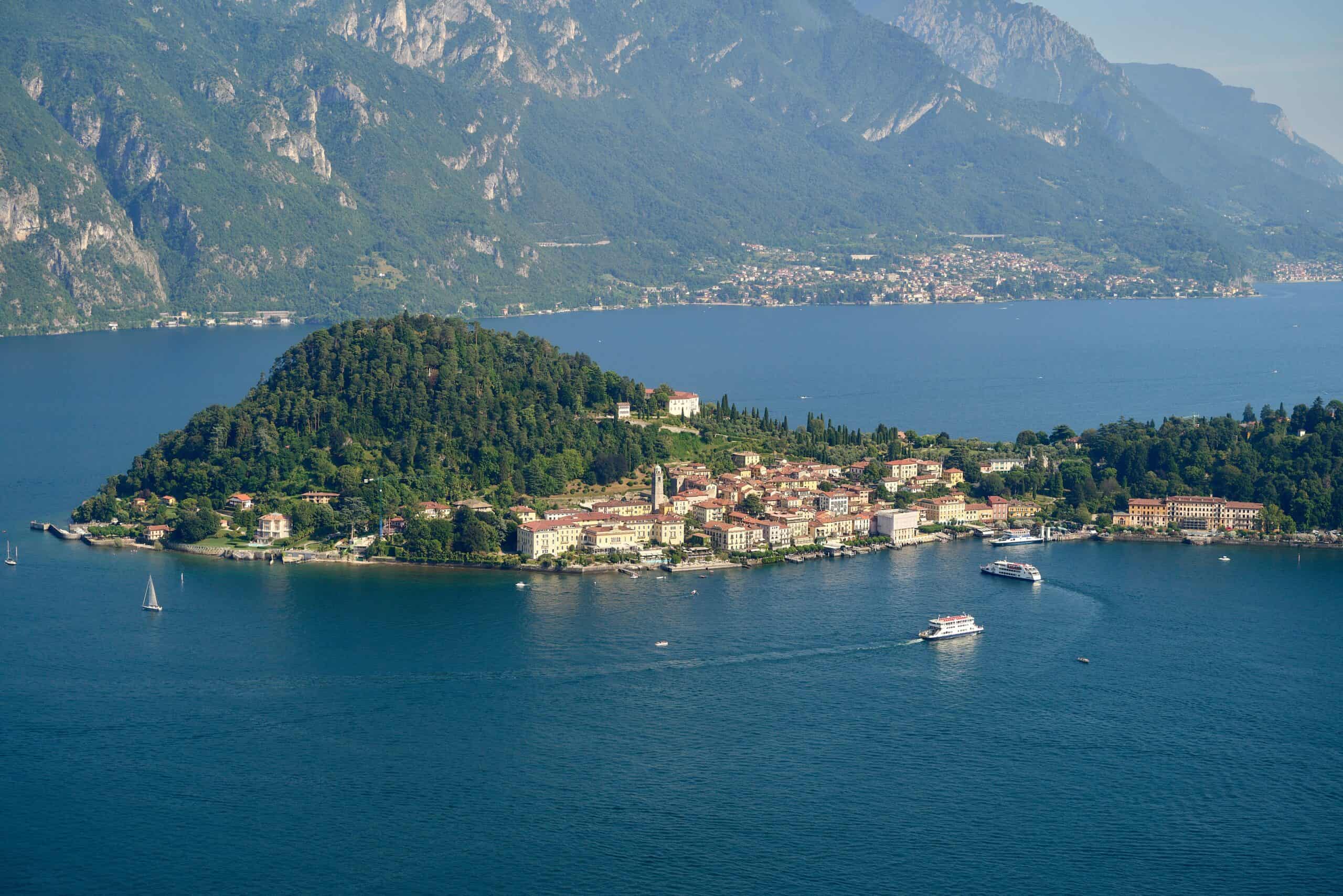
Bellagio Village is the kind of place that instantly explains why Lake Como keeps showing up in dream itineraries. Set on the promontory where the lake divides into two branches, Bellagio feels theatrical without becoming artificial: stone lanes, pastel façades, lake light that changes by the hour, and a rhythm that somehow stays graceful even when the village is busy.
What I like most about Bellagio is that it does not rely on one single postcard angle. The village gives you layers. There is the glamorous first impression from the ferry, of course, but then there are the quieter stairways, the little turns where shops thin out, the smell of espresso and lake air mixing together, and the strange calm you get when you look up and realize the mountains are framing everything.
If you plan Bellagio well, it feels polished and almost cinematic. If you arrive with no strategy in peak season, it can feel crowded, steep, and more tiring than expected. That contrast is exactly why this guide matters.
Search Intent
This guide is for travelers asking practical questions, not just admiring photos: Is Bellagio Village actually worth the detour? How do you get there efficiently? What should you prioritize if you only have half a day or one full day? What makes Bellagio different from other Lake Como towns? and how do you enjoy it without turning the visit into a rushed, overhyped stop?
Quick Summary
• Bellagio Village sits on the central promontory of Lake Como, which is why the views feel unusually dramatic from multiple directions.
• The village is famous for its historic lanes, lakefront promenades, Villa Melzi gardens, and access to ferries linking Como’s central lake towns.
• Spring through early autumn is usually the easiest season for gardens, ferries, and long outdoor strolls, although Bellagio remains attractive year-round.
• Bellagio is beautiful but not fully effortless: expect cobblestones, steps, slopes, and heavier daytime crowds in peak season.
• The smartest plan is simple: arrive early, walk the upper lanes before the crowds thicken, choose one villa garden or viewpoint, then leave time for a slow lunch or ferry ride.
Why Bellagio Village Still Matters on a Lake Como Itinerary
There are destinations that are famous because they photograph well, and there are destinations that keep their reputation because they genuinely hold up in person. Bellagio Village belongs to the second group. Yes, it is famous. Yes, it is polished. But the reason travelers keep returning is that its geography does something rare: it makes the village feel open, elevated, and water-wrapped at the same time.
Bellagio is not only a “pretty town.” It is a strategic point on the lake. Ferries, lake views, promenades, gardens, and mountain backdrops all converge here in a way that feels unusually complete. That is why even travelers who try to resist the hype often end up admitting that Bellagio earns its status. It gives you beauty, movement, and a sense of occasion without requiring a huge checklist of attractions.
And that is the key difference. Bellagio Village is not best experienced as a museum list. It is best experienced as a sequence of moods: arrival, climb, pause, lake view, lunch, garden, ferry, sunset reflection. When a place can organize your day emotionally as well as visually, it usually means the destination is stronger than its reputation.
What It Feels Like to Walk Through Bellagio Village
The first thing I noticed about Bellagio, even before thinking about landmarks, was the texture. Not the view, not the villas, not the reputation—the texture. The polished stone steps, the cool shadows between old buildings, the slight echo of shoes on narrow lanes, and then the sudden opening toward the lake where everything becomes light again. Bellagio works because it keeps changing scale. One minute you are in an intimate lane lined with boutiques and plants, and the next you are facing water and mountains that make the village feel tiny in the best possible way.
There is also a particular Bellagio pacing that is hard to fake. You see people drifting instead of rushing. Tables remain full but not frantic. Boats arrive and leave, yet the village still feels composed. Even when it gets busy, there are little moments where the atmosphere softens: church bells, quiet corners, the smell of flowers near garden walls, a waiter resetting a terrace table, old shutters catching the afternoon light.
I made a classic mistake the first time I planned a place like this: I thought “small village” meant “easy village.” Bellagio is compact, but not effortless. The slopes are real. The steps are real. And when the midday crowd thickens, that beauty can feel slightly more demanding than the photos suggest. That is not a reason to skip it. It is just the kind of honesty that makes the visit better.
History and Cultural Context
Bellagio Village has long benefited from the one thing geography can give a town that architecture alone cannot: presence. The village occupies the central headland of Lake Como, and that position helped shape both its visual identity and its prestige. Over time Bellagio became associated with noble villas, landscaped gardens, elegant hospitality, and the slow refinement that still defines much of Lake Como’s appeal today.
That cultural layering is still visible. Bellagio is not preserved as a frozen postcard; it is lived-in, but with a strong sense of inherited beauty. You see that in the stairways, church façades, lakefront edges, old stonework, and especially in the tradition of villa gardens that transform the village from simply scenic into something more curated and atmospheric. Villa Melzi is a major example, and the wider Bellagio tourism ecosystem still presents gardens, walks, events, and ferries as part of one integrated experience rather than isolated attractions.
There is also an important Lake Como identity here. Bellagio is not trying to be Milan on the water, nor a sleepy mountain hamlet. It is distinctly lacustrine—shaped by ferry movement, promenade habits, hilltop viewpoints, and a hospitality culture that balances style with leisure. That blend is why the village feels both worldly and intimate.
Highlights You Should Prioritize
1. The Arrival by Water
If possible, arrive by ferry at least once. Bellagio’s silhouette works best from the lake. Approaching by water gives you the full drama of the village’s setting and instantly explains why so many travelers remember the arrival almost as vividly as the visit itself.
2. Villa Melzi and the Lakeside Garden Mood
Villa Melzi’s gardens are one of the clearest examples of Bellagio at its most refined. This is where the village becomes more than a scenic stop and starts to feel curated, almost composed like landscape art. If you only choose one formal attraction, this is one of the strongest options.
3. The Upper Lanes and Staircases
Many first-time visitors stay too close to the most obvious waterfront strip. Bellagio gets richer when you climb. The upper streets hold more atmosphere, more angles, and a better sense of the village’s layered personality.
4. A Pause Rather Than a Rush
The best Bellagio moment is often not a “site” at all. It is a pause at a terrace, a bench, a shaded wall, or a waterfront edge. This village rewards stillness more than speed.
Key Visitor Info Table
| Category | What to Know |
|---|---|
| Location | Bellagio sits on the central promontory of Lake Como, where the lake divides into two branches. |
| Best season | Spring through early autumn is the easiest period for gardens, ferries, and long outdoor walks, though Bellagio is promoted in all seasons. |
| Main experiences | Historic lanes, lakefront strolls, ferry connections, villa gardens, scenic viewpoints, and day-trip links to central lake towns. |
| Mobility note | Expect slopes, steps, and cobblestones. Bellagio is compact, but not flat. |
| Time needed | Half a day works for a first impression; a full day is much better if you want a villa garden, a long lunch, and some unhurried wandering. |
Cultural Experience and Local Rhythm
Bellagio Village is often described in visual terms, but the cultural pleasure of the town is just as important as the scenery. This is a place where architecture, hospitality, gardens, and food culture reinforce one another. You do not need a packed museum itinerary to feel that culture. It is already in the village form itself: the terraces, the church squares, the lakeside etiquette, the boutique scale of commerce, and the long-standing relationship between Bellagio and cultivated leisure.
Food also matters more here than many travelers expect. Bellagio is not only about stopping for a coffee with a view. It is one of those places where a lunch break can quietly become part of the memory structure of the day. Fresh lake fish, pasta, wine, and seasonal ingredients feel more convincing when framed by the slower atmosphere of the village. The experience is less about “best restaurant ranking” and more about tempo. Bellagio teaches you to stop performing the trip and actually inhabit it for a while.
Even the event culture reflects this. Bellagio’s official tourism channels continue to frame the village as a place of seasonal experiences—walks, outdoor moments, cultural visits, and events—rather than a single spectacle. That continuity is part of the charm. Bellagio does not depend on one seasonal gimmick. It depends on mood, setting, and repetition done well.
Travel Tips That Actually Help
Arrive early. This sounds obvious, but it changes everything. Early morning Bellagio feels calmer, cooler, and more local. The lanes are easier to photograph and the climbs feel more pleasant.
Wear better shoes than your outfit suggests. Bellagio is stylish, but it is also steep. If you wear delicate shoes because the village looks elegant in photos, you may regret it within the first 20 minutes.
Choose one “anchor experience.” For example: Villa Melzi, a long lakefront lunch, or a scenic ferry loop. One anchor makes the day feel shaped instead of scattered.
Leave room for drift time. Some of Bellagio’s best moments happen between formal sights.
Check ferry logistics in advance. Public transport on Lake Como is one of the pleasures of the trip, but schedules matter. A good Bellagio day is partly a good timing day.
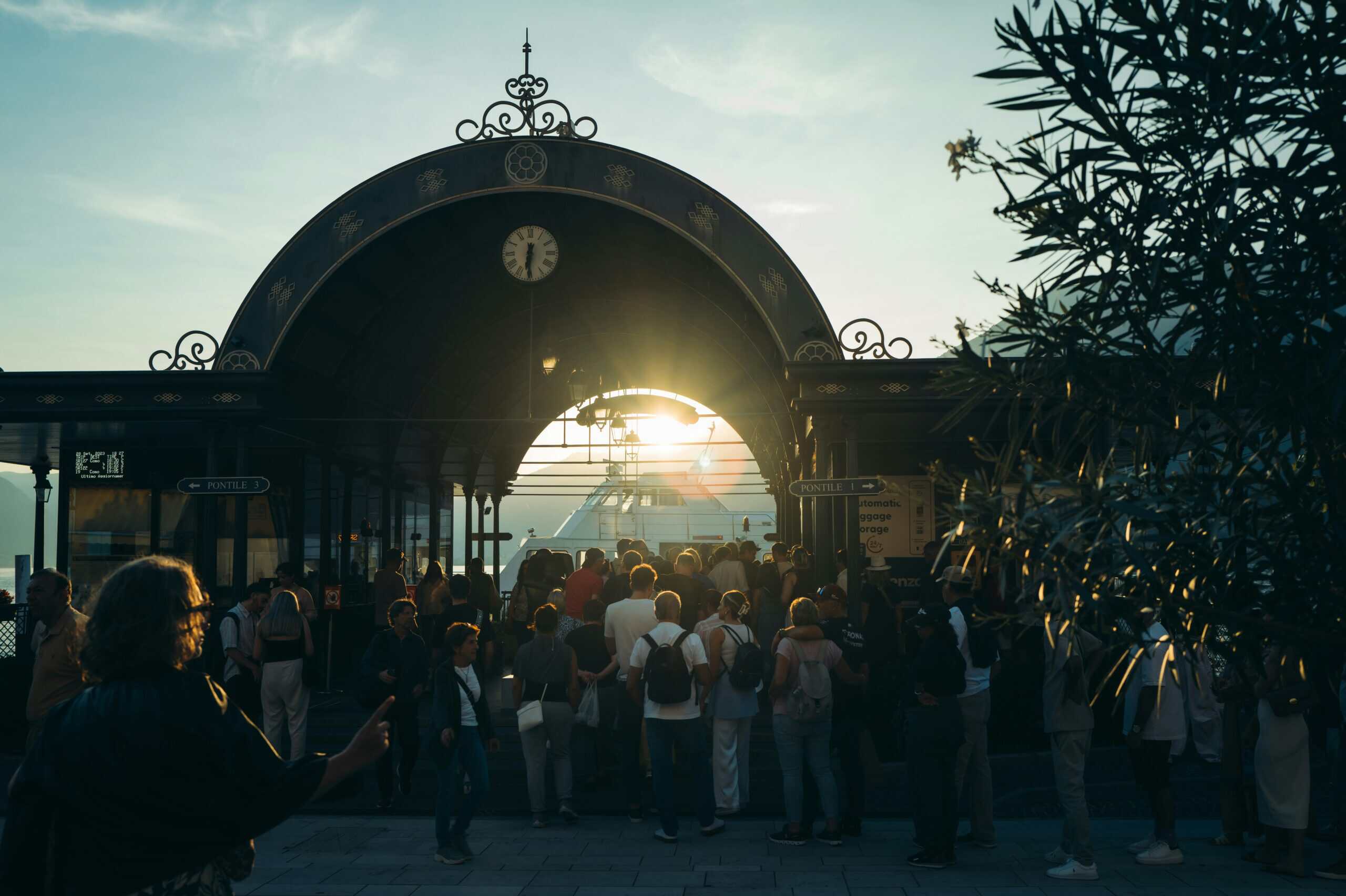
Do not underestimate the afternoon crowd effect. If your schedule forces a midday arrival, take a breath and do not judge the village too quickly. Bellagio often feels more beautiful again once you step away from the densest central stretch.
How to Visit Bellagio Village Step by Step
- Start with transport timing. Decide whether Bellagio is your main base or a ferry-linked day stop.
- Enter with intention. If you arrive by ferry, enjoy the approach instead of immediately rushing to the first café strip.
- Climb first. Explore the upper lanes and stairways early while energy and light are better.
- Choose your cultural stop. Villa Melzi is a strong, elegant option for travelers who want a structured Bellagio highlight.
- Pause for lunch or a terrace break. Bellagio feels more complete when you sit down and let the atmosphere do some of the work.
- Use the lake. Bellagio’s setting makes most sense when you combine walking with a water perspective.
- Leave with margin. Do not schedule your departure too tightly if you depend on ferries, transfers, or photo-heavy wandering.
Nearby Attractions and Easy Add-Ons
Villa Melzi Gardens is the most obvious nearby extension and one of the most rewarding. It gives structure to a Bellagio day and deepens the village’s atmosphere rather than pulling you away from it.
Pescallo offers a softer, quieter contrast to Bellagio’s more photographed center. If the main lanes feel crowded, this is the kind of side detour that helps restore the emotional balance of the visit.
Ferry links to Varenna and Menaggio turn Bellagio into a practical central-lake hub. Even if you stay only in Bellagio, that transport network adds energy and flexibility to the experience.
San Primo trails and upland views appeal to travelers who want to combine lake elegance with more active scenery. Lombardy tourism materials specifically highlight the mountain and trail dimension around Bellagio, which many casual visitors overlook.
Bellagio Village vs. a More Relaxed Lake Como Stop
| Topic | Bellagio Village | A Quieter Lake Town Alternative |
|---|---|---|
| First impression | Iconic, polished, cinematic | Calmer, less theatrical, often less crowded |
| Best for | Classic Lake Como beauty, villa gardens, central ferry access | Slow wandering, easier pacing, softer crowd levels |
| Walking difficulty | Moderate due to stairs and slopes | Often easier, depending on town layout |
| Atmosphere | Elegant, famous, destination-like | More local-feeling and less stage-set |
| My honest take | Best if you want the signature Lake Como image | Better if you care more about serenity than prestige |
Who Should Visit Bellagio Village
First-time Lake Como travelers: Bellagio gives you the classic image people imagine when they picture the lake.
Couples: The village has obvious romantic appeal, but it works best for couples who like walking, views, and lingering rather than nonstop activity.
Photography-minded travelers: Light, elevation, water reflections, and layered town geometry all work in Bellagio’s favor.
Slow travelers: If you enjoy half-days that unfold gently instead of aggressively, Bellagio rewards that style.
Travelers with limited mobility: Bellagio may still be worthwhile, but planning route choices and rest points matters more here than the photos suggest.
FAQ
Is Bellagio Village really worth visiting if I only have one day on Lake Como?
Yes. If your goal is to experience one of the most iconic Lake Como settings with a strong mix of village atmosphere, lake views, and ferry access, Bellagio is a very efficient choice.
What is the best way to arrive in Bellagio?
For many travelers, arriving by ferry is the most memorable option because Bellagio’s position on the lake is part of the appeal.
Is Bellagio easy to walk?
It is walkable, but not flat. Expect stairs, inclines, and cobblestones, especially if you move beyond the waterfront strip.
What is the most rewarding paid attraction in Bellagio?
Villa Melzi’s gardens are one of the strongest structured experiences in Bellagio and are especially rewarding for travelers who enjoy landscaped scenery and lake views.
When is the best season to visit Bellagio Village?
Spring through early autumn is generally the easiest season for gardens, ferry schedules, and long outdoor time, though Bellagio promotes year-round appeal.
Can Bellagio feel overcrowded?
Yes, especially during peak daytime hours. That is why early arrival and a more flexible pace make a big difference.
Is Bellagio better as a base or a day trip?
Both can work. A day trip covers the signature experience, but staying longer lets the village feel more elegant and less crowded because you experience the quieter hours too.
What should I not do in Bellagio?
Do not treat it like a checklist sprint. Bellagio improves the moment you stop trying to “complete” it and start letting the village set the pace.
Related Trip-Nexus Guides
Official Links
- Bellagio official tourism portal
- Villa Melzi Gardens official website
- Navigazione Laghi ferry information
- Lombardy official tourism portal
- Comune di Bellagio
Authoritative reference: In-Lombardia Bellagio destination page
Google Map
Bellagio’s location on the central Lake Como promontory is one of the main reasons the village feels so visually powerful. Use the map below to understand its position before planning ferries or day-trip combinations.
Final Take
Bellagio Village earns its reputation, but not because it is flawless. It earns it because the setting is genuinely special, the village still has layers beyond the obvious photos, and the experience improves when you approach it with the right rhythm. I would not sell Bellagio as “secret” or “underrated.” It is neither. What it is, though, is enduringly beautiful in a way that still feels believable once you are actually there.
If you want the best version of Bellagio, arrive earlier than feels necessary, wear shoes you trust, let the upper lanes surprise you, and resist the urge to rush through it like a social-media checkpoint. That is when Bellagio starts to feel less like a famous stop and more like a place you were genuinely lucky to experience.
Best move: Build your Bellagio day around one garden, one slow meal, and one water approach. The village does the rest.