Zao Onsen Ski Resort Guide: Snow Monsters, Hot Springs, Access, and Best Time to Visit
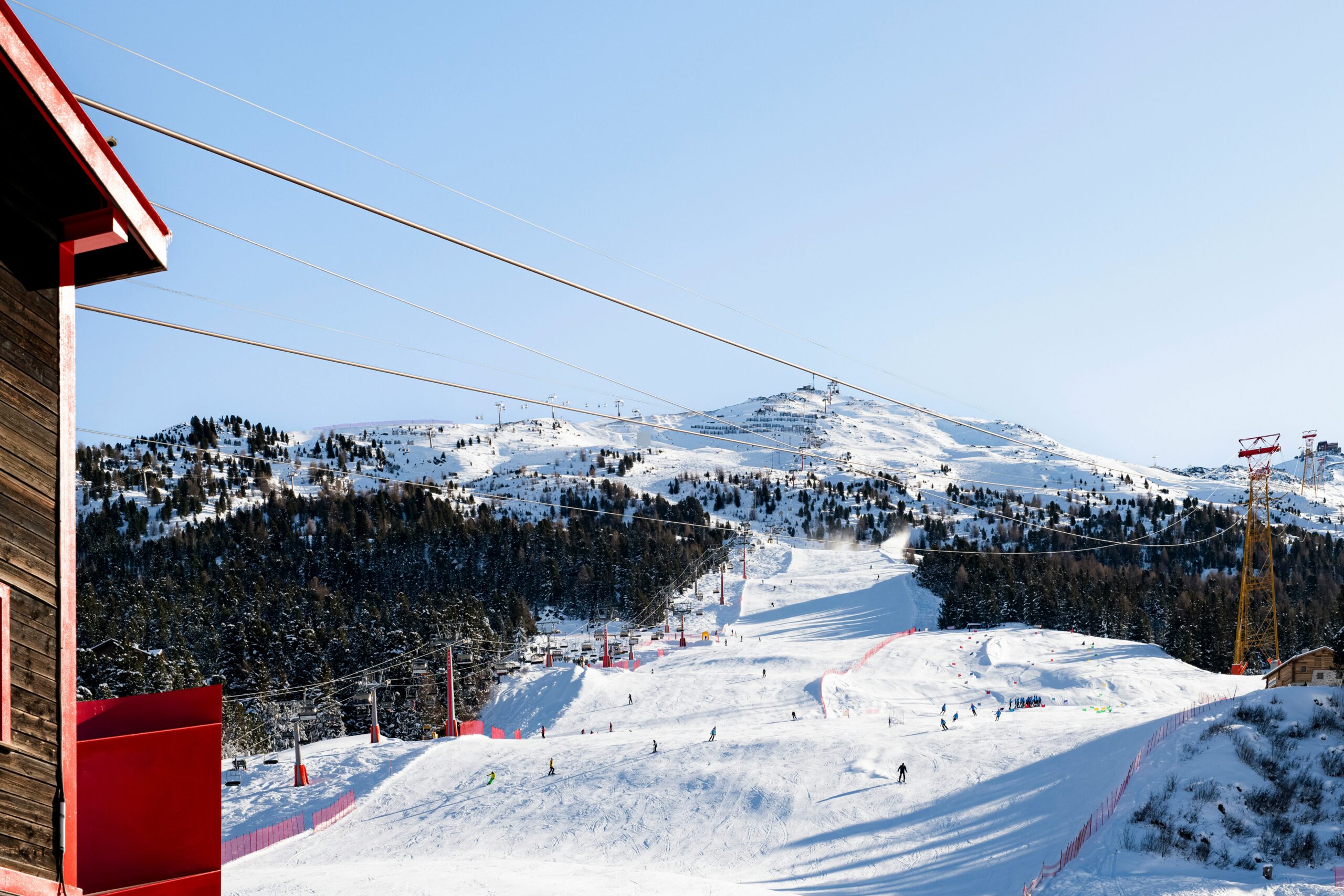
Zao Onsen Ski Resort is where winter drama and mountain calm meet in one of Japan’s most memorable alpine destinations. High on the Yamagata side of Mount Zao, this famous resort combines long ski runs, surreal “snow monsters,” and a historic hot-spring town that feels deeply rooted in Tohoku rather than built only for tourists.
Search Intent
This guide is for travelers deciding whether Zao Onsen is worth visiting for skiing, scenic ropeway rides, snow monsters, open-air baths, ryokan stays, or a winter trip from Tokyo, Sendai, or Yamagata. It is also useful if you want to understand what the resort actually feels like beyond the brochure version.
Quick Summary
- Best known for snow monsters, varied ski terrain, and a historic hot-spring village.
- Best winter window is roughly late December to early March, with snow-monster scenery peaking later in the season.
- Most practical access is via Yamagata Station + bus, though airport and ropeway routes also matter.
- Strong acidic sulfur hot springs give Zao a very different feel from softer onsen towns.
- Zao works well for skiers, non-skiers, couples, photographers, and travelers wanting both scenery and recovery.
Why Zao Onsen Ski Resort Still Feels Special
Plenty of Japanese ski areas promise powder, pretty scenery, and a convenient day on the slopes. Zao Onsen Ski Resort feels different because it is not just a ski field with accommodation attached. It is a lived-in mountain onsen town with centuries of memory, sulfur in the air, old inns tucked beside modern hotels, and ropeway rides that feel like you are entering another climate zone entirely.
The resort itself is large enough to keep strong skiers interested, yet its identity goes far beyond sports. Some people come purely for the juhyo, the frost-coated trees nicknamed “snow monsters.” Others come for the baths, especially after a long day outside. And some come because they want a winter destination that still feels unmistakably Japanese rather than internationally interchangeable.
I think that combination is exactly why Zao stays memorable. You can spend the morning chasing views at elevation, the afternoon soaking in mineral-rich water, and the evening walking through a steaming village street with snow piled high on either side. That rhythm is hard to fake and even harder to forget.
What It Feels Like on the Ground
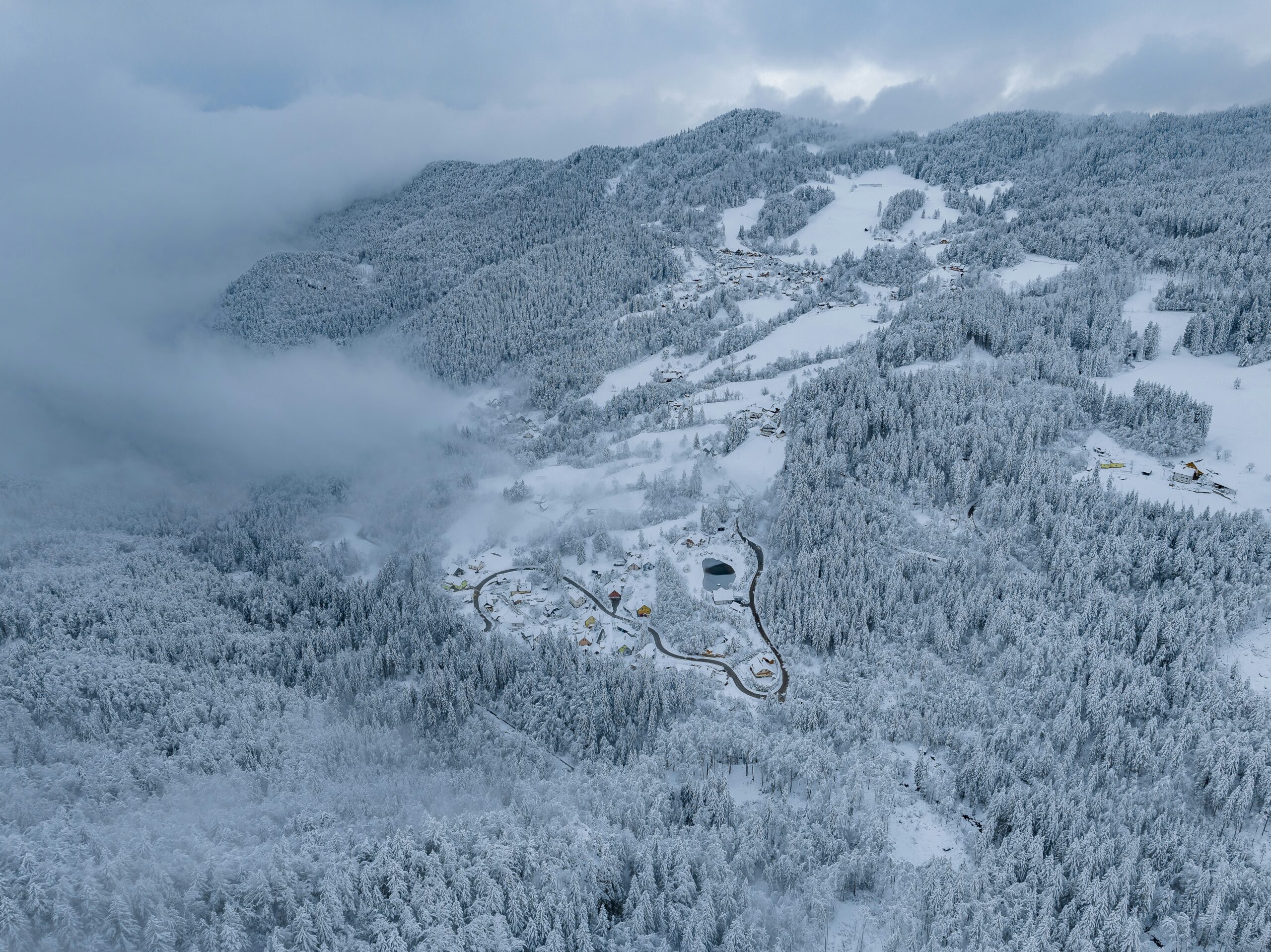
Zao is not polished in the same way as some of Japan’s best-known resort towns. That is part of its charm. The village can feel rugged, steep, and weather-beaten in winter, with steam drifting from bathhouses and roads edged by heavy snowbanks. The atmosphere is more mountain settlement than luxury ski enclave.
The first thing I would tell a first-time visitor is this: do not expect every moment to be neat and cinematic. Wind can be sharp. Visibility can change quickly. Your boots may slide on icy streets between inns and ropeway stations. But that slight roughness makes the place feel real. When the weather clears and the white landscape opens up, the payoff is bigger because you feel you earned it.
The sensory contrast is one of Zao’s strongest assets. Outside, your cheeks sting in the cold. Inside, the baths are warm, mineral-heavy, and deeply calming. That contrast becomes the emotional engine of the whole trip.
History, Onsen Culture, and Why the Water Matters
Zao Onsen is not a modern invention built around ski demand. Its hot springs are said to have been known for around 1,900 years, and that long thermal history still defines the place today. The water is famous for being strongly acidic and sulfur-rich, which gives the baths a very different character from gentler onsen towns elsewhere in Japan.
That matters because it changes how people use the destination. Even travelers who barely ski often build an itinerary around bathing, staying in a ryokan, eating local food, and riding the ropeway for views. Zao is therefore one of those rare winter destinations where non-ski companions are not just tagging along.
The village’s onsen culture also slows you down in a good way. Instead of trying to “do” everything in one burst, you naturally break the day into mountain time and recovery time. I made the mistake once of planning too many back-to-back viewpoints and meals without leaving room for a proper bath, and the day felt oddly rushed. Zao improves the moment you accept its rhythm.
Top Highlights at Zao Onsen Ski Resort
1. The Snow Monsters
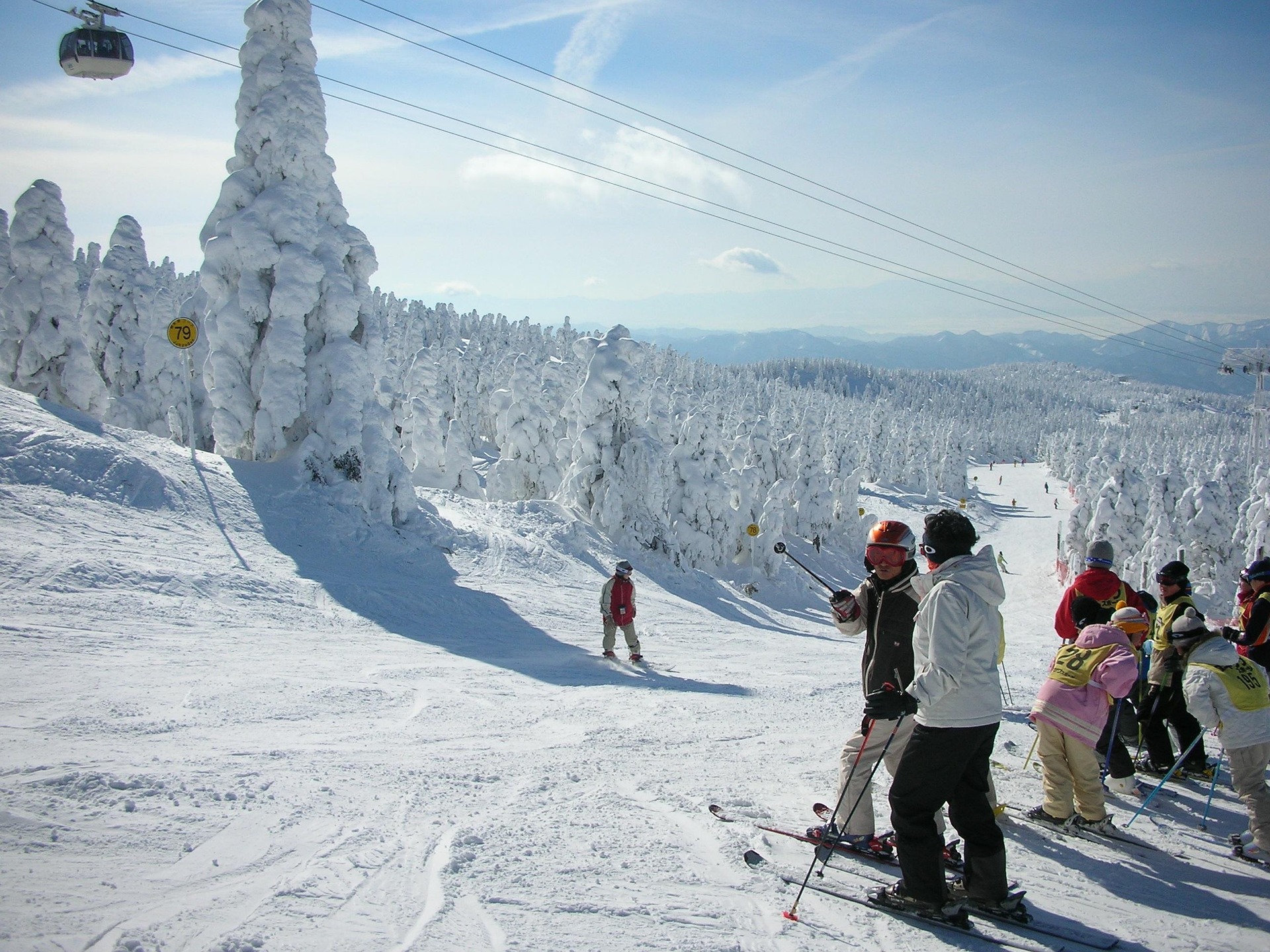
The juhyo are the signature reason many travelers come. These strange, heavily iced trees form when freezing winds and snow build layer upon layer around the forest near the summit. They are not decorative sculptures; they are a rare natural phenomenon, and that is exactly why the landscape feels so uncanny in person.
2. A Large, Varied Ski Area
Zao has enough scale to feel like a full winter resort rather than a tiny local slope. The terrain mix gives beginners, intermediates, and stronger riders something to work with, while the long descents and upper-mountain scenery help the resort feel expansive. Even if you are not chasing technical difficulty, the length of the runs adds to the sense of journey.
3. Ropeway Access to Big Views
The ropeway system is a core part of the experience, especially for visitors who are not skiing all day. Riding upward toward the frosted upper slopes is one of the easiest ways to experience Zao’s dramatic winter scenery without needing an advanced sports plan.
4. Baths After the Cold
Zao’s hot springs are not just a bonus feature. They complete the destination. A day here feels half-finished without a soak, especially if you have spent hours in wind, snow, or subzero temperatures.
Key Visitor Information
| Location | Zao Onsen, Yamagata City, Yamagata Prefecture, Japan |
|---|---|
| Best Time for Snow | Late December to early March for the classic winter experience |
| Best Time for Juhyo | Usually strongest in the heart of winter, often around February |
| Best for | Skiing, snowboarding, ropeway views, hot springs, ryokan stays, winter photography |
| Nearest Major Rail Hub | Yamagata Station |
| Local Access | Bus from Yamagata Station, plus ropeway/cable access within the resort area |
| Nearby Seasonal Side Trip | Okama Crater in the greener months, not a winter add-on |
| Stay Style | Ryokan, hotels, lodges, and budget-friendly options in the onsen village |
Cultural Experience, Not Just Sports
Zao works best when you treat it as a mountain town with culture rather than a resort checklist. Book a ryokan if your budget allows. Eat a slower dinner. Walk after dark. Stop at a public bath or footbath instead of rushing between attractions. The town rewards unhurried travelers.
That is also why couples and older travelers often enjoy Zao as much as serious skiers. The destination has an inward warmth that balances the dramatic winter setting outside.
Travel Tips That Actually Help
How to Visit Zao Onsen Ski Resort Step by Step
- Take the Shinkansen or regional rail route to Yamagata Station.
- Transfer to the bus bound for Zao Onsen, which is the standard public-transport approach for most visitors.
- Check in first if possible, especially if you have winter luggage or ski gear.
- Choose your main focus: full ski day, ropeway + scenery day, or mixed onsen-and-village day.
- If snow monsters are your priority, give yourself enough time for the ropeway journey and changing weather conditions.
- End the day with an onsen soak instead of rushing back out immediately. Zao is best experienced in layers, not in one sprint.
Nearby Attractions and Smart Pairings
Okama Crater is the obvious nearby icon, but it is a green-season or shoulder-season pairing rather than a winter one. Its appeal lies in the changing crater-lake colors and volcanic scenery, which work best when seasonal roads are open.
Yamagata City is your practical gateway and worth more than a pass-through. It helps break up the trip, especially if you want easier dining, shopping, or a night before heading into the mountains.
If your Japan itinerary includes multiple classic cultural stops, Zao pairs surprisingly well with temple, castle, and historic-garden destinations because it adds a wilder, colder, more physical contrast to the trip.
Zao Onsen vs Typical Japanese Ski Resort
| Category | Zao Onsen Ski Resort | Typical Ski Resort |
|---|---|---|
| Identity | Historic onsen town + ski area | Sports-first destination |
| Signature Scenery | Snow monsters and sulfur-steam village atmosphere | Snowy slopes and mountain views |
| Non-Skier Appeal | Very strong | Often limited |
| Bath Culture | Core to the destination | Optional or secondary |
| Atmosphere | Rustic, dramatic, very Tohoku | More standardized resort feel |
Who Should Visit Zao Onsen
- Travelers who want a classic Japan winter trip with more character than a generic ski base.
- Couples looking for scenery, baths, and a memorable cold-weather ryokan stay.
- Photographers interested in dramatic winter textures and upper-mountain atmosphere.
- Mixed groups where not everyone wants to ski all day.
- Visitors who enjoy destinations that feel slightly raw, lived-in, and regionally specific.
FAQ
Is Zao Onsen Ski Resort worth visiting if I do not ski?
Yes. The ropeway scenery, snow monsters, ryokan stays, village atmosphere, and onsen culture make it one of Japan’s better winter destinations for non-skiers.
When is the best time to see the snow monsters?
Deep winter is best, and many travelers aim for the heart of the season when the formations are at their strongest. Weather still affects visibility and impact.
How do I get to Zao Onsen from Tokyo?
The standard route is Shinkansen to Yamagata Station, then a bus to Zao Onsen. This is usually the simplest public-transport option.
Can beginners enjoy skiing here?
Yes. Zao has enough variety for mixed ability levels, though weather and mountain scale still make it wise to plan conservatively on your first day.
Is one day enough for Zao Onsen?
A day trip is possible, but one overnight stay is far better. Zao’s real value comes from combining mountain time with evening onsen and village atmosphere.
Can I combine Okama Crater with a winter Zao trip?
Usually not in the way many first-time travelers imagine. Okama is generally a non-winter or shoulder-season side trip because seasonal access changes.
What makes Zao different from other onsen towns?
Its strong acidic sulfur water, major winter sports identity, and snow-monster landscape give it a more dramatic, alpine character than many softer onsen destinations.
Is Zao good for couples?
Very much so. Scenic ropeway rides, ryokan stays, warm baths, and the evening village mood make it especially appealing for winter couples’ trips.
More Japan Travel Guides on Trip Nexus
Official and Authoritative Resources
Google Map
Final Verdict
Zao Onsen Ski Resort is one of the strongest winter destinations in Japan for travelers who want more than just lift access. It offers scale, atmosphere, and a sense of place that feels earned rather than manufactured.
If you love the idea of dramatic snow scenery, ropeway rides, old-school onsen streets, and a hot bath at the end of a freezing day, Zao delivers beautifully. It is not the sleekest resort in Japan, but that is exactly why many travelers remember it longer.