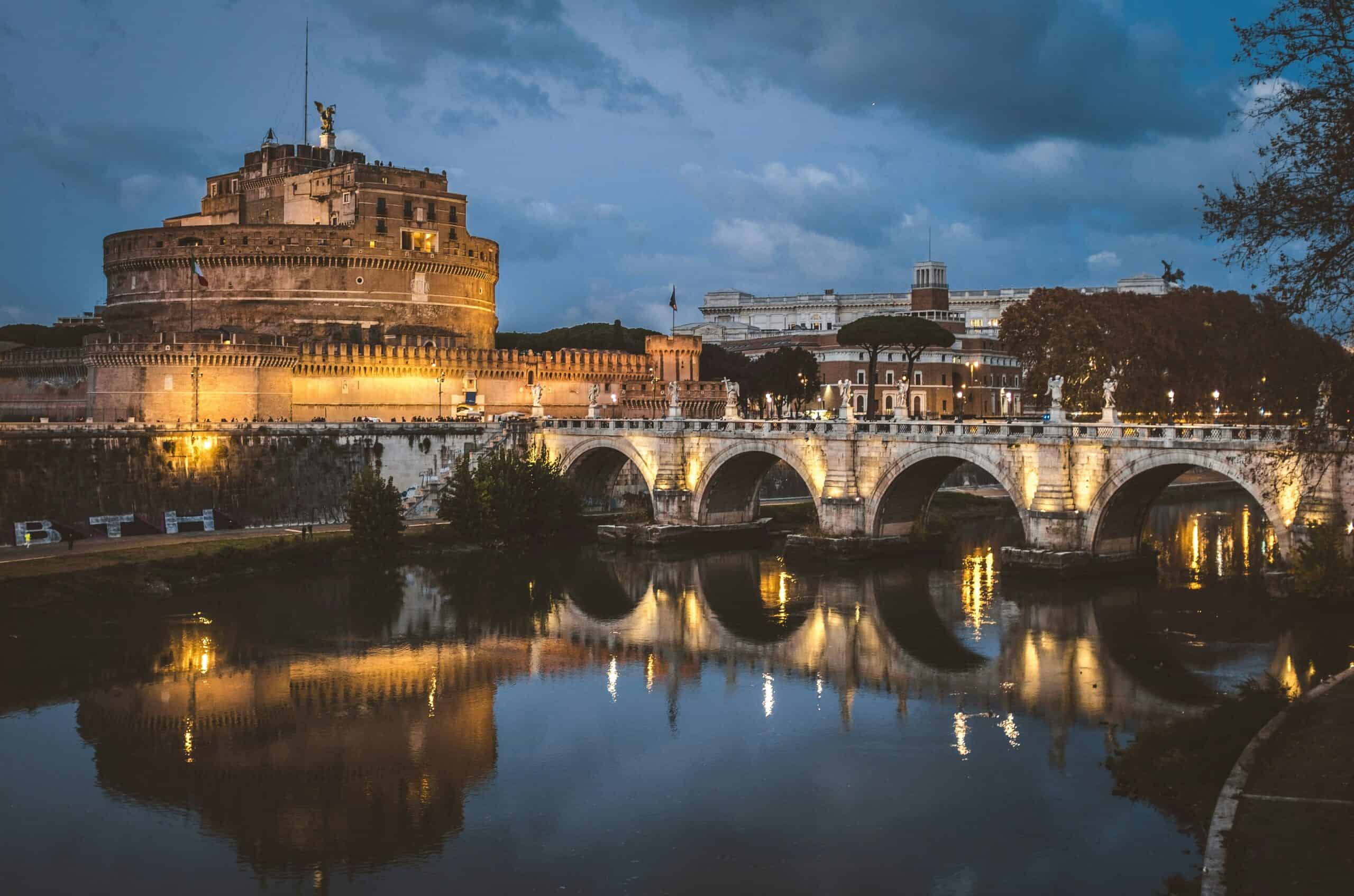
Castel Sant’Angelo Rome: What to Know Before You Go (Views, Route, and Timing)
Castel Sant’Angelo Rome is one of those places that feels bigger than a normal sightseeing stop. It is a mausoleum, a fortress, a museum, and one of the best panoramic terraces in the city all at once. When I think back on walking up through its spiral paths and finally stepping out onto the terrace, what stayed with me most was not just the history, but that sudden feeling of Rome opening up in every direction.
Why People Search for Castel Sant’Angelo Rome
Most travelers looking up Castel Sant’Angelo Rome want clear answers before they go: whether it is worth the ticket, how long to spend inside, what the rooftop views are like, how it compares with other Rome landmarks, and the easiest way to combine it with St. Peter’s Basilica or a Vatican walk. This guide is built for exactly that.
Quick Summary
- Castel Sant’Angelo Rome is best known for its layered history and one of the most rewarding terrace views in the city.
- The site began as Hadrian’s mausoleum and later became a fortress, papal refuge, prison, and museum.
- Go in the late afternoon for softer light, but arrive earlier if you want quieter galleries and fewer photo interruptions.
- It pairs especially well with Ponte Sant’Angelo, St. Peter’s Basilica, and a longer Vatican-side walking route.
- Give yourself around 2 to 2.5 hours if you want both the history sections and the rooftop without rushing.
Why Castel Sant’Angelo Still Feels Different in Rome
Rome has no shortage of famous monuments, but Castel Sant’Angelo feels unusually complete. Some places give you architecture, some give you a museum, and some give you a view. This one gives you all three in a single vertical journey. You start with thick stone walls and imperial origins, then move through Renaissance apartments and military passages, and finally end up with a wide open terrace where the city seems to rearrange itself around the Tiber.
I also think it works well for travelers who like places with momentum. You are not just standing in front of a monument and taking one picture. You keep climbing, turning, entering chambers, stepping into corridors, and finding new angles. That sense of progression makes the visit feel alive.
What It Feels Like Inside
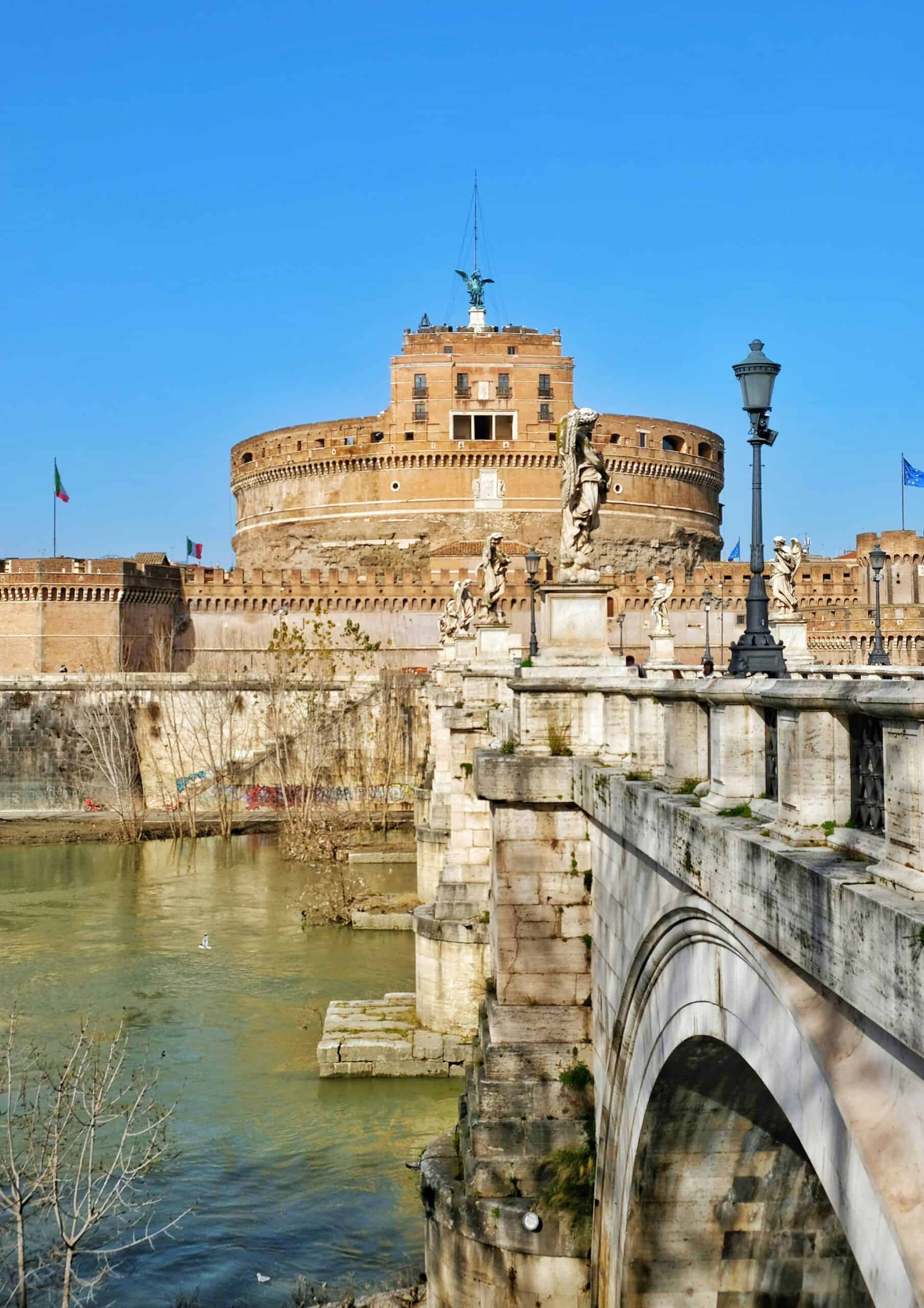
One of the best things about Castel Sant’Angelo Rome is how the atmosphere changes as you move upward. Down below, the mood is cooler, heavier, and more enclosed. The old stone seems to hold the temperature differently, and the air feels slightly denser. Then, as you climb, the structure begins to open. Windows widen, corridors brighten, and by the time you reach the upper levels, the whole experience shifts from fortress to lookout.
The terrace is the emotional high point. You see St. Peter’s dome, the Tiber, bridges, ocher facades, and the warm rhythm of Roman rooftops. I made the mistake of thinking I would spend five minutes up there and move on. Instead, I stayed much longer than planned because every side offered a different composition. It is one of those places where you realize Rome is not only monumental, but deeply cinematic.
There is also a subtle contrast that makes the visit more compelling: the building feels defensive and inward-looking in parts, yet the rooftop is completely outward and expansive. That tension is exactly what gives the site its personality.
History and Cultural Context
Castel Sant’Angelo began in the 2nd century as the mausoleum of Emperor Hadrian and his family. Over time, the structure was absorbed into the city’s defensive network and later became closely tied to papal power. It was eventually used as a fortress, prison, and refuge, before becoming the National Museum in the 20th century. Official museum and national tourism sources still emphasize this extraordinary transformation as the core reason the monument matters in Rome today.
That layered identity is not just background trivia. You can feel it in the architecture itself. The building does not read like a single-purpose monument. It reads like a place that has been adapted repeatedly by people under pressure, by rulers needing grandeur, by religious authorities needing safety, and by modern visitors trying to understand how one monument could survive by constantly changing.
The famous Passetto di Borgo deepens that story. This fortified passage connected the castle to the Vatican and served as an escape route in dangerous times. Even without walking the entire route, just knowing it exists changes how you see the castle. It stops being an isolated attraction and becomes part of a larger power map of Rome. Official museum notices also confirm that Passetto-related guided visits continue to be offered on a scheduled basis.
Key Visitor Information
| Opening hours | Tuesday to Sunday, 9:00–19:30 |
| Last admission | 18:30 |
| Closed | Mondays, 25 December, 1 January |
| Full ticket | €16 |
| Reduced ticket | €2 for EU visitors aged 18–25 |
| Free entry | Under 18 and first Sunday of the month |
| Address | Lungotevere Castello, 50, 00193 Rome |
| Booking advice | Advance booking is recommended, especially on weekends and holidays |
These details reflect current official museum visitor information, including ongoing notices about partial route adjustments related to accessibility works and temporary closure of some rooms.
Main Highlights Inside Castel Sant’Angelo Rome
1. The Mausoleum and Lower Levels
The lower sections still carry the gravitas of the monument’s original role. These areas feel quieter and more structural than decorative, which actually helps you imagine the building’s earliest phase. If you enjoy Roman history beyond the postcard version, this is where the visit starts to gain depth.
2. The Papal and Military Layers
As you continue upward, the narrative widens. Frescoed rooms, defensive passages, and museum displays reveal how the castle was repeatedly redefined. It is this mix of imperial, military, and papal identity that separates the experience from a more straightforward palace or museum visit.
3. The Terrace Views
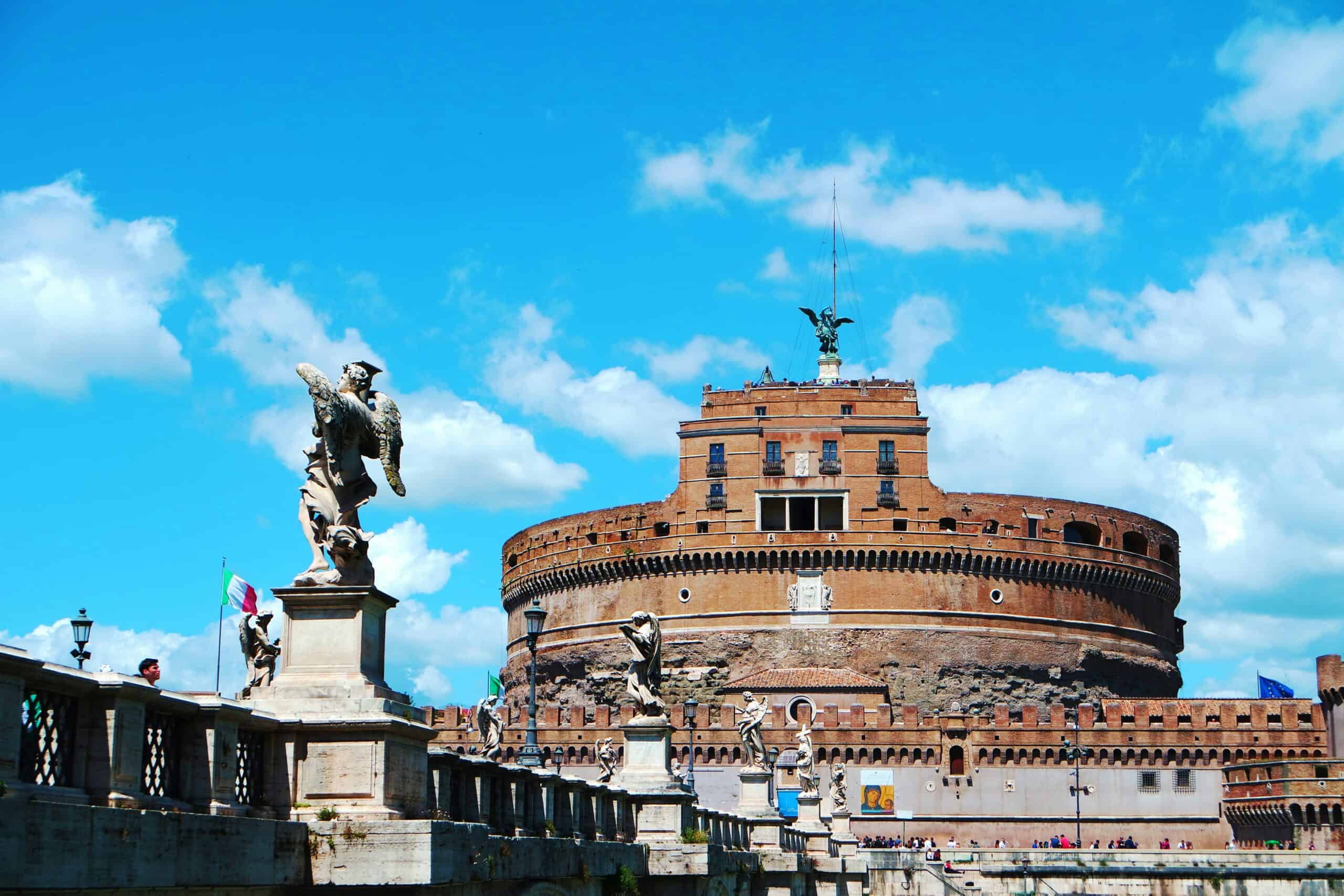
This is the section most visitors remember. The terrace gives you a strong visual relationship with St. Peter’s Basilica, Ponte Sant’Angelo, and the curves of the Tiber. Bring patience here. The view rewards lingering, especially when the light starts warming up in late afternoon.
The Cultural Experience, Not Just the Checklist
One reason I would recommend Castel Sant’Angelo Rome even to people who are not deeply into military or imperial history is that the site helps you understand how Rome reused power spaces. In many cities, buildings change function quietly. Here, the shift from emperor to pope to museum still feels visible. You are not told the story only through labels. You sense it through the shape of rooms, the thickness of walls, and the way the building controls views over the river and the Vatican side.
There is also something distinctly Roman about the contrast between beauty and defense here. You walk through a place built for memory, then survival, then display. Even the surrounding approach reinforces that. Ponte Sant’Angelo is theatrical and open, while the castle itself looks stern and strategic.
That mixture gives the visit a satisfying seriousness. It is scenic, yes, but not lightweight. It feels like a monument that earned its survival.
Travel Tips and Real-World Warnings
I would also keep some flexibility in your plan. Official notices mention temporary room closures and route adjustments tied to ongoing works, so the exact flow may vary from the idealized version you see in older blog posts.
How to Visit: A Smooth 2 to 2.5 Hour Route
- Start outside on Ponte Sant’Angelo and pause for bridge photos before going in.
- Enter the museum and spend time in the lower sections first while your energy is high.
- Move gradually through the historical and papal sections instead of racing to the terrace.
- Reach the upper levels and stay on the terrace long enough to enjoy multiple viewpoints.
- After the visit, continue on foot toward St. Peter’s Basilica or the Borgo area.
This pacing works especially well because the castle is more vertical and sequential than many first-time visitors expect. The reward is strongest when the visit feels like a climb through history rather than a box-checking stop.
Nearby Places That Pair Well With It
Castel Sant’Angelo Rome is easy to combine with several nearby highlights. Ponte Sant’Angelo is the obvious companion because it frames the approach beautifully. St. Peter’s Basilica is another natural pairing if you want a Vatican-side walking day. You can also use the area as a transition between the historic center and the Borgo district.
I would not stack this visit with too many heavy indoor attractions in a row. The castle deserves some breathing room because the terrace is part of the experience, not an optional extra.
Castel Sant’Angelo Rome vs Other Rome Experiences
| Place | Best For | Strength | Possible Drawback |
|---|---|---|---|
| Castel Sant’Angelo | History + views + layered experience | Strong rooftop payoff and unique narrative arc | Less famous than the major bucket-list icons |
| Colosseum | Ancient Rome first-timers | Instant global icon status | Can feel more crowded and more expected |
| St. Peter’s Basilica | Religious art and monumental scale | Overwhelming grandeur | Longer queues and stricter entry logistics |
| Piazza Navona | Outdoor atmosphere and Baroque city life | Easy and open access | Less structured historical journey |
Who Should Visit Castel Sant’Angelo Rome
- Travelers who want a Rome landmark with both historical substance and a visual payoff.
- Photographers looking for skyline, bridge, and Vatican-facing angles.
- Visitors who enjoy monuments that reveal multiple identities rather than one single story.
- People who already saw the biggest icons and want something still central but slightly more textured.
- Anyone building a slower, more atmospheric Vatican-side itinerary.
Frequently Asked Questions
Is Castel Sant’Angelo Rome worth visiting?
Yes, especially if you want both historical depth and one of the best terrace views in central Rome.
How long should I spend at Castel Sant’Angelo?
Around 2 to 2.5 hours is ideal if you want to explore the interior properly and still enjoy the terrace.
What are the official opening hours?
The museum is currently open Tuesday to Sunday from 9:00 to 19:30, with last admission at 18:30. It is closed on Mondays, 25 December, and 1 January.
How much is the ticket?
The official full ticket is €16, with a reduced €2 ticket for EU visitors aged 18 to 25, and free entry for under-18s and on the first Sunday of the month.
What is the best time to go?
Late afternoon is best for light and atmosphere, but earlier hours are usually better for quieter interior exploration.
Can I combine it with the Vatican area?
Yes. It pairs very naturally with St. Peter’s Basilica, Borgo walks, and Ponte Sant’Angelo.
Are there any current restrictions or closures?
Yes. Official notices mention temporary closure of some rooms and route adjustments linked to works and refurbishment, so check the museum site again before your visit.
More Trip-Nexus Guides You May Like
Official and Authoritative Sources
Map
Final Thoughts
Castel Sant’Angelo Rome is not just another famous stop on a Rome checklist. It is one of the rare places where the climb, the story, and the view all reinforce each other. I liked it more than I expected because it never felt one-dimensional. Every section changed the mood slightly, and the terrace made the whole experience land emotionally.
If you want a Rome attraction that blends history, atmosphere, and a real visual reward, this is a strong choice. Give it enough time, wear decent shoes, and do not leave the terrace too quickly.