Champs-Élysées Paris Guide: Best Walking Route, Arc de Triomphe View, and How to Do It Right
Champs-Élysées Paris is one of those places that everyone thinks they already understand before visiting. The name is so famous that it can start to feel more like a symbol than a real street. But once you actually walk it from Place de la Concorde toward the Arc de Triomphe, the avenue becomes much more interesting than its postcard reputation. It is not just about luxury storefronts or wide sidewalks. It is about how Paris unfolds in layers: ceremonial, historical, commercial, cultural, and unexpectedly calm in pockets if you know where to step aside.
I think this avenue is easiest to misread. Many first-time travelers rush through it, take a few photos, complain that it feels crowded, and move on. I almost understand why. If you walk it without a plan, the Champs-Élysées can feel like a busy boulevard with expensive windows. But if you structure the visit well, add the right breaks, and save your energy for the Arc de Triomphe viewpoint, it becomes one of the most satisfying urban walks in Paris.
Search Intent
This guide is for travelers who want a practical Champs-Élysées Paris guide, the smartest walking route, the best viewpoint at the Arc de Triomphe, nearby museum options, real timing advice, and a better experience than simply “walking the famous street and leaving.”
Quick Summary
- The best first-time route starts at Place de la Concorde and ends at the Arc de Triomphe.
- The Arc de Triomphe terrace is the real payoff of the walk and turns the avenue from “famous street” into “memorable Paris experience.”
- The garden section in the middle is the best reset point for shade, benches, and calmer pacing.
- Grand Palais and Petit Palais are the strongest culture detours nearby if you want more than shopping and monument photos.
- Late afternoon is usually the best overall time: softer light, stronger atmosphere, and a better visual finish at the Arc.
Why the Champs-Élysées still matters in modern Paris
The Champs-Élysées is not important because it is a shopping street. It matters because it is one of the most public versions of Paris. It connects major civic and visual anchors, and that long axis gives the city a sense of order, ceremony, and scale. This is one of the reasons the avenue has remained central to national celebrations, parades, and the international image of Paris for so long.
The experience is also more layered than people expect. At one end, Place de la Concorde carries political and historical weight. In the middle, the gardens and museum zone soften the avenue’s rhythm. At the far end, the Arc de Triomphe transforms the whole walk into a panorama. The Champs-Élysées works best when you stop seeing it as one long commercial strip and start seeing it as a sequence of experiences.
What it actually feels like to walk it
The walk changes mood in stages. Near Concorde, the atmosphere feels broad, elegant, and almost ceremonial. You have more sky, more visual breathing room, and an immediate sense that you are entering one of Paris’s grand historical axes. A little farther west, the pace changes. Traffic gets louder, storefront energy becomes stronger, and the avenue can feel more commercial than romantic if you hit it at the wrong time.
That middle stretch is where many people lose patience. I think this is where the wrong visit collapses. If you keep forcing yourself down the center line with no pause, the boulevard can start to feel like work. But if you use the gardens intelligently, take one short detour, and avoid trying to “get through it fast,” the experience resets. The final approach toward the Arc is where the street becomes powerful again.
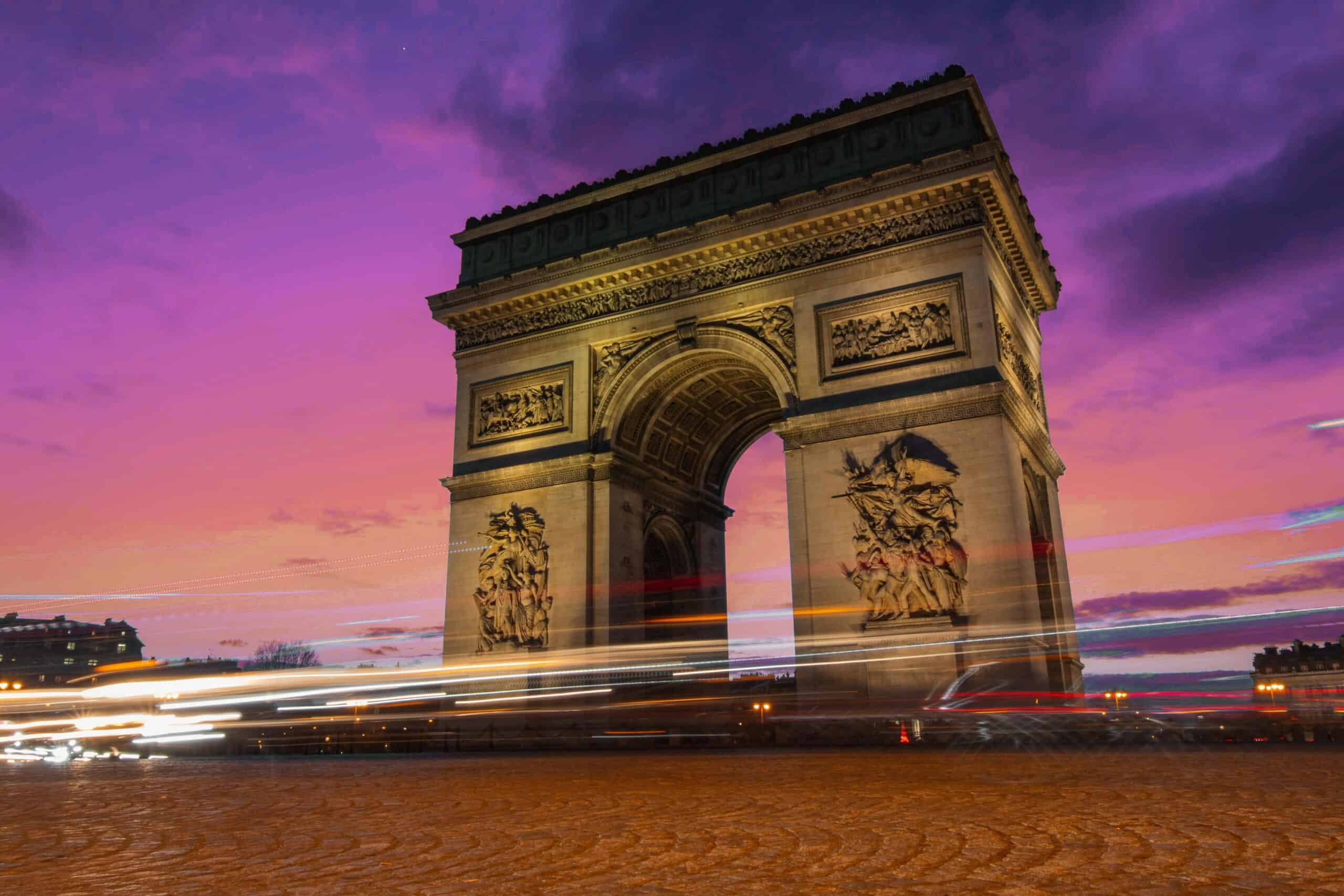
I still remember how different it felt the second time I walked it properly. The first time, I rushed, took average photos, and honestly felt underwhelmed. The second time, I slowed down, sat in the gardens for fifteen minutes, and reached the Arc when the light was warmer. That one change made the whole avenue make sense. It stopped feeling like a famous obligation and started feeling like Paris.
History and significance in plain English
The Champs-Élysées traces back to the seventeenth-century westward extension of the Tuileries axis, often associated with André Le Nôtre’s urban vision for Paris. Over time, this promenade evolved into one of the city’s most important symbolic spaces. The avenue came to represent more than movement through the city. It became a national stage where ceremonial Paris could present itself.
That history still matters because it explains why the street feels oversized and formal in a way that many other famous urban avenues do not. The Champs-Élysées was never just a neighborhood street that later became popular. It was shaped to carry sightlines, spectacle, movement, and prestige. When you walk it with that in mind, the scale stops feeling arbitrary.
Today, the avenue blends official Paris and everyday tourism in a slightly awkward but fascinating way. That tension is part of the experience. You are walking through a place that is both historically ceremonial and commercially modern, and that contrast is why the street can feel grand in one moment and strangely ordinary in the next.
Quick planning information
| Best route | Place de la Concorde to Arc de Triomphe |
| Best big viewpoint | Arc de Triomphe rooftop terrace |
| Arc de Triomphe current hours | Generally 10:00–22:30, last access 45 minutes before closing |
| Petit Palais | Usually Tue–Sun 10:00–18:00, permanent collections free |
| Grand Palais | Usually Tue–Sun 9:30–20:00, Fridays until 22:30 |
| Best time | Early morning for calm, late afternoon for atmosphere and better light |
| Walk duration | 60–90 minutes without detours; 2–4 hours with viewpoint and museum stops |
Best walking route in one smooth pass
This is the version I would recommend to most first-time visitors because it keeps the strongest visual payoff for the end.
- Start at Place de la Concorde. The avenue feels widest and most impressive from here.
- Walk west at an unhurried pace. Do not treat this like a commute. The avenue needs pauses.
- Use the Jardin des Champs-Élysées as your first reset point. Benches and shade change the pacing dramatically.
- Take a short cultural detour if it suits your energy. Petit Palais is especially useful because it adds beauty and a calmer interior pace.
- Return to the avenue and continue toward the Arc. This last stretch feels more monumental as the monument gets closer.
- Finish at the Arc de Triomphe terrace if timing allows. This is what makes the whole walk feel complete.
What to see along the way
Place de la Concorde
This is the dramatic opening scene of the walk. The scale here prepares you for the avenue better than any metro arrival does. It also grounds the walk historically, which matters more than many people realize.
Jardin des Champs-Élysées
This is not just a green patch on the route. It is the best place to slow your breathing, sit down, and let the avenue stop feeling noisy. A short pause here can completely improve the second half of your walk.
Grand Palais and Petit Palais
This nearby museum corridor is one of the smartest detours in the area. Grand Palais adds exhibition energy and architectural grandeur, while Petit Palais offers a calmer and often more rewarding museum break for travelers who want a gentler pace.
Arc de Triomphe
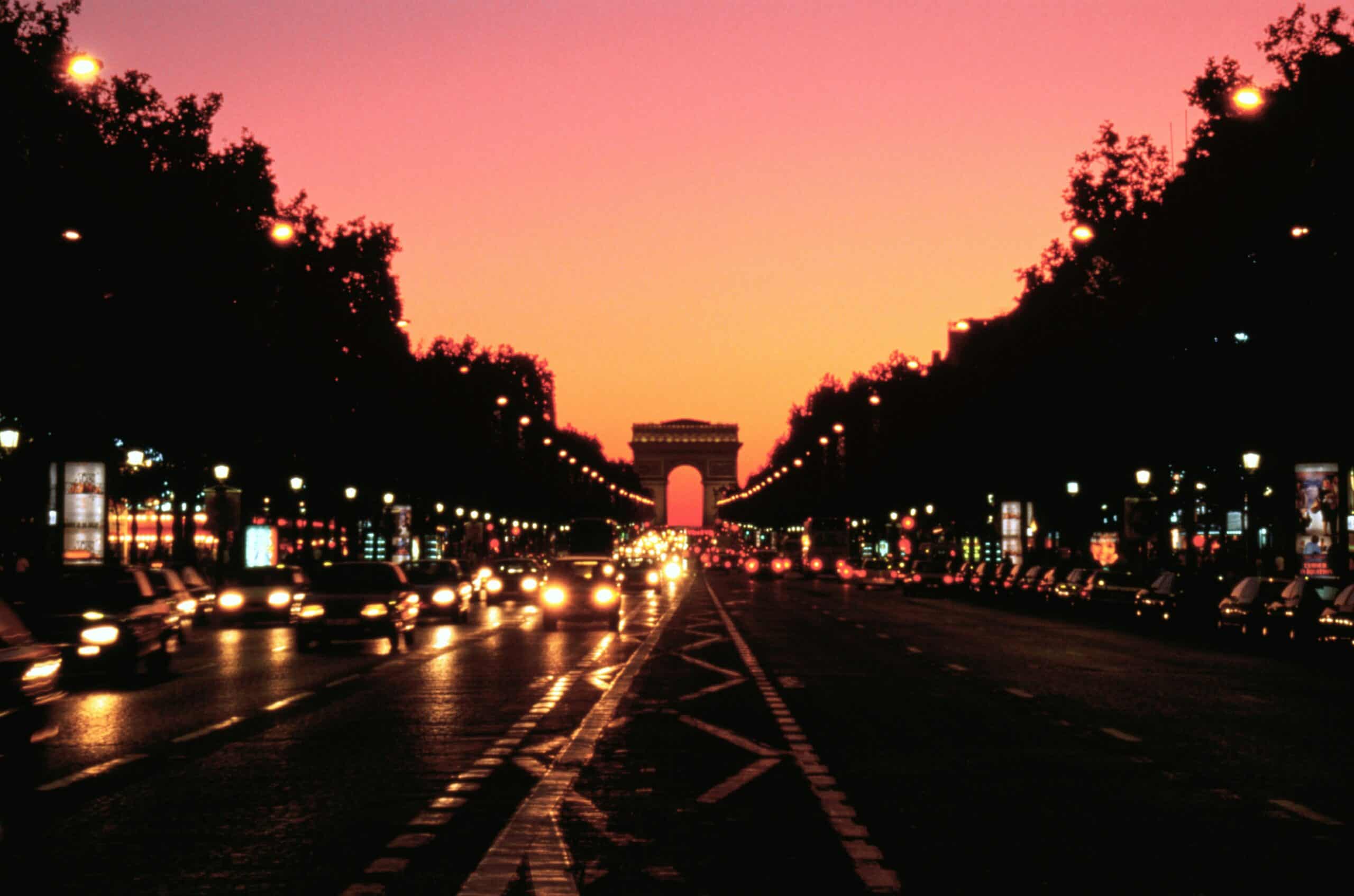
The Arc is the real climax. Street level makes the avenue feel important, but the terrace makes it legible. From above, you finally understand the geometry of the city and why the Champs-Élysées feels so central.
Arc de Triomphe: the best viewpoint in the area
If you only choose one paid or timed stop in this whole zone, make it the Arc de Triomphe terrace. It changes the meaning of the walk. From the top, the Champs-Élysées stops being a famous avenue and starts feeling like part of a larger urban design. The radial roads, the monumentality, the movement of traffic, and the visual line back toward Concorde all come together.
Official visitor guidance currently lists general opening at 10:00–22:30 with last access 45 minutes before closing, while also noting that official ceremonies or exceptional conditions can affect access. That flexibility matters, so checking the official page on the day of your visit is worth it. The monument also has luggage and security restrictions, which is another reason to arrive prepared rather than improvising at the entrance.
Photo-wise, I think late afternoon is the sweet spot. The light is warmer, the city feels softer, and the avenue looks more cinematic. Dusk can be stunning too, but you trade atmosphere for longer queues and heavier crowd energy.
Hidden side-street strategy that improves the whole experience
This is probably the single most useful practical tip in the guide: do not stay only on the main avenue. The Champs-Élysées is much better when you treat it like a corridor with branches rather than a single-track attraction. One street away, the atmosphere often becomes quieter, more textured, and less dominated by big-brand façades.
You do not need a complicated hidden-gems map. The idea is simpler than that. Take one café break slightly off the boulevard, use the gardens as a breathing space, and return when you are ready. This keeps the avenue from feeling repetitive and allows Paris to feel more human again.
I would especially recommend this to travelers who worry that the Champs-Élysées might feel too commercial. That concern is fair. But it is much less of a problem when you step aside strategically instead of forcing the whole experience to happen on the central strip.
Luxury detours nearby: Avenue Montaigne and Faubourg Saint-Honoré
If your version of Paris includes fashion façades, polished window displays, and the visual side of luxury culture, the strongest nearby detours are Avenue Montaigne and Rue du Faubourg Saint-Honoré. They work well as atmosphere stops rather than long commitments. In other words, use them for a short walk, not as the main purpose of the day unless fashion is your actual priority.
The smartest balance is usually this: walk the Champs-Élysées, add one short luxury detour for atmosphere and photos, then come back to the main route. That way the street still feels like the center of the experience instead of becoming a shopping marathon.
Museum options nearby if you want depth
The Champs-Élysées area is one of those rare places where a major tourist route can also become a cultural day without much effort. Grand Palais currently operates with broad public opening Tuesday to Sunday and a Friday late-night extension, while Petit Palais remains one of the best-value museum stops in central Paris because its permanent collections are free and the building itself is beautiful enough to justify the stop even before you think about the art.
If your energy is limited, I would choose Petit Palais first. It has a calmer rhythm and gives you more of a restorative break. If you are event-focused or exhibition-focused, Grand Palais may be the stronger choice. Either way, doing the museum section earlier in the day and finishing the avenue later tends to work better than inserting a museum after you are already exhausted.
This also helps your walking day feel less one-dimensional. Without any culture stop, the Champs-Élysées can skew too hard toward surface impressions. A museum detour restores depth and makes the avenue feel connected to a wider Paris story.
Best times to visit
Early morning is best if your priority is cleaner photos, lighter crowd pressure, and a calmer first impression of the avenue. The boulevard feels more spacious, and Place de la Concorde is particularly good in softer morning light.
Late afternoon is best for the overall experience. This is my preferred window because the avenue gains warmth, the Arc becomes more dramatic, and the whole route feels more like a city experience than a sightseeing task.
Evening is best for glow and atmosphere, but also for heavier crowds. If you want a more cinematic finish and do not mind queue pressure, it can be worth it. If you want less stress, late afternoon is the smarter compromise.
Travel tips and common mistakes
- Do not rush the first half. Concorde to the gardens is where the avenue opens best.
- Use the gardens as an energy reset. This sounds basic, but it changes the second half of the walk.
- Save your strongest energy for the Arc. The terrace matters more than another ten minutes of storefront browsing.
- Keep valuables secure. This is a major tourist corridor, especially later in the day.
- Do not overcommit to the shopping angle unless that is genuinely your interest.
- Take one side-street break. It makes the boulevard feel less flat and less commercial.
- Check official updates before going up the Arc. Hours and access can shift with ceremonies or exceptional conditions.
Street level vs Arc de Triomphe viewpoint
| Factor | Street level | Arc viewpoint |
|---|---|---|
| Atmosphere | Busy, energetic, commercial | Grand, cinematic, panoramic |
| Photo quality | Good for street scenes | Best for the full Paris axis |
| Effort | Low | Moderate, but worth it |
| Overall value | Partial experience | Complete experience |
Who should prioritize this walk
This route is ideal for first-time Paris visitors, photography-focused travelers, city walkers, and anyone trying to understand Paris through its major visual and ceremonial spaces rather than through museum-only sightseeing. It is also a good fit for return visitors who want a classic route that still leaves room for smarter pacing and side detours.
If you dislike crowds, heavy traffic, and high-profile shopping zones, the avenue may never become your favorite place in Paris, but it can still be worth doing once if you approach it strategically and keep the Arc as the main goal.
FAQ
How long does the Champs-Élysées walk take?
Plan 60 to 90 minutes for the basic walk. Add more time if you want a café stop, museum detour, or the Arc de Triomphe terrace.
Is the Champs-Élysées worth visiting if I do not care about shopping?
Yes. The value is in the axis, monuments, gardens, museum access, and the Arc viewpoint, not just in the stores.
What is the best viewpoint on the Champs-Élysées?
The best viewpoint is the Arc de Triomphe terrace at the western end of the avenue.
When is the best time for photos?
Late afternoon is usually the best overall balance of light and atmosphere. Morning is better for fewer people.
Is Petit Palais worth adding?
Yes, especially if you want a calmer cultural stop and a break from the pace of the avenue.
Should I walk from Concorde to Arc or the other way around?
For most travelers, Concorde to Arc works better because the visual payoff builds more strongly.
Continue planning your France trip
Official and authoritative links
Champs-Élysées map
Final thoughts
The Champs-Élysées Paris is worth visiting, but not for the simplistic reason people often give. It is not “great because it is famous.” It is great when you use it as a sequence: Concorde for scale, the gardens for rhythm, a museum for depth, and the Arc for the final panoramic reward.
If I had to give one honest recommendation, it would be this: walk it smart, not fast. That is the difference between feeling underwhelmed and feeling like you have actually understood one of Paris’s most iconic routes.