Singapore Visa & Entry Guide 2026: SG Arrival Card, Requirements, and What Actually Gets You Through Immigration
Singapore visa guide planning starts long before you land beneath the city’s futuristic skyline. Singapore is efficient, polished, and remarkably easy to navigate once you are inside, but the country also expects travelers to arrive well prepared. If you want a smoother arrival, fewer surprises at immigration, and a realistic understanding of visas, short stays, documents, telecom, and spending, this guide is the practical version you actually need.
Search Intent
This guide is for travelers who want to know whether they need a visa for Singapore, how the SG Arrival Card works, what documents immigration may ask for, how long a visit visa usually takes, and how to prepare practical details like connectivity and money before arrival.
Quick Summary
- Many travelers can enter Singapore without a visa, but some passport holders still need a prior entry visa.
- All travelers entering Singapore must submit the SG Arrival Card online before arrival, and the submission itself is free.
- A visa is not the same as entry permission; final admission and stay length are decided at the checkpoint.
- For visa-required travelers, the standard processing fee is usually S$30 and normal processing is commonly around 3 working days.
- Good preparation means more than the visa itself: passport validity, onward ticket, accommodation details, local connectivity, and spending proof all matter.
Why Singapore Entry Planning Matters
Singapore is one of the easiest major cities in Asia to travel through once you are actually inside the country. Public transport is efficient, English is widely used, digital payments are common, and airport processes are usually clear. That convenience, however, can trick travelers into thinking entry is casual. It is not.
Singapore’s immigration system is structured, fast, and documentation-driven. In practice, that means preparation is rewarded. Travelers who already know whether they need a visa, have submitted the SG Arrival Card properly, and can clearly explain their travel plans tend to move through the process with less friction.
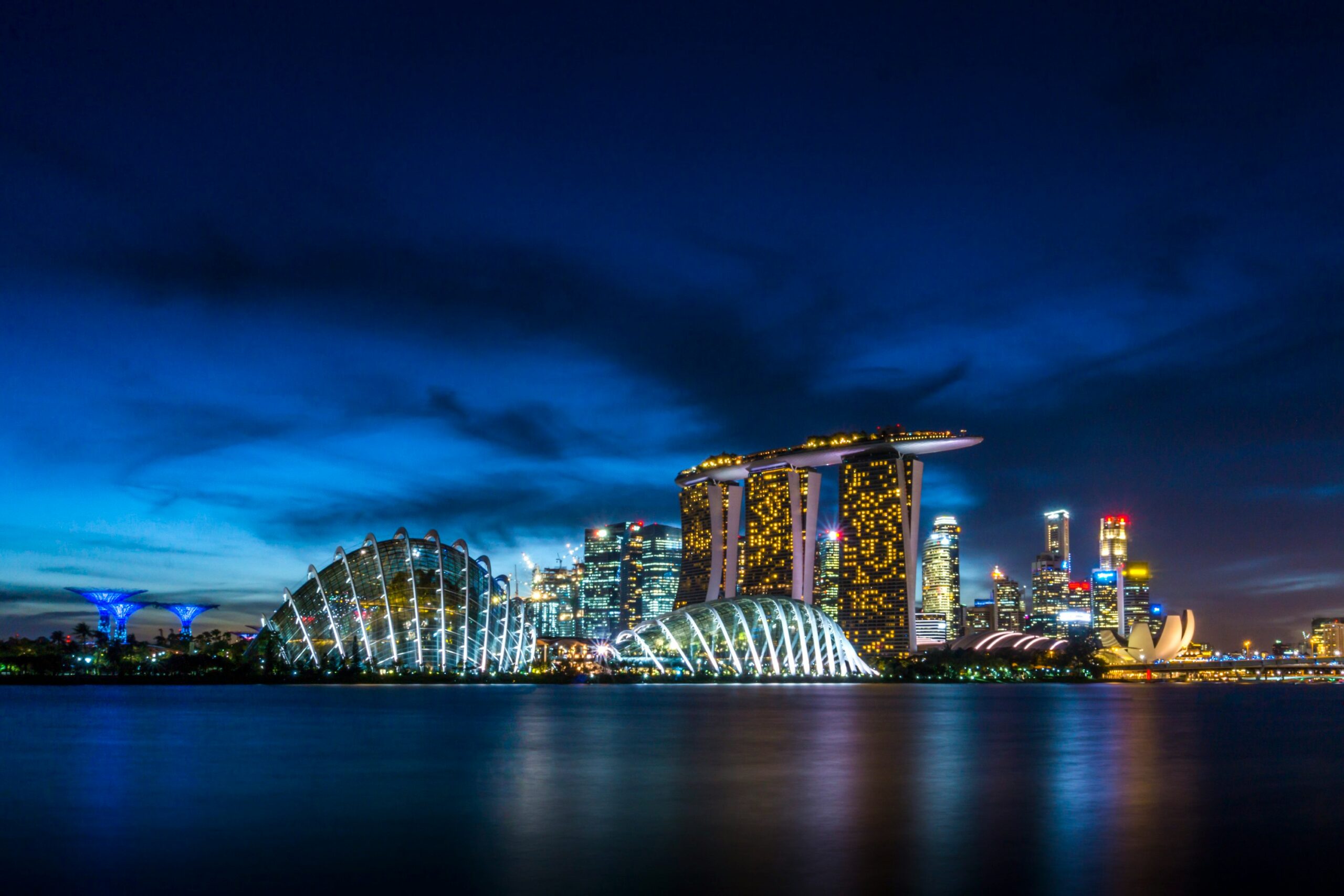
I think this is where many blog posts get Singapore wrong. They focus on the beauty of Marina Bay, hawker food, and famous attractions, but they gloss over the border side as if it is just a formality. For some travelers it is simple, but for others a small misunderstanding can create stress very quickly.
What Entry to Singapore Really Feels Like
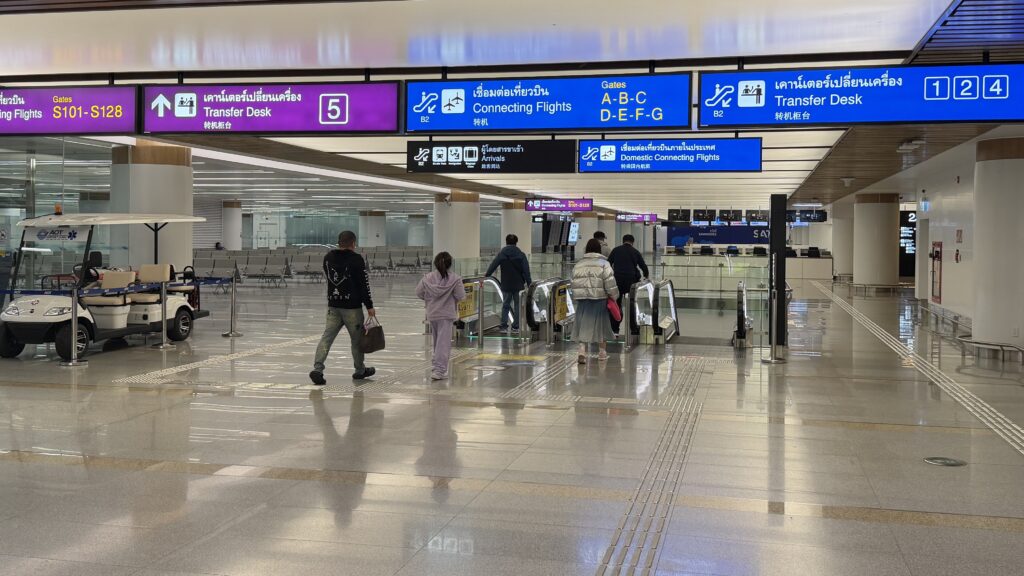
The first-time impression of Singapore is usually polished and controlled. Changi Airport feels calm, modern, and almost frictionless compared with many busy global gateways. That calm can make travelers assume everything is automatic. It is not automatic, but it is predictable if you are prepared.
At immigration, what matters most is consistency. Your passport, arrival details, accommodation plan, return or onward journey, and the purpose of your visit should all make sense together. If they do, the process is often straightforward. If they do not, even small gaps can become questions.
In my view, Singapore is not difficult in the “bureaucratic maze” sense. It is strict in the “be clear, be honest, be ready” sense. That difference matters. It is less about drama and more about whether your documents and story line up.
Insider Tip
Do not confuse the SG Arrival Card with a visa. A surprising number of travelers think submitting SGAC means they have entry approval. It does not. It is an arrival declaration step, not a replacement for visa rules.
Visa-Free Entry: Who Usually Has the Easiest Arrival
Many nationalities can enter Singapore without applying for a visa in advance for a short visit. That makes Singapore especially convenient for tourism, short family trips, quick business visits, and stopovers. But there is an important distinction here: visa-free entry does not mean unconditional entry.
Even travelers who do not need a visa may still be expected to show that they are genuine short-term visitors. In practical terms, that often means having a valid passport, onward or return travel, accommodation details, and enough funds for the stay. Immigration officers can still assess whether your travel purpose is credible.
This is where travelers sometimes get too relaxed. A person may technically be visa-free but still arrive without hotel details, without proof of departure, or with vague answers about how long they plan to stay. Singapore tends to reward clarity. If your trip is simple, present it simply.
Important Warning
Your allowed stay is not automatically tied to the visa validity period. Even if you hold a valid Singapore visa, the final stay duration is granted by the immigration officer at the checkpoint.
If You Need a Visa: What That Usually Means
Some passport holders must obtain a valid Singapore entry visa before they travel. Singapore’s official system makes this clear by listing the travel documents and countries or places that require a visa. If your passport falls into that category, the first rule is simple: check the official ICA visa requirement page directly rather than relying on random summaries.
For standard visitor travel, Singapore commonly issues an e-visa after successful processing. But the presence of an e-visa should be understood correctly. It is pre-entry permission to travel to Singapore and seek admission. It is not a promise that you will be admitted without further questions.
That sounds strict, but it is actually helpful to understand early. If you think of a visa as only one layer of the process, you prepare better. You stop asking, “Do I have a visa?” and start asking, “Does my whole trip make sense on paper?” That is the better question.
SG Arrival Card: The Part Almost Everyone Must Do
Singapore requires travelers entering the country to submit the SG Arrival Card (SGAC) with the health declaration before arrival. This is one of the most important entry steps because it applies broadly to travelers, not just people who need visas.
The best part is that the official submission is free. That matters because commercial websites and paid helper services often create confusion by making it look like SGAC is something you need to buy. You do not. Singapore’s own advisory makes it clear that SGAC submission should be done only through official ICA channels.
You can normally submit the SG Arrival Card within three days before arrival, including the day you arrive. That window is short enough that you should not leave it to memory alone. Set a reminder before your flight.
Visa Fees and Processing Time
| Standard Visa Processing Fee | Usually S$30 for standard entry visa applications |
|---|---|
| Typical Processing Time | Commonly about 3 working days, excluding the day of submission |
| Possible Reality | Some cases take longer depending on review needs |
| Application Output | Successful applicants are usually issued an e-visa PDF |
The safest planning rule is not to treat the normal processing time as a guaranteed outcome. If your travel date is fixed, apply with margin. That is especially true if you are traveling during busy holiday periods or you have documents that might invite closer checking.
Documents That Make Entry Easier
For most short-term travelers, the most helpful preparation is not a giant folder of random papers. It is a small set of documents that tell one consistent story. That usually means:
- A passport with enough validity remaining
- Visa or e-visa if your nationality requires one
- SG Arrival Card submission completed before arrival
- Return or onward ticket
- Hotel booking or host address
- Proof of funds or bank access if needed
- Clear explanation of why you are visiting
I would also keep digital and offline copies. Airports are smooth until your battery is not.
How to Prepare Step by Step
- Check on the official ICA site whether your passport requires a visa.
- If required, apply early and keep the application details organized.
- Confirm your passport validity and trip dates before paying for anything non-refundable.
- Prepare your return or onward flight and accommodation proof.
- Submit the SG Arrival Card within the permitted pre-arrival window.
- Save screenshots or PDFs of key confirmations.
- Arrive ready to answer basic questions clearly and briefly.
My honest opinion is that overexplaining can sometimes make border interactions worse, not better. Singapore favors orderly, direct answers. Keep your documents ready and your explanation simple.
Practical Tip
If you are applying for a trip with family members, keep every booking detail aligned: names, stay dates, arrival airport, hotel, and onward travel. Small inconsistencies across group bookings create avoidable confusion.
Connectivity: SIM, eSIM, and Staying Reachable
Singapore is one of the easiest places in Asia to stay connected. For most short-term visitors, this is not a complicated planning area, but it is still worth preparing before arrival. A working phone helps with hotel access, app-based payments, ride bookings, map directions, and backup contact details.
Singtel currently offers tourist SIM and eSIM plans through its prepaid tourist range, including options designed for short stays. That makes it a practical mainstream choice for travelers who want official retail support rather than experimenting with unknown providers.
If you prefer advance setup, eSIM is usually the smoother path. If you prefer a physical product after arrival, airport and city pickup options are often straightforward. For travelers who want a broader comparison before deciding, see our guide to international eSIM providers and our review of Roamless eSIM.
Money, Exchange, and Payment Reality
Singapore is one of the easiest cities in Asia for digital payments, cards, and ATM access. That said, I would still not arrive with a zero-cash mindset. Hawker centers, smaller shops, or quick local situations can still make a little cash useful.
The Monetary Authority of Singapore publishes exchange-rate information, though the published figures are informational and may differ from live dealer rates. For practical travel purposes, the lesson is simple: use official exchange channels, avoid bad airport-only assumptions, and keep a mixed payment setup.
If you are comparing travel-prep systems, our broader articles on the GLN Global Loyalty Network and practical transport/payment travel tools like inDrive can also help you think through arrival-day logistics more clearly.
Visa Extension and Overstay Risk
Visitors who are already in Singapore and want more time should treat extension as an official request, not an assumption. ICA provides a short-stay extension route and related tools for checking visit pass validity, but approval is not automatic. For some visa-required visitors, additional fees can apply if the extension goes beyond the relevant visa-free period threshold.
The bigger point is this: never plan a trip around “I will extend later” unless you have a strong, documentable reason and a clear understanding of the official process. Singapore takes overstaying seriously, and it is not the kind of place where loose travel habits are likely to be tolerated.
Singapore vs Other Entry Systems in Asia
| Category | Singapore | Looser Regional Entry Systems |
|---|---|---|
| Process Style | Structured and documentation-oriented | Sometimes more flexible but less predictable |
| Traveler Advantage | Clarity if you prepare well | Occasionally easier for casual arrivals |
| Main Risk | Small inconsistencies can matter | Rules may feel inconsistent on the ground |
| Best Mindset | Be exact, organized, and brief | Be flexible and ready for local variation |
My view is that Singapore is actually easier than many travelers expect, but only if you respect the system’s logic. It is not a place to improvise your story after landing.
Who This Guide Helps Most
- First-time tourists who want to avoid airport mistakes
- Families who need clear document preparation
- Business travelers who need a clean, short-stay arrival plan
- Students or long-stay planners comparing visit routes before formal pass applications
- Travelers from visa-required countries who want a realistic timeline
- Anyone who wants official links instead of recycled blog myths
FAQ
Do I always need a visa to enter Singapore?
No. Many travelers can enter visa-free for a short stay, but some passport holders do need a prior entry visa. The only safe way to confirm is through the official ICA visa requirement page.
Is the SG Arrival Card the same as a visa?
No. The SG Arrival Card is a pre-arrival submission and declaration step. It does not replace visa requirements and does not by itself grant entry approval.
How much is the Singapore visa fee?
For standard visa-required visitor applications, the official processing fee is commonly S$30.
How long does a Singapore visa usually take?
A standard application is commonly processed in about 3 working days, excluding the day of submission, though some cases take longer.
Can I stay as long as the visa is valid?
Not necessarily. The visa lets you travel to Singapore and seek entry, but your actual visit pass duration is determined at the checkpoint.
What is the easiest way to stay connected after landing?
A tourist eSIM or tourist SIM from an official provider like Singtel is one of the easiest options for short stays.
Related Trip-Nexus Guides
Official Resources
Final Verdict
Singapore visa guide planning is less about fear and more about precision. Singapore is one of the cleanest and most traveler-friendly arrivals in Asia if you respect the system, understand the SG Arrival Card, and prepare your documents properly.
The biggest mistake is assuming efficiency means informality. It does not. The better mindset is to arrive with a clear plan, accurate documents, and realistic expectations about what a visa does and does not guarantee.
Do that, and Singapore often feels exactly as it should: fast, orderly, welcoming, and remarkably easy to enjoy.
Visa / Immigration: https://www.ica.gov.sg
Telecom: https://www.singtel.com
Currency / Central Bank: https://www.mas.gov.sg