Manisan Chamseongdan Hiking Guide: Trail Difficulty, How to Get There, and If It’s Worth It
Manisan Chamseongdan Ganghwa Island is one of the most historically meaningful mountain destinations in South Korea. Rising above the landscapes of Ganghwa Island in Incheon, the mountain is closely connected to Korea’s founding mythology and the legendary story of Dangun. At the summit stands the mysterious Chamseongdan Altar, a stone platform believed to have been used for ancient rituals dedicated to the heavens.
Unlike typical hiking destinations, Manisan offers a combination of natural beauty, cultural heritage, and mythology. Visitors who climb this mountain are not simply reaching a viewpoint—they are walking through a place deeply connected to the earliest legends of the Korean peninsula.
Search Intent
- What is Manisan Chamseongdan Ganghwa Island?
- How difficult is the Manisan hiking trail?
- What is the Chamseongdan altar?
- How do you reach Ganghwa Island from Seoul?
- Is the Manisan hike worth visiting?
Quick Summary
- 📍 Location: Ganghwa Island, Incheon
- ⛰ Elevation: 469 meters
- 🥾 Trail Length: approx. 3 km
- ⏱ Hiking Time: 1.5–2 hours round trip
- 🏛 Main Highlight: Chamseongdan Altar
Why Visit Manisan Chamseongdan Ganghwa Island
Manisan is widely regarded as the most sacred mountain on Ganghwa Island. According to Korean legend, the mountain is where Dangun—the mythical founder of Korea—performed ceremonial rites to heaven. The Chamseongdan Altar at the summit symbolizes this ancient connection between the land, the sky, and the origins of Korean civilization.
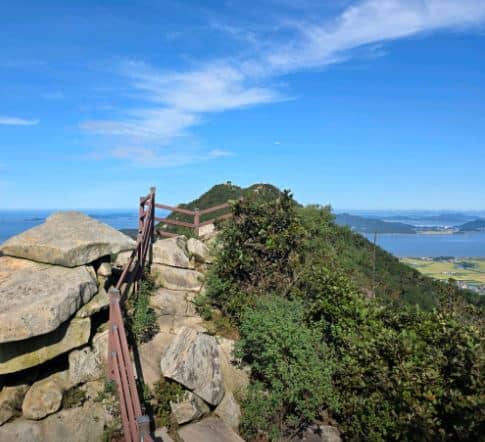
Beyond its mythological meaning, the mountain also provides one of the most scenic hiking experiences in the Incheon region. The moderate hiking trail makes it accessible to most travelers, while the summit views offer sweeping panoramas across farmland, coastal wetlands, and the distant waters of the Yellow Sea.
The Hiking Experience
The hike to Manisan Chamseongdan Ganghwa Island begins through quiet pine forests where the trail gradually climbs uphill. Wooden stairways and natural stone paths guide hikers steadily toward the summit, creating a route that feels both natural and well maintained.
As the elevation increases, the forest slowly opens to reveal wider views of Ganghwa Island. The final section becomes steeper, with stone steps leading directly toward the Chamseongdan Altar.
Reaching the summit is especially memorable. The circular stone altar stands quietly against the sky, surrounded by mountain wind and wide open scenery. Many visitors pause here for reflection, appreciating both the peaceful landscape and the deep cultural symbolism of the site.
History and Cultural Significance
The cultural importance of Manisan Chamseongdan Ganghwa Island extends far beyond hiking. Historical tradition links the Chamseongdan altar to the legendary founding of Korea. Ancient rulers are believed to have performed rituals here to honor heaven and pray for the prosperity of the kingdom.
Because of this symbolic connection, Manisan has long been considered a sacred mountain. Even today, ceremonial events related to Korean heritage are occasionally held near the summit. Standing beside the altar, visitors often feel a strong sense of history that connects the landscape to Korea’s earliest national identity.
For travelers interested in Korean mythology and cultural history, Manisan Chamseongdan Ganghwa Island provides a deeper understanding of how legends, landscapes, and national traditions have shaped Korean identity over centuries.
Travel Tip
Start the hike early in the morning for clearer views. Morning light often provides the best visibility across the West Sea and the surrounding Ganghwa landscape.
Visitor Warning
The upper section of the trail can be steep and rocky. Comfortable hiking shoes and water are recommended, especially during warmer months.
Related South Korea Travel Guides
Official & External Resources
Location Map
Final Thoughts
Manisan Chamseongdan Ganghwa Island offers a rare combination of natural hiking scenery and ancient Korean mythology. The journey to the summit is not only a rewarding outdoor experience but also a meaningful connection to Korea’s legendary origins.