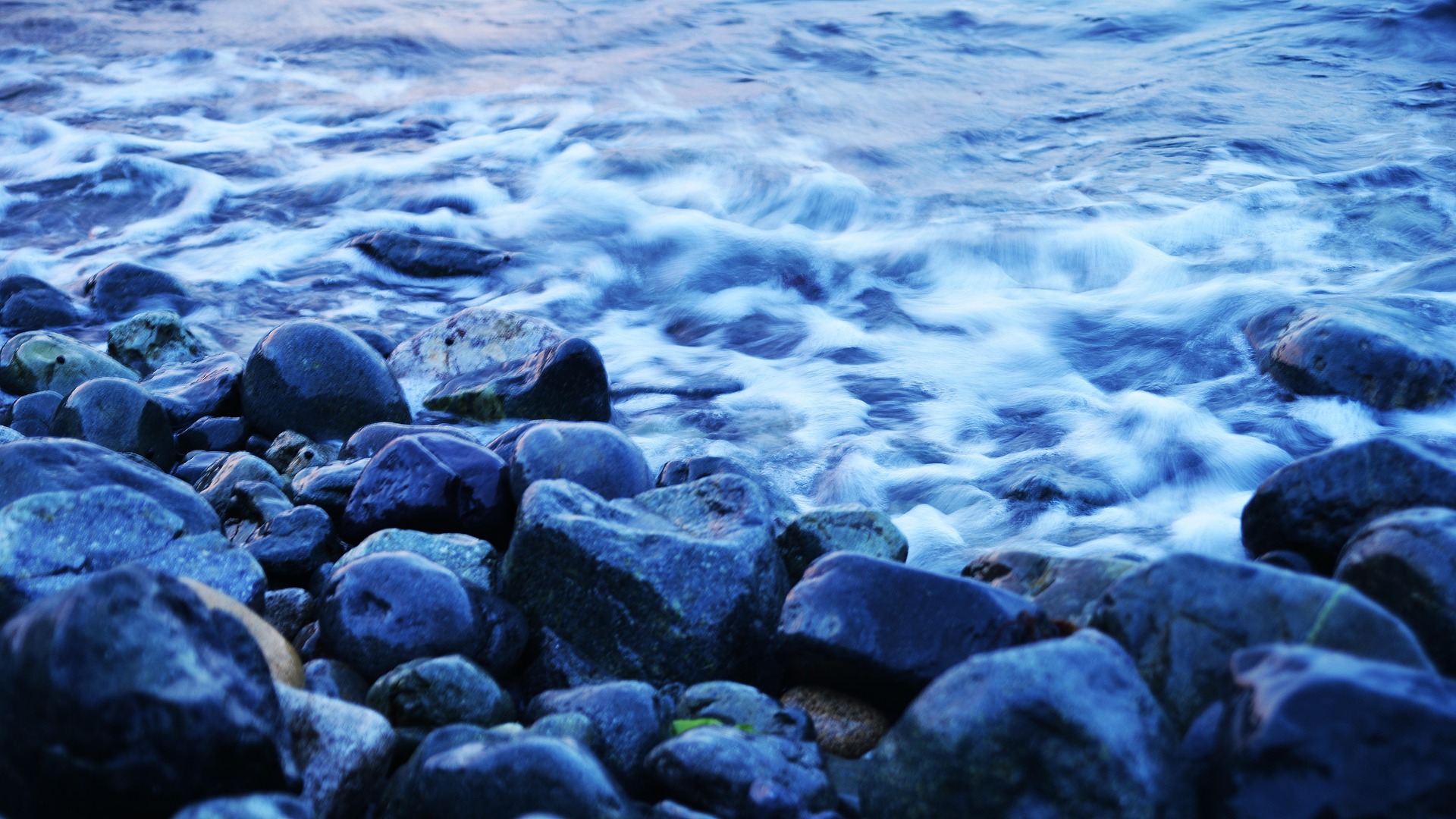
Hakdong Mongdol Beach in Geoje: Complete Guide to Korea’s Unique Black Pebble Shore
A practical, human guide to Korea’s “black pearl” pebble beach—what it actually feels like when you step on it, how to plan your timing right, what to pack, and the small mistakes I’d avoid if I went again. This isn’t a beach you rush—it’s one you listen to.
You’re here because you want a real plan for Hakdong Mongdol Beach—how to get there, when the sound is best, what the pebble shore is actually like to walk on, and what nearby stops make the trip worth it.
- Hakdong is a 1.2 km black-pebble beach—expect sound, not sand. (Updated 2026)
- Best “pebble music” is often early morning or near sunset when crowds drop.
- Wear water shoes; bare feet can feel like a massage—but it can also get painful fast.
- Swimming is possible, but some areas can be deep with rougher waves—stay cautious.
- Pair it with a short coastal drive + a seafood stop for the “Geoje day-trip” win.
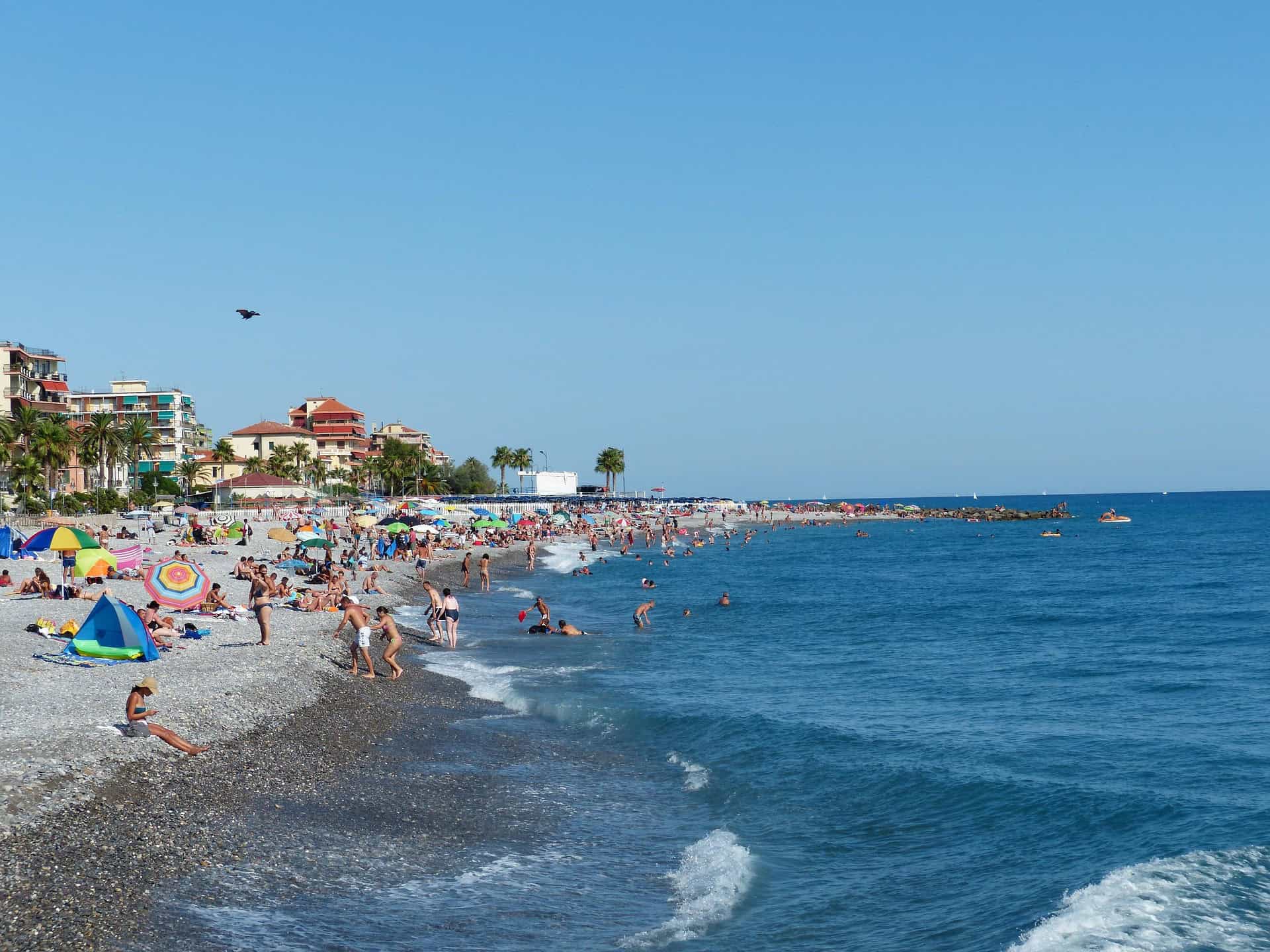
Immersive Intro
Hakdong Mongdol Beach isn’t the kind of place you “do” quickly. It’s the kind of shore you listen to.
Instead of soft sand, the entire coastline is made of smooth black pebbles (mongdol). When waves arrive, the stones roll and click together—like someone gently shaking a jar of polished beads. The first time you hear it, you might feel a small wave of relief. I know I would.
Here’s the honest part: this beach can be surprisingly physical. Pebbles shift under you, your ankles work harder, and the “natural foot massage” can turn into “why didn’t I bring proper shoes?” pretty quickly—so let’s plan it right. And yes—official sources describe it as a 1.2 km-long, 50 m-wide black pebble beach (often called “black pearl”). That’s not just marketing; it’s part of why it feels so different. (Updated 2026-03-01)
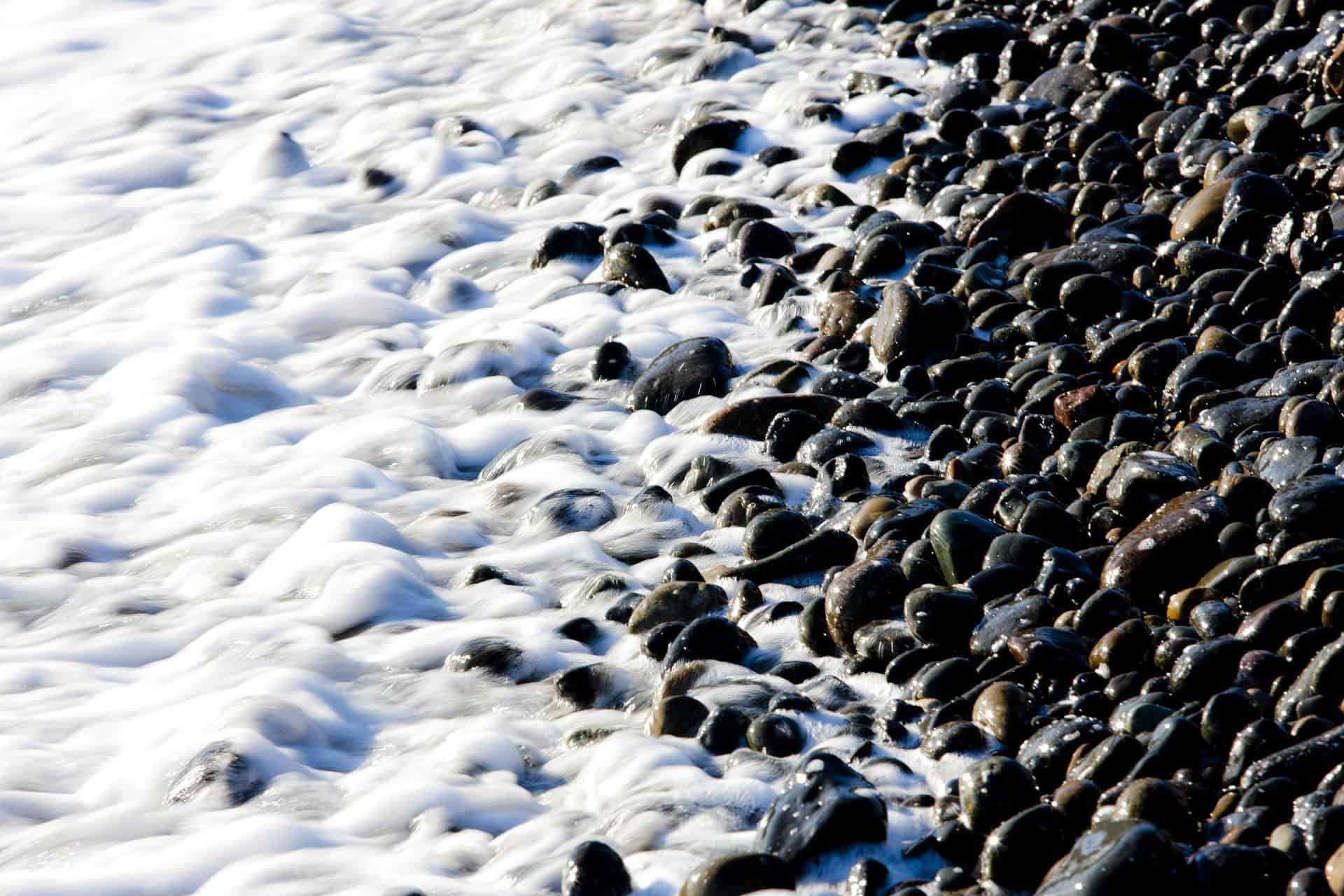
What It Feels Like (The Real Sensory Version)
If you’re used to sandy beaches, the first step at Hakdong can be a little shock—your foot doesn’t sink, it balances.
The pebbles are cool, smooth, and constantly moving. With each wave, you’ll hear that signature sound: a rhythmic “rattle” that’s oddly meditative. I’d describe it as calm—but with texture. Not silence. Not noise. Something in-between.
One downside (let’s be real): walking long distances can be tiring, and it’s not an easy “stroll” beach. If you have knee or ankle sensitivity, plan shorter loops and spend more time sitting and listening. Also, the shore can feel more slippery where pebbles are wet—watch your step.
Rhythm break moment—because this is the part people skip: don’t force the full length. Pick a spot, slow down, and let the sound do its job. Why rush a place that’s basically built for exhaling?
Cultural Context & Why “Hakdong” Matters
Official Geoje tourism notes that the name “Hakdong” is associated with local geography—often explained as terrain resembling a crane taking flight. The beach is also connected to the surrounding mountains (like Nojasan and Garasan), local village traditions, and a coastline that has shaped daily life around fishing and seasonal rhythms.
I like framing it this way: Hakdong isn’t a “built attraction.” It’s a coastline that locals have lived with for generations. If you show up quietly, respect the shore (and don’t pocket pebbles), the place feels more like a living landscape than a tourist stop.
Key Info Table (Verified)
| Place | Hakdong Mongdol Beach , Geoje, Gyeongsangnam-do |
|---|---|
| Beach type | Natural black pebble (mongdol) shoreline |
| Length / width | Approx. 1.2 km long, 50 m wide (commonly cited in official tourism info) |
| Area | Approx. 30,000 ㎡ (often referenced in local tourism descriptions) |
| Entry fee | Free |
| Facilities | Restrooms, parking, small restaurants/cafes nearby (seasonal variation) |
| Safety note | Some descriptions note deeper water and rougher waves than typical sandy southern beaches—swim with caution. |
| Official sources | https://geoje.go.kr • https://visitkorea.or.kr |
Experience Strategy: The “2-Hour Perfect Loop”
If I had to plan the “best-feeling” visit, I’d do it like this:
- Arrive early (or last 90 minutes before sunset) to avoid the loudest crowds.
- Sit first—don’t start walking immediately. Let your ears adjust to the pebble-wave rhythm.
- Walk 10–15 minutes along the waterline, then step up to drier stones (less slippery).
- Pick one “sound spot” where waves are consistent, and stay there for photos + breathing time.
- Finish with a nearby seafood meal (or a simple café drink) instead of trying to “do more.”
Real tip (because this is a common mistake): many people try to walk the full beach fast and end up annoyed or sore. The better move is slow + short + intentional. Your mood will thank you.
Tips & Warnings (The Stuff That Saves Your Day)
Bring water shoes or sturdy sandals. Pebbles can feel like a foot massage at first, but after 20–30 minutes it can become uncomfortable—especially if you’re carrying a bag.
If your goal is the best wave sound and photos, aim for early morning or sunset. Midday can feel hot and visually harsh, and the shore gets busier.
Some official descriptions mention the water can be deep with rougher waves compared with typical sandy beaches. Wet pebbles can also be slippery. If you’re with kids, stay near calmer edges and keep footwear on.
A vs B: Hakdong Mongdol vs A Typical Sandy Beach
| Category | Hakdong Mongdol Beach | Typical Sandy Beach |
|---|---|---|
| Walking | Unstable, textured, “massage” feel—can tire ankles | Easy stroll, soft footing |
| Sound | Signature pebble-wave rhythm (core attraction) | Standard wave sound |
| Cleanliness | Pebbles don’t “hold” debris like sand can | Depends on crowds + maintenance |
| Best for | Slow travel, soundscape, photography, calm sitting time | Long sunbathing, casual swimming, beach sports |
My honest recommendation: if your idea of “beach” is volleyball + long barefoot walks, you might feel disappointed. If your idea of “beach” is sound + atmosphere + a unique surface under your feet, Hakdong is absolutely your place.
Insider Hacks (Small Moves, Big Difference)
- Sound spot trick: the loudest “mongdol music” is often where waves meet a steeper pebble slope. Walk 3–5 minutes and you’ll hear the difference.
- Photo trick: shoot low, near the stones. Black pebbles + blue water = dramatic contrast, especially after a wave recedes.
- Comfort trick: carry a small towel to sit on. Pebbles are clean, but sitting directly on stones gets old fast.
- Energy trick: don’t fight the beach. Short walks + long pauses = the best experience.
- Variable to watch: after rain, pebbles can be slicker and the sound can change—cool, but be careful.
Step-by-Step Route (From Busan → Geoje → Hakdong)
- Busan → Geoje (Gohyeon Bus Terminal area is a common hub)
- Geoje city area → Hakdong (local bus/taxi; times vary seasonally)
- Arrive, park, and start at a dry pebble zone to get footing
- Drive along Geoje’s southern coastal roads (scenic stretches)
- Arrive early to park easier in peak season
- Combine Hakdong + one nearby viewpoint/short trail for a fuller day
If I had to pick, I’d choose the car option for timing control—sunset planning is just easier. But either works if you keep expectations realistic.
Checklist & Micro-Planning Table
| Item | Why it matters | My rule |
|---|---|---|
| Water shoes | Pebbles shift; comfort + safety | Non-negotiable |
| Towel / sit cloth | You’ll want to sit and listen | Small + lightweight |
| Light jacket | Sea breeze changes fast | Even in summer evenings |
| Water + snack | Fewer options off-season | One bottle minimum |
| Camera phone cloth | Sea spray smudges lenses | Wipe before every shot |
- Arrive + find your sound spot (20 min)
- Short pebble walk + photos (30–45 min)
- Sit + reset (15 min)
- Seafood / café nearby (60–90 min)
Official Links, Authoritative Source, & Related Trip Nexus Guides
Transparency note: This guide is built to feel human without pretending I personally visited. I’m sharing what I’d do, what I’d avoid, and what official sources + traveler feedback consistently report. Updated in 2026.
Google Map
FAQ (8–10)
Is Hakdong Mongdol Beach good for swimming?
Swimming is possible in season, but some descriptions note deeper water and rougher waves than typical sandy beaches. If you’re not confident, stay near calmer edges and keep footwear on.
Why is it called “Mongdol” beach?
“Mongdol” refers to rounded pebbles/stone cobbles shaped by waves over time. At Hakdong, the coastline is dominated by black pebbles rather than sand.
How long is the beach?
Tourism descriptions commonly cite about 1.2 km length and around 50 m width (often paired with ~30,000㎡ area).
What’s the best time for the “pebble wave sound”?
Early morning and near sunset usually feel calmer. The sound is always there, but the “experience” gets better when people noise drops.
Are there restaurants nearby?
Yes—small seafood restaurants and cafés tend to cluster near the beach area (seasonal business hours can vary).
Is it suitable for kids?
It can be, but water shoes are strongly recommended. Wet pebbles can be slippery, and uneven footing can make running risky.
Can I take pebbles home?
Please don’t. Even small “souvenirs” add up and damage the shoreline ecosystem over time. Take photos and sound memories instead.
What’s one mistake to avoid?
Trying to speed-walk the whole shoreline barefoot. The better plan is short walks + long sitting time—this beach is about mood, not mileage!
CTA: Make It a Smart Geoje Day Trip
If you’re building a Korea coastal itinerary, treat Hakdong Mongdol Beach as your “reset stop”—a place to slow down, listen, and let the shoreline do the work.
I’d pair it with one more simple Geoje viewpoint/short walk and finish with seafood. Keep it light. Keep it human.
Updated: 2026-03-01 • Focus keyword used early: Hakdong Mongdol Beach