Updated: 2026
Piazza delle Erbe Verona Guide — Why This Square Feels Alive (Not Just Pretty) [2026]
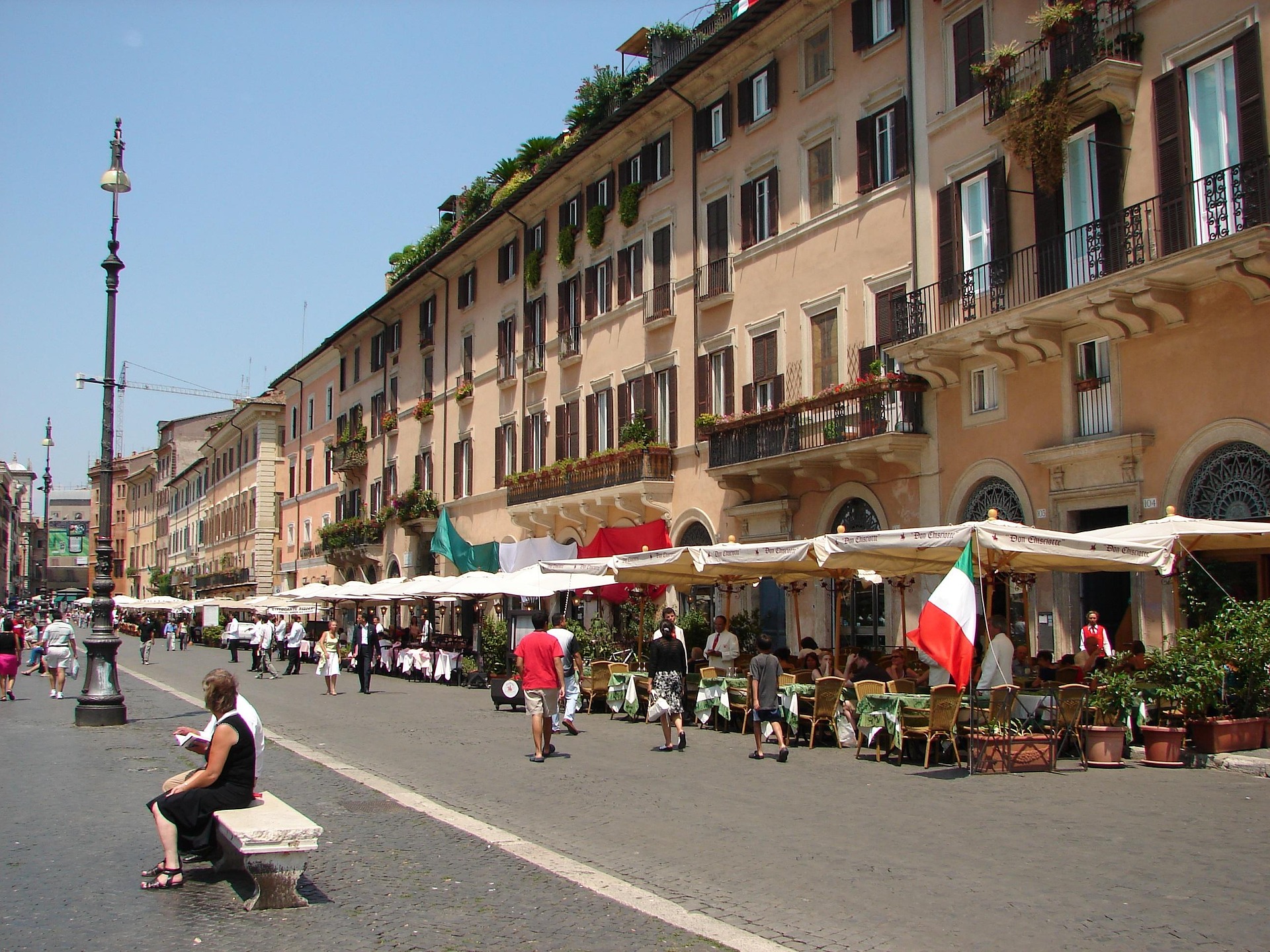
Piazza delle Erbe Verona is where the city feels most alive—an open-air mix of Roman roots, medieval towers, frescoed façades, and the everyday energy of a working market. The first time I stepped in, I honestly paused for a second because it didn’t feel like a “tourist sight” at all—it felt like Verona’s living room, already in motion.
- What exactly is Piazza delle Erbe—and why is it the “must” square in Verona?
- When should I go for the market vibe vs. calm photos?
- What should I look up at (and what’s worth paying for nearby, like Torre dei Lamberti)?
- How do I connect this stop into a walkable route without backtracking?
- Best time: early morning for photos, late afternoon for atmosphere; market energy peaks mid-day.
- Don’t miss: Madonna Verona fountain, Casa Mazzanti frescoes, Palazzo Maffei edge-view, Torre dei Lamberti skyline.
- Reality tip: cobblestones + crowds = comfy shoes and bag awareness (pickpockets happen in busy squares).
- Time needed: 45–90 minutes in the piazza; 2–3 hours if adding Torre dei Lamberti and slow café time.
- Strategy: do a “market-level loop” first, then a “sky-level loop” (tower/viewpoints) to understand Verona’s layout.
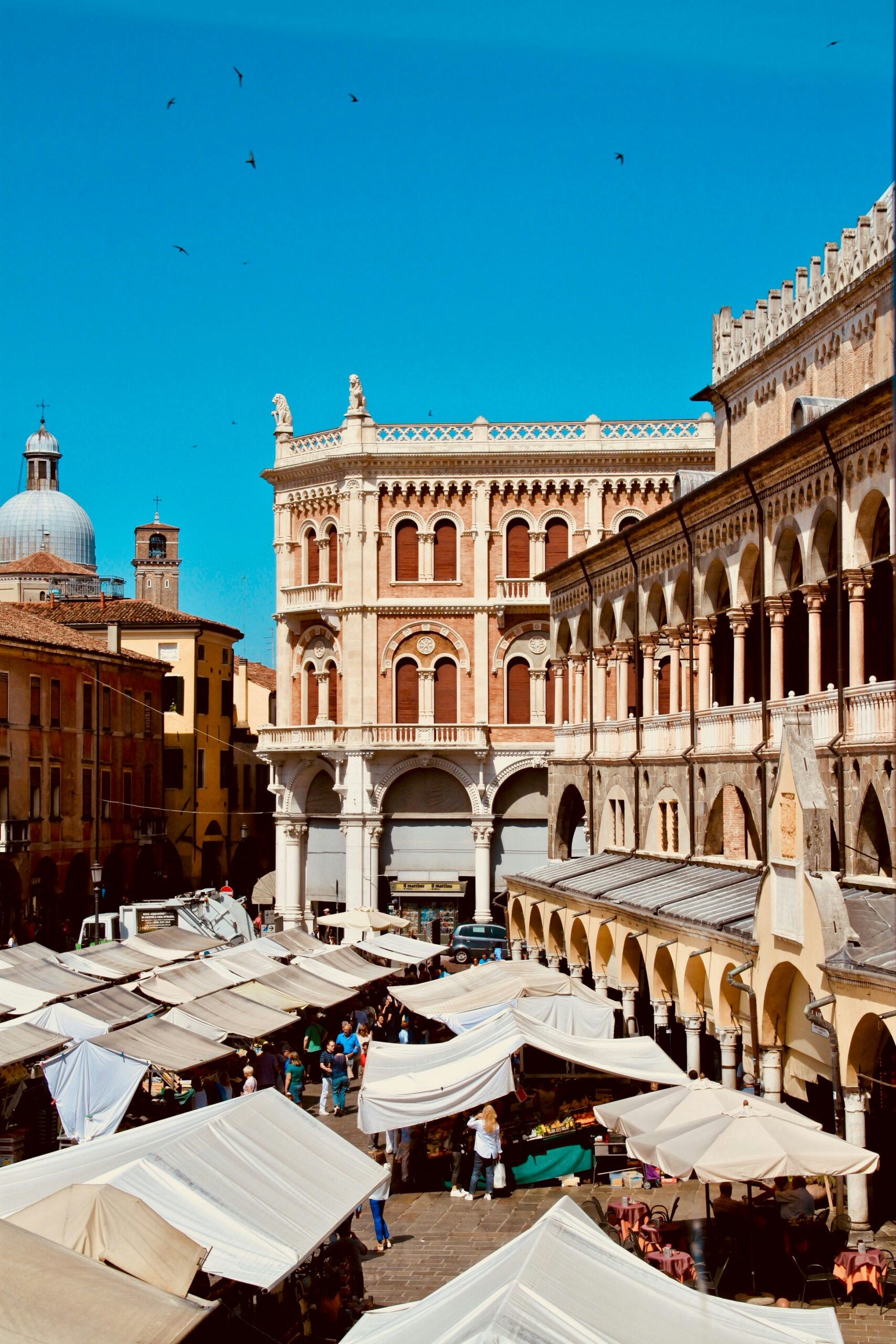
Immersive Intro: Your first 60 seconds in the square
The square hits you in layers. First: sound—vendors calling, cups clinking, footsteps on stone. Second: color—awnings, fruit, postcards, leather goods, and that warm Verona palette bouncing off old façades. Third: scale—because once you look up, medieval lines and frescoed walls take over.
I made a classic mistake here on my first visit: I treated it like a quick “photo stop.” Ten minutes later I realized the real magic happens when you stop rushing and let the piazza settle into a rhythm—especially if you time it around the market flow.
What It Feels Like: Market-level vs. sky-level
Piazza delle Erbe is best experienced in two modes:
You’re in the swirl—shopping, chatting, people-watching. It’s lively, sometimes chaotic, and honestly a bit distracting (in a good way). The smell of espresso and sweet pastries drifts from the edges, and you’ll catch little local moments—someone negotiating prices, kids tugging parents toward gelato.
Frescoes, towers, stone arches—Verona’s timeline stacked above the stalls. Torre dei Lamberti is the big anchor here, and the view is genuinely worth it if you want orientation and photos that feel “Verona” rather than “crowd.”
My favorite moment is when the noise suddenly fades because your attention shifts upward—then you notice details you’d miss at eye level: faded painted stories on walls, sculpted corners, and the way the piazza “frames” the city.
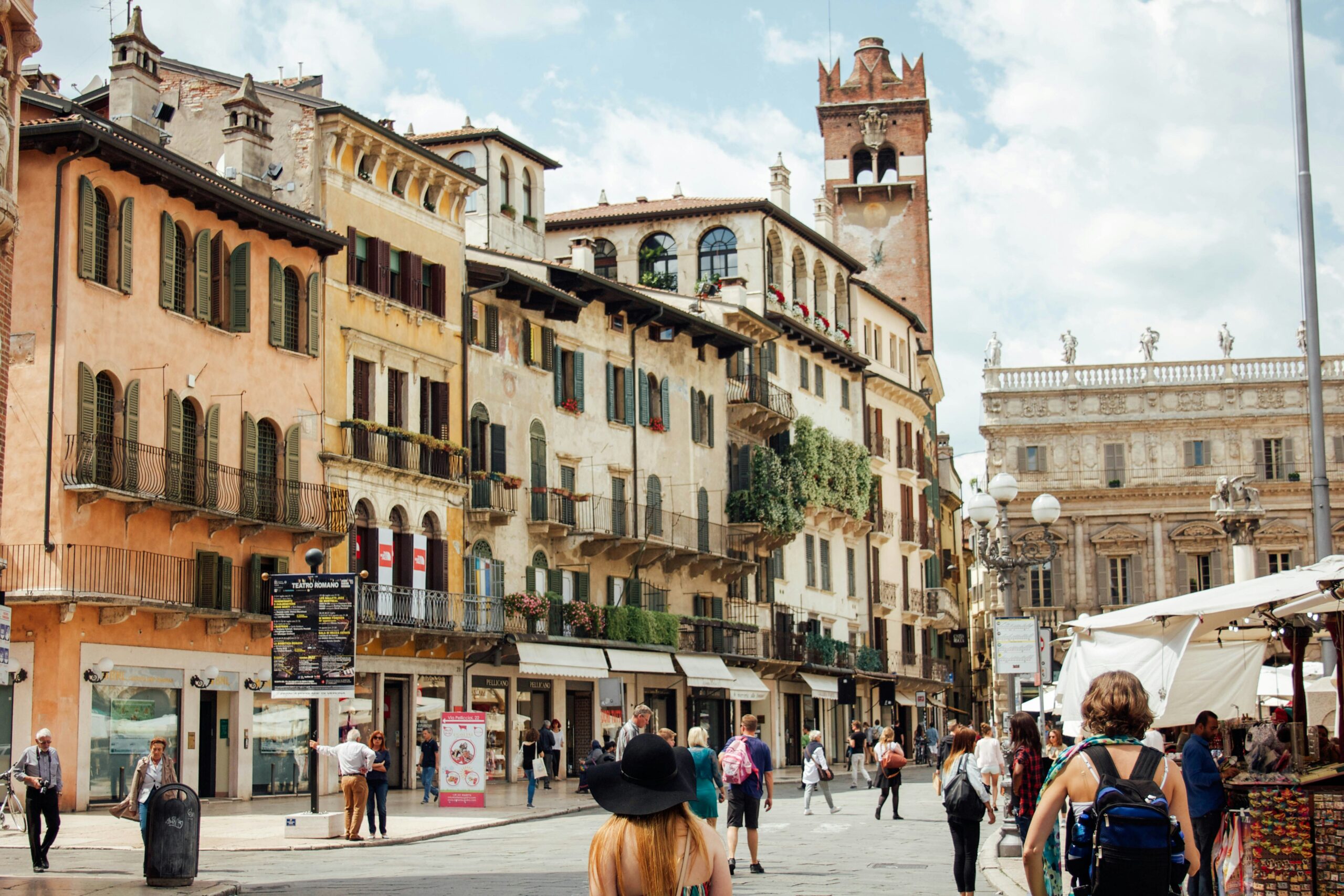
Cultural Context: From Roman forum to Verona’s daily stage
This is Verona’s oldest square and it sits on the footprint of the ancient Roman forum—so it’s not “pretty by accident.” It’s historically where civic life gathered, and that function never really disappeared. Today the piazza still plays its original role: a place for commerce, conversation, and showing up in public. Official city sources highlight key symbols here, including the fountain crowned by the Madonna Verona statue and the surrounding palazzi that reflect different eras of rule.
Key Information
Experience Section: A simple loop that actually works
If you want a plan that feels natural (and not like you’re ticking boxes), do this:
- Enter → pause → look up: give yourself 30 seconds to scan the frescoed façades and the tower line before the stalls pull you in.
- Do one full lap around the stalls: don’t buy yet—just watch what’s actually being sold and how busy it is.
- Anchor points: find the Madonna Verona fountain first (it’s the “meet-me-here” spot).
- Pick one paid “upgrade”: Torre dei Lamberti viewpoint if you want skyline and orientation.
- Finish with a slow drink: espresso or spritz on the edge—this is where the piazza turns from “place” into “memory.”
I’ll be honest: my most “Verona” moment wasn’t a perfect photo. It was sitting down for five minutes with a coffee, hearing the market hum, and noticing how locals kept weaving through the square like it was the most normal thing in the world—because it is.
Tip / Warning (Real-world)
Go early morning for cleaner photos and calmer walking, then come back late afternoon for the lively market/aperitivo energy. Doing it twice sounds extra—but it’s the easiest way to get both “pretty” and “alive” without forcing it.
Uneven stones can be tiring if you wear slick shoes. Also, in peak crowds I keep my bag zipped in front—nothing dramatic, just a simple habit. I learned this after bumping through a dense crowd and realizing I’d been walking “open” for way too long. —Not my proudest travel moment.
A vs B: Piazza delle Erbe vs “Just passing through” mode
If you only do one thing: pick A. Even 20 extra minutes changes the memory.
Insider Hacks (Small moves, big difference)
- Look up on purpose: the frescoes and upper façades are the “hidden gallery.” Casa Mazzanti is a classic example.
- Photo strategy: stand slightly off-center so the fountain doesn’t block your tower/architecture lines.
- Heat strategy: in summer, use shaded edges (arcades/nearby streets) for breaks; the open stone can feel intense.
- Snack strategy: buy something small from the market, then eat it slowly while walking a lap—simple, but it makes the square feel local.
- Micro-mistake to avoid: don’t commit to souvenirs on your first lap; prices and quality vary a lot stall to stall.
Step-by-step Route (90-minute plan)
- 0:00–0:10 — Enter, find Madonna Verona fountain, do a quick “look-up scan.”
- 0:10–0:30 — Market lap #1: observe (no shopping yet). Note the best stall corners.
- 0:30–0:50 — Architecture lap: Casa Mazzanti, Palazzo Maffei edge, tower line. :contentReference[oaicite:4]{index=4}
- 0:50–1:20 — Torre dei Lamberti upgrade (if you choose it): view + photos.
- 1:20–1:30 — Finish with a calm drink on the edge and a final slow lap.
Torre dei Lamberti practicals: official ticket-office info lists weekday hours and weekend hours, with last admission 45 minutes before closing; it’s open most of the year (closed Dec 25).
Checklist + Mini Planning Table
“`
- Comfortable shoes (cobblestones are real)
- Small cash/card for market stalls
- Bag awareness in crowded times
- Camera/phone ready for “look-up” shots
- Plan 1 extra stop: Torre dei Lamberti viewpoint
“`
Official Links (2+)
Authoritative Source (1+)
(I use these as “anchor sources” when I’m sanity-checking claims and avoiding fluffy, unverifiable lines.)
Google Map
FAQ
Is Piazza delle Erbe free to visit?
When is the best time for photos?
Is the market open every day?
What should I look for first?
Is Torre dei Lamberti worth it?
How long should I spend here?
Is it stroller- and wheelchair-friendly?
What’s the biggest mistake visitors make?
CTA: Keep your Italy route flowing (no backtracking)
If you’re building an Italy itinerary, keep the “historic center + viewpoint + iconic landmark” pattern going—your days feel smoother and less exhausting.
I always feel happier on trips when my route makes sense on the map, not just on paper.
Last verification: 2026 (official city/tourism pages + Torre dei Lamberti official ticket info). :contentReference[oaicite:11]{index=11}