Lake Garda Travel Guide: Best Base Towns, Ferry Strategy & A Realistic 3-Day Itinerary
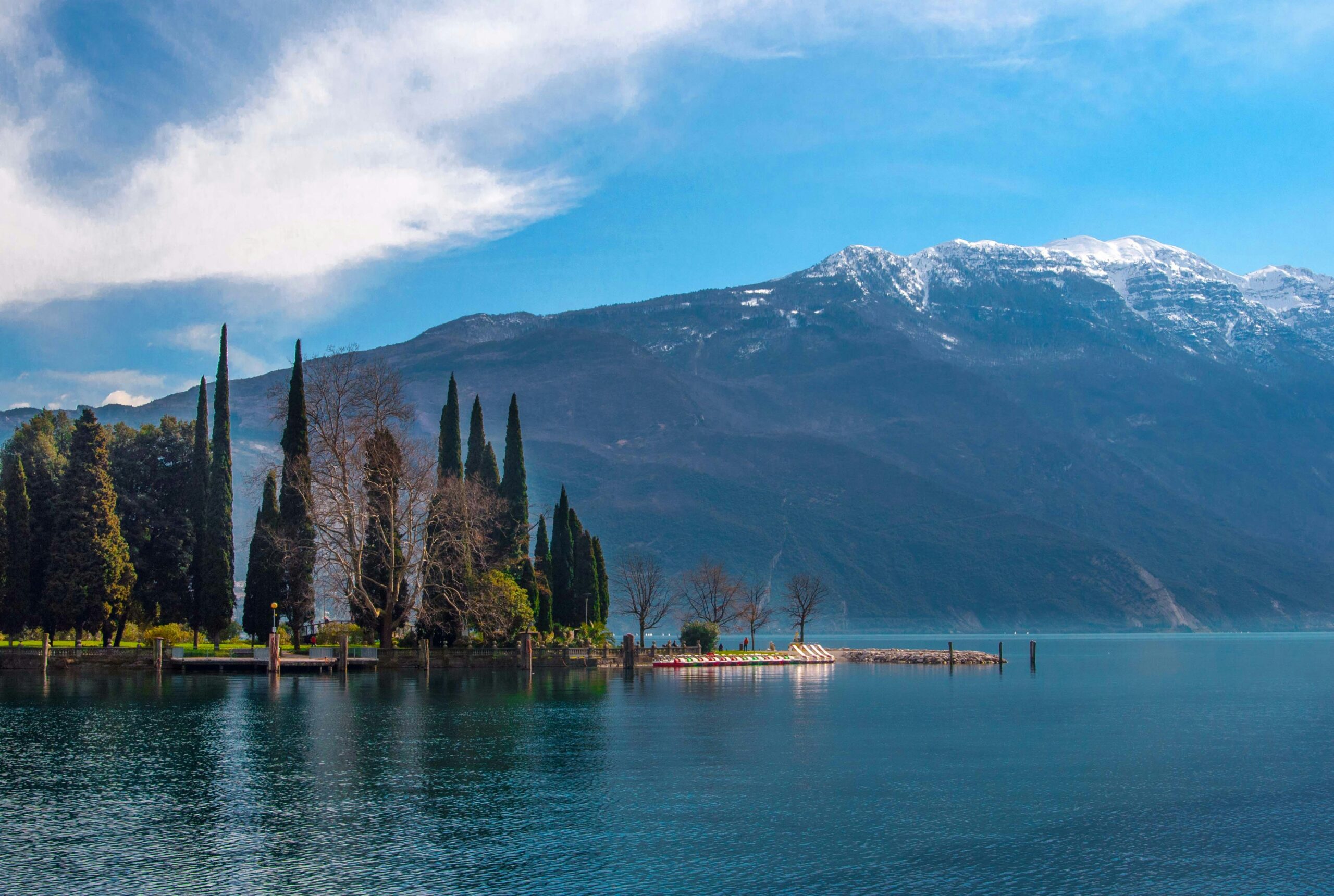
Lake Garda (Lago di Garda) is not just Italy’s largest lake; it is a geological miracle where the Mediterranean meets the Alps. It lies suspended between snow-capped dolomite peaks in the north and rolling vineyard hills in the south, offering a diversity of landscapes that no other Italian lake can match. From the Roman ruins of Sirmione to the windsurfing haven of Riva, this guide unlocks the secrets of Italy’s most versatile destination.
You are planning a trip to Northern Italy and feel overwhelmed by the sheer size of Lake Garda (52 km long). You need a clear, actionable plan: which town to base yourself in (North vs. South), how to use the ferry system efficiently without getting stuck, current 2026 prices for major attractions like the Monte Baldo cable car, and a driving or boating route that hits the highlights without exhausting you.
Quick Summary (Save This)
- The Golden Rule: Choose your base carefully. Stay in the South (Sirmione/Desenzano) for easy train access and families. Stay in the North (Riva/Malcesine) for dramatic mountains and sports.
- Transport Hack: The lake roads get incredibly jammed in summer. Use the ferries (Navigazione Laghi) as your primary transport, not your car.
- Must-Do Activity: The rotating cable car up to Monte Baldo from Malcesine offers the best view in Italy, but you must book online to skip the queue.
- Best Timing: Visit in May or September. July and August are hot and crowded; winter is quiet but many ferries stop running.
- Hidden Gem: Skip the crowded main beach in Sirmione and head to Jamaica Beach at the very tip of the peninsula for limestone slabs and turquoise water.
The Atmosphere: Where the Alps Dive into the Mediterranean
Arriving at Lake Garda feels like entering two different countries simultaneously. In the south, the air is thick with the scent of jasmine and ripening olives. The landscape is flat, the water is calm and warm, and the architecture feels distinctly Venetian. It is a place for gelato, linen shirts, and lazy boat rides.
But as you travel north, the lake narrows into a fjord-like canyon. The limestone cliffs rise vertically from the water, blocking out the sun in the late afternoon. Here, the famous winds—the morning Peler and the afternoon Ora—rule the rhythm of life. The water turns a deep, glacial blue, and the horizon is filled with hundreds of colorful windsurf sails. It is dramatic, raw, and startlingly beautiful. This duality is what makes Garda unique: you can hike an alpine ridge in the morning and sip Lugana wine in a palm-lined harbor by sunset.

A History Written in Castles and Lemons
Lake Garda has always been a frontier. For centuries, it was the border between the Republic of Venice and the Austrian Empire. This volatile history left behind a legacy of fortifications. The Scaligeri family of Verona built the iconic “swallow-tail” castles you see in Sirmione, Malcesine, and Torri del Benaco to control the waterways. These aren’t just ruins; they are remarkably preserved fortresses that you can still climb today.
Look closely at the western shores near Limone sul Garda, and you will see strange stone pillars rising in terraces. These are the remains of limonaie—18th-century greenhouses designed to protect lemon trees from the alpine winter. They allowed Garda to become the northernmost point in the world for citrus cultivation, a feat that fascinated Goethe during his Italian Journey.
Essential 2026 Visitor Information
| Location | Spans three regions: Lombardy (West), Veneto (East), Trentino (North). |
|---|---|
| Nearest Airports | Verona (VRN) is closest (20 min). Milan Bergamo (BGY) and Venice (VCE) are viable. |
| Train Stations | Desenzano del Garda and Peschiera del Garda (High-speed lines from Milan/Venice). |
| Ferry Costs (2026) | Single trip: €3–€15 depending on zone. Day Pass: approx. €34 (Entire Lake). |
| Best Time to Visit | May, June, September. avoid August if you dislike crowds. |
| Monte Baldo Cable Car | Round trip: ~€27.00. Booking in advance is mandatory to skip 2-hour lines. |
| Official Website | Lake Garda Official |
Top 3 Unmissable Lake Garda Experiences
Sirmione is a narrow strip of land jutting 4km into the lake. Walk across the drawbridge of the Scaligero Castle, explore the massive Roman ruins of the Grotte di Catullo at the tip, and then soak in the sulfur-rich thermal waters at Aquaria Thermal SPA while watching the sunset over the lake. It is the quintessential Garda experience.
Take the “Funivia Malcesine Monte Baldo.” The cabins slowly rotate 360 degrees as they climb to 1,760 meters. At the top, you aren’t just looking at a lake; you’re looking at the curvature of the earth, the Dolomites, and the Po Valley. You can hike along the ridge among wild alpacas (yes, really) or watch paragliders launch into the void.
Located on the western shore near Tremosine, this legendary road was famously featured in a James Bond chase scene (Quantum of Solace). It is a narrow gorge road carved into the rock, winding up from the lake through dark tunnels and impossibly tight turns. It leads to the “Terrace of Thrill,” a café platform suspended 350 meters straight down over the water.
Crucial Tips & Warnings
The main road circling the lake (Gardesana) is a single lane in many places. In July and August, driving 10km can take an hour. Do not rely on a car for day trips between towns during peak hours (10 AM – 5 PM). Use the ferry.
Parking is scarce and expensive. Download the EasyPark app before you arrive. It works in most towns (like Sirmione and Malcesine) and saves you from hunting for coins or broken machines.
Ferries come in two types: Regular (scenic, slow) and Rapido/Aliscafo (hydrofoil, fast, extra fee). If you are going North-South (e.g., Desenzano to Riva), you MUST take the Rapido, or you will be on a boat for 4 hours each way.
A vs B: Choosing Your Base (North vs. South)
The biggest mistake travelers make is staying in the “wrong” part of the lake for their travel style. The vibe is completely different.
| Feature | Option A: South Lake (Sirmione / Desenzano) | Option B: North Lake (Riva / Malcesine) |
|---|---|---|
| Accessibility | Excellent. Direct trains from Milan/Venice. Flat roads. | Harder. Requires a car or bus transfer. No train station. |
| Landscape | Wide, gentle, Mediterranean feel. Vineyards and olive groves. | Dramatic cliffs, fjord-like, alpine mountains. |
| Activities | Shopping, dining, thermal spas, family parks (Gardaland). | Windsurfing, sailing, hiking, climbing, mountain biking. |
| Best For | Families, honeymooners, history buffs, train travelers. | Adventure seekers, active couples, nature photographers. |
The Perfect 3-Day Lake Garda Loop
This itinerary assumes you arrive by train in Desenzano or have a car. It covers the essential “Golden Triangle” of the lake.
Day 1: The Southern Charm
Arrive in Desenzano. Take the short ferry to Sirmione. Spend the morning at Scaligero Castle. Lunch in the old town (try Bigoli with sardines). Walk to Jamaica Beach for the afternoon. Dinner back in Desenzano’s lively port.
Day 2: The Vertical East
Take the ferry or drive up the eastern shore (Gardesana Orientale) to Malcesine. Immediately take the cable car to Monte Baldo (pre-booked!). Hike for an hour. Descend and explore Malcesine’s cobbled streets. This is the most photogenic town on the lake.
Day 3: The Windy North
Continue north to Riva del Garda. The vibe changes to Austrian-style architecture. Walk the waterfront promenade. Take the ferry across to Limone sul Garda to see the lemon houses. Return via the western shore tunnels (Strada della Forra) if driving.
Insider Hacks: Dining & Saving Money
- Aperitivo is Mandatory: Between 6 PM and 8 PM, order a “Spritz Hugo” (elderflower, prosecco, mint). It usually comes with free snacks (chips, olives, bruschetta) that can almost replace a light dinner.
- Avoid “Coperto” Surprises: In Italy, a cover charge (€2–€3 per person) is standard. Don’t fight it; it replaces tipping. Tipping is not mandatory, but rounding up the bill is appreciated.
- Free Water: Look for public fountains (“fontanella”). The water comes from the mountains and is cold, clean, and free. Bring a reusable bottle.
Pre-Trip Action Checklist
Frequently Asked Questions (FAQ)
1. Can I swim in Lake Garda?
Yes, absolutely. The water is cleanest in the north (Limone, Malcesine, Riva) but colder. The south has warmer, shallower water but can be murkier in peak summer. Wear water shoes as beaches are rocky.
2. Do I need a car for Lake Garda?
No. In fact, a car can be a burden due to traffic. The combination of trains to Desenzano/Peschiera and the extensive ferry network allows you to reach almost all major towns stress-free.
3. Is Lake Garda better than Lake Como?
They are different. Lake Como is more dramatic, aristocratic, and expensive. Lake Garda is more diverse, family-friendly, and offers better outdoor sports activities and Roman history.
4. How long is the ferry from Sirmione to Riva del Garda?
It is long. The “regular” ferry takes about 4 hours. The “Rapido” (hydrofoil) takes about 2 hours and 15 minutes. Plan accordingly.
5. What is the nearest major city?
Verona is the closest (20-30 mins by train/car). Milan and Venice are both about 60-90 minutes away by train.
6. Is Lake Garda expensive?
It is moderate. Accommodation in Sirmione is pricey, but camping sites and apartments in smaller towns like Bardolino or Garda Town are very affordable compared to the Amalfi Coast or Como.
7. Is tap water safe to drink?
Yes, the tap water is safe and generally high quality.
8. What should I buy as a souvenir?
Local Olive Oil (Garda DOP is famous for being light and fruity), Limoncello made from Limone lemons, and Lugana white wine.
Official Resources & Internal Guides
Trip Nexus Italy Guides (Internal Links)
Official & Authoritative Sources
Editorial Note (E-E-A-T): This guide was last updated for the 2026 travel season. All ferry prices, cable car schedules, and transport logistics have been verified against the official Navigazione Laghi and Funivia Malcesine databases. We recommend checking real-time weather alerts for wind conditions if planning sailing activities in the northern basin.
Your Next Step
Don’t let the logistics scare you. Book your Monte Baldo cable car tickets right now (they sell out weeks in advance), then download the EasyPark app to handle parking stress-free. Your Italian lakeside dream awaits.