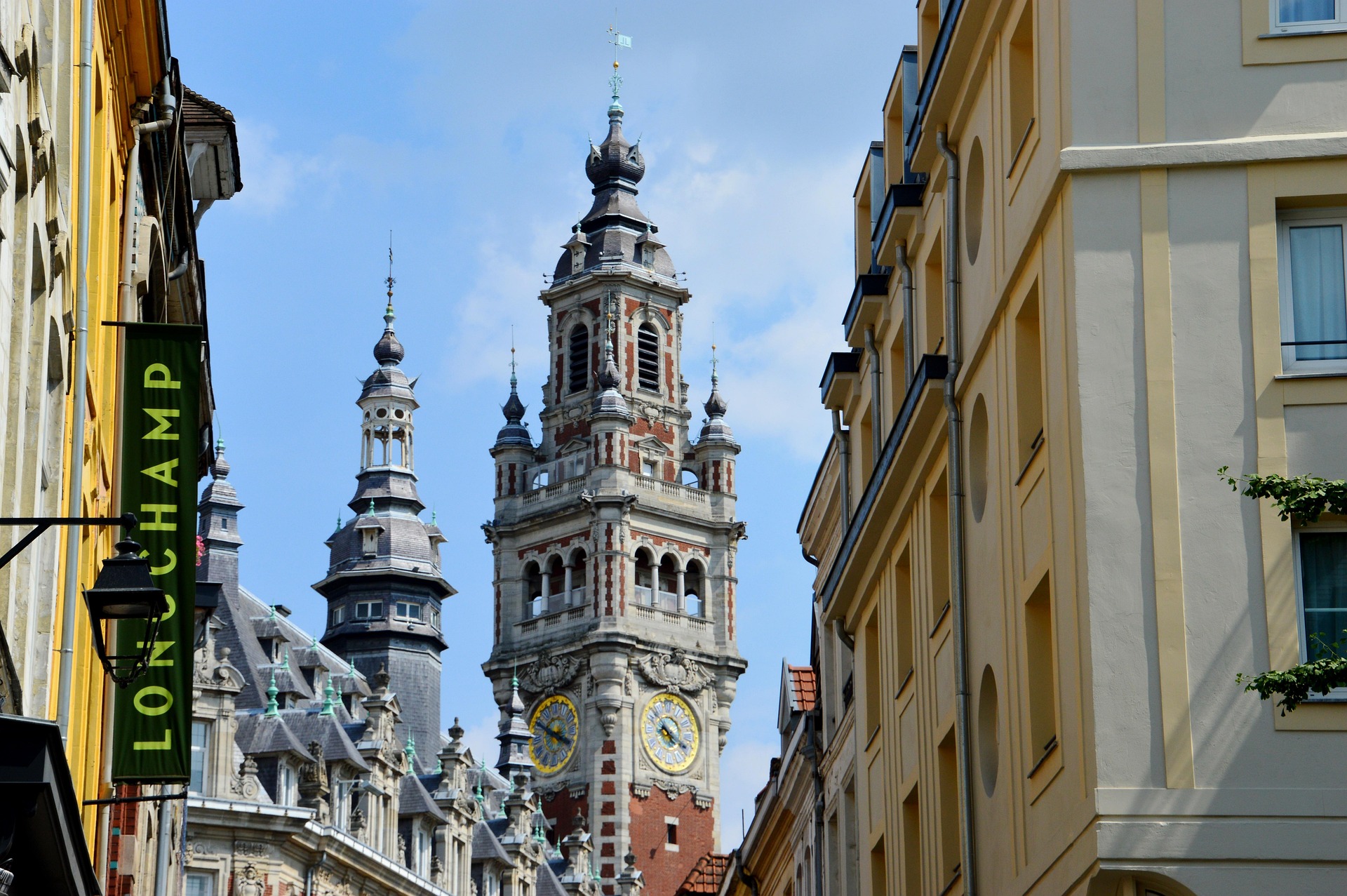
Updated with latest source checks • March 2026
Rue de Rivoli Paris Guide 2026: Best Walking Route, Where to Start, and What Actually Matters
If you only have a short window in central Paris and you want one walk that blends monuments, shopping, museum energy, garden space, and that very specific Parisian rhythm of arcades, traffic, and café tables, Rue de Rivoli Paris is still one of the smartest places to start. The street runs from the Concorde side toward the Marais and is lined up against heavy hitters like the Louvre, the Tuileries, Hôtel de Ville, and major shopping addresses, while remaining surprisingly practical to navigate because Metro Line 1 tracks so much of the route.
I like Rivoli because it feels useful. Some Paris streets are beautiful but awkward. Some are famous but weirdly thin on substance. Rivoli gives you visual drama, strong anchor points, cover under arcades in unpredictable weather, and enough nearby detours that you can turn a 90-minute stroll into half a day without forcing it. It is also no longer just a car corridor: the City of Paris describes the street as reserved across its full length for pedestrians, cyclists, and authorized vehicles, which changes the feel on the ground in a very real way.
Search Intent
Quick Summary
Intro: Why Rue de Rivoli Still Works So Well
There are famous Paris addresses that feel better in photos than in real life. Rue de Rivoli is not one of them. It succeeds because the walk keeps changing without losing coherence. Near the Louvre and Tuileries, it feels grand and formal. Closer to Palais-Royal and the retail stretches, it becomes polished and busy. Toward Hôtel de Ville and the Marais side, it loosens up and gets more lived-in. Paris Je T’aime highlights exactly that blend, describing Rivoli as a must-see thoroughfare that borders the Louvre, Tuileries, Hôtel de Ville, and several major cultural and commercial spots.
I also think this street helps solve a common Paris problem: decision fatigue. When a traveler asks, “Where should I walk if I want a lot of Paris in a small area?” Rivoli is one of the best answers because it gives you built-in structure. You can stop after one museum, keep going into the gardens, duck into a department store, or drift into the Marais and still feel like you never really left the same story.
There is a downside, and I want to be honest about it: if you crave only hidden, hyper-local, non-touristy Paris, Rivoli is not that. It is central, famous, and busy. But on a first or second trip, busy is not automatically bad. Sometimes busy means things are actually open, connected, and worth your limited time.
Why Visit / Why It Matters
Rue de Rivoli matters because it is one of those rare Paris corridors where history is not trapped behind glass. Napoleon-era planning, museum culture, department-store Paris, formal gardens, civic buildings, and modern mobility all overlap here. Paris Je T’aime notes that the street was laid out under Napoleon I, named after the victory of Rivoli, and today remains one of the capital’s emblematic streets while still operating as a major shopping and heritage axis.
It also matters because the street’s use has shifted. The City of Paris says Rue de Rivoli is reserved along its full length for “circulations douces” and authorized vehicles, which is a bureaucratic phrase for something travelers can feel immediately: the street no longer reads like an ordinary traffic artery. It feels more open, more breathable, and more human than you might expect from a famous central boulevard.
For travelers, that means Rivoli is not just somewhere you pass through on the way to the Louvre. It is part of the experience itself.
What It Feels Like
This is the part travel articles often flatten, so I want to slow down and be specific. Rivoli does not feel dreamy in one single way. It feels layered. Under the arcades, footsteps echo differently depending on whether the morning crowd is still thin or the afternoon flow has thickened. Near the Louvre end, the air can feel expansive, almost ceremonial, because the gardens and monumental facades give you visual space. Closer to the busier retail sections, the sounds tighten up: rolling luggage, chair legs scraping on café terraces, snippets of French, English, Italian, Korean, and Spanish, perfume drifting out of department stores, and the occasional warm smell of butter from somewhere you did not plan to stop.
I like this stretch most in the late morning or in the hour before dinner. Early enough, the light is gentler and you can feel the architecture before the shopping pulse kicks in. Later, the whole corridor seems to glow, especially near the Tuileries side where the sky opens up. I have made the mistake of walking it once at peak mid-afternoon in high season with no real plan. That was the wrong move. It was still beautiful, but my pace kept breaking every few meters. Rivoli is much better when you either start early or accept that you are here to linger, not conquer.
The honest emotional word I would use is composed. Even when it is busy, it rarely feels chaotic in the same way some other tourist-heavy zones do.
Key Info / Essential Table
Best Time / Timing
For most travelers, the sweet spot is spring through early autumn. Paris is easier to enjoy on foot then, and Rivoli especially benefits from good walking weather because its value comes from movement between stops, not from a single indoor attraction. If you are combining the street with the Tuileries and the museum belt, mild weather multiplies the payoff.
If you are in Paris in summer, there is a genuinely current reason to pay attention to the Tuileries side: the Paris 2024 Olympic cauldron is set to return to the Jardin des Tuileries each summer through 2028, according to reporting from Le Monde on the government announcement. That makes the western Rivoli stretch even more eventful during that seasonal window.
For day planning, I would choose one of two patterns. Pattern A: arrive around 9:00 to 10:00 a.m., before the shopping pulse really swells, and enjoy the architecture with a calmer head. Pattern B: arrive around 4:00 p.m. and ride the late light into evening, especially if you want the Tuileries side to look its best.
I would avoid treating the middle of a summer Saturday as your ideal slot unless crowds do not bother you. That is the moment Rivoli can feel less like a walk and more like crowd navigation.
How to Get There
If this is your first time in Paris, the easiest approach is to use Metro Line 1 and choose your start based on your priorities. Tuileries or Concorde works well for a scenic west-to-east walk. Palais Royal–Musée du Louvre is best if the museum zone is your priority. Saint-Paul is handy if you want to begin at the Marais end and walk back toward the Louvre. Paris Je T’aime specifically lists transport around the route, including Tuileries on Metro Line 1 and nearby bus connections, while the Musée de l’Orangerie page confirms Concorde access by Metro lines 1, 8, and 12 on the western end.
If you are coming from another major Paris rail station, RATP’s route tools remain the most practical source for live planning, station conditions, and disruptions. That matters more than people think, especially when you are trying to thread a museum reservation into a same-day Paris plan.
On foot, Rivoli is wonderfully easy to fold into a larger central Paris day. It sits near the Seine, the Louvre, Palais-Royal, Pont Neuf, and the Marais, so you can start or end it from multiple directions without feeling stranded.
Route / Step-by-Step Walk I’d Actually Recommend
- Start at Concorde or Tuileries. This gives you an elegant opening and lets the walk build naturally. The Tuileries side immediately sets the tone with formal Paris space and strong sightlines.
- Walk east under and beside the Rivoli arcades. Do not rush this. Let the rhythm of the storefronts and the architecture settle in.
- Pause at the Louvre / Musée des Arts Décoratifs zone. If you want a museum, decide here. The Louvre is open daily except Tuesday, with 9:00 a.m. to 6:00 p.m. hours on Monday, Thursday, Saturday, and Sunday, and 9:00 a.m. to 9:00 p.m. on Wednesday and Friday according to its current official page. MAD Paris is closed Mondays and publishes current hours and admission details on its official visit pages.
- Continue toward Samaritaine if you want a style-and-architecture hit. France.fr highlights the department store’s mix of Art Nouveau, Art Deco, and its newer glass facade, which helps explain why this stop feels like more than retail.
- Finish near Hôtel de Ville / BHV Marais / Marais edge. This is a smart place to end because you can pivot into neighborhood wandering, dinner, or another short cultural stop. Bonjour RATP identifies BHV Marais at 52 Rue de Rivoli in the 4th arrondissement.
Tip Box
If you are torn between “museum day” and “walk day,” use Rue de Rivoli to do both lightly instead of doing either badly. I usually prefer one major indoor stop at most on this route. Any more, and the street becomes background rather than experience.
Warning Box
Do not underestimate how much ground you will cover when you start adding detours. Rivoli itself is manageable, but the temptation radius is huge. Louvre queues, garden pauses, shopping, and side streets make “just a walk” quietly turn into a full afternoon. Wear decent shoes. I mean it.
A vs B: Which Rue de Rivoli Style Fits You?
Experience / Human Touch
My favorite thing about Rivoli is that it rewards mood, not just planning. On one visit, I meant to cross it quickly on the way to something else. Then the light went soft over the Tuileries edge, someone nearby was carrying fresh pastries, and the whole idea of “efficient sightseeing” suddenly felt stupid. I slowed down, sat longer than I meant to, and the day improved immediately.
That is my real advice here: do not approach Rue de Rivoli like a checklist street. Use it like a spine. Let it hold your day together. Pop in and out of it. Return to it. Re-enter it from a side street and notice how it changes. Paris is full of places that ask you to perform admiration. Rivoli is better when you simply inhabit it.
Still, one honest downside deserves repeating: if your patience for crowds is low, the retail-heavy sections can wear you down. I love the convenience, but I would not call every minute of it romantic. Some minutes are just practical. That is part of why it works.
Insider Hacks
- Start prettier, end easier: begin at Concorde/Tuileries and finish near Hôtel de Ville or the Marais, where dinner choices feel more natural.
- Use one museum, not two: the Louvre plus a full Rivoli walk is already a big day. The official Louvre page alone should tell you this is not a quick pop-in stop.
- Keep weather in mind: the arcades help, but open stretches near gardens can still feel exposed in wind or heat.
- Use official museum hours, not memory: MAD Paris and the Louvre publish current schedules; checking the same week matters.
- If you are shopping, combine style with architecture: Samaritaine is a better stop when you appreciate the building as well as the brands.
Nearby / Related Suggestions
The beauty of Rue de Rivoli is that it does not trap you. It hands you smart branches.
Quick Checklist Before You Go
- Comfortable shoes
- One clear start station
- Museum reservation if needed
- Light layer for changing weather
- Enough room in your schedule to drift
- Zero pressure to “finish” every stop
FAQ
1. Is Rue de Rivoli actually worth visiting, or is it just a famous road?
It is worth visiting if you want a practical central Paris walk with real landmark density. On paper it is “just a street,” but in reality it functions as a cultural and urban spine linking several of the city’s biggest draws.
2. How long is Rue de Rivoli?
Paris Je T’aime describes it as almost 3 km long, stretching from Place de la Concorde to Rue de Sévigné.
3. Which metro stop is best for Rue de Rivoli?
Tuileries is great for a scenic start, Palais Royal–Musée du Louvre is strong for museum access, and Saint-Paul works well for the Marais end. Concorde is also useful, especially near the Tuileries and Musée de l’Orangerie.
4. Can I pair Rue de Rivoli with the Louvre in one day?
Yes, but keep expectations realistic. The Louvre is a major commitment. I recommend one museum anchor plus the walk, not an overloaded full museum agenda. The Louvre’s official visit page shows why timing matters.
5. Is Rue de Rivoli good for shopping?
Yes, but not only for shopping. Paris Je T’aime frames it as a major shopping destination with arcades, department stores, and boutiques, while nearby stores like Samaritaine and BHV reinforce that identity.
6. Is the street pedestrian-friendly?
Much more than many travelers expect. The City of Paris says the full street is reserved for pedestrians, cyclists, and authorized vehicles, which significantly improves the feel for walkers.
7. Is it good in bad weather?
Better than some Paris walks because the arcades help, but not fully weather-proof. The open zones by the gardens still feel exposed.
8. What is the best nearby museum besides the Louvre?
Musée des Arts Décoratifs is a very smart choice if you like design, interiors, fashion history, and decorative arts. It sits directly on Rue de Rivoli.
9. What season is best for Rue de Rivoli?
Spring and early autumn are easiest for long walking days, though summer has extra energy and seasonal activity around the Tuileries, including the planned return of the Paris 2024 cauldron each summer through 2028.
10. Would I recommend it for a first-time Paris visitor?
Absolutely. It is one of the easiest places in Paris to get a lot of city texture without complicated logistics.
Official + Internal Links
Official / Authoritative Sources
Internal Links for Related Reading
- Louvre Museum Travel Guide
- Jardin des Tuileries Travel Guide
- Place de la Concorde Travel Guide
- Le Marais Walking Guide
- Musée de l’Orangerie Travel Guide
Google Map