Petit Palais Paris Guide 2026: Free Entry, Best Time to Visit & Hidden Garden Café
Petit Palais Paris is one of the smartest museum stops in the city if you want beauty without burnout, art without ticket stress, and a real sense of Parisian elegance without getting swallowed by the scale of the Louvre.
This guide is built for travelers who want the practical version: when to go, what actually matters inside, how to use the courtyard café properly, and why the building itself may end up being the highlight.
Why Petit Palais Paris Actually Matters
Petit Palais Paris matters because it solves a very modern travel problem: too much cultural ambition packed into too little emotional energy. Paris is full of museums that are world-famous, but not all of them are easy to enjoy once the lines, the crowd flow, and the mental overload start building up.
Petit Palais offers a different kind of win. It is central, beautiful, historically significant, visually rich, and much more manageable than the city’s blockbuster institutions. You can walk in, see high-quality art, admire an extraordinary Belle Époque building, sit in a courtyard garden café, and leave feeling refreshed rather than flattened.
That is rarer than people think. Paris has many “must-see” places, but not all of them are good to actually inhabit. Petit Palais is one of the places that still feels livable.
What It Feels Like on a Real Visit
The first thing I noticed was relief. Not awe, not urgency, not the usual Paris museum tension. Relief.
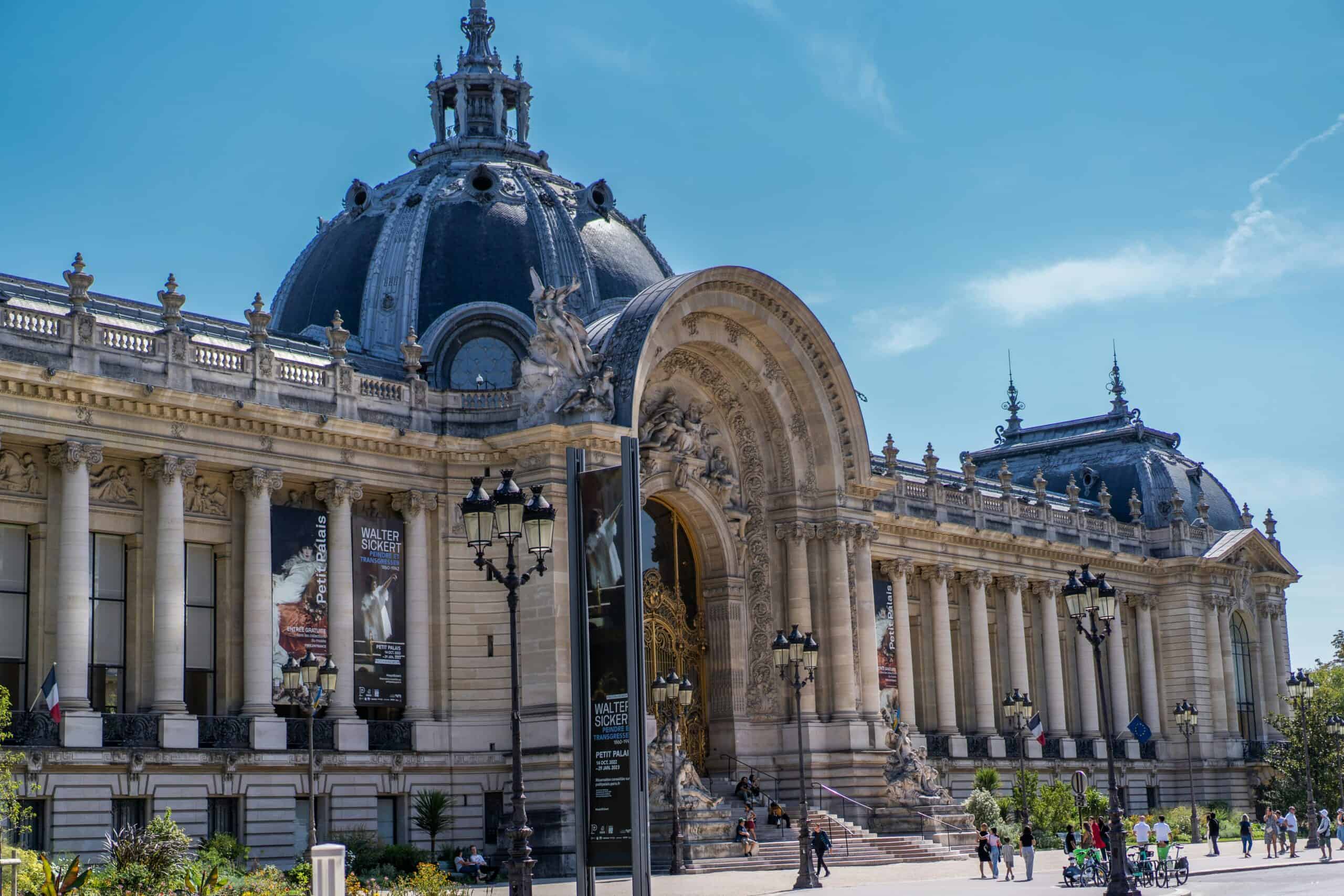
I had gone after a crowded morning elsewhere, and I was already in that dangerous travel mood where even beautiful places start to feel like tasks. The front entrance of the Petit Palais looked elegant enough, but I still assumed it would be a quick stop. Then I walked inside and the whole pace changed. The building breathes. The galleries are easier on the nervous system. Even the light feels calmer.
What surprised me most was how quickly the outside city noise disappeared. You are still in one of the most high-traffic museum zones in Paris, yet the interior atmosphere feels almost insulated. There is enough grandeur to feel memorable, but not so much friction that you have to fight your way through it.
My honest mistake was assuming I would stay thirty or forty minutes. I ended up staying much longer because the courtyard reset the entire visit. That is the moment when Petit Palais stops being “a free museum near the Champs-Élysées” and turns into a real favorite.
History, Belle Époque Context, and Why the Building Feels So Confident
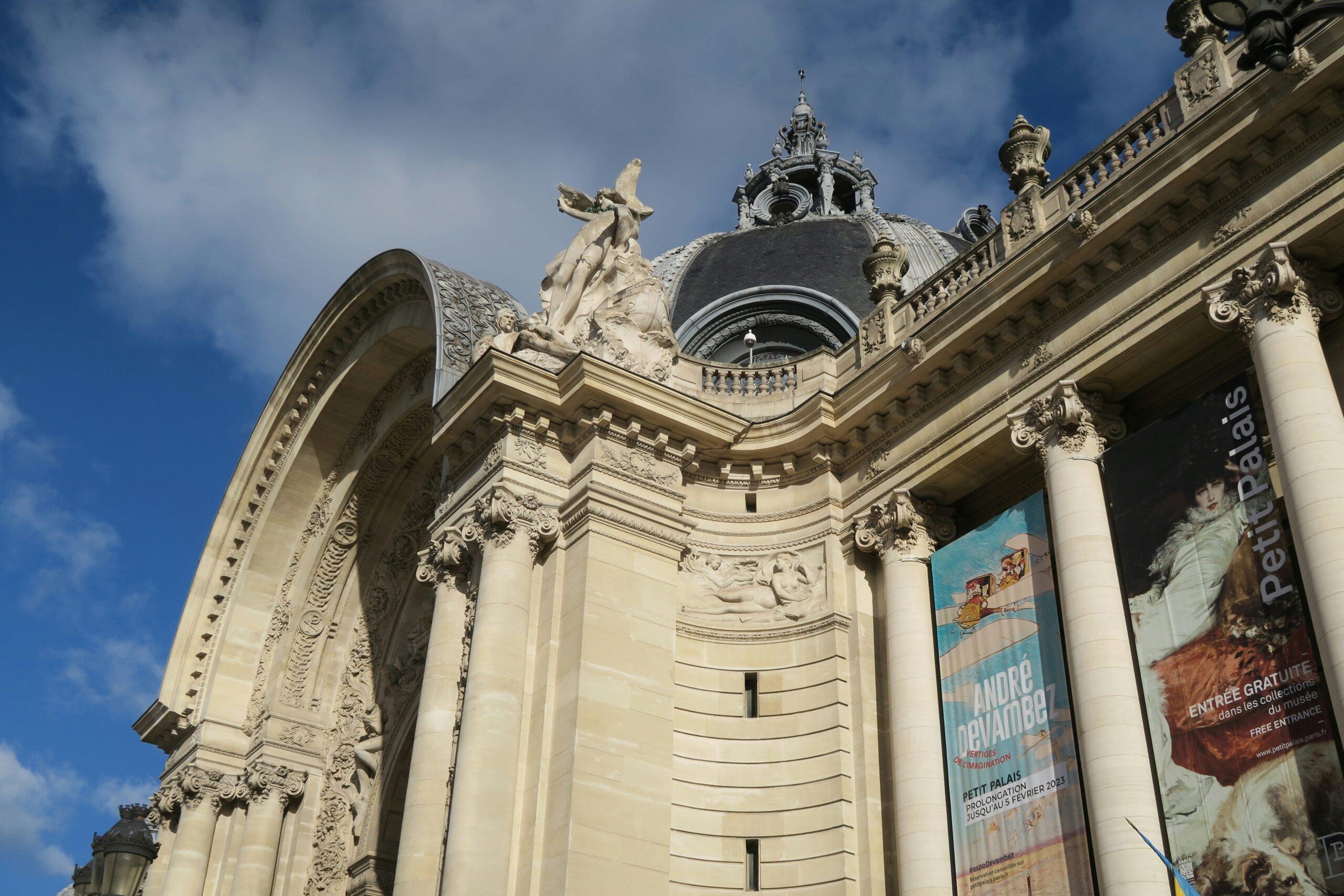
Petit Palais was built for the 1900 Universal Exhibition, which already tells you a lot about its character. This was not meant to be a shy side building. It was designed in a moment when Paris wanted to present itself as cultured, modern, polished, and architecturally dominant. The result is a building that still carries that confidence without feeling vulgar.
Designed by Charles Girault, the museum became a permanent museum in 1902, and that long afterlife matters. It means the building was never just temporary theater. It was conceived with durability and civic identity in mind. That is part of why it still feels coherent today: the architecture, circulation, decoration, and urban placement all belong to the same larger idea.
You can feel the Belle Époque ambition in the curved lines, the generous openings, the decorative richness, and the relationship between exterior showmanship and interior calm. Yet Petit Palais never comes across as bombastic. It is grand, but not exhausting. Ornate, but not heavy-handed.
That balance is exactly what makes it so Parisian. It knows how beautiful it is, but it does not scream.
What Makes Petit Palais Worth Your Time
Key Visitor Information (2026)
The Cultural Experience: Why This Museum Feels More “Parisian” Than Many Bigger Ones
Petit Palais is not just about what hangs on the wall. It is about a whole Parisian way of staging culture. The building, the transitions, the courtyard, the café, the soft ceremonial feel of the galleries, and the fact that you can enjoy permanent collections without paying an entry fee all create a different relationship to art.
In larger museums, you often feel like you are battling logistics in order to earn moments of beauty. Here, beauty comes to you more gently. That may sound like a small distinction, but it changes the emotional experience of the visit. You look longer. You compare less. You take in architecture, not just object labels.
If your idea of travel includes rhythm, mood, and not just checklist efficiency, Petit Palais is one of the rare central Paris museums that actually rewards that approach.
Travel Tips That Actually Improve the Visit
How to Visit Petit Palais Properly: Step-by-Step
- Arrive near opening on a weekday if possible. This is the easiest way to enjoy the architecture before the museum fills out.
- Pause outside first. Give the façade one proper look. Petit Palais rewards a slower approach from the beginning.
- Walk the interior with selective focus. Pick two or three areas that interest you instead of forcing total coverage.
- Break the visit with the courtyard. Do not leave the café/garden until the end by default. Slot it in when your attention starts to dip.
- Return to one favorite area after the courtyard. This gives the visit a second wind and makes it feel more intentional.
- Leave before fatigue takes over. Petit Palais is strongest when you exit still liking it.
Nearby Places That Pair Well With Petit Palais
This museum fits beautifully into a half-day central Paris plan. The obvious nearby zones are the Grand Palais side of the avenue, the Champs-Élysées, and Place de la Concorde. That said, the smartest pairing depends on your energy level.
If you want to stay elegant and low-stress, continue with a boulevard stroll and a light lunch. If you want another cultural stop, use Petit Palais as the calmer part of a museum double-header. If you are already tired, treat it as the final refined stop before an easier evening.
My own preference is to avoid stacking it with too many indoor attractions. Petit Palais has a quiet emotional effect, and overfilling the day weakens that.
A vs B: Smooth Visit vs Stressful Visit
Who Should Visit Petit Palais Paris
This museum is ideal for travelers who love architecture, want a cultured pause without a major logistical fight, or simply need one Paris museum that feels generous rather than demanding.
It is especially good for first-time visitors who are discovering that “more famous” does not always mean “more enjoyable.” It is also great for second-time Paris travelers who want to move away from only doing the largest institutions.
Families, couples, solo travelers, and slower-paced itineraries all do well here. The main people who may feel underwhelmed are those who only care about ticking off globally iconic masterworks as fast as possible.
If your idea of a successful museum visit includes atmosphere, not just trophy pieces, Petit Palais will likely exceed expectations.
FAQ: Petit Palais Paris
Continue Your France Trip With These Guides
- Place des Vosges: Parisian elegance in a very different key
- Parc des Buttes-Chaumont: a local-feeling escape after central Paris museums
- Château des Ducs de Bretagne: a stronger history stop if you continue beyond Paris
- Juan-les-Pins Beach: for a complete mood shift after city culture
- Villefranche-sur-Mer Old Town: another example of slow beauty done right
Official and Authoritative Sources
Google Map
Final Verdict
Petit Palais Paris is not the museum that dominates Paris travel marketing, and that is part of its strength. It still feels like a discovery instead of an obligation.
If you want one cultural stop in Paris that is elegant, generous, photogenic, centrally located, and genuinely calming, this is one of the smartest choices you can make.
Go early, do not overstuff the itinerary, give the courtyard proper time, and let the building work on you slowly. That is the version of Petit Palais you will actually remember.