Menton Old Town Guide (2026): Best Walking Route, Lemon Festival, and What Most Travelers Miss
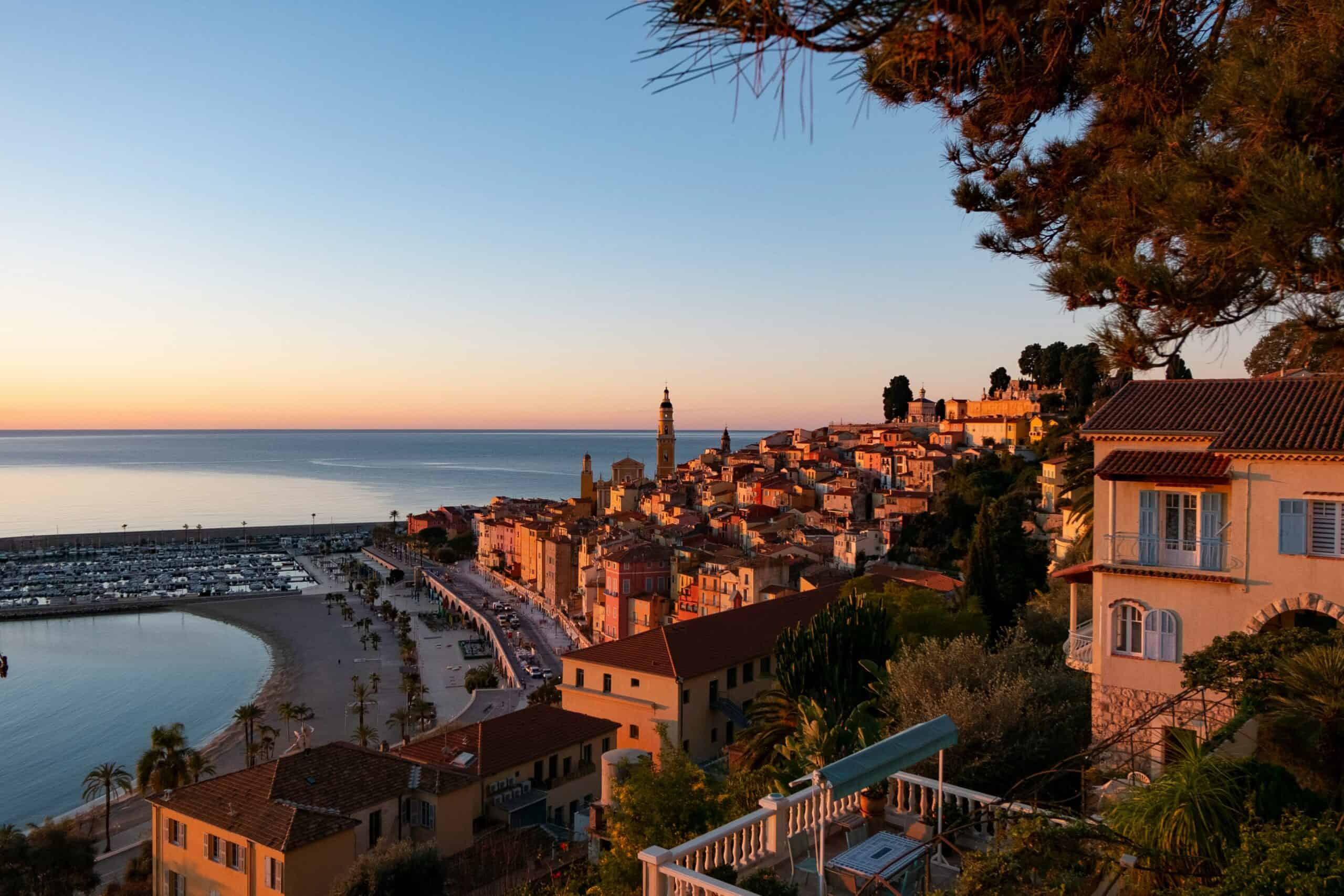
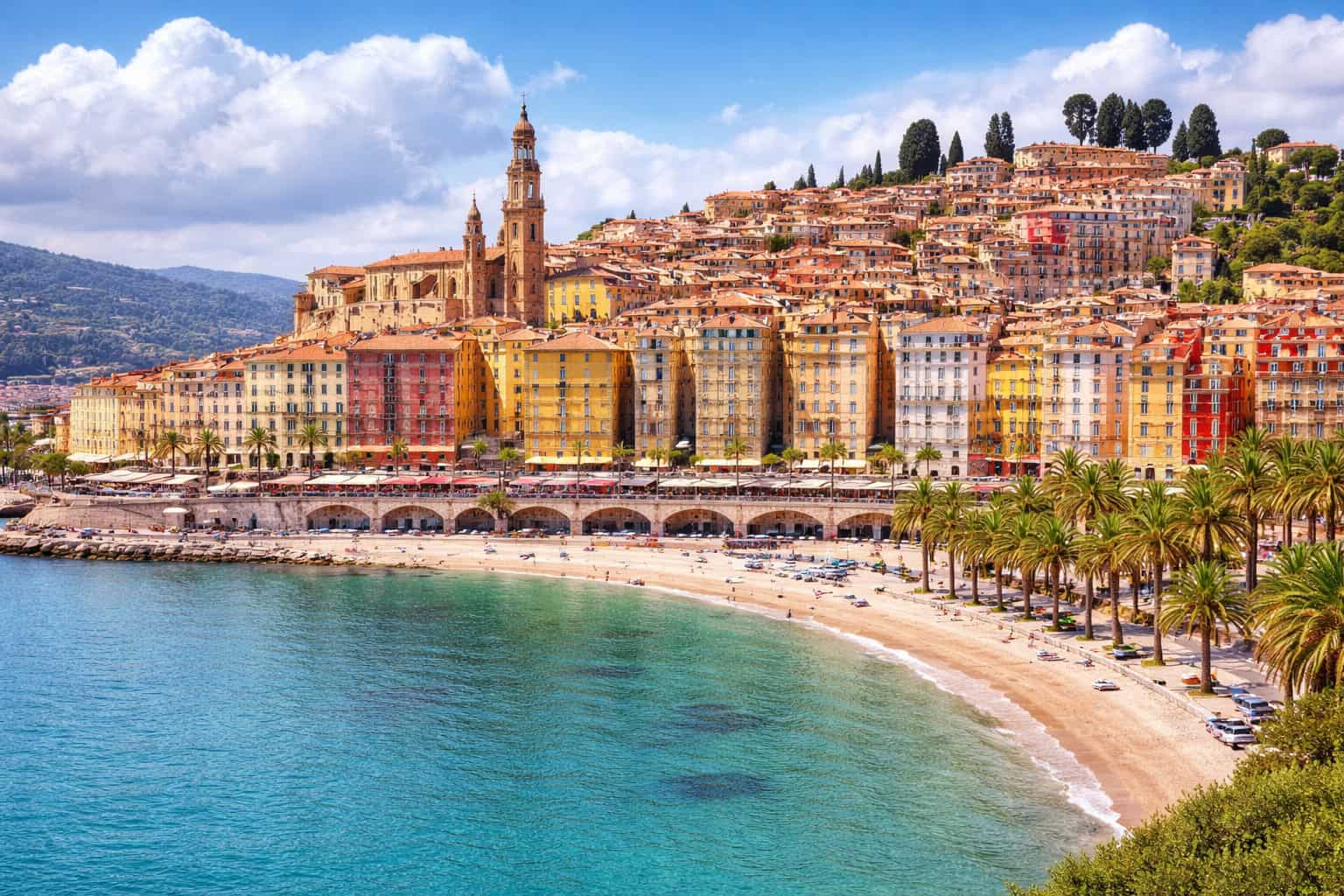
Menton Old Town is one of the most atmospheric places on the French Riviera, where ochre facades, steep medieval lanes, baroque architecture, sea views, and Menton’s citrus identity come together in one compact but deeply memorable historic district.
When I first looked into Menton, I expected a polished Riviera stop with pretty views and not much more. But the deeper I went, the more it felt like a place with real texture. Menton Old Town is beautiful, yes, but it also feels lived-in, layered, and surprisingly emotional once you start climbing through its narrow streets and seeing how the sea, the church steps, the market, and the Italian border influence all meet in one place.
Search Intent
Menton Old Town searchers usually want to know whether the old town is actually worth visiting, what to see beyond the postcard views, how long to spend there, how difficult the walking route is, when to visit for the Lemon Festival or quieter charm, and how to fit it into a wider French Riviera itinerary. This guide answers those practical questions while preserving the mood that makes Menton special.
Quick Summary
- Menton Old Town is best known for its baroque skyline, pastel facades, steep stairways, and sea-facing historic core.
- The walk up to the Basilica of Saint-Michel Archange is the essential experience and the best payoff on the hill.
- The Marché des Halles is one of the best places to feel local life before or after your old town walk.
- February is famous for the Fête du Citron, but late spring and early autumn are better for a calmer visit.
- This is one of the strongest half-day heritage walks on the Côte d’Azur if you enjoy photography, food, and slow exploration.
Why Visit Menton Old Town
Menton Old Town has a different emotional tone from many Riviera destinations. It is still beautiful and sunlit, but it feels less polished for display and more shaped by daily life. That is part of its strength. The old quarter does not rely on one major attraction alone. Instead, it rewards movement: climbing, turning corners, spotting old shutters, hearing cutlery from cafés below, then catching the sea again from a staircase or terrace.
The town’s setting matters enormously. Menton sits close to Italy, and that borderland identity gives the place a softer, more hybrid character. French and Italian influences overlap in food, architecture, rhythm, and even in the way the town is spoken about by travelers. It feels Riviera, but not interchangeable with Nice, Cannes, or Monaco.
I also think Menton Old Town works especially well for people who want the Riviera without the pressure to “perform” luxury. You can wander, eat well, photograph almost everything, and still feel like the place belongs to itself rather than to an itinerary trend. That is rarer on the Côte d’Azur than many first-time visitors expect.
What It Feels Like to Walk Through Menton Old Town
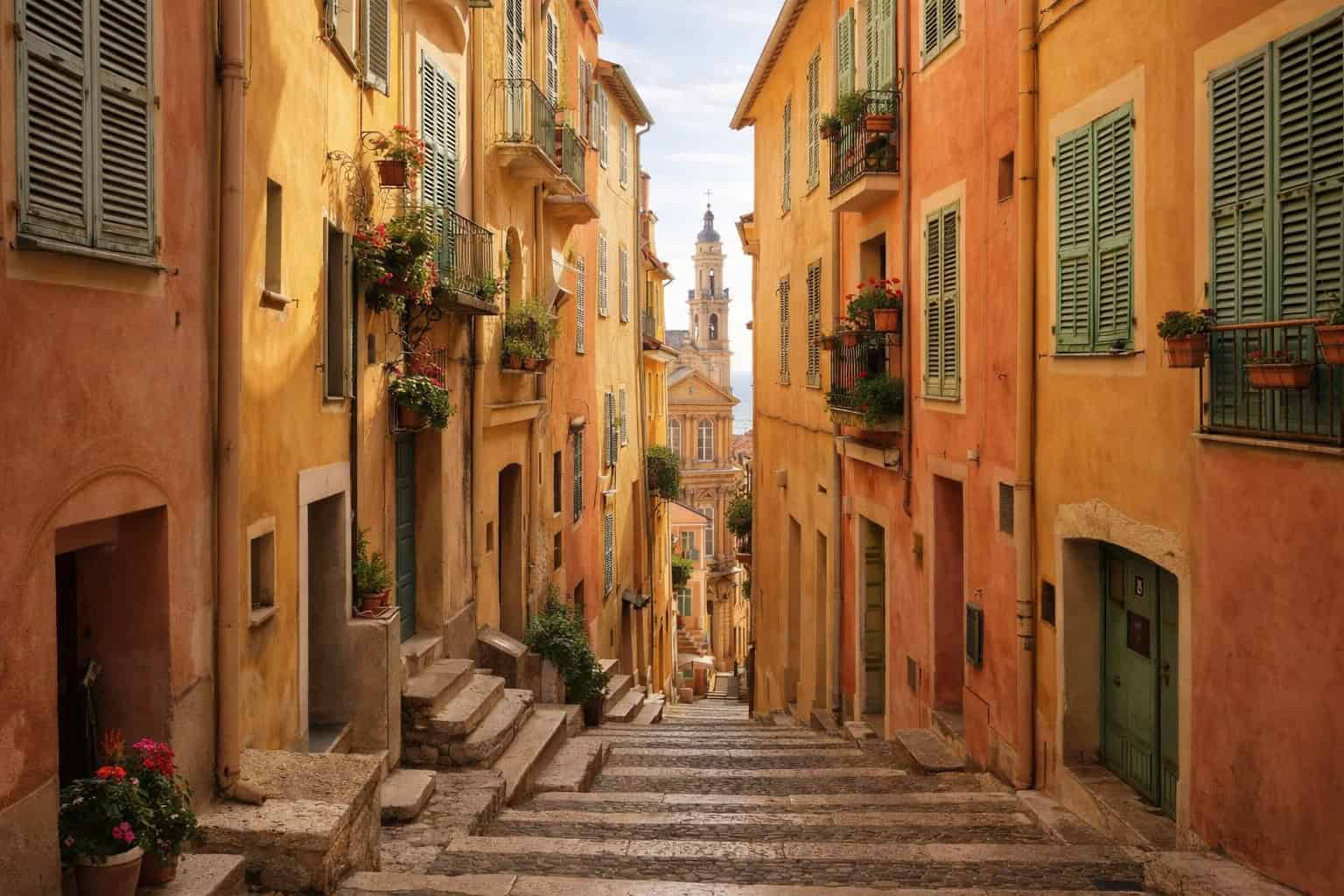
Walking here feels vertical. That is the first thing that stays with you. Menton Old Town does not unfold in a flat museum-like way. It climbs. You move through shaded lanes, slip past stone walls, emerge into small squares, then look down and realize the sea has reappeared below you in flashes of silver and blue. The effect is cinematic, but it never feels artificial.
There is also a wonderful contrast between intimacy and spectacle. Some alleys are so narrow and quiet that you feel as if you are wandering through someone’s private memory. Then suddenly you arrive at a church square or a terrace with a wide-open Riviera view. That rhythm keeps the walk emotionally alive.
I think this is where many visitors get surprised. Menton looks soft in photos, but the old town has real character. It is textured, steep, and occasionally a bit demanding. On a hot day, the climb can catch you off guard. I would not call that a drawback, but it does mean this is a place to experience slowly rather than sprint through for ten photos.
History and Cultural Context
Menton Old Town carries a strong baroque identity, but its story stretches across medieval, religious, trading, and borderland layers. The historic center is built around movement uphill toward the Basilica of Saint-Michel Archange, one of the best-known landmarks in the town. Official local sources describe the old town as a maze of narrow streets where visitors move through medieval and baroque Menton toward the dramatic church parvis and views over the Sablettes beach and old port.
That upward structure explains a lot about the atmosphere. The old town is not simply arranged for convenience. It was shaped by terrain, defense, devotion, and the need to live between sea and hillside. The result is a place that still feels spatially historical rather than just visually old.
One detail I especially like is how the town’s citrus identity is not just branding. Menton’s lemon culture is woven into local pride, seasonal celebration, culinary habits, and even the way visitors imagine the place before they arrive. That connection between climate, agriculture, and identity gives the town a stronger personality than many Riviera destinations with equally pretty views but less distinct character.
Main Highlights in Menton Old Town
1. Basilica of Saint-Michel Archange
This is the visual and symbolic high point of the old town. The basilica dominates the historic quarter and anchors the baroque skyline. The climb to its parvis is one of the essential experiences in Menton.
2. Place aux Herbes and the old market atmosphere
The square and surrounding lanes feel local rather than theatrical. It is one of the best places to sense the daily pulse of the town before heading uphill.
3. Marché des Halles
Located on Quai de Monléon near the old port, the covered market is one of the most rewarding food stops in Menton. It makes an excellent entry point to the old town walk.
4. The old port and sea views
The relationship between the old quarter and the water is part of what makes Menton so photogenic. You constantly move between enclosed historic spaces and open coastal views.
5. Lemon Festival season
If you visit in February, Menton’s citrus identity becomes impossible to miss. The town transforms from beautiful to exuberant, though that also means heavier demand and more planning.
Key Visitor Information
| Location | Menton, Alpes-Maritimes, southeastern France near the Italian border |
|---|---|
| Best-known landmark | Basilica of Saint-Michel Archange |
| Access | Public old town streets are open year-round; church, museum, and event access varies by site and season |
| Entry cost | The old town itself is free to explore |
| Covered market | Marché des Halles on Quai de Monléon, open daily |
| Festival season | Fête du Citron is the signature event, with the 2026 edition running from 14 February to 1 March |
| Recommended visit time | Half day is enough for a relaxed walk; a full day works better if adding museums, the market, and longer food stops |
| Accessibility note | Expect steep lanes, stairways, and uneven stone surfaces in parts of the historic core |
Immersive Cultural Experiences
Menton Old Town is at its best when you engage with it through food, rhythm, and local texture rather than only monuments. Start at the market, then move uphill through the old quarter, stopping when a lane, staircase, or square feels inviting. This is not a place that demands rigid sequencing. It rewards curiosity.
The nearby Jean Cocteau Bastion museum adds an artistic dimension that fits Menton surprisingly well. It is not in the steep heart of the old town itself, but it deepens the town’s creative identity and works beautifully as part of a wider walking route toward the seafront.
Food also matters here more than in many “historic center” walks. Lemon products, Riviera pastries, market produce, Italian-influenced meals, and simple terrace stops all help the town feel experiential instead of merely scenic.
Essential Travel Tips
Go early or late. Menton Old Town feels far better in softer light. Morning brings calm and cleaner photography, while late afternoon gives the facades more warmth.
Wear better shoes than you think you need. The climb looks easy in photos, but the slope and stone surfaces add up quickly.
Visit the market before lunch. It helps anchor the old town in real local life rather than just pretty scenery.
Don’t underestimate festival demand. If you are coming during the Lemon Festival, book transport and accommodation early.
How to Get to Menton Old Town
- Take a regional train to Menton if arriving from Nice, Monaco, or Ventimiglia.
- From Menton station, walk toward the seafront and old port area, then continue into the old town.
- If arriving via Nice Côte d’Azur Airport, continue by train, bus, private transfer, or rental car depending on your route.
- Avoid driving directly into the historic core unless absolutely necessary, as the old town is better explored on foot.
- Build your route around walking; that is where Menton’s character comes through most clearly.
Nearby Attractions Worth Pairing With Menton Old Town
- Jean Cocteau Bastion Museum – for art, Menton identity, and a meaningful extension of the old town walk
- Jardin Serre de la Madone – a strong option if you want Menton’s garden culture, not just its architecture
- Les Sablettes and the old port area – ideal for resetting after the uphill walk
- Italian day-trip logic – Menton works very well as the last elegant French stop before crossing eastward
Menton Old Town vs Other French Riviera Stops
| Point | Menton Old Town | Typical Riviera Stop |
|---|---|---|
| Atmosphere | Warm, historic, citrus-inflected, Franco-Italian | Often more resort-like or polished |
| Best for | Walking, food, photography, baroque heritage | Beach time, marina views, or faster sightseeing |
| Visual identity | Ochre facades, church steps, sea and hill contrast | More uniform Riviera waterfront aesthetics |
| Visit style | Slow wandering works best | Often easier to sample quickly |
Who Should Visit Menton Old Town?
- Travelers who love colorful historic quarters rather than luxury-heavy Riviera branding
- Photographers chasing layers of stairs, facades, and Mediterranean light
- Food-focused travelers who want markets, citrus identity, and local dishes
- Couples looking for one of the most romantic old-town walks on the Côte d’Azur
- Anyone building a France-to-Italy coastal itinerary with character, not just convenience
FAQ
Is Menton Old Town worth visiting?
Yes. It is one of the most rewarding old-town walks on the French Riviera, especially for travelers who care about atmosphere, photography, food, and historic texture.
How long should I spend in Menton Old Town?
A relaxed half day works well, but a full day is better if you include the market, museums, and longer food or seafront breaks.
What is the best time to visit Menton Old Town?
Late spring and early autumn are ideal for balance. February is the most festive because of the Lemon Festival, but it is also busier.
Is Menton Old Town difficult to walk?
Parts of it can be. Expect steep lanes, stairs, and cobbled surfaces, especially as you move higher toward the basilica.
Can I visit Menton Old Town without a car?
Absolutely. Train access is one of the easiest ways to reach Menton from other Riviera destinations.
What is Menton most famous for?
Menton is famous for its lemons, the Fête du Citron, its old town, baroque architecture, and its position between the French Riviera and Italy.
Explore More France Destinations
Official and Useful Links
Menton Old Town Map
Final Take
Menton Old Town is one of the Riviera’s most rewarding historic quarters because it feels both beautiful and believable. The colors are stunning, the views are real, the climb is worth it, and the town’s lemon identity gives it a personality you do not confuse with anywhere else.
If you want polished coastline glamour, there are many Riviera options. If you want a place with warmth, memory, food, texture, and a little bit of effort built into the experience, Menton Old Town is stronger than most.
For me, that is what makes it linger. Not just the sea. The climb, the light, and the feeling that the town still belongs to itself.