Search Intent (Why You’re Here)
If you searched for Osteria da Fortunata Rome, you’re probably trying to answer one practical question: is it actually worth your limited meal slots in Rome, and how do you visit without wasting time in long lines? This guide focuses on what matters on a real trip—what to order, best time to go, how long to stay, common mistakes, and a simple walking plan that pairs perfectly with nearby Rome essentials.
Quick Summary (5 Lines)
- Worth it? Yes—one of the most famous “fresh pasta in front of you” experiences in Rome.
- Best time: weekdays at opening (12:00) or early dinner (around 18:30–19:00).
- How long: 60–90 minutes (add time if you’re going at peak dinner).
- Must-order: carbonara or ragù pasta + 1 simple starter.
- Best combo: Campo de’ Fiori → Osteria da Fortunata → Pantheon (easy walk).
Osteria da Fortunata Rome: Why This Pasta Stop Feels Like “Real Rome”
Osteria da Fortunata isn’t a polished fine-dining restaurant—and that’s exactly the charm. It’s lively, compact, and focused on one thing: fresh pasta that tastes honest. Watching pasta being rolled and cut in front of you turns dinner into an experience, not just a meal. For travelers who want a classic Roman food moment without overthinking reservations and Michelin lists, this place delivers.
If you only have a few meals in Rome, this is a smart choice because it offers high impact in under two hours—authentic dishes, strong atmosphere, and a location that fits easily into a historic-center walking day.
Key Information Table
| Category | Details |
|---|---|
| Opening Hours | Mon–Sat: 12:00–15:00, 18:30–23:00 / Sun: Closed |
| Price Range | €20–€35 per person (excluding wine) |
| Address | Via del Pellegrino 11, 00186 Roma RM, Italy |
| Best Time to Visit | Weekdays at 12:00 or 19:00 (avoid peak crowds) |
| Reservation | Recommended (especially April–Oct) |
| Nearby Area | Campo de’ Fiori / Piazza Navona zone |
Why Visit Osteria da Fortunata (Not Generic Reasons)
- Fresh pasta performance: watching pasta being made adds real value to the meal.
- Classic Roman comfort: carbonara/ragù done in a traditional style.
- Perfect itinerary location: no detour—fits into the historic center naturally.
- High “local energy”: lively dining room, fast rhythm, authentic Rome feel.
What You’ll Actually Experience Inside
The first thing you’ll notice is the energy. The room is compact, tables are close, and the kitchen is part of the show. The pasta-making isn’t a gimmick—it’s the heart of the place. You’ll hear dough being worked, plates being served, and constant conversation bouncing off the walls. It feels like Rome: slightly chaotic, warm, and alive.
Best mindset: don’t expect a quiet romantic dinner. Expect a vibrant Roman meal where food and atmosphere come together.
Experience Paragraph #1 (Timing + How to Avoid Wasting Time)
Osteria da Fortunata can be either a perfect Rome food memory—or a long wait that eats your evening. The difference is timing. If you arrive at peak dinner hours (around 20:00), you’ll likely face a line and a rushed feeling once seated.
My best plan: arrive on a weekday at 12:00 (opening) or come for early dinner at 18:30–19:00. You’ll get seated faster, enjoy better service flow, and actually have time to taste the food instead of racing through it.
What to Order (First-Time Best Picks)
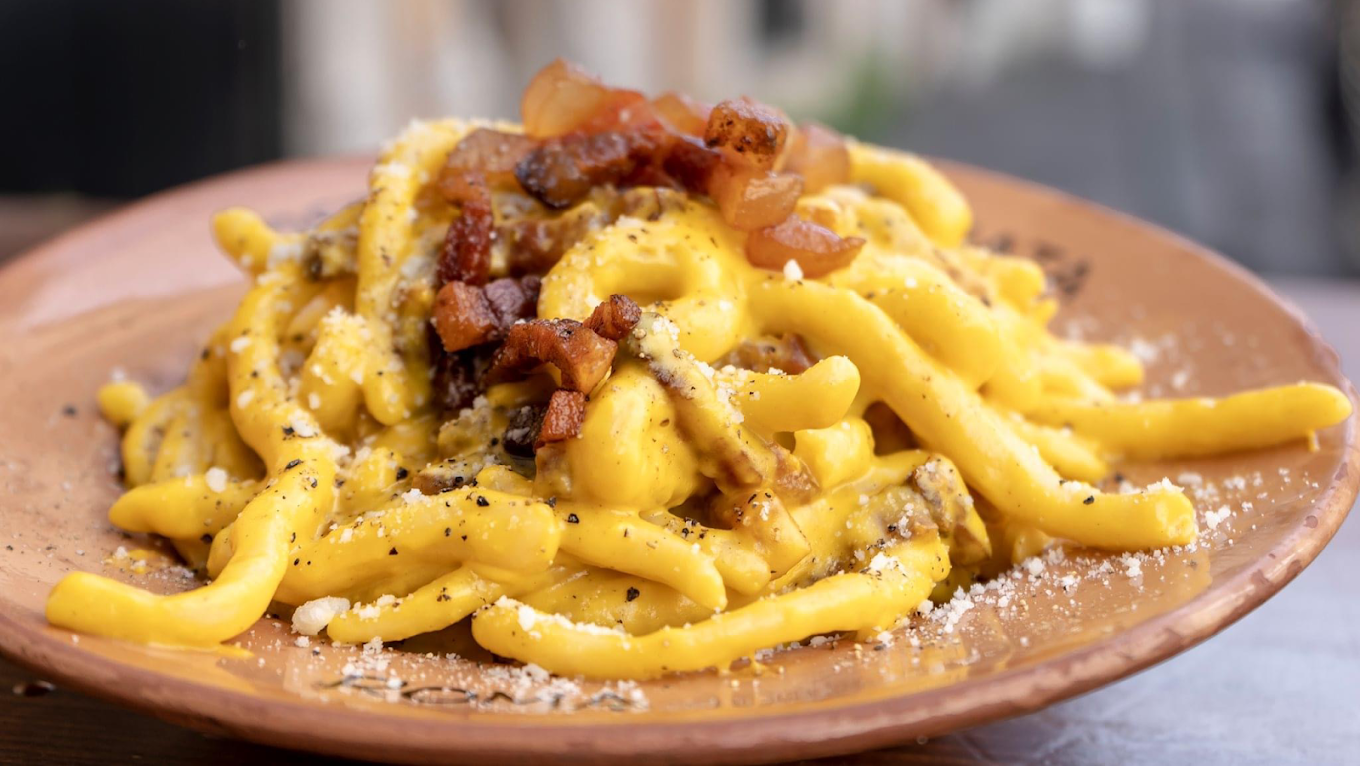
- Bucatini alla Carbonara: the signature “Rome classic” choice—rich, peppery, and satisfying.
- Fettuccine al Ragù: slow-cooked comfort, great if you want a deeper, meatier flavor.
- Handmade gnocchi (seasonal): softer texture option if you want something different.
My best order combo: 1 starter + 1 pasta each. Skip heavy extras—save space for gelato later.
Experience-Based Route (Simple Rome Food Walking Loop)
- Start at Campo de’ Fiori (quick atmosphere stop)
- Walk to Osteria da Fortunata for lunch or early dinner
- After the meal, walk to the Pantheon (10 minutes)
- Finish with a slow stroll toward Piazza Navona
Why this works: you stay in the most efficient part of Rome, avoid transport stress, and build a “food + sights” day that feels smooth.
Tip / Warning Box (Real Mistakes Tourists Make)
Tip: Go at opening time. The difference in wait time is huge, especially in peak season.
Tip: Order simple classics first (carbonara/ragù). This is not the place to “experiment.”
Warning: If you arrive at peak dinner without a reservation, you may lose 30–60 minutes just waiting.
A vs B Comparison (Choose the Right Visit Style)
Lunch Visit vs Dinner Visit
- Lunch: faster seating, lighter crowds, best for itinerary efficiency.
- Dinner: stronger atmosphere, but longer waits and more noise.
Best decision: If you’re sightseeing heavily, choose lunch. If you want the full Rome night vibe, choose early dinner.
Seasonal Notes (When It’s Best)
April–October is the busiest period in Rome, meaning the restaurant fills quickly and lines become normal. In November–March, it’s easier to get a table and the experience feels more relaxed. If you want a calmer meal with the same quality, shoulder season is the smartest time.
Google Map
How to Get There
- From Campo de’ Fiori: ~4 minutes on foot.
- From Piazza Navona: ~6–8 minutes on foot.
- From Roma Termini: bus/taxi + short walk (historic center traffic can be slow).
Nearby Attractions & What to Pair With This Meal
- Pantheon: perfect after-meal stop with maximum “wow” in little time.
- Piazza Navona: best atmosphere square nearby.
- Campo de’ Fiori: lively local-feeling area for pre-meal walk.
Official Websites (Use These Before You Go)
Internal Links (Add These for SEO)
- Italy Attractions Hub (Internal)
- Pantheon Rome Visitor Guide (Internal)
- Rialto Bridge Venice Guide (Internal)
- More Italy Travel Spots (Internal)
FAQ (Osteria da Fortunata Rome)
Is Osteria da Fortunata worth visiting?
Yes. It’s one of Rome’s most famous fresh-pasta experiences and fits perfectly into a historic center walking day.
What is the best time to visit?
Weekdays at opening (12:00) or early dinner (18:30–19:00) to avoid long waits.
Do I need a reservation?
It’s recommended in peak season. Without it, you may wait during dinner hours.
What should I order?
Carbonara is the top pick, followed by ragù pasta. Keep it simple for the best experience.
How long should I stay?
Plan 60–90 minutes for a relaxed meal. Add extra time if visiting at peak dinner.
Is it family-friendly?
Yes, but the space can be crowded and noisy at peak hours.
Is it good for a romantic dinner?
Not ideal. The atmosphere is lively and close seating makes it more energetic than intimate.
Next Step (CTA)
If you’re building a Rome food itinerary, make Osteria da Fortunata your “fresh pasta anchor meal.” Go early, order classic Roman pasta, then walk to the Pantheon and Piazza Navona afterward—this is one of the easiest ways to experience Rome’s flavor and history in one efficient loop.
Author note: I researched and updated this guide in 2026 with a real-trip focus (timing strategy, what to order, and how to avoid wasting time in lines).