Sistine Chapel Vatican City: What It’s Really Like Inside (Tickets, Timing, and Experience)
Sistine Chapel Vatican City is one of those places that feels almost unreal once you finally step inside. Even if you have seen Michelangelo’s ceiling countless times in books or online, the real experience lands differently. The room feels heavier, quieter, and more intense than most travelers expect, and that contrast is exactly what makes it unforgettable.
Why People Search for the Sistine Chapel
Most travelers searching for the Sistine Chapel want clear answers before they go: how to visit it through the Vatican Museums, what the current ticket and entry rules are, when crowds are lighter, what to focus on inside, and whether the experience is still worth the effort. This guide is built to answer those practical questions without losing the emotional impact of the place.
Quick Summary
- The Sistine Chapel is visited as part of the Vatican Museums route, not as a separate standalone attraction. :contentReference[oaicite:2]{index=2}
- Official Vatican Museums hours are Monday to Saturday 08:00–20:00, last entry 18:00. :contentReference[oaicite:3]{index=3}
- On the last Sunday of the month, eligible free-entry hours are 09:00–14:00 with last entry at 12:30. :contentReference[oaicite:4]{index=4}
- Dress rules apply: shoulders and knees should be covered, and revealing clothing is not permitted. :contentReference[oaicite:5]{index=5}
- The best strategy is to prepare for the full museum route, then slow down when you finally reach the chapel.
Why the Sistine Chapel Still Feels So Powerful
A lot of famous places in Europe are visually beautiful but emotionally predictable. The Sistine Chapel is different. It does not feel like a normal sightseeing room. It feels like a place with pressure in it, the kind of pressure that builds when art, religion, history, and public expectation all meet in one space.
What surprised me most was how quickly the noise of the wider museum route seemed to fade once I focused on the ceiling. It was not a calm, empty, cinematic moment like social media sometimes suggests. It was busier and more controlled than that. But even with people around, the chapel still created those brief seconds where everything else disappeared and only the paintings remained.
What It Actually Feels Like Inside
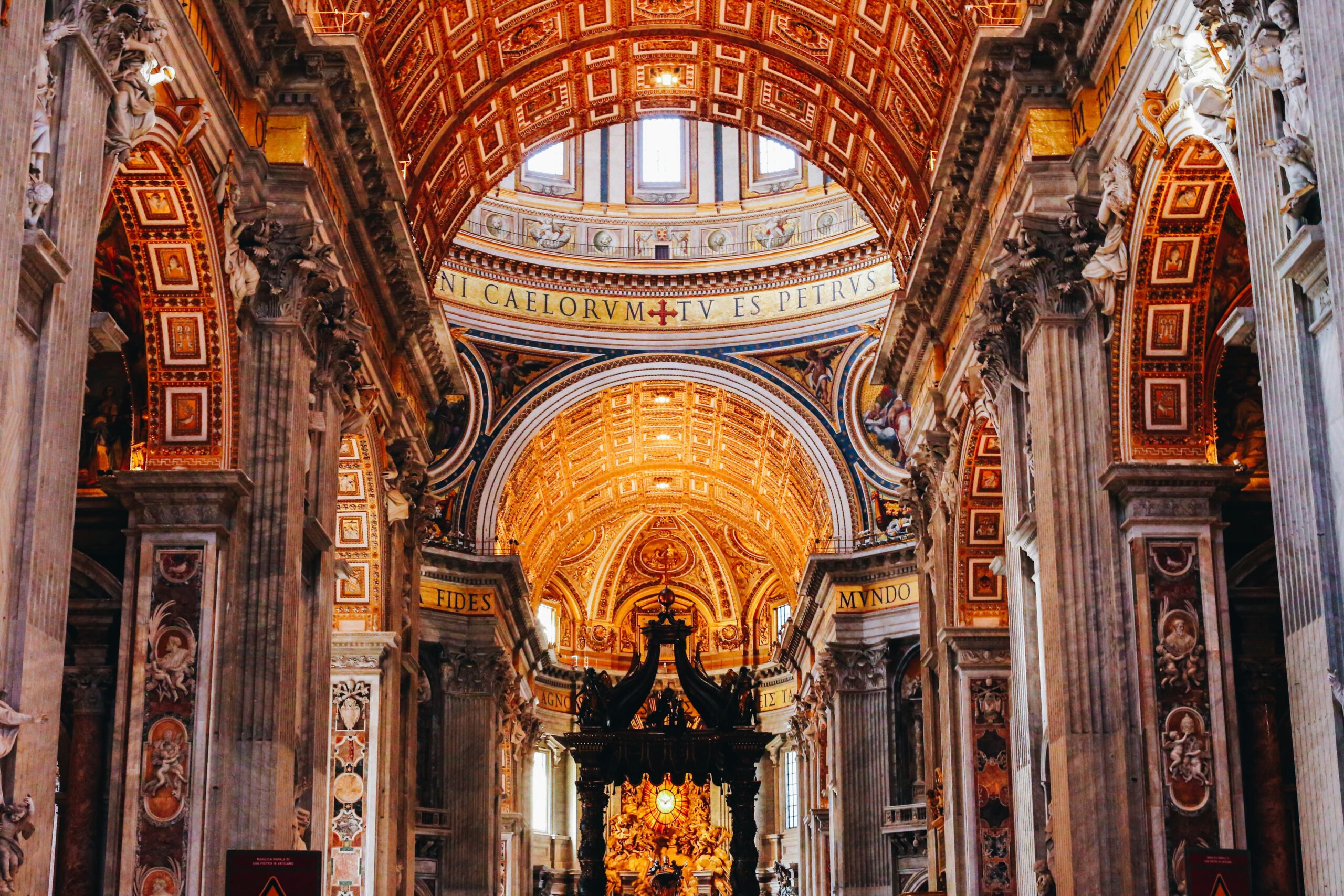
The chapel usually comes near the end of a long museum route, and that matters more than most people realize. By the time you arrive, you have already walked through galleries, sculpture collections, corridors, and major rooms that would each be headline attractions almost anywhere else. That museum fatigue is real.
But then you enter the Sistine Chapel and the energy changes. People stop walking as fast. Heads tilt upward. Guards keep the room controlled, and the atmosphere becomes more concentrated. The space feels smaller than many first-time visitors imagine, but emotionally it feels much larger.
I think this is where expectations help. Do not expect privacy. Do not expect unlimited time or perfect silence. Expect intensity instead. That mindset makes the visit more rewarding because you stop chasing a fantasy version and start appreciating the real one.
History and Cultural Background
The Sistine Chapel takes its name from Pope Sixtus IV della Rovere, who had the old Cappella Magna restored between 1477 and 1480. The Vatican Museums’ own history pages emphasize that the chapel’s identity began before Michelangelo, with its earlier decorative program already shaped by some of the leading artists of the late 15th century. :contentReference[oaicite:6]{index=6}
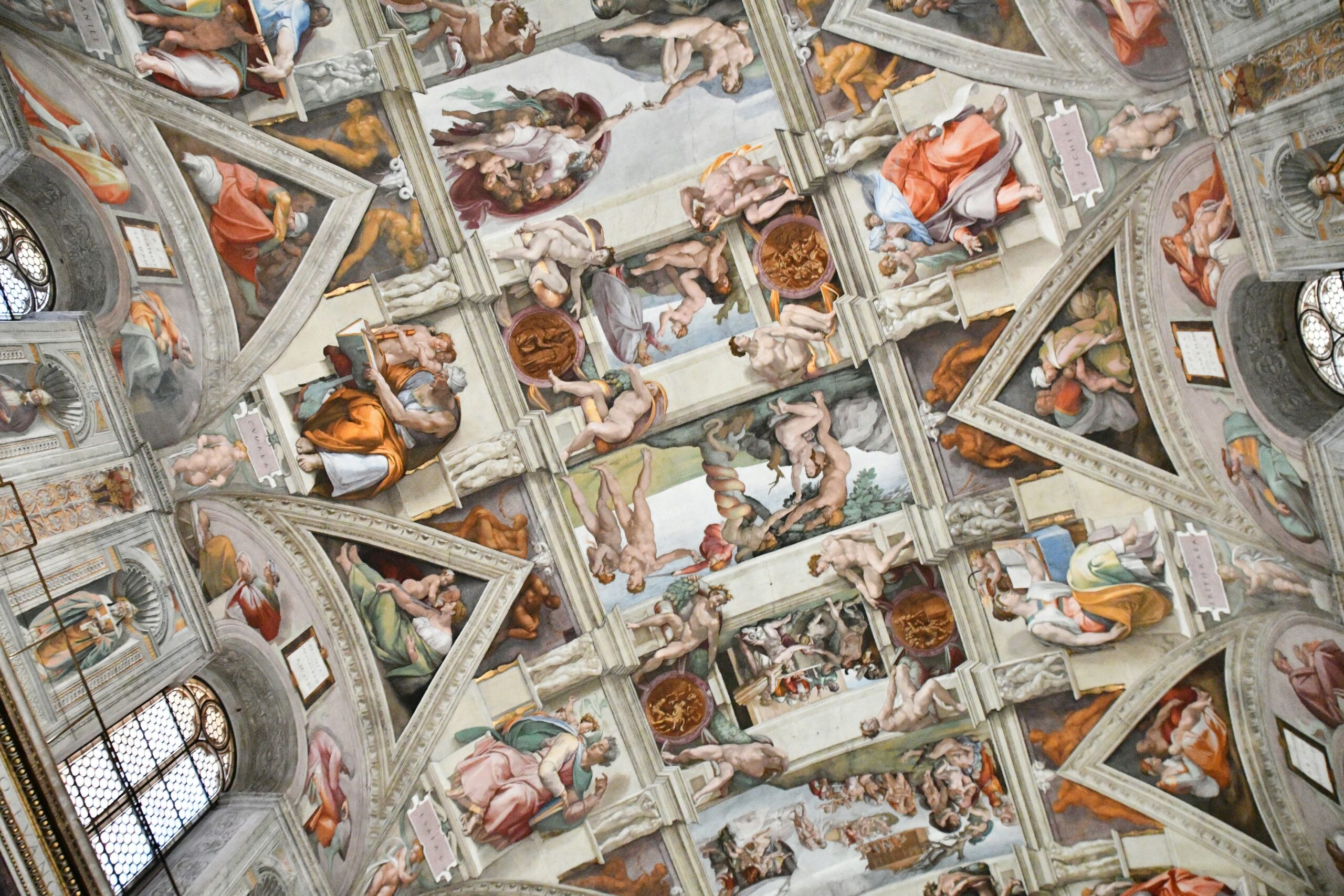
Michelangelo’s ceiling, painted from 1508 to 1512, transformed the chapel into one of the most studied artistic spaces in the world. Later, The Last Judgment on the altar wall deepened its emotional and theological power. Today, the chapel remains both a major artistic destination and an active ceremonial space tied to papal tradition. Vatican Museums materials still present it as a place where artistic achievement and revealed faith are meant to speak together. :contentReference[oaicite:7]{index=7}
Key Visitor Information
| Access | Included as part of the Vatican Museums visit route, not a separate walk-in chapel visit. :contentReference[oaicite:8]{index=8} |
| Opening hours | Monday–Saturday: 08:00–20:00 |
| Last entry | 18:00 |
| Last Sunday of month | 09:00–14:00, last entry 12:30, eligible free-entry day on official schedule. :contentReference[oaicite:9]{index=9} |
| Official ticket note | Use the official Vatican Museums ticket portal to avoid lookalike sites and inflated third-party pricing. :contentReference[oaicite:10]{index=10} |
| Address | Viale Vaticano, 00165 Rome (Vatican Museums entrance). :contentReference[oaicite:11]{index=11} |
| Dress code | Shoulders and knees should be covered; sleeveless or low-cut garments, shorts above the knee, miniskirts, and hats are not permitted. :contentReference[oaicite:12]{index=12} |
| Best practical timing | Early weekday slots or later afternoon usually feel more manageable than the busiest midday window. |
Main Highlights Inside the Chapel
1. Michelangelo’s Ceiling
This is the image most people come for, but in person it feels less like a single image and more like a whole system of movement overhead. The famous Creation of Adam is only one part of a much broader Genesis sequence, and the surrounding prophets, sibyls, and architectural illusion make the ceiling far richer than a postcard memory suggests.
2. The Last Judgment
The altar wall is emotionally different from the ceiling. It is denser, more dramatic, and more confrontational. If the ceiling feels expansive, The Last Judgment feels urgent. Many visitors underestimate how much this wall affects the room’s atmosphere until they see it in person.
3. The Side Walls
The side walls matter more than people think. Their 15th-century fresco cycles help frame the chapel as a complete theological and visual program, not just a room dominated by Michelangelo alone. Official Vatican material continues to emphasize these earlier works as part of the chapel’s full meaning. :contentReference[oaicite:13]{index=13}
Why This Visit Feels Bigger Than a Museum Stop
The Sistine Chapel is one of the rare attractions where the setting matters as much as the artwork. You are not seeing detached masterpieces in a neutral gallery. You are standing in a room still loaded with ceremonial and religious meaning. That makes even brief moments inside feel unusually charged.
I also think the chapel benefits from honesty. Some people expect a perfectly serene experience and leave disappointed by the crowd level. But if you arrive expecting intensity, structure, and a room that still overwhelms despite the visitor pressure, the experience usually feels much stronger.
Practical Tips and Real-World Warnings
Recommended Visit Flow
- Book a Vatican Museums entry slot in advance using the official ticket system. :contentReference[oaicite:16]{index=16}
- Arrive early enough for security and entrance procedures at Viale Vaticano.
- Keep a steady pace through the wider museums so you still have energy for the chapel.
- Inside the chapel, give yourself a moment to adjust before focusing on individual frescoes.
- Afterward, continue your Vatican day without trying to cram too many heavy attractions into the same exhausted time block.
What to Pair It With Nearby
The most natural pairing is the rest of the Vatican Museums route itself, followed by a Vatican-side walking plan. This is not the kind of attraction that works best when squeezed into an overpacked Rome day with too many separate landmarks. Give it breathing room.
If you visit with the right pace, the chapel becomes the emotional peak of the Vatican side rather than just one more stop on a long checklist.
Sistine Chapel vs Other Major Rome Experiences
| Place | Best For | Strength | Possible Drawback |
|---|---|---|---|
| Sistine Chapel | Art + religion + emotional impact | One of the most important interiors in Western art | Reached through a long museum route |
| St. Peter’s Basilica | Monumental religious space | Scale and architectural grandeur | Can involve long queue logistics |
| Colosseum | Ancient Rome first-timers | Global icon status | More expected and less intimate |
| Vatican Museums overall | Broad museum exploration | Huge artistic range | Easy to get overloaded before the chapel |
Who Should Visit
- First-time Vatican visitors who want the defining artistic highlight.
- Travelers who care about context, not just famous photo spots.
- People interested in Renaissance art, papal history, or sacred interiors.
- Visitors who do well with structured museum experiences rather than quick open-air sightseeing.
- Anyone willing to trade comfort and speed for cultural payoff.
Frequently Asked Questions
Can you visit the Sistine Chapel separately?
No. In normal visitor practice, the Sistine Chapel is reached through the Vatican Museums visit route. :contentReference[oaicite:17]{index=17}
What are the official opening hours?
Official Vatican Museums hours are Monday to Saturday 08:00–20:00, with final entry at 18:00. :contentReference[oaicite:18]{index=18}
Is there a free-entry day?
Yes, the last Sunday of the month is generally a free-entry window on the official schedule, from 09:00 to 14:00 with final entry at 12:30, subject to listed exceptions. :contentReference[oaicite:19]{index=19}
What should I wear?
The Vatican Museums require appropriate dress. Sleeveless or low-cut garments, shorts above the knee, miniskirts, and hats are not permitted. :contentReference[oaicite:20]{index=20}
What is the best time to go?
Early weekday entries or later afternoon visits usually work better than the busiest midday window.
Where should I book tickets?
Use the official Vatican Museums ticket portal. The Museums explicitly warn visitors about unofficial similar domains that may charge more. :contentReference[oaicite:21]{index=21}
Is it still worth it when it’s crowded?
Yes. It is less about finding a perfect quiet moment and more about experiencing one of the most important interiors in art history in its real ceremonial setting.
More Trip-Nexus Guides You May Like
Official and Authoritative Sources
Map
Final Thoughts
The Sistine Chapel Vatican City experience is still one of the defining cultural moments in Rome, but it rewards realistic preparation. Go in understanding that it is part of the Vatican Museums route, that timing and dress rules matter, and that the real impact often comes in brief, powerful flashes rather than one perfectly quiet cinematic scene.
That is exactly why it stays with people. Even after the long walk, the crowd pressure, and the controlled atmosphere, the room still wins.