Galleria Borghese Rome Guide: Tickets, Must-See Artworks, and How to Visit Without Stress
Galleria Borghese Rome is one of the most rewarding museum experiences in Italy, combining Bernini’s breathtaking marble sculptures, Caravaggio’s dramatic paintings, and the quiet elegance of Villa Borghese into a visit that feels far more intimate than Rome’s bigger headline attractions.
Search Intent
This guide is for travelers who want practical ticket advice, the most important artworks to prioritize, realistic timing, nearby stops in Villa Borghese, and an honest sense of whether the museum is worth reserving in advance.
Quick Summary
- Reservation is effectively essential because visitor numbers are limited by timed entry.
- The collection is strongest for Bernini sculptures and Caravaggio paintings.
- Standard public opening runs Tuesday to Sunday, with Monday closure.
- Most travelers need about 2 hours inside, plus extra time for Villa Borghese.
- It is one of the best museum choices in Rome if you prefer focused quality over exhausting size.
Why Galleria Borghese Matters More Than Many First-Time Visitors Expect
Galleria Borghese Rome is one of those places that often looks “optional” on a Rome itinerary until you actually step inside. The city is full of giants like the Colosseum, the Vatican Museums, and St. Peter’s Basilica, so many travelers assume this gallery is a smaller extra. In reality, it delivers one of the most concentrated art experiences in Italy.
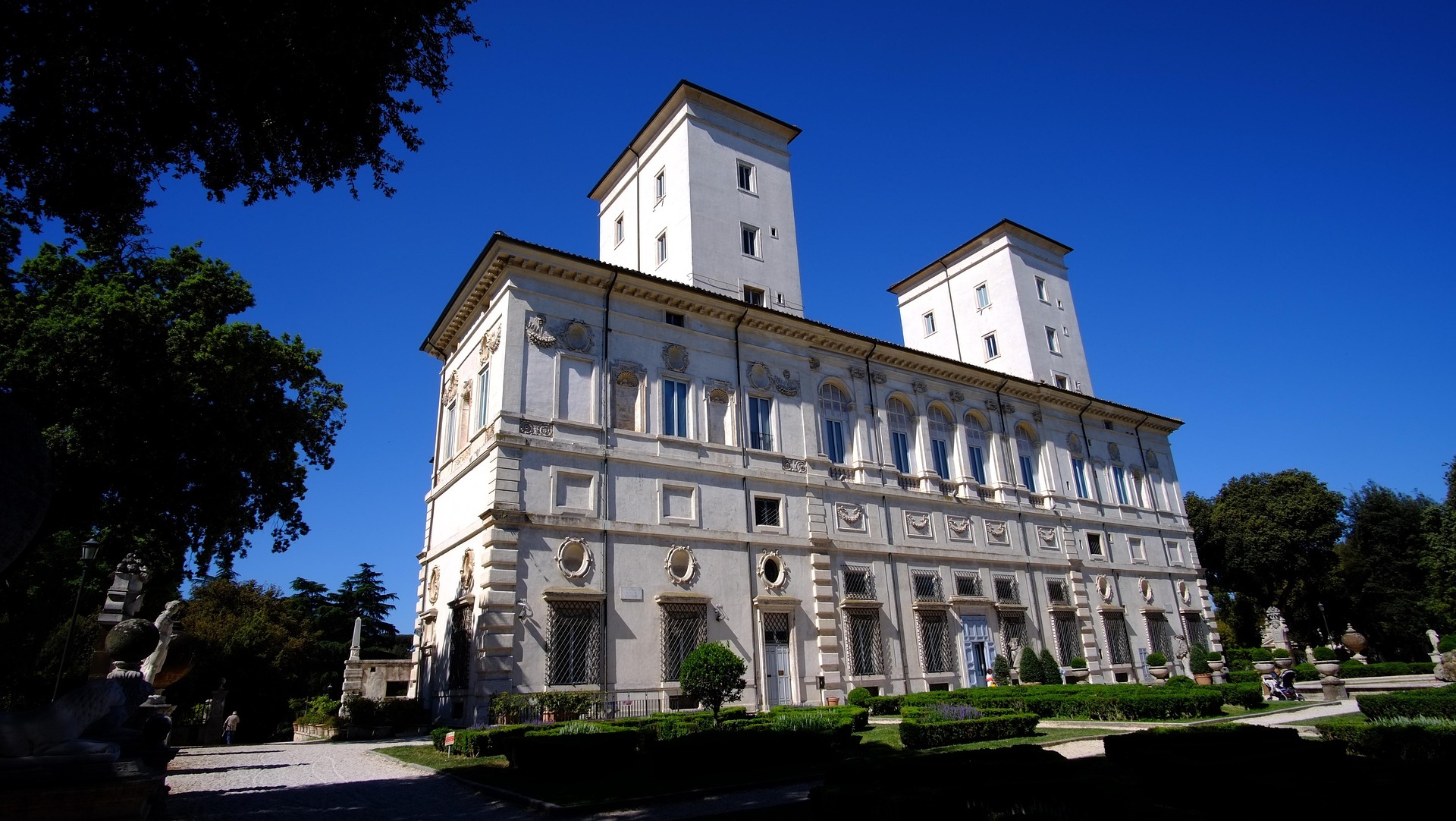
Instead of endless halls, you get a compact, highly curated museum inside a 17th-century villa built around collecting and displaying beauty. That changes the feeling immediately. You are not racing through an oversized institution. You are moving room by room through a place where architecture, painting, sculpture, ceiling decoration, and natural light all support each other.
I think that is why the visit feels so memorable. It does not overwhelm you with volume. It wins you over with intensity. Bernini’s marble seems to move, Caravaggio’s shadows feel almost theatrical, and the rooms themselves never let you forget that this was once a noble Roman residence shaped by power, taste, and ambition.
What It Feels Like Inside
The approach already sets the tone. You walk through the calm greenery of Villa Borghese, away from Rome’s traffic and stone heat, and the museum appears with a kind of quiet confidence rather than monumental drama. Once inside, the scale remains intimate. You are close to the art almost immediately.
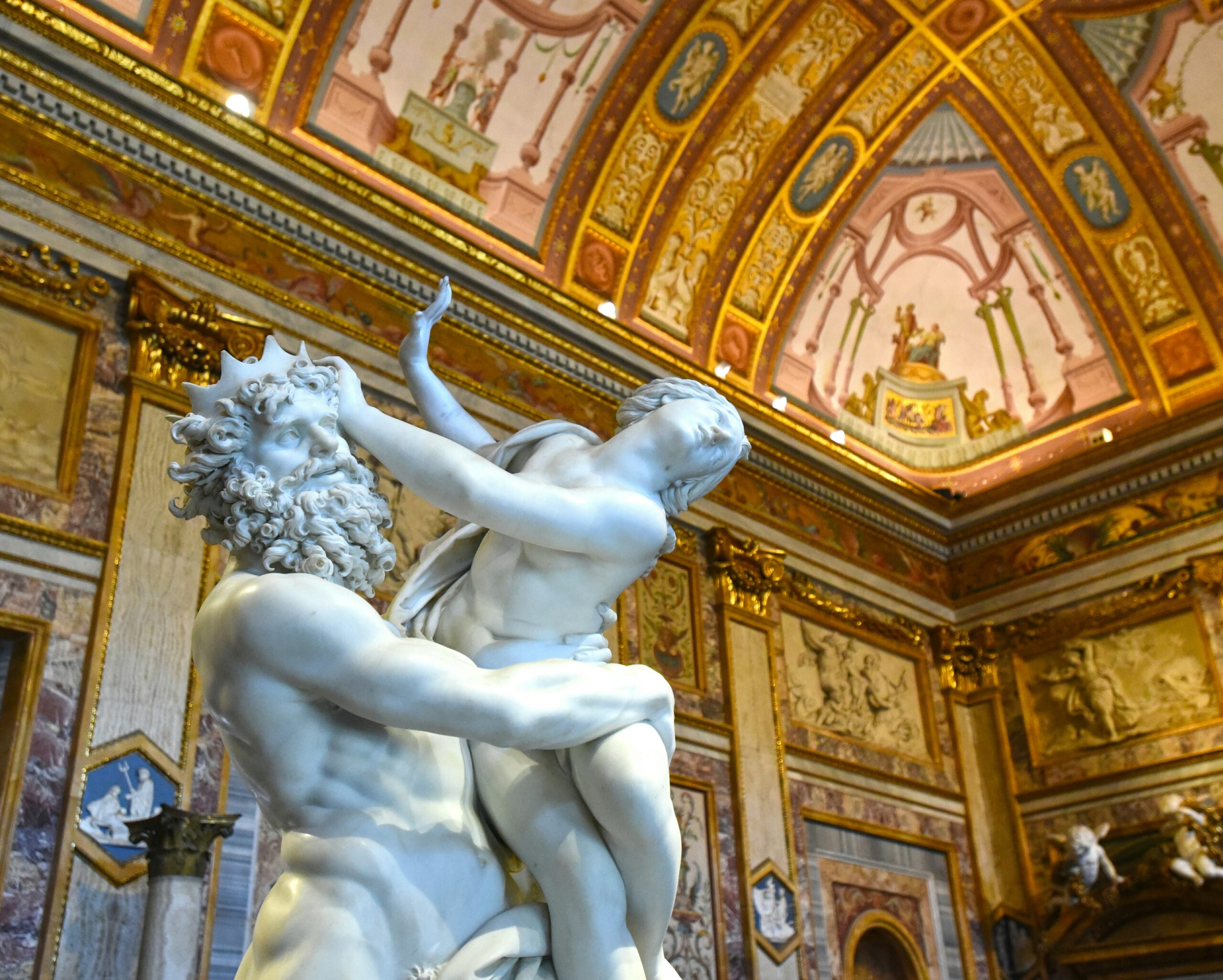
The biggest emotional surprise is Bernini. Photos do not prepare you for how alive the sculptures feel in person. In Apollo and Daphne, marble becomes bark, leaves, hair, and fleeing motion. In The Rape of Proserpina, the fingers pressing into flesh are so convincing that your brain needs a second to remember the work is stone.
I also liked that the museum never felt chaotic. That matters in Rome. After a few days of lines, crowds, and noise, the controlled entry here feels like a luxury. It gives the art room to breathe, and that changes the whole pace of the day.
Insider Tip
Do not schedule this right after a rushed morning at the Vatican Museums. Galleria Borghese is best when you arrive with energy and patience, because the details are the entire point of the visit.
History and Cultural Context
The collection begins with Cardinal Scipione Borghese, nephew of Pope Paul V, who built both his influence and his reputation through art patronage. He collected aggressively and with remarkable taste, helping turn the Borghese name into one of the most important in Roman cultural history.
The museum still reflects that original collecting vision. This is not just a building that happens to hold art. It is a place shaped around the prestige of art. That distinction matters because it explains why the rooms feel theatrical and carefully staged rather than merely practical.
Turismo Roma highlights the Borghese collection as a major part of the cultural landscape of Villa Borghese, and official tourism material also emphasizes the surrounding park as part of the experience, not just a route to the entrance.
Highlights You Should Prioritize
1. Bernini’s Sculptures
If your time or attention starts to dip, refocus here first. Bernini is the emotional center of the museum. The must-sees are Apollo and Daphne, David, and The Rape of Proserpina. These works alone justify the reservation.
2. Caravaggio Rooms
The Caravaggios are darker, sharper, and more psychologically intense. You feel the mood shift immediately. Look carefully at the light direction, the expressions, and the unsettling realism.
3. Ceiling Decoration and Room Design
A common mistake is to stare only at the famous masterpieces and rush onward. Look up. The painted ceilings and decorative schemes are part of the experience. Some special guided routes even focus on the painted vaults, which the official museum site has recently highlighted.
4. The Villa Setting
The museum works because it is inseparable from Villa Borghese. The park softens the approach and extends the visit. If you walk out and immediately jump into a taxi, you miss part of the magic.
Key Visitor Information
| Location | Piazzale Scipione Borghese 5, 00197 Rome, Italy |
|---|---|
| Opening Days | Tuesday to Sunday |
| Standard Hours | 09:00–19:00 |
| Closed | Monday |
| Reservation | Required / strongly recommended due to timed entry |
| Base Ticket Info | Full ticket €13, reduced €2 on official state-museum listings |
| Nearest Metro | Spagna (Line A), then walk through the park |
Important Warning
Do not rely on old blog posts for timing or ticket assumptions. Official museum and Ministry of Culture pages currently show Tuesday–Sunday opening, Monday closure, and reservation-based entry, with additional evening sessions sometimes announced separately.
How to Visit Smoothly
- Book your timed ticket in advance on the official museum channel.
- Choose a slot that leaves you unhurried before and after the museum.
- Arrive at least 20–30 minutes early for ticket check and entry logistics.
- Spend around 2 hours inside unless you are moving very slowly with an audio guide.
- Leave extra time to walk through Villa Borghese instead of treating the museum as a quick stop.
One honest mistake I made in similar timed-entry museums in Italy was stacking too many major sights into one day. By the time you reach an art museum, tiredness blunts your attention. Galleria Borghese rewards freshness more than speed.
Nearby Attractions and Easy Add-Ons
The most natural extension is simply Villa Borghese itself. The park is not filler. It is part of why the museum visit feels different from a dense urban museum circuit. Turismo Roma and Italia.it both frame the wider villa area as a cultural and leisure destination with gardens, viewpoints, and family-friendly spaces.
- Villa Borghese park walks and viewpoints
- Pincian Terrace for sweeping city views
- Piazza del Popolo as a classic continuation point
- Rome center cafés after the museum for a slower midday break
Galleria Borghese vs Bigger Rome Museums
| Category | Galleria Borghese | Huge Museum Experience |
|---|---|---|
| Scale | Focused and intimate | Massive and often exhausting |
| Crowd Feeling | Controlled by timed entry | Often crowded and noisy |
| Best For | Art lovers who value depth | Checklist-style sightseeing |
| Visit Pace | Slow and observant | Long and stamina-heavy |
My honest take: if you love art but hate museum fatigue, Galleria Borghese is probably the better choice. If you want scale and volume, it may feel small. That is the trade-off.
Who Should Visit
- Travelers who care more about masterpiece quality than museum size
- Visitors looking for a calmer, more elegant Rome cultural stop
- People interested in Bernini, Caravaggio, and Baroque art
- Couples or solo travelers who enjoy reflective museum time
- Anyone planning a Rome itinerary that needs one strong art museum instead of three rushed ones
FAQ
Do I really need to reserve Galleria Borghese tickets in advance?
Yes. Timed entry and limited visitor numbers make advance reservation the safe choice, especially in busy seasons. Official listings show reservation-based access.
How much time should I plan for the museum?
About 2 hours inside is realistic for most visitors. Add more time if you want a slow walk through Villa Borghese before or after.
What are the most important artworks to prioritize?
Bernini’s sculptures are the top priority for many visitors, followed closely by Caravaggio’s paintings and the villa’s decorative interiors.
Is Galleria Borghese better than the Vatican Museums?
They serve different moods. The Vatican Museums are larger and broader. Galleria Borghese is calmer, more focused, and easier to enjoy without exhaustion.
What is the nearest metro stop?
Spagna on Line A is the usual metro reference point, followed by a walk through the surrounding area and park.
Is the museum accessible for visitors with disabilities?
Official tourism information indicates accessibility support is available, though it is always best to confirm current arrangements directly on the official museum page before visiting.
Related Trip-Nexus Guides
Official Resources
Google Map
Final Verdict
If you want a museum in Rome that feels elegant rather than exhausting, Galleria Borghese Rome is absolutely worth it. The collection is world-class, the villa setting adds emotional weight, and the controlled visitor flow makes the experience far more enjoyable than many larger institutions.
The only real downside is that it requires more planning. You cannot treat it like a casual walk-in stop. But honestly, that reservation barrier is part of why the visit stays so good once you are inside.
For travelers who value art, atmosphere, and a slower Roman rhythm, this is one of the strongest cultural experiences in the city.