What Visiting the Duomo Really Feels Like (Beyond the Photos)
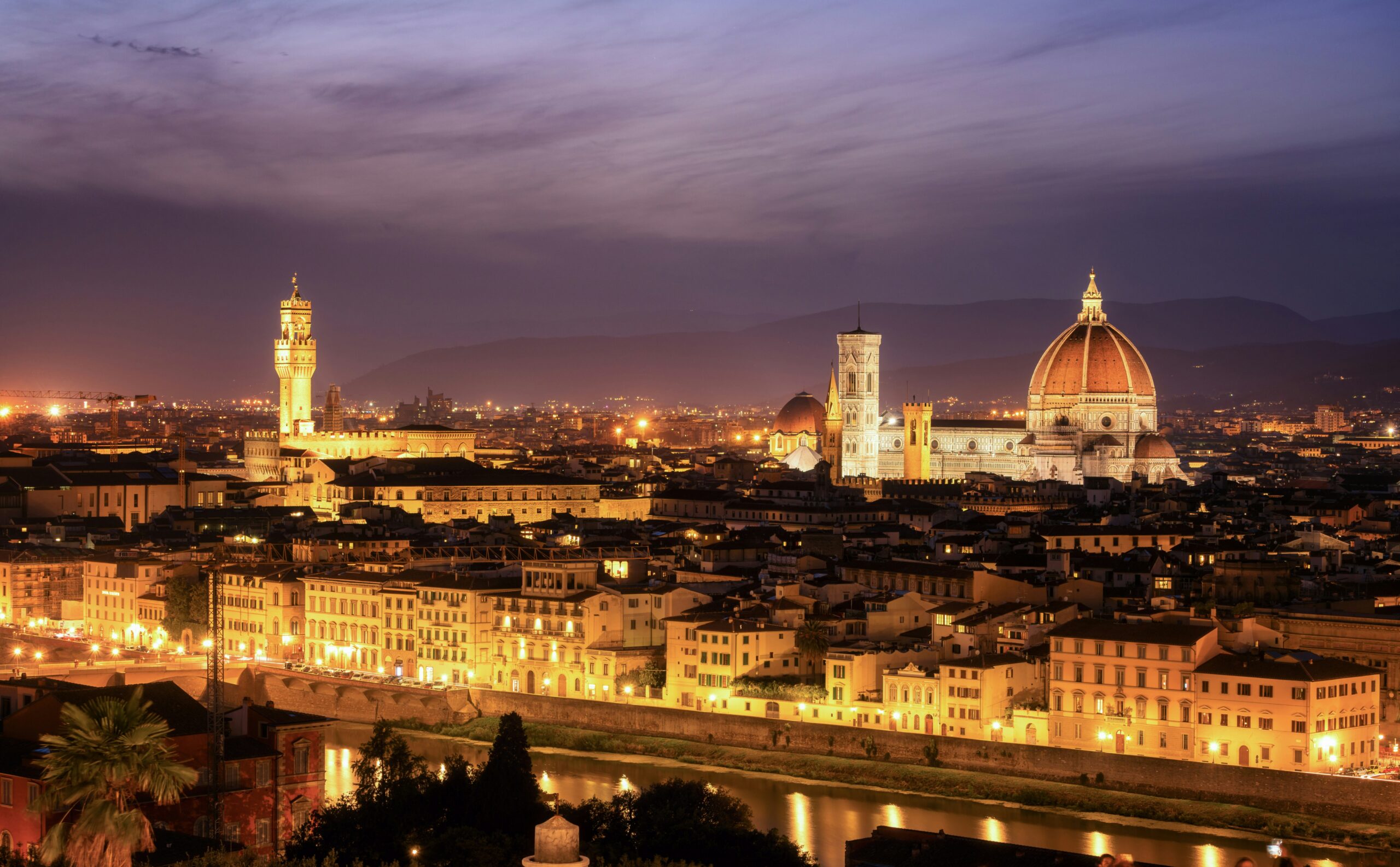
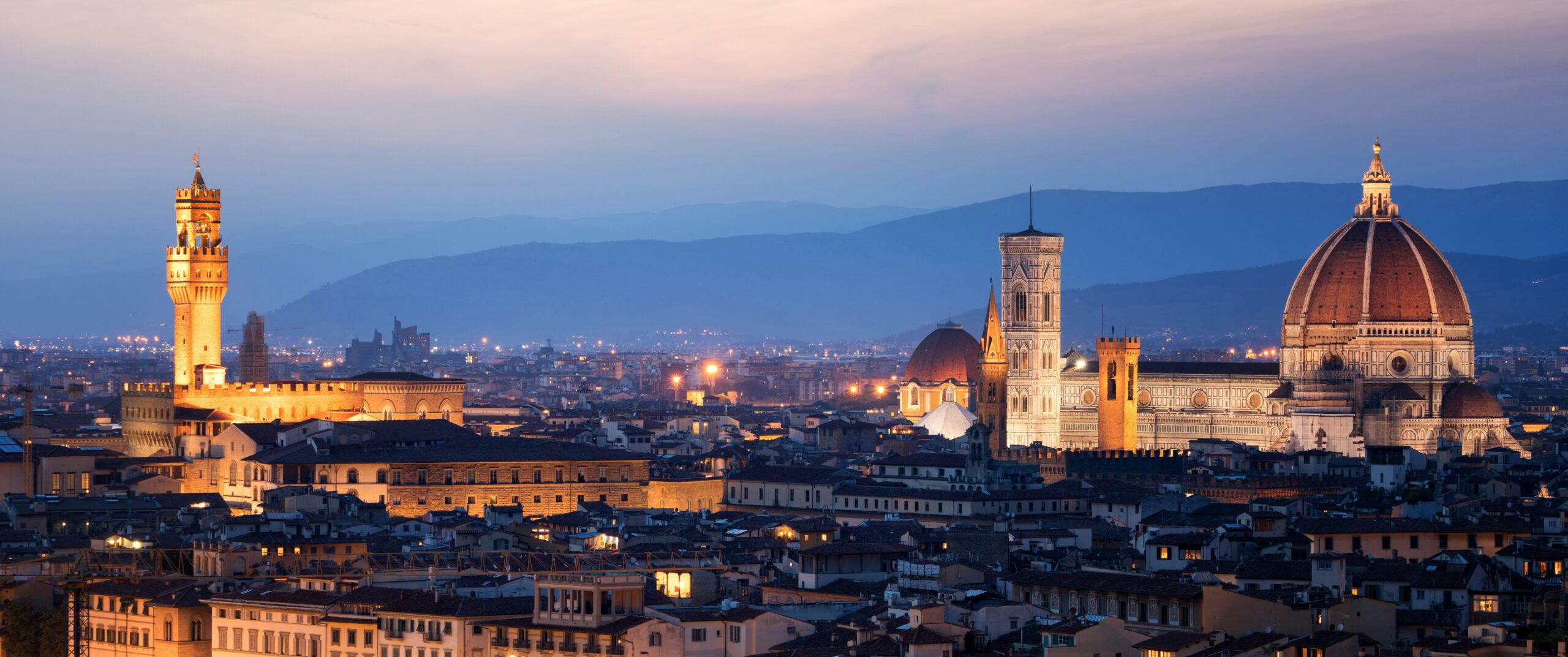
Florence Cathedral, better known as the Duomo di Firenze, stands at the emotional and visual center of Florence. Its immense dome dominates the skyline, but the real magic of this place is that it never feels like only a monument. It feels like the city’s heartbeat made visible in marble, brick, geometry, and faith.
I think this is one of those landmarks that almost everyone recognizes before visiting, yet it still manages to surprise people in person. The scale is bigger, the marble feels richer, and the surrounding piazza has more energy than photos usually suggest. If Florence is the stage set of the Renaissance, the Duomo is the scene nobody forgets.
Search Intent
This guide is for travelers who want one clear answer: is Florence Cathedral worth visiting, what parts are free, what needs a pass, whether the dome climb is really worth it, and how to plan the Duomo area without turning your day into a queue-heavy mess.
Quick Summary
- The Cathedral interior is free, but the dome, bell tower, museum, baptistery, and Santa Reparata are accessed through monument passes.
- The dome climb is the signature experience, but it is physical and time-slot based, so book it around your day rather than treating it casually.
- The Duomo is best visited early or late, when the piazza is less intense and the marble façades look softer and more dimensional.
- This is not just a church stop. It is a compact Renaissance complex with architecture, art, engineering, religion, and city identity all layered together.
- If you only do one major historic landmark in Florence, this is still the safest choice.
Why Florence Cathedral Matters
Many great churches are beautiful. The Duomo is more than that. It represents Florence’s ambition in physical form. Everything about it points to civic pride, artistic rivalry, engineering confidence, and spiritual symbolism. The cathedral complex does not sit quietly inside the city. It defines the city.
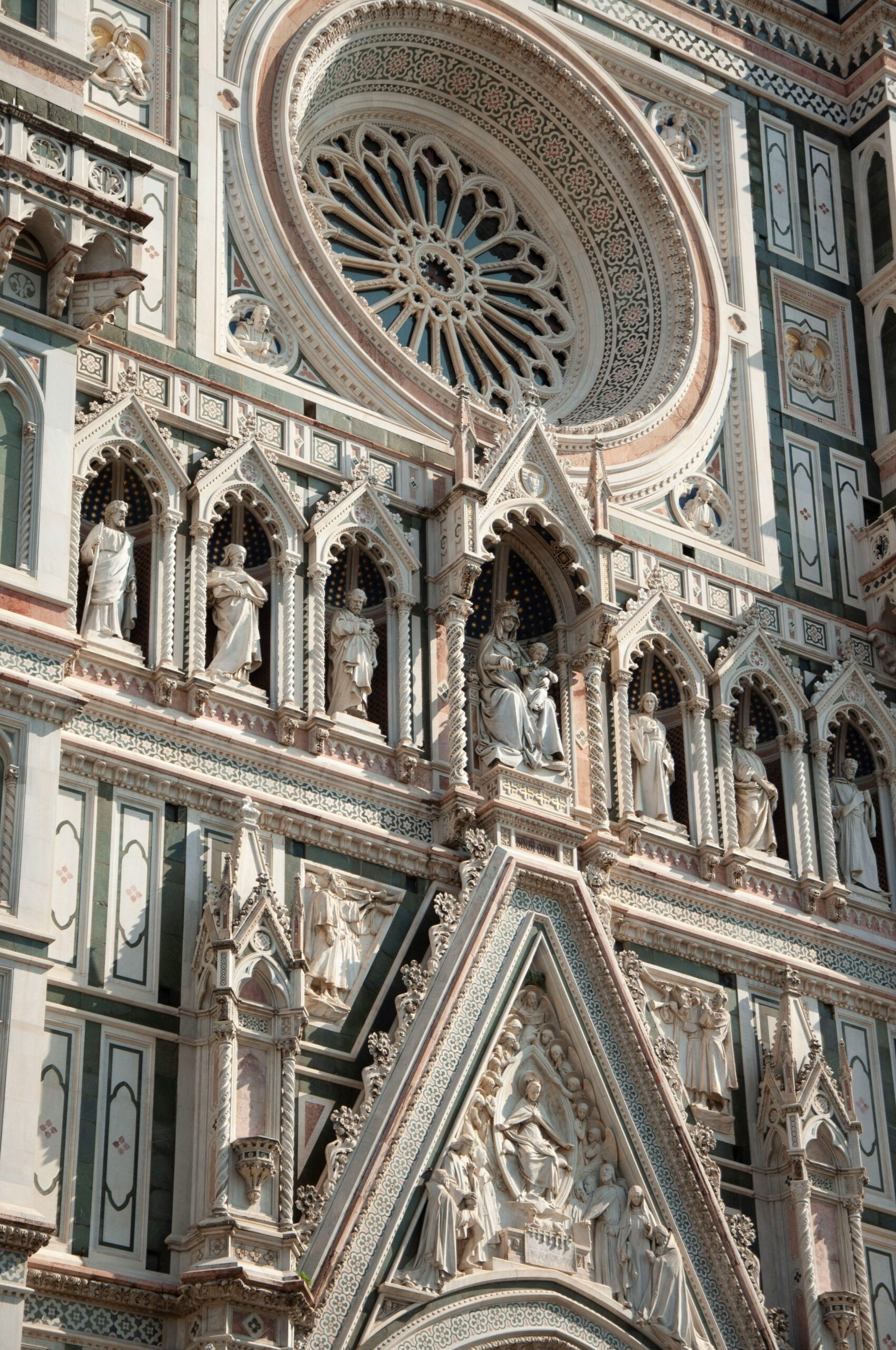
What makes it especially compelling is the tension between exterior and interior. Outside, you get richly patterned marble, sculptural detail, and one of the world’s most famous domes. Inside, the atmosphere shifts. The nave feels broader, quieter, and more severe than first-time visitors often expect. That contrast gives the site depth. It is not trying to impress in only one way.
For Trip Nexus readers planning a broader Italy route, Florence Cathedral also works well as a pivot point between other high-impact cultural sites. You can pair this Renaissance centerpiece mentally and structurally with Venice landmarks like Rialto Bridge and the Bridge of Sighs, or contrast it with the mountain drama of the Dolomites Tre Cime. Florence Cathedral belongs to that top tier of places that shape how travelers remember Italy.
What It Feels Like to Arrive at the Duomo
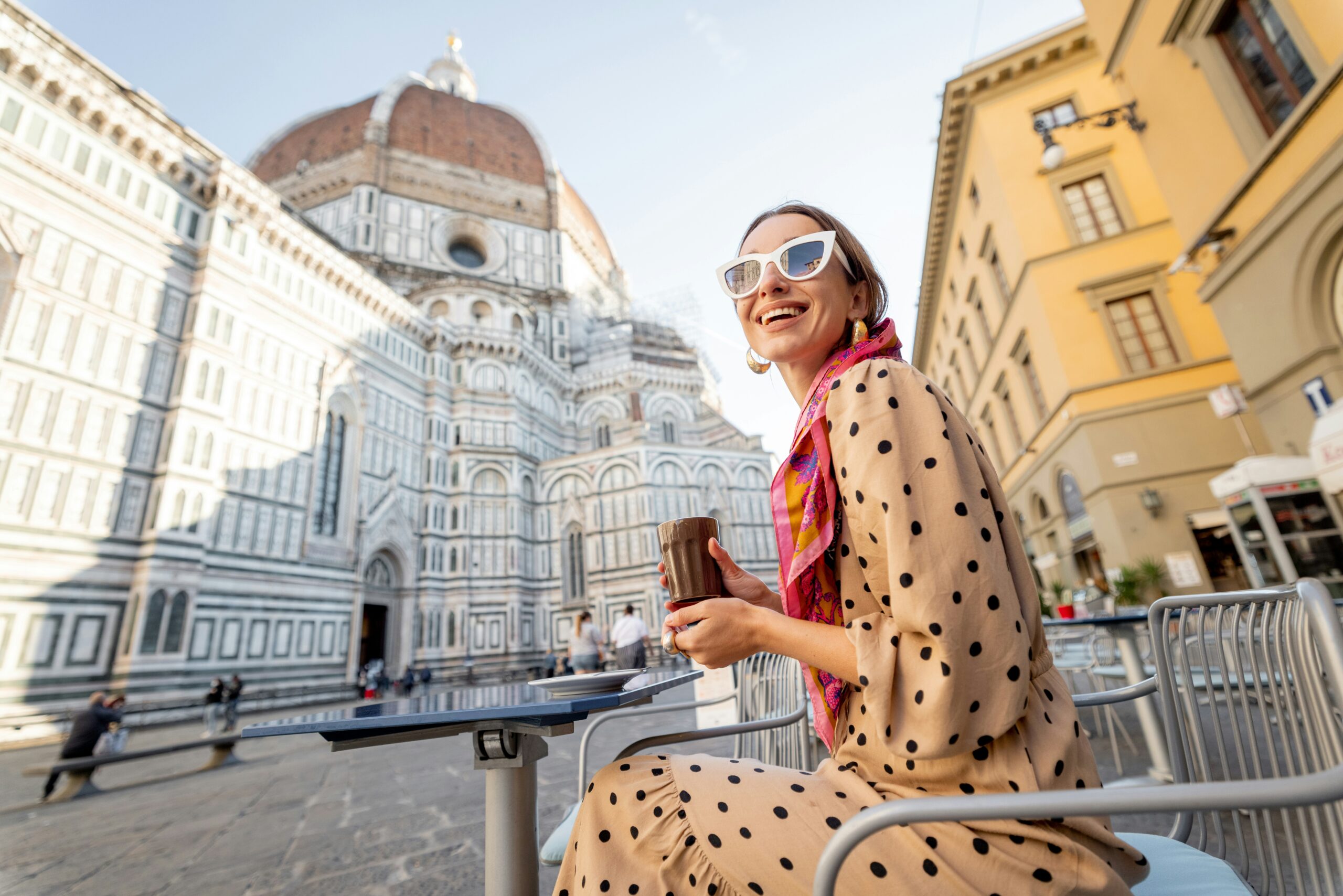
The first experience is not entering the cathedral. It is emerging into Piazza del Duomo and realizing how close everything is packed together. The façade, Giotto’s Bell Tower, the Baptistery, the crowds, the camera angles, the tour groups, the sudden verticality of the dome overhead — it all lands at once.
I think this is one of the easiest places in Florence to underestimate before you arrive. On a screen, it can look familiar. In person, the marble reads more like skin than stone, and the dome has a gravity that changes the whole square. You end up looking up more than you expected.
One honest note: if you visit at midday in peak season, the piazza can feel hectic. That does not ruin the experience, but it changes the rhythm. Early morning or late afternoon makes the whole complex feel more coherent and less like a crowd-control exercise.
History and Cultural Context
Florence Cathedral is dedicated to Santa Maria del Fiore and has long functioned as both a religious and civic symbol. The building project stretched across centuries, which helps explain why the site feels like a layered conversation between Gothic ambition, Renaissance innovation, and later artistic completion rather than a single unified moment.
Brunelleschi’s dome remains the defining engineering story here. Even travelers with only casual interest in architecture usually know that the dome matters, but standing beneath it or climbing inside it makes that story feel much less abstract. The structure is not just famous because it is large. It is famous because it altered what builders believed was possible.
The official cultural and tourism materials also frame the cathedral complex not as a single building, but as a networked monumental area: cathedral, dome, bell tower, baptistery, museum, and Santa Reparata. That is exactly how you should think about it when planning your visit. It is a compact historic ecosystem, not one attraction with a doorway and a gift shop.
Highlights You Should Not Miss
- Brunelleschi’s Dome: The signature experience and still the best way to understand the cathedral’s engineering legend.
- Giotto’s Bell Tower: A separate vertical experience with a different perspective over Florence.
- The Baptistery: Visually and historically essential to understanding the square as a whole.
- Opera del Duomo Museum: The place that turns a famous sight into a much richer cultural visit.
- Santa Reparata: The archaeological layer beneath the cathedral that gives the site more chronological depth.
- The façade and piazza light: Not a formal “ticketed” highlight, but genuinely one of the great visual experiences in the city.
Key Visitor Information
| Official name | Cathedral of Santa Maria del Fiore / Florence Cathedral / Duomo di Firenze |
|---|---|
| Location | Piazza del Duomo, Florence, Italy |
| Cathedral interior | Free entry for the cathedral itself, with appropriate attire required |
| Pass system | Brunelleschi, Giotto, and Ghiberti passes are used for the broader monument complex |
| Brunelleschi Pass | Valid for 3 calendar days from the selected date, with timed entry required for the dome climb |
| Dome climb | 463 steps, no lift |
| Bell tower climb | 414 steps, no lift |
| Accessibility note | Mobility-impaired access to the cathedral is available through Porta dei Canonici on the right side |
| Best planning advice | Check the official timetable before your visit because hours vary by monument and by liturgical schedule |
Immersive Cultural Experience
The best way to experience Florence Cathedral is not to isolate the main nave and leave. The site rewards layered attention. Go inside the cathedral, but also think about the dome as an engineering body, the Baptistery as a ritual and artistic anchor, the museum as a key interpretive space, and the square itself as a civic theater.
If you attend during a quieter hour, the atmosphere changes substantially. The cathedral is still a living religious space, and that matters. It is not only a museum shell around great architecture. You can feel the difference in tone the moment people stop treating it purely as a sightseeing box to tick.
For travelers who care about art history, this is also one of the most efficient places in Florence to feel the transition from medieval visual culture into Renaissance confidence. For travelers who care less about history and more about emotion, the reward is simpler: scale, light, and the strange calm that large sacred interiors sometimes create.
Seasonal Events and Living Tradition
One reason the Duomo never feels like a frozen monument is that it still sits inside Florence’s annual ritual life. The most famous example is the Easter tradition of Scoppio del Carro, the “Explosion of the Cart,” which unfolds in direct relation to the cathedral and remains one of the city’s best-known ceremonial events.
That matters because it reminds you that the Duomo is not only historically important. It is still socially meaningful. The cathedral remains woven into civic identity, religious observance, and tourist memory all at once. In a city where many landmarks are heavily aestheticized, the Duomo still feels active.
How to Visit Smartly
If your priority is the dome, build the rest of your day around that timed entry rather than arriving and improvising. The dome is the bottleneck experience, and it sets the structure for everything else. The rest of the pass-based monuments are easier to slot around it.
I would personally choose one of two strategies. Either do the Duomo complex first thing in the morning and protect your energy before the city gets hotter and denser, or return later in the day when the piazza becomes more photogenic and the façade light improves. Midday is workable, but rarely ideal.
Also, do not underestimate the physical nature of the visit if you plan both the dome and the bell tower. On paper, they look like similar viewpoint experiences. In practice, doing both on the same day can feel more tiring than expected, especially in warm months.
How to Get There
Florence Cathedral is in the historic center and is usually reached on foot. From Santa Maria Novella station, the walk is straightforward and pleasant, which is one more reason Florence works so well as a walking city. Local buses can bring you toward the center, but once you are inside the old core, walking is almost always the easiest option.
If you are arriving by car, the usual challenge is not distance but restricted traffic and parking logic. Florence is much more rewarding when treated as a pedestrian city rather than a drive-in city center destination.
For broader Italy planning, it is worth keeping your mobile setup simple before arrival. A reliable data plan can make train coordination, maps, museum timing, and restaurant pivots far less annoying, so tools like an international eSIM guide are genuinely useful.
Nearby Attractions and Easy Pairings
Giotto’s Bell Tower: The obvious pairing and often the best second vertical experience if you still have energy.
Baptistery of San Giovanni: Essential if you want the square to make full historical and artistic sense.
Opera del Duomo Museum: The best “make this visit deeper” move you can make.
Santa Croce Basilica: If you want another major Florentine church with a different atmosphere, this is a strong next step. See Santa Croce Basilica Florence Guide.
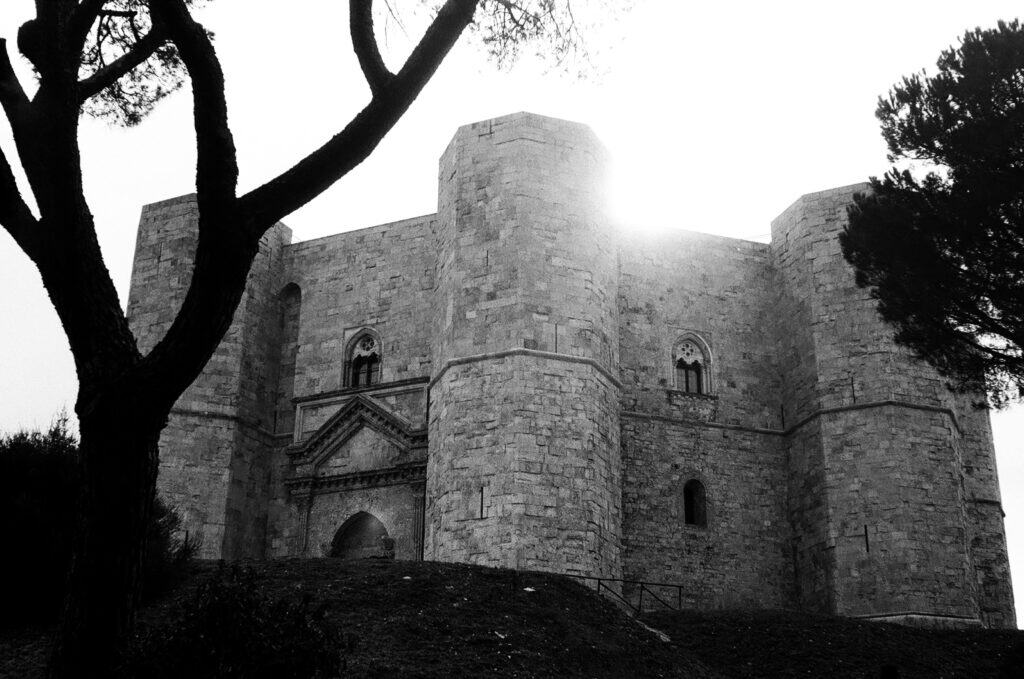
If you are building a larger cultural itinerary, the Duomo also pairs nicely in theme with Castel del Monte for architecture lovers or Catania Piazza Duomo if you want another Italian “duomo-centered” urban experience with a completely different mood.
Florence Cathedral vs Giotto’s Bell Tower
| Factor | Florence Cathedral / Dome | Giotto’s Bell Tower |
|---|---|---|
| Main appeal | Iconic dome, interior, engineering legacy | Excellent elevated city views and exterior appreciation |
| Physical effort | Higher for the dome climb | Still physical, but different rhythm |
| Best for | First-time visitors who want the defining Florence experience | Travelers who want a viewpoint with a cleaner visual read of the dome itself |
| Priority | Usually first priority | Strong add-on if time and energy allow |
Who Should Visit
- First-time Florence visitors who want the city’s most defining landmark
- Travelers interested in Renaissance architecture and engineering
- Art-focused visitors building a museum-and-monument itinerary
- Photographers who care about urban texture, marble color, and skyline structure
- Anyone who wants one major Florence experience that reliably feels iconic in person
FAQ
Is Florence Cathedral free to enter?
Yes, the cathedral interior itself is free, but the larger monument complex uses paid passes for areas such as the dome, bell tower, museum, baptistery, and Santa Reparata.
Do I need to book the dome climb in advance?
Yes. The dome visit is the most structured part of the complex and is tied to timed entry, so booking ahead is the safest approach.
How many steps are there to the top of the dome?
The dome climb involves 463 steps and there is no lift.
Is the bell tower easier than the dome?
Not exactly easy, but it is a different climb. Giotto’s Bell Tower has 414 steps and no lift.
What should I wear to Florence Cathedral?
Dress respectfully. Appropriate attire is required because the cathedral is an active place of worship.
Is Florence Cathedral wheelchair accessible?
The cathedral provides access for people with mobility impairments through Porta dei Canonici on the right side, but the climbs are not accessible.
How long should I allow for the full Duomo complex?
If you want the cathedral, dome, museum, and surrounding monuments without rushing, half a day is realistic. A shallow visit is possible in less, but it feels incomplete.
Is Florence Cathedral worth it even if I do not climb?
Yes. The piazza, façade, interior, and broader complex still make it one of Florence’s essential experiences even without the dome climb.
Internal Links You May Also Like
Official Links
Google Map
Final Thoughts
Florence Cathedral succeeds because it is not only beautiful. It is loaded. It carries artistic ambition, urban symbolism, structural innovation, religious continuity, and the entire weight of Florence’s self-image. That could make it feel overly famous and a little sterile. In reality, it still feels alive.
I would absolutely rank it as a must-visit, but with one condition: do it intentionally. Do not sprint in, take one upward photo, and leave saying you “saw the Duomo.” Give it time, let the piazza settle around you, and treat the complex as a sequence rather than a single object.
When a landmark is this famous, the real question is not whether it is good. The real question is whether it still feels powerful after all the hype. Florence Cathedral does.