Baths of Caracalla Rome Guide: Tickets, Hours, What to See, and Why It’s Different
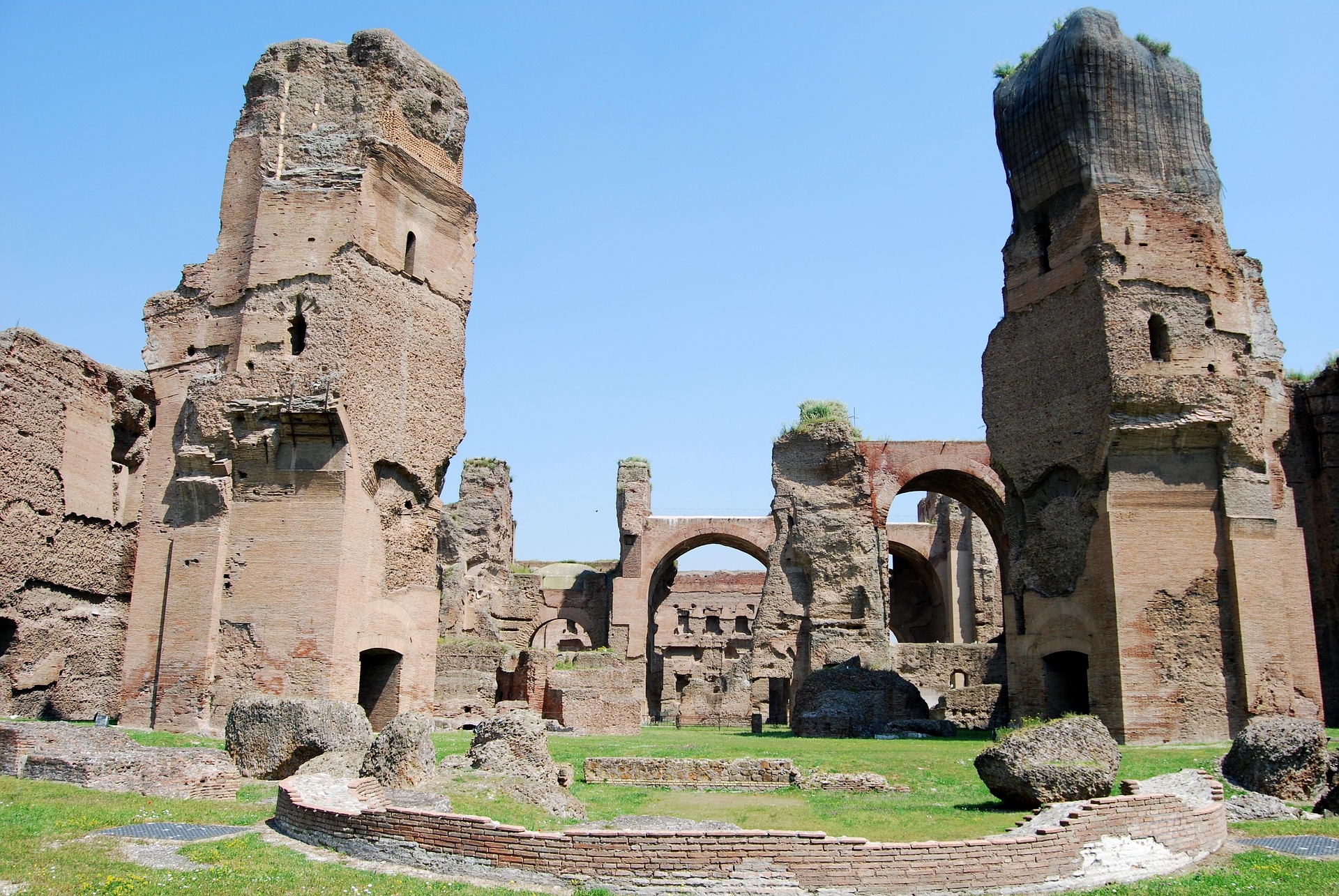
Baths of Caracalla is one of those Roman sites that quietly overwhelms you. It is not flashy in the way the Colosseum is flashy, and it does not hit you with the same crowded urgency as the Roman Forum. Instead, it rises slowly around you—brick walls, giant arches, weathered corridors, open sky—and then you suddenly realize you are standing inside one of the most ambitious public spaces of the ancient world.
Built in the early 3rd century under Emperor Caracalla, the complex was not just a place to bathe. It was a social machine: exercise, conversation, study, ritual, engineering, decoration, and civic life all layered into one vast urban experience. Today, that scale still survives. And that is exactly why this site feels different from many ruins in Rome.
Search Intent
This guide is for travelers who want a practical but immersive answer to whether the Baths of Caracalla is worth visiting, how much time to plan, what the ruins actually feel like on site, how to get there, and how to fit it into a smart Rome itinerary without wasting half a day.
Quick Summary
- The Baths of Caracalla is one of the largest and best-preserved imperial bath complexes in Rome.
- It feels more spacious and less claustrophobic than Rome’s busiest headline attractions.
- Come for giant architecture, ancient engineering, and a rare sense of scale that photos never fully capture.
- It works especially well for travelers who enjoy ruins, slower walks, and less crowded historical sites.
- Plan roughly 1.5 to 2.5 hours, wear comfortable shoes, and combine it with Circo Massimo or the Aventine area.
Why Visit Baths of Caracalla
Rome has no shortage of ancient ruins, which is exactly why the Baths of Caracalla surprises people. On paper, it can sound like “just another archaeological site.” In person, it feels far bigger, quieter, and more atmospheric than many first-time visitors expect.
What makes it memorable is not only its age, but its urban ambition. These baths were built between AD 212 and 216 and formed one of the grand public complexes of imperial Rome. This was not a niche luxury corner for elites. It was a monumental public environment designed around movement, water, leisure, exercise, study, and social life. When you walk through the surviving spaces, you are not just looking at ruins. You are reading the outline of a civilization that invested astonishing resources into shared public experience.
I also think the site benefits from what it does not feel like. It does not usually come with the same crush of tour groups you get at the Colosseum. You can pause, look up, slow down, and actually hear yourself think. That space changes the emotional rhythm of a Rome trip in a very good way.
What It Feels Like to Walk Inside
The first feeling is scale. The second is air.
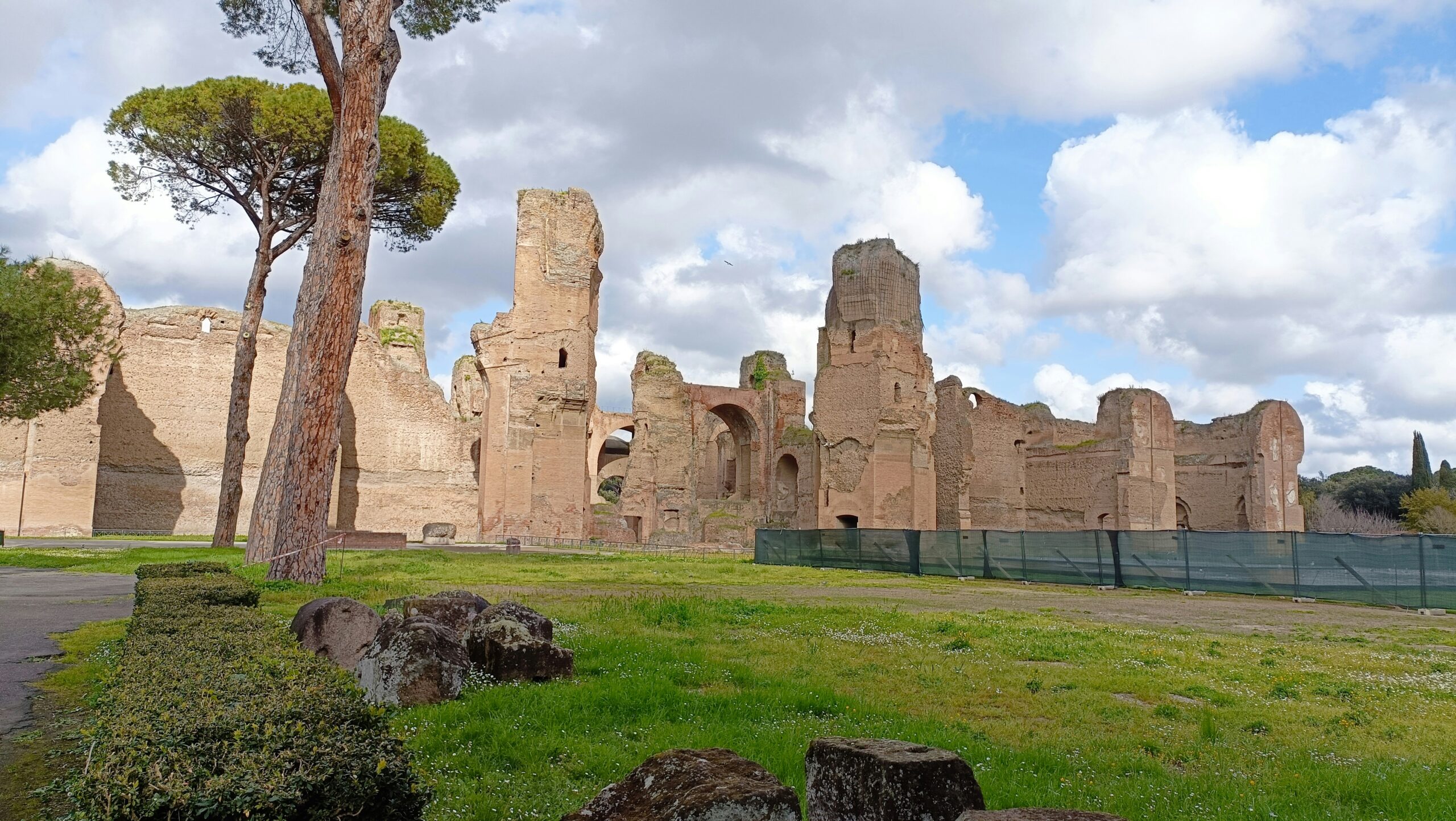
Many Roman sites feel dense, layered, and crowded with visual information. The Baths of Caracalla feels broader. The walls rise high enough to make you instinctively tilt your head back. Large voids, fractured vaults, and long sightlines create an almost theatrical openness. Sunlight moves through the structure in a way that makes the ruins feel less like dead remains and more like a stage set left behind by history.
What stayed with me most the first time I studied the site was how physical it feels. This is not a “look for five minutes and move on” destination. You walk through it. You measure it with your body. You notice the distances between chambers, the width of passageways, the remaining floor patterns, and the way sound changes in different spaces. That bodily experience makes the engineering feel real.
And honestly, there is something emotionally strange—in a good way—about seeing a place this enormous still partly standing after so many centuries. It makes modern buildings feel oddly temporary.
History and Cultural Context
The Baths of Caracalla, or Thermae Antoninianae, were commissioned by Emperor Caracalla and completed in the early 3rd century. They rank among the largest and best-preserved thermal complexes from antiquity. Ancient Roman baths were not merely about washing. They were hybrid civic institutions where exercise, conversation, reading, strolling, and body care all came together.
The surviving layout still tells that story. The complex included the classic sequence of major bath spaces—calidarium, tepidarium, frigidarium, and natatio—plus side areas, gardens, service zones, and underground technical infrastructure. Even centuries later, that planning remains legible enough that the site does not feel abstract. You can still sense the intended flow of people and activity.
One of the most fascinating details is below ground. The subterranean network served as the operational heart of the baths, housing furnaces, boilers, service galleries, and the large Mithraeum associated with eastern cult practices connected to the Severan period. That hidden infrastructure makes the complex feel even more impressive because the visible monument was only half the machine.
Highlights You Should Not Miss
- The monumental central halls: these are where the scale truly hits.
- Surviving mosaics and floor fragments: they hint at the original decorative richness without needing much imagination.
- The natatio area: the open-air pool section helps you understand how public and social the baths really were.
- The underground story: even if access varies by event or special route, knowing it exists changes how you read the complex above ground.
- The cultural afterlife of the site: the baths are not frozen in the past; summer performances still reactivate them as a living Roman venue.
Insider note:
Key Visitor Information
| Item | Details |
|---|---|
| Location | Viale delle Terme di Caracalla, 52, Rome |
| Typical Opening Pattern | Tuesday to Sunday, closed Monday; seasonal closing times vary |
| Standard Ticket | €8 full / €2 reduced for 18–25 under current Ministry pricing |
| Best Visit Length | 1.5 to 2.5 hours |
| Nearest Metro | Circo Massimo (Line B), then walk |
| Why It Stands Out | Massive preserved scale, engineering story, calmer atmosphere |
Immersive Cultural Experience
One reason the Baths of Caracalla feels unusually alive is that it never fully stopped being a gathering place. In the warmer months, the site is tied to Rome’s summer performance tradition through the Caracalla Festival and related opera programming, which gives the ruins a second identity after dark. That continuity matters. Ancient Romans used this complex as a place of communal life, and modern Rome still returns here for collective cultural experience.
I love that detail because it prevents the site from feeling purely museum-like. Some ruins are important but emotionally sealed off. Caracalla is different. Even in daylight, you can sense how performance belongs here. The giant walls, the open sky, the echo, the drama of the surviving architecture—it all makes intuitive sense as a venue.
If your timing works, pairing a daytime visit with nearby evening plans is one of the smartest ways to make this part of Rome feel complete rather than incidental.
Travel Tips That Actually Help
Tip #1:
Tip #2:
Tip #3:
My honest mistake on large Roman archaeological sites is always the same: I think I will “just stop by for a bit,” and then the size slows me down. Caracalla is exactly that kind of place. Do not squeeze it into a rushed twenty-minute gap.
How to Visit Baths of Caracalla Smartly
- Start with realistic timing. Give yourself at least 90 minutes, ideally closer to 2 hours.
- Arrive by Metro B to Circo Massimo if you want a simple public-transport approach and do the final stretch on foot.
- Buy tickets through official channels rather than assuming on-the-spot planning is always best.
- Read the spaces in sequence. Do not only photograph the biggest walls—pay attention to circulation and bath-room logic.
- Pair it with nearby Rome. Aventine Hill, Circo Massimo, and a slower southern-center walk make natural companions.
- Leave mental room. This site works best when you are not speed-running Rome.
Nearby Attractions and Local Rhythm
The Baths of Caracalla sits in a very useful part of Rome for travelers who like combining major history with a slower neighborhood feel. Circo Massimo is close, and the Aventine side of the city gives you a gentler Roman rhythm than the nonstop crush around some central landmarks. This makes the area ideal if you want a day that feels historical without becoming exhausting.
Food-wise, this is not the kind of attraction where you must obsess over one famous restaurant before arrival. What matters more is pacing: visit the baths, walk a bit, then settle into a relaxed Roman lunch or early dinner instead of rushing straight to the next monument. Caracalla rewards that kind of day.
Baths of Caracalla vs Colosseum: What Feels Different?
| Factor | Baths of Caracalla | Colosseum Area |
|---|---|---|
| Atmosphere | More spacious and reflective | More iconic and more crowded |
| Best for | Travelers who enjoy architectural scale and quieter ruins | First-time headline sightseeing |
| Pace | Slower, easier to absorb | More intense and itinerary-driven |
| Emotional feel | Unexpectedly immersive | Immediately dramatic |
Who Should Visit Baths of Caracalla
This site is especially good for travelers who already know Rome’s obvious icons and want something deeper, or first-time visitors who do not want every historic stop to feel like a crowd-management exercise.
You will probably love it if you enjoy:
- Ancient engineering and architecture
- Open archaeological sites with room to breathe
- Places that reward slower attention
- Rome beyond the absolute cliché circuit
- Historical sites that still connect to modern culture
If you only want checklist sightseeing and the most famous postcard stops, it may feel secondary. But if you care about how a city once functioned—not just what it looked like—Caracalla becomes one of Rome’s smartest visits.
FAQ
Is Baths of Caracalla worth visiting in Rome?
Yes, especially if you want a major Roman ruin with more space, less pressure, and a stronger sense of monumental scale than many visitors expect.
How long do you need at the Baths of Caracalla?
Most travelers should plan 1.5 to 2.5 hours. History lovers can easily spend longer.
What is special about the Baths of Caracalla?
Its vast preserved scale, visible bath layout, technical underground story, and continued cultural use make it one of Rome’s most distinctive ancient sites.
Is it less crowded than the Colosseum?
Usually yes, which is one of the biggest reasons many travelers end up loving it.
Can you reach the Baths of Caracalla by metro?
Yes. Circo Massimo on Metro Line B is the standard nearby stop, followed by a walk.
Does the site still host performances?
Yes, the area is associated with summer cultural programming and Caracalla Festival performances, which reinforce its role as a gathering space even today.
Related Europe Guides
Official and Authoritative Sources
Google Map
Final Verdict
The Baths of Caracalla is not just worth visiting—it is one of the smartest “second-layer Rome” choices you can make, even on a first trip. It gives you imperial scale without the same level of tourist pressure, and it tells a broader story about Roman life than many people expect from a bath complex.
If you want a Rome experience that feels grand but less frantic, historical but still alive, this is an excellent pick. And if you are the kind of traveler who likes walking through places rather than only photographing them, the Baths of Caracalla has a way of lingering in your memory longer than louder attractions do.
In a city full of ancient wonders, this is one of the places where Roman ambition still feels physically measurable.