Basilica di San Nicola Bari Guide: Why This Is the Most Important Stop in Bari Old Town
Basilica di San Nicola Bari is one of the most meaningful places to visit in southern Italy, not only because it is beautiful, but because it still feels spiritually alive. Standing in the heart of Bari Vecchia, this Romanesque basilica is where history, pilgrimage, architecture, and local identity meet in a way that feels surprisingly powerful even if you are not especially religious.
Walking through the tangled lanes of Bari’s old town, I think this is one of those rare places that reveals itself at exactly the right pace. You move past laundry lines, stone walls, tiny shrines, and quiet corners, and then the basilica suddenly opens up in front of you with a facade that feels solid, calm, and centuries old. It does not try to overwhelm you with ornament. Instead, it carries authority through simplicity.
The church is famous for housing the relics of Saint Nicholas of Myra, the saint whose legacy later shaped the figure of Santa Claus. But the deeper reason people remember this basilica is the atmosphere. It is still a major pilgrimage destination, still closely tied to Bari’s identity, and still respected by both Roman Catholic and Eastern Orthodox believers. That rare East-West spiritual connection gives the basilica a distinct identity you can feel as soon as you step inside.
Search Intent
Travelers searching for Basilica di San Nicola Bari usually want to know:
- Why is Basilica di San Nicola in Bari so famous?
- What can visitors actually see inside the church and crypt?
- Where are the relics of Saint Nicholas kept?
- When is the best time to visit for a quieter experience?
- How does this basilica compare with other famous churches in Italy?
Quick Summary
- 📍 Location: Largo Abate Elia, Bari Vecchia, Bari, Apulia, Italy
- ⛪ Core Significance: Home of the relics of Saint Nicholas
- 🏛 Style: Romanesque with strong Norman character
- ✨ Main Highlight: The crypt and tomb of Saint Nicholas
- 🎉 Best Seasonal Moment: Festa di San Nicola, held every year from May 7 to May 9
Why Visit Basilica di San Nicola Bari
Basilica di San Nicola Bari is one of the most important pilgrimage destinations in Italy, but it also works beautifully as a cultural stop for ordinary travelers. The basilica was built after the relics of Saint Nicholas were brought to Bari in 1087, and that event completely changed the city’s religious importance.
What makes this church special is that its appeal works on several levels at once. Some visitors come because they are interested in medieval architecture. Others come because Saint Nicholas is one of the most globally recognized Christian figures. Many arrive simply because Bari Old Town is beautiful and this basilica is its symbolic center. The site rewards all three kinds of visitors.
I also think it is one of the easiest major religious landmarks in Italy to appreciate quickly. Some churches demand long historical preparation before they feel meaningful. Here, the emotional clarity is immediate. The stone, the crypt, the pilgrims, the silence, and the old-city setting all work together.
Even if your itinerary in Bari is short, this is not the place I would skip. It is the stop that explains why Bari is more than a port city and more than a convenient base for Puglia.
What It Feels Like Inside the Basilica
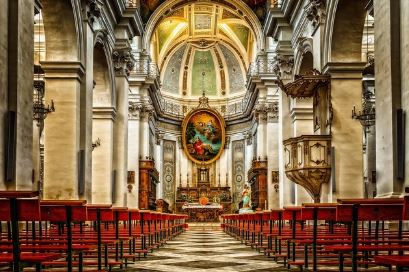
Entering the basilica feels like stepping into a calmer century. The interior is more restrained than many richly decorated churches elsewhere in Italy, and that restraint is exactly what gives it weight. Wide arches, thick columns, and sober stone surfaces create a space that feels grounded rather than theatrical.
The main nave has an austere beauty. Light enters softly rather than dramatically, and the eye is gradually pulled toward the altar and then downward toward the crypt. That descent matters. The lower level changes the emotional tone of the visit. It feels more intimate, more devotional, and more closely connected to the reason pilgrims travel here in the first place.
When I imagine the strongest version of this visit, it is not noon with a crowd and phones everywhere. It is early morning, when footsteps echo lightly and the church still feels half-awake. That is usually when the basilica seems most memorable.
One of the most unusual features is the continuing devotion around the saint’s tomb and the tradition connected with the so-called “manna” of Saint Nicholas, a liquid associated with the relics in local religious tradition. Whether you approach that practice with faith, curiosity, or historical interest, it adds another layer to the experience.
Why This Basilica Matters in Bari’s History
The story of the basilica begins with the arrival of Saint Nicholas’s relics in Bari in 1087. Their arrival transformed Bari into a major religious center and connected the city to wider Christian pilgrimage networks across Europe and the Mediterranean.
That historical moment mattered beyond religion. It increased Bari’s prestige, shaped its identity, and helped establish the city as a place where maritime routes, devotion, and politics intersected. Saint Nicholas was already deeply revered in both East and West, so the relics made Bari relevant to a much broader world.
The basilica’s importance also lies in its ecumenical symbolism. It has long been associated with dialogue and shared reverence between Roman Catholic and Eastern Orthodox traditions. That is not just an abstract talking point. It changes the feeling of the place. You are not standing in a church that belongs only to one local story. You are standing in a space that has attracted international devotion for centuries.
If you enjoy places where architecture and history are inseparable, this church delivers more than a simple sightseeing stop. It helps explain Bari itself.
Highlights You Should Not Miss
- The Romanesque facade: Its massive, sober look is one of the clearest visual signatures of the basilica.
- The crypt: This is the emotional center of the visit and the place where Saint Nicholas’s tomb is located.
- The sense of pilgrimage: Unlike many historic churches that feel purely touristic, this one still feels actively devotional.
- The East-West spiritual identity: The basilica is widely recognized as a symbolic meeting point between Catholic and Orthodox traditions.
- The setting in Bari Vecchia: The approach through the old town is part of the experience, not just the route to the entrance.
One small thing I would add: do not rush straight out after seeing the crypt. Pause in the piazza outside. The contrast between the hush of the interior and the life of the surrounding old town is part of what makes the visit stick in memory.
Key Visitor Information
| Category | Details |
|---|---|
| Location | Largo Abate Elia, Bari Vecchia, Bari, Apulia, Italy |
| Foundation Period | Late 11th century, after the arrival of Saint Nicholas’s relics in 1087 |
| Architectural Style | Romanesque / Norman-influenced |
| Main Attraction | Crypt and tomb of Saint Nicholas |
| Typical Visit Time | 30 to 60 minutes, longer if attending Mass or exploring Bari Vecchia slowly |
| Entry | Generally free to enter; always check the official site for current liturgical schedules and any special access notes |
If your travel style is fast and checklist-based, this church can feel shorter than expected. I would deliberately slow down here. The biggest mistake is treating it like a quick photo stop instead of letting the old town approach and the crypt visit work together as one experience.
Visit early in the morning if possible. The official site lists broad opening hours, but the quietest atmosphere is usually early in the day, before Bari Vecchia becomes busier and before the square fills with more visitors.
The basilica is an active place of worship, not only a monument. Dress modestly, speak quietly, avoid flash photography, and be especially respectful in the crypt where many pilgrims are praying.
How to Visit Basilica di San Nicola Bari Smoothly
- Enter Bari Vecchia on foot: Walking is the best way to feel the transition from modern Bari into the old town.
- Approach through the smaller lanes if you have time: The reveal of the church feels more dramatic this way.
- Spend time in the main nave first: Do not rush directly downstairs.
- Visit the crypt respectfully: This is the heart of the basilica and the part most visitors remember.
- Check official schedules if you want a service: Mass times and liturgical rhythms can shape the experience very differently.
- Pair it with nearby old-town landmarks: The basilica works best as part of a half-day Bari Vecchia walk.
From Bari Centrale station, the basilica is reachable on foot, though it is a more pleasant walk if you are already exploring the old town rather than heading directly there in a hurry. The official basilica site also notes that it is about five minutes from the maritime port and around fifteen minutes from the railway station.
Basilica di San Nicola vs Bari Cathedral
| Point of Comparison | Basilica di San Nicola | Bari Cathedral |
|---|---|---|
| Main Identity | International pilgrimage basilica tied to Saint Nicholas | Historic cathedral with strong local and architectural appeal |
| Atmosphere | More devotional and globally symbolic | Often calmer and less central to most visitors |
| Best For | First-time visitors, pilgrims, Saint Nicholas history | Travelers exploring Bari beyond the headline landmark |
If you only have time for one, I would choose Basilica di San Nicola Bari. If you have more time, pairing both gives a fuller sense of Bari’s Romanesque identity.
Nearby Attractions
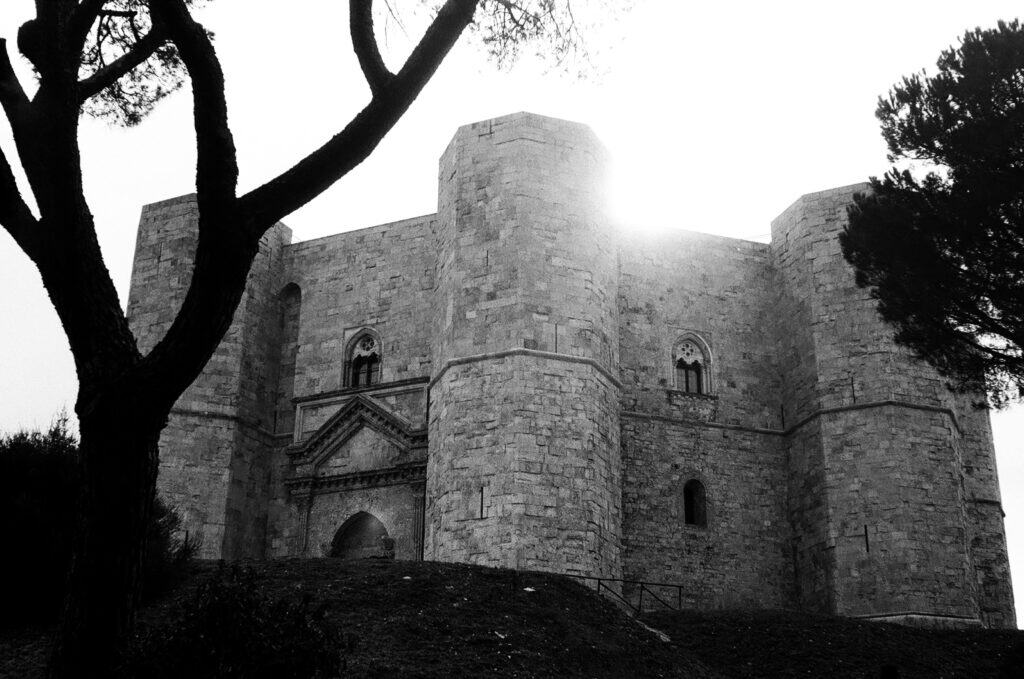
- Castello Svevo di Bari: A striking fortress that adds a military and political layer to the old town story.
- Bari Cathedral (Cattedrale di San Sabino): Another major Romanesque stop within easy walking distance.
- Bari Vecchia streets: The alleys themselves are part of the attraction, especially for slow wandering.
- Traditional pasta-making lanes: One of the most photographed everyday scenes in Bari Old Town.
- Lungomare di Bari: A good contrast after the dense old-town streets and church interiors.
Who Should Visit
This basilica is an excellent stop for:
- Travelers interested in Romanesque architecture
- Pilgrims and visitors drawn to Saint Nicholas
- People exploring Bari for the first time
- Visitors who enjoy places with real spiritual atmosphere
- Photographers who prefer texture, stone, and historic urban settings
It may feel less rewarding only if you dislike churches entirely or want attractions built around entertainment rather than history. Even then, the old-town setting alone gives the visit real value.
Related Travel Guides
Official Resources
FAQ
Why is Basilica di San Nicola Bari famous?
It is famous for housing the relics of Saint Nicholas and for being one of the most important pilgrimage sites in southern Italy.
Where is the tomb of Saint Nicholas?
The tomb is located in the crypt beneath the basilica, which is the main spiritual focus for many visitors and pilgrims.
Is Basilica di San Nicola free to visit?
Entry is generally free, but it is wise to check the official site for up-to-date liturgical schedules, special events, and any access guidance.
What is the Festa di San Nicola?
It is Bari’s major annual celebration of Saint Nicholas, usually held from May 7 to May 9, commemorating the arrival of his relics in Bari in 1087.
How much time do you need for a visit?
Most travelers spend 30 to 60 minutes inside the basilica, but you may want more time if you also explore the crypt slowly or attend a service.
When is the best time to visit Basilica di San Nicola Bari?
Early morning is usually best for a quieter, more atmospheric experience. Visiting outside peak midday hours also makes the old town walk more enjoyable.
Google Map
Final Thoughts
Basilica di San Nicola Bari is much more than a historic church. It is one of those rare landmarks where architecture, faith, memory, and city identity still feel tightly connected. That is why the visit stays with people.
If you come only for the photos, you will still get a beautiful Romanesque monument. But if you slow down and experience the crypt, the old-town approach, and the living devotional atmosphere, the basilica becomes something deeper than a sightseeing stop.
For anyone exploring Bari, I would place this near the top of the itinerary. It is the sacred heart of the city, and in many ways, the place that explains Bari best.