Saint-Jean-de-Luz Beach Guide: Best Time to Visit, What to Expect, and Travel Tips
Saint-Jean-de-Luz Beach is one of those rare urban beaches that feels both lively and protected at the same time. You get the energy of a real town, the visual warmth of the Basque coast, and a bay that softens the Atlantic into something calmer and more welcoming than many people expect.
In practical terms, this is one of the smartest beach stops in southwest France for travelers who want more than just sand. You get the sea, yes, but also a historic center, a fishing port, Basque food culture, elegant seafront architecture, and a rhythm that feels relaxed without ever becoming dull.
Search Intent
This guide is for travelers who want to know whether Saint-Jean-de-Luz Beach is worth visiting, when to go, what the beach is really like, how to get there, what makes it different from rougher Atlantic beaches, and how to combine it with the best cultural stops in town.
Quick Summary
- Saint-Jean-de-Luz Beach is a protected bay beach in the heart of town, officially known for calm, family-friendly swimming.
- It combines beach time with Basque culture, a fishing port, local markets, and an attractive historic center.
- The beach has seasonal lifeguard supervision, rentals, nearby cafés and restaurants, and accessibility features.
- It is easy to reach by train, car, or plane via the wider Basque Coast transport network.
- This is a beach destination that works best when you treat it as a full-town experience, not just a swim stop.
Why Visit Saint-Jean-de-Luz Beach
Saint-Jean-de-Luz Beach works because it solves a problem many Atlantic destinations do not solve so easily: it gives you seaside atmosphere without making the ocean feel intimidating. The bay is naturally more sheltered, and the official tourism information explicitly presents the main beach as ideal for family swimming, especially with young children. That already tells you a lot about the mood of the place. :contentReference[oaicite:1]{index=1}
But the bigger reason to come is the combination of sea and town. You are not stepping into an isolated resort strip. You are stepping into a Basque coastal town with a fishing identity, a walkable center, market culture, heritage houses, and an events calendar that keeps the destination feeling alive well beyond one perfect beach afternoon. :contentReference[oaicite:2]{index=2}
I think that is what makes Saint-Jean-de-Luz so appealing. It gives you softness without becoming sleepy. It gives you culture without becoming heavy. And it gives you the Atlantic without demanding that every visitor be a surfer.
What It Feels Like to Arrive
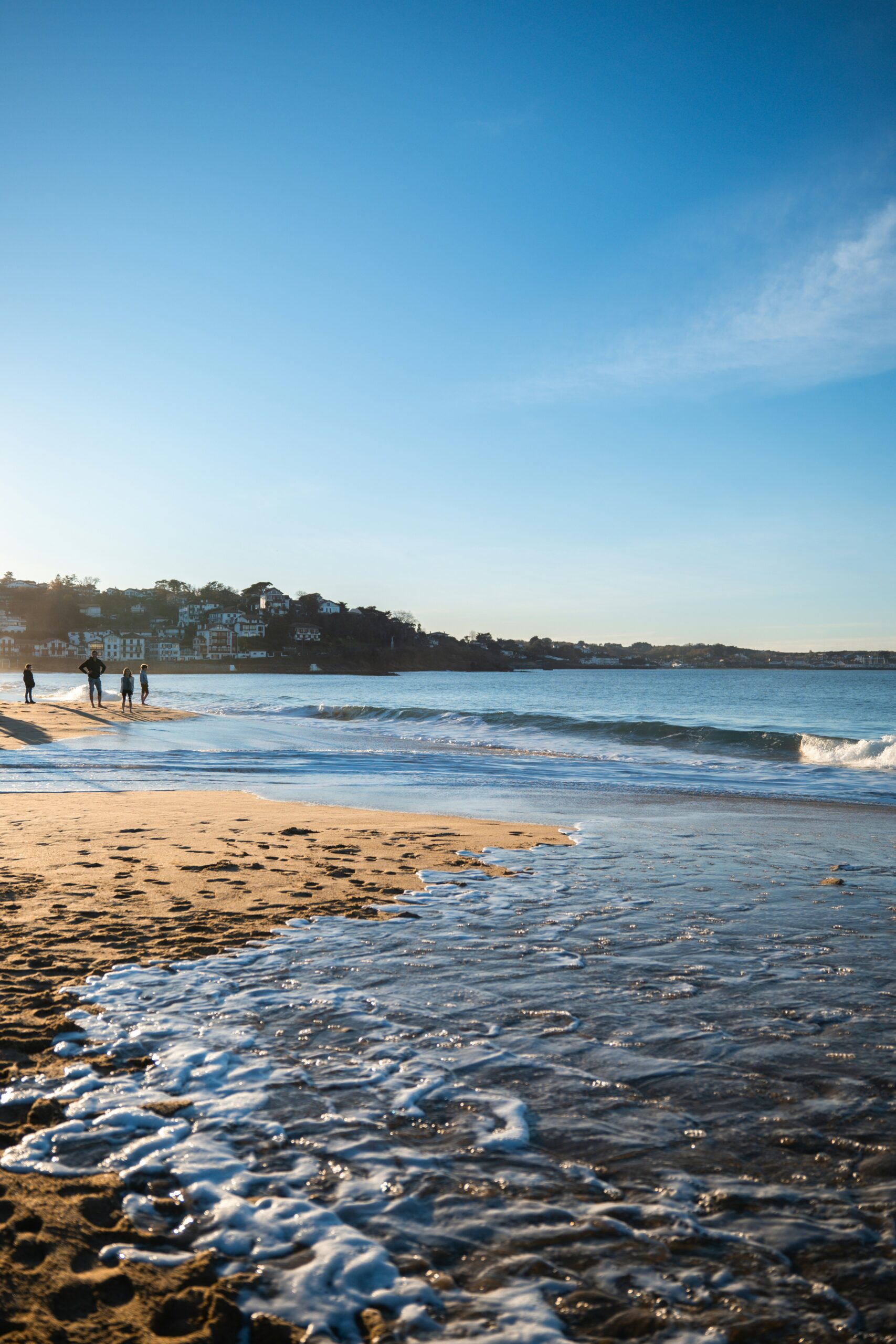
The first feeling is warmth. Not just from the sun, but from the shape of the bay and the color palette of the town. Saint-Jean-de-Luz has that very specific coastal glow where cream façades, red shutters, blue water, and soft sand all seem to belong to the same visual language.
What surprised me most about the place is how balanced it feels. Some city beaches are useful but forgettable. Some famous Atlantic beaches are dramatic but not especially restful. Saint-Jean-de-Luz sits in between. You can stroll the promenade, stop for coffee, watch families in the surf, glance toward the harbor, and feel that the day is working without effort.
One honest note: this is not the place for a “wild coast” fantasy. If you want raw ocean power, other Basque coastline spots may fit that image better. Saint-Jean-de-Luz Beach is gentler, more social, and more urban. That is not a weakness. It is exactly the point.
History and Cultural Context
Saint-Jean-de-Luz is not just a beach town. It is part of the French Basque coast, and that identity shapes the whole destination. The official tourism material presents the town as a place where protected beaches, gastronomy, heritage, shopping, and events all coexist. The historic center, port, and Basque way of life are not side details here. They are central to the experience. :contentReference[oaicite:3]{index=3}
The town also carries major historical associations, especially through Maison Louis XIV, the 17th-century ship-owner’s house where Louis XIV stayed in 1660 around the time of his marriage to the Spanish Infanta Marie Thérèse. That link gives Saint-Jean-de-Luz a surprisingly rich historical layer for a destination many travelers first approach as “just a beach break.” :contentReference[oaicite:4]{index=4}
I like that contrast. The beach may be the headline image, but the place has real historical weight under the surface, which makes even a casual stroll through town feel more textured.
Highlights You Should Not Miss
- The protected bay: this is what makes the main beach feel calmer and more family-friendly than rougher Atlantic stretches.
- The promenade and central setting: the beach sits right by shops, cafés, and restaurants, which makes the whole day easy to manage.
- The fishing port: an essential part of the town’s identity and one of the best ways to feel its maritime character.
- Les Halles and local food culture: the market scene helps turn the visit into a Basque lifestyle experience, not just a beach visit.
- Maison Louis XIV: a strong historical counterpoint to the beach atmosphere and one of the town’s standout heritage stops.
Insider note:
Key Visitor Information
| Item | Details |
|---|---|
| Location | Saint-Jean-de-Luz, Pyrénées-Atlantiques, French Basque Coast |
| Main Beach Type | Large sandy urban beach protected by the bay in the town center |
| Swimming Mood | Calmer, family-oriented, especially suitable for young children |
| Facilities | Beach clubs, rentals, water sports, nearby cafés and restaurants, public wifi near first aid/animation zones |
| Accessibility | Wheelchair-friendly promenade and beach access features are available |
| Best Visit Window | Late spring through early autumn for beach time; shoulder seasons for calmer town atmosphere |
Immersive Cultural Experience
One of the best reasons to come here is that the beach is not culturally isolated. The tourism office highlights Saint-Jean-de-Luz as a destination of gastronomy, heritage, shopping, and ocean-linked history, and you can feel that immediately once you move a few streets inland from the sand. :contentReference[oaicite:5]{index=5}
The fishing port is not decorative background. It is part of the town’s living identity. The historic center adds another layer, with Basque architecture and a slower urban rhythm than many bigger resort towns. Then there is the market culture, which gives the place real sensory depth: seafood, pastries, peppers, local produce, and that unmistakable French-Basque mix of elegance and appetite.
I think this is what makes Saint-Jean-de-Luz Beach feel more emotionally complete than a lot of pretty seaside spots. You are not just lying next to the sea. You are moving through a coastal culture that still feels grounded in itself.
Seasonal Events and Atmosphere
Saint-Jean-de-Luz has an active official events calendar, with major annual events and cultural programming running through the year. The official tourism site specifically highlights major events including the patronal Saint-Jean festivities at the end of June, the Andalusian Festival, the Ravel Festival, fireworks on July 14, and other recurring cultural moments. :contentReference[oaicite:6]{index=6}
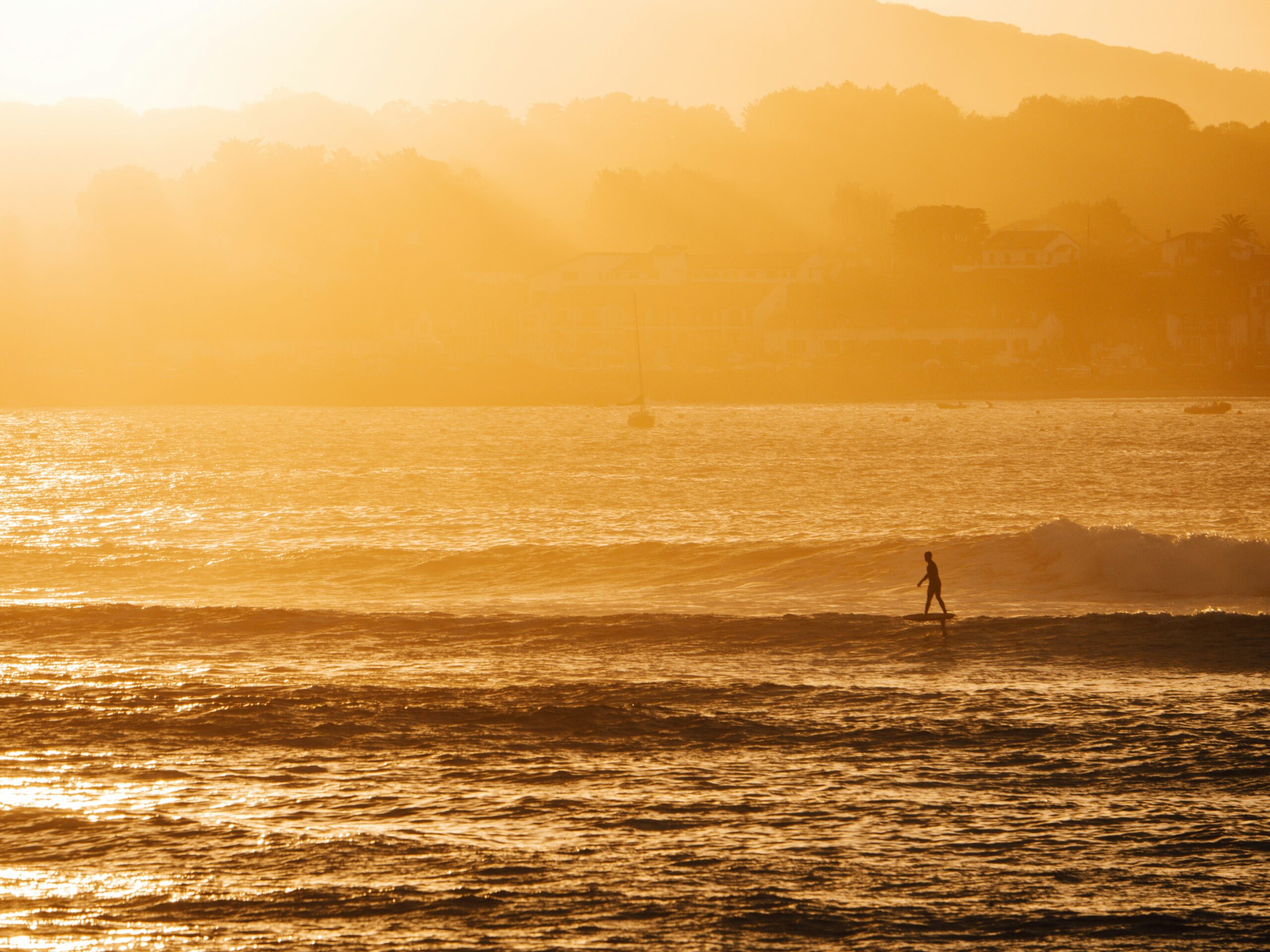
That matters because the beach changes character with the calendar. In high summer it feels energetic and social. In shoulder seasons it becomes more reflective, better for long walks and town wandering. End-of-June festival energy gives the town a stronger local identity than a generic resort vibe, which I think is one of Saint-Jean-de-Luz’s biggest strengths.
Personally, I would say this destination is at its best when the beach and town are both awake—but not overwhelmed. That is why late spring and early autumn can be especially satisfying.
Essential Travel Tips
Tip #1:
Tip #2:
Saint-Jean-de-Luz Beach Guide: Best Time to Visit, What It Feels Like, and Why This Basque Bay Is So Easy to LoveTip #3:
One practical mistake people make here is assuming the calm bay means “no Atlantic weather.” It is gentler, yes, but the coastal mood still shifts. That is part of the charm, and also a good reason not to plan too rigidly.
How to Get There Smartly
- Arrive by train if possible. Saint-Jean-de-Luz is directly reachable and the town is easy to explore on foot once you arrive. :contentReference[oaicite:7]{index=7}
- Drive via the A63 if you are road-tripping the Basque coast; official tourism guidance notes Saint-Jean-de-Luz-Nord and Saint-Jean-de-Luz-Sud motorway exits. :contentReference[oaicite:8]{index=8}
- Use local transport in summer once you are in town, since the tourism office specifically recommends public transport during the busier season. :contentReference[oaicite:9]{index=9}
- Walk between beach and center rather than overcomplicating the route; the compact layout is one of the town’s big advantages.
- Add a bike segment if you want to explore farther stretches of the coast, since the official tourism materials also highlight cycling connections to nearby beach areas. :contentReference[oaicite:10]{index=10}
- Stay at least half a day if not overnight. This place rewards slower pacing.
Nearby Attractions and Local Rhythm
The port is one of the easiest and best nearby add-ons because it gives immediate context to the town’s fishing heritage and maritime identity. The historic center is equally important, with its walkable streets, shops, and heritage buildings. Official tourism materials specifically present these together as part of the Saint-Jean-de-Luz experience rather than as separate districts. :contentReference[oaicite:11]{index=11}
Maison Louis XIV is the strongest heritage stop if you want one meaningful indoor visit. It adds historical depth, and its official description makes clear that the house remains one of the destination’s defining landmarks. :contentReference[oaicite:12]{index=12}
Food-wise, the best strategy is simple: let the town lead you. Saint-Jean-de-Luz is not a place where you need to chase one dramatic “secret” meal. It is better as a sequence of good choices—market browsing, café pauses, seafood, pastries, and Basque flavors spread through the day.
Saint-Jean-de-Luz Beach vs Wilder Atlantic Beaches
| Factor | Saint-Jean-de-Luz Beach | Wilder Atlantic Beaches |
|---|---|---|
| Swimming feel | Calmer and more family-friendly | Often rougher and more exposed |
| Town integration | Strong: beach, center, port, shops, restaurants all close together | Sometimes more isolated or surf-oriented |
| Best for | Families, couples, relaxed travelers, cultural beach trips | Travelers chasing dramatic surf or raw ocean scenery |
| Overall mood | Refined, social, easygoing | More elemental and weather-driven |
Who Should Visit
Saint-Jean-de-Luz Beach is especially good for travelers who enjoy:
- beach destinations with real town life around them
- calmer swimming conditions on the Atlantic coast
- Basque food, culture, and heritage alongside the sea
- walkable, elegant coastal destinations
- French beach towns that feel charming without feeling too polished or artificial
If you want an isolated surf beach or a dramatically raw coastline, you may prefer a wilder stretch nearby. But if you want one of the most balanced seaside destinations on the Basque coast, this is a very strong choice.
FAQ
Is Saint-Jean-de-Luz Beach worth visiting?
Yes, especially if you want a beach that combines calm swimming, Basque culture, a walkable town center, and a real sense of place.
Is the beach good for families?
Yes. Official tourism sources describe the main beach as ideal for family swimming with young children because it is protected by the bay. :contentReference[oaicite:13]{index=13}
Does Saint-Jean-de-Luz Beach have facilities?
Yes. Official listings mention beach clubs, rentals, water sports, public wifi around key service points, and seasonal supervision. :contentReference[oaicite:14]{index=14}
How do I get to Saint-Jean-de-Luz Beach?
The town is easy to reach by train, road, and regional air access, and the beach is simple to reach on foot once you are in the center. :contentReference[oaicite:15]{index=15}
What is the best nearby cultural stop?
Maison Louis XIV is one of the strongest heritage stops in town, especially if you want to add historical depth to your beach visit. :contentReference[oaicite:16]{index=16}
When is the best time to visit?
Late spring through early autumn is best for beach weather, while shoulder seasons are excellent if you want a calmer town atmosphere with easier walking and dining.
Related France and Europe Guides
Official and Useful Sources
Google Map
Final Verdict
Saint-Jean-de-Luz Beach is worth visiting because it gives you more than a coastline. It gives you a bay shaped for ease, a town shaped by maritime life, and a Basque atmosphere that makes the whole place feel rooted instead of generic.
If you want a beach destination that is scenic, civilized, family-friendly, and culturally alive, this is one of the smartest picks on the French Basque coast. Come for the water, stay for the town, and do not rush the day.
This is not just a good beach. It is a complete seaside place.