Île de la Cité Paris Guide (2026): Notre-Dame, Sainte-Chapelle, Walking Route & Best Times
Île de la Cité is the historic heart of Paris, where Notre-Dame, Sainte-Chapelle, the Conciergerie, and some of the city’s most atmospheric squares and bridges come together in one compact but unforgettable area.
When I first started planning time on Île de la Cité, I expected a monument-heavy stop that would feel impressive but slightly formal. What surprised me was how alive it feels. Yes, it is packed with history, but it also feels intimate, walkable, and strangely emotional once you slow down and notice the river light, the old stone, and the way modern Paris keeps flowing around it.
Search Intent
Travelers searching for Île de la Cité usually want to know whether it is worth visiting beyond Notre-Dame, what the main highlights are, how to structure a walk efficiently, which monuments require tickets, and what kind of atmosphere to expect. This guide answers those questions while helping you turn a quick visit into one of the most memorable walks in Paris.
Quick Summary
- Île de la Cité is the birthplace of Paris and still feels like the city’s symbolic center.
- The must-see trio is Notre-Dame, Sainte-Chapelle, and the Conciergerie.
- Notre-Dame currently offers free entry, while Sainte-Chapelle and the Conciergerie are ticketed monuments.
- Early morning or late afternoon is the best time for softer light, lighter crowds, and a calmer island atmosphere.
- This is one of the best Paris areas for travelers who love walking, layered history, and places that still feel deeply lived-in.
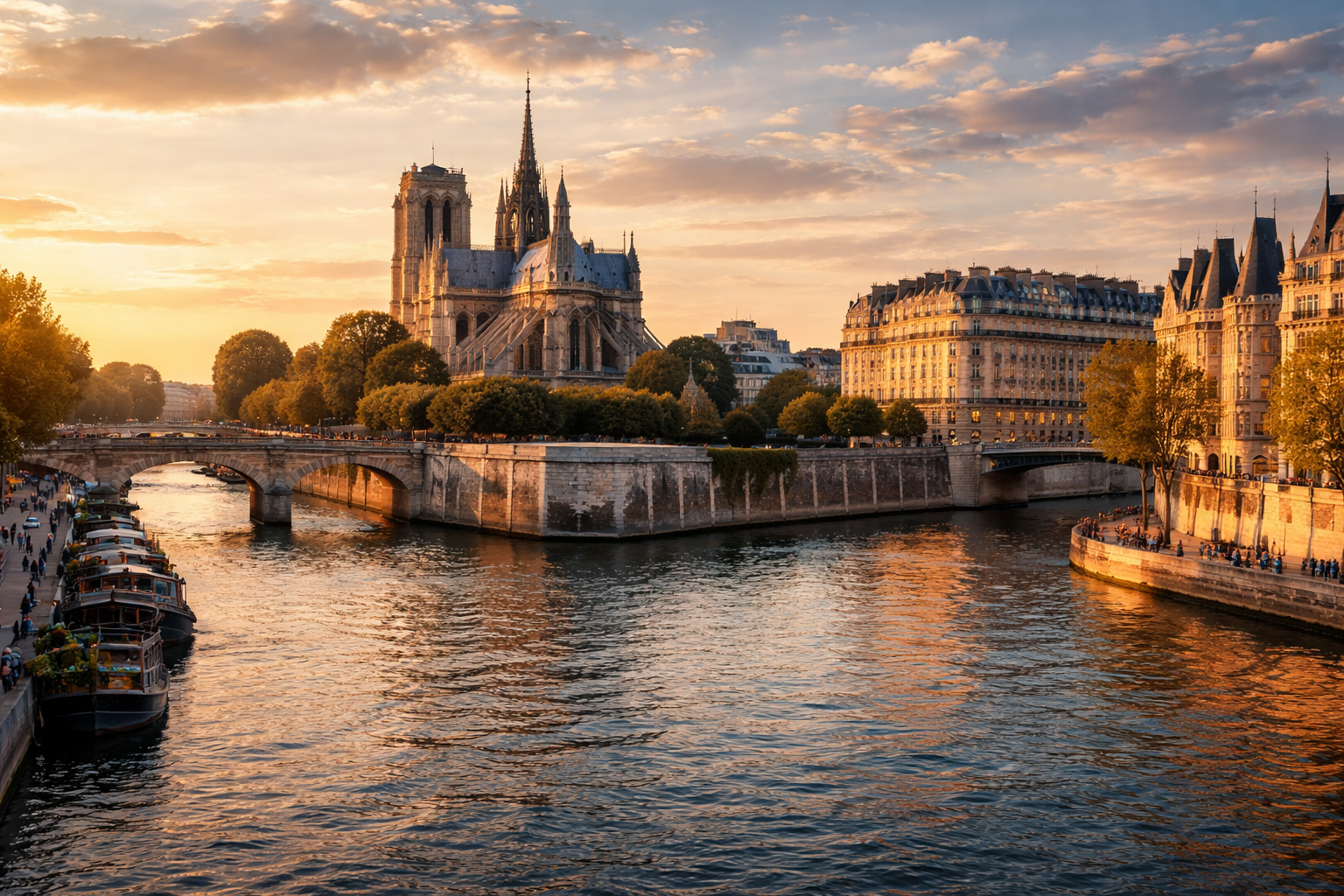 Île de la Cité sits at the historic core of Paris, framed by the Seine and some of the city’s most iconic monuments.
Why Visit Île de la Cité
There are famous places in Paris, and then there are foundational places. Île de la Cité belongs in the second category. This is not simply another pretty district with elegant façades and postcard views. It is the island from which Paris developed, and that historical weight changes the way the visit feels. Even if you know little about medieval France, you can sense that this land has carried power, worship, punishment, celebration, and daily life for centuries.
The appeal is also unusually concentrated. Within a relatively short walk, you can move from the restored grandeur of Notre-Dame to the jewel-box intensity of Sainte-Chapelle’s stained glass, then to the darker political memory of the Conciergerie. Few places in Paris compress beauty and historical depth so effectively.
I also think Île de la Cité works especially well for travelers who worry that “historic center” areas sometimes feel over-curated. Yes, it draws huge visitor interest, but parts of the island still feel quiet and human. Place Dauphine, the river edges, and the less crowded stretches between landmarks can feel almost meditative if you arrive at the right time.
What It Feels Like to Walk Here
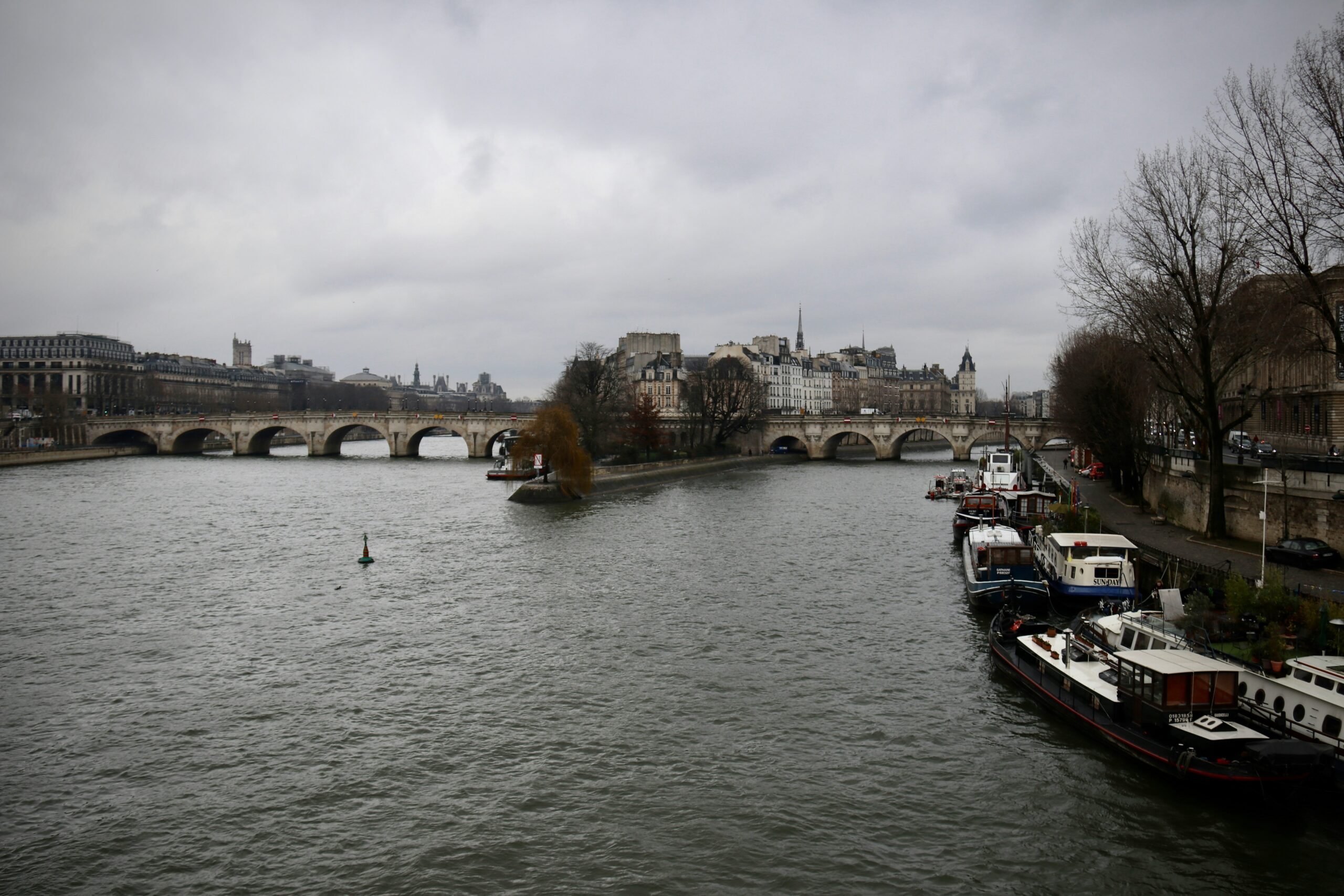
Crossing onto Île de la Cité does not feel dramatic in a cinematic sense. It feels subtler than that. The bridges ease you in, and then suddenly the proportions change: heavier stone, narrower sightlines, cathedral towers, courthouse walls, older pavements, and the low shimmer of the Seine on both sides. The island feels both central and enclosed, almost like stepping into a calmer layer beneath the modern city.
One of my favorite things about it is the contrast between public grandeur and private quiet. You may be standing among crowds facing Notre-Dame one moment, then sitting under trees at Place Dauphine a few minutes later, wondering how the energy shifted so quickly. That rhythm is what makes the island memorable. It is not just beautiful; it is paced beautifully.
There is also a strong sensory dimension here. The bells, the river wind, the changing stone color under different light, the occasional music on nearby bridges, and the scent of old masonry mixed with cafés and flowers all create a layered atmosphere. I think this is why Île de la Cité tends to linger in memory longer than some technically “bigger” attractions.
Why Île de la Cité Matters in Paris History
Île de la Cité has long been tied to the origins of Parisian power and identity. Over time, it became the setting for royal authority, ecclesiastical influence, judicial institutions, and some of the city’s most defining architectural statements. That is why a short walk here can feel historically dense in a way that many other neighborhoods do not.
Notre-Dame remains the symbolic anchor for most visitors, but Sainte-Chapelle and the Conciergerie reveal equally important layers. Sainte-Chapelle reflects royal ambition and sacred prestige, while the Conciergerie adds the darker memory of incarceration and revolutionary justice. Taken together, they make the island feel less like a sightseeing zone and more like a cross-section of French civilization.
I made the mistake once of thinking Île de la Cité could be “done quickly” between other Paris plans. It cannot, at least not well. You can photograph the landmarks fast, but you miss the emotional intelligence of the place if you treat it like a checklist corridor.
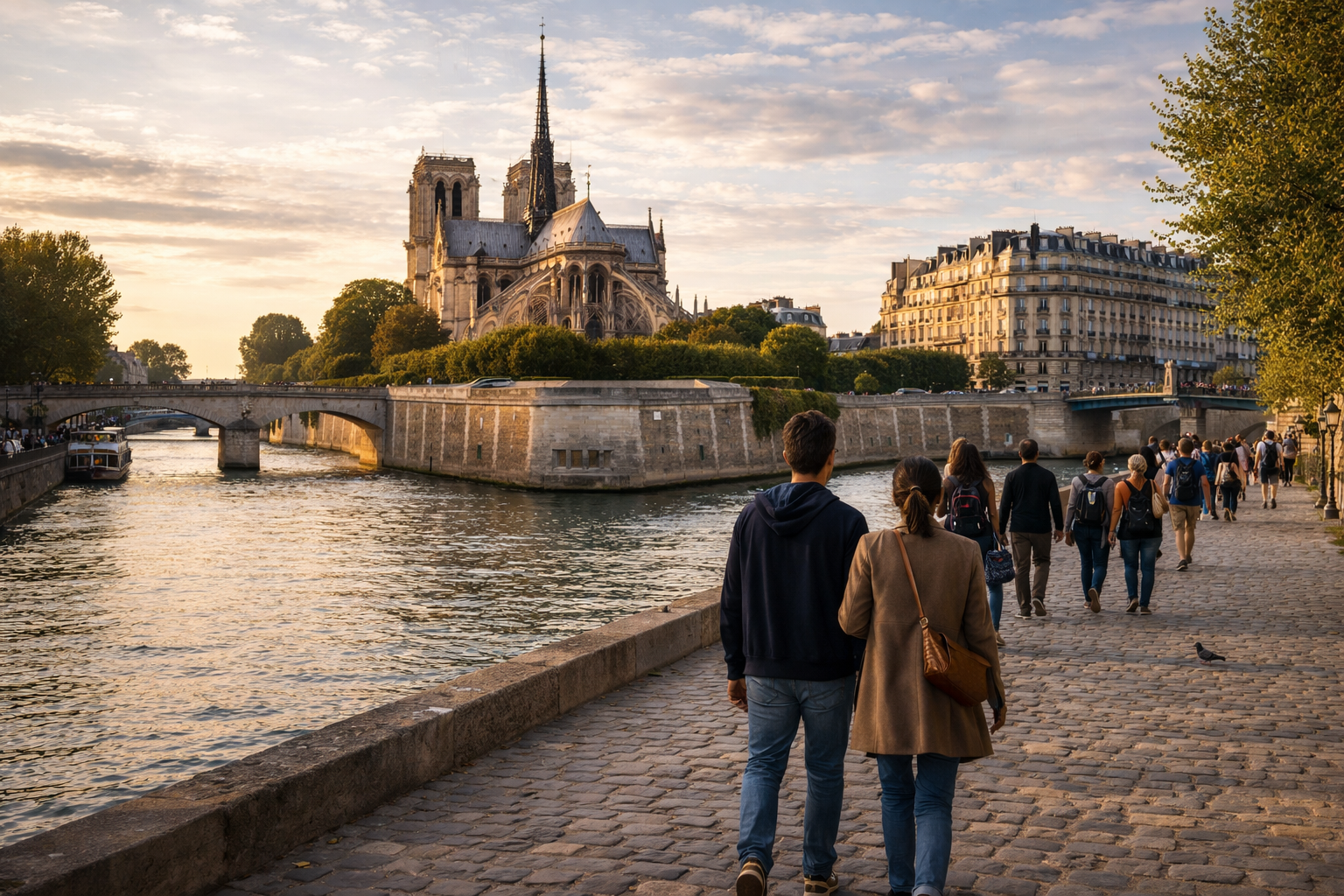 Walking the island reveals why Île de la Cité feels both monumental and unexpectedly intimate.
Main Highlights on Île de la Cité
1. Notre-Dame Cathedral
The cathedral is once again open to visitors, with free admission and posted visiting hours on the official site. Even if you have seen dozens of photos, the scale and emotional presence of the building still land hard in person.
2. Sainte-Chapelle
This is one of the most visually astonishing interiors in Paris. If sunlight catches the stained glass at the right time, the chapel can feel less like a building and more like illuminated color suspended in air.
3. The Conciergerie
The Conciergerie gives the island necessary contrast. It is atmospheric, more severe, and historically weighty in a different register from the religious monuments nearby.
4. Place Dauphine
Many first-time visitors overlook this square, but it is one of the best places on the island to pause, reset, and feel the softer rhythm of central Paris.
5. Bridge and riverside views
The island’s edges are part of the experience. Looking outward from Île de la Cité often explains Paris as effectively as any museum panel does.
Key Visitor Information
| Location | Central Paris, in the Seine, largely within the 1st and 4th arrondissement area used by visitors |
|---|---|
| Main monuments | Notre-Dame, Sainte-Chapelle, Conciergerie, Place Dauphine |
| Notre-Dame hours | Mon–Fri 7:50 AM–7:00 PM, until 10:00 PM on Thursday; Sat–Sun 8:15 AM–7:30 PM; last entry 30 minutes before closing |
| Sainte-Chapelle hours | 9:00 AM–7:00 PM from 1 April to 30 September, and 9:00 AM–5:00 PM from 1 October to 31 March |
| Conciergerie hours | 9:30 AM–6:00 PM, last entry 5:30 PM |
| Typical visit length | 2 to 4 hours for the island; longer if entering two or three monuments |
| Best time to visit | Early morning, late afternoon, or golden hour for atmosphere and softer crowd pressure |
Immersive Cultural Experiences
Île de la Cité rewards travelers who engage with it as more than a photo route. Sainte-Chapelle can feel transformative under the right light, and concerts associated with the chapel experience remain part of its cultural appeal. The Conciergerie, meanwhile, adds political and judicial memory that deepens the island far beyond simple beauty.
One of the quiet pleasures here is that the island gives you space to build your own rhythm. You can move monument to monument, or you can break the visit into smaller emotional chapters: a church interior, a square, a river edge, a bridge crossing, a pause for coffee, then back into history again. That elasticity makes the island work for both focused heritage travelers and more intuitive wanderers.
Essential Travel Tips
Go earlier than your instincts suggest. The difference between early and midday on Île de la Cité is huge. The island feels more reflective in the morning and much more compressed once tour flows thicken.
Book timed-entry monuments ahead where relevant. Sainte-Chapelle especially benefits from advance planning, and the Conciergerie’s official guidance also advises e-ticket purchase.
Wear good walking shoes. This is central Paris, but it still involves a lot of standing, bridge crossings, stone surfaces, and unplanned drifting.
Don’t treat Place Dauphine as optional. It is one of the easiest ways to recover the quieter side of the island.
How to Get to Île de la Cité
- Take Métro Line 4 to Cité if you want the most direct island arrival.
- Use Saint-Michel via Métro or RER if you want a slightly more scenic bridge approach.
- For the Conciergerie and Sainte-Chapelle, Châtelet and Saint-Michel are also practical access points.
- Walking in from the Latin Quarter or the Right Bank is often the most atmospheric option if the weather is good.
- Batobus and river-adjacent approaches can also add a memorable visual entry to the area.
Nearby Attractions and Local Atmosphere
Sainte-Chapelle and the Conciergerie are the island’s most essential companion visits, but the surrounding area matters too. Just beyond the immediate monument circuit, you have river walks, bridge views, the Left Bank atmosphere near Saint-Michel, and one of the easiest transitions in Paris from grand history to everyday city life.
If you want a softer pause, Place Dauphine is ideal. If you want more urban movement, the edges near Saint-Michel and the surrounding quays create an easy continuation into the broader central city.
Île de la Cité vs Other Central Paris Areas
| Point | Île de la Cité | Typical Central Paris Stop |
|---|---|---|
| Main appeal | Historic core with layered religious, royal, and judicial heritage | Usually one dominant attraction or neighborhood mood |
| Atmosphere | Monumental but intimate, reflective, river-framed | Busier, more commercially defined |
| Best for | History lovers, walkers, first-time Paris visitors | Faster sightseeing or shopping-focused itineraries |
| Visit style | Slow exploration works best | Often easier to sample quickly |
Who Should Visit Île de la Cité?
- First-time Paris visitors who want one area that explains the city’s historical identity
- Travelers interested in Gothic architecture and medieval Paris
- Couples looking for one of the most atmospheric walks in the city center
- Solo travelers who enjoy slow, reflective sightseeing
- Photographers chasing river light, stone texture, and layered city views
FAQ
Is Île de la Cité worth visiting if I already plan to see Notre-Dame?
Yes. Notre-Dame is only one part of the island’s value. Sainte-Chapelle, the Conciergerie, Place Dauphine, and the overall river atmosphere make the island worthwhile in its own right.
How long should I spend on Île de la Cité?
Give it at least 2 hours for a light walk, and 3 to 4 hours if you plan to enter Sainte-Chapelle and the Conciergerie.
Is Notre-Dame open to visitors again?
Yes. The official cathedral site currently lists free admission and regular visiting hours.
What is the most beautiful interior on the island?
For many visitors, Sainte-Chapelle is the visual peak because of its stained glass and light effects.
Is Île de la Cité good in bad weather?
Yes, especially if you combine outdoor walking with indoor monuments like Sainte-Chapelle and the Conciergerie.
What is the best time of day to visit?
Morning and late afternoon are usually best for atmosphere, better photos, and fewer bottlenecks around the major highlights.
Explore More France Destinations
Official and Authoritative Links
Île de la Cité Map
Final Take
Île de la Cité is one of those rare places that feels famous for the right reasons. It is beautiful, yes, but more importantly, it feels foundational. The monuments matter, the history matters, and the atmosphere still has the power to stop you for a moment even in the middle of crowded Paris.
If I had to recommend one central Paris walk for someone who wants both landmark power and emotional texture, this would be near the top of the list. Not because it is flashy, but because it feels like the city remembering itself.
That is what stays with you here: not just what you saw, but what the island made Paris feel like.