Sanbangsan Area in Seogwipo Guide: Best Views, Cave Temple, Route Tips, and When to Visit
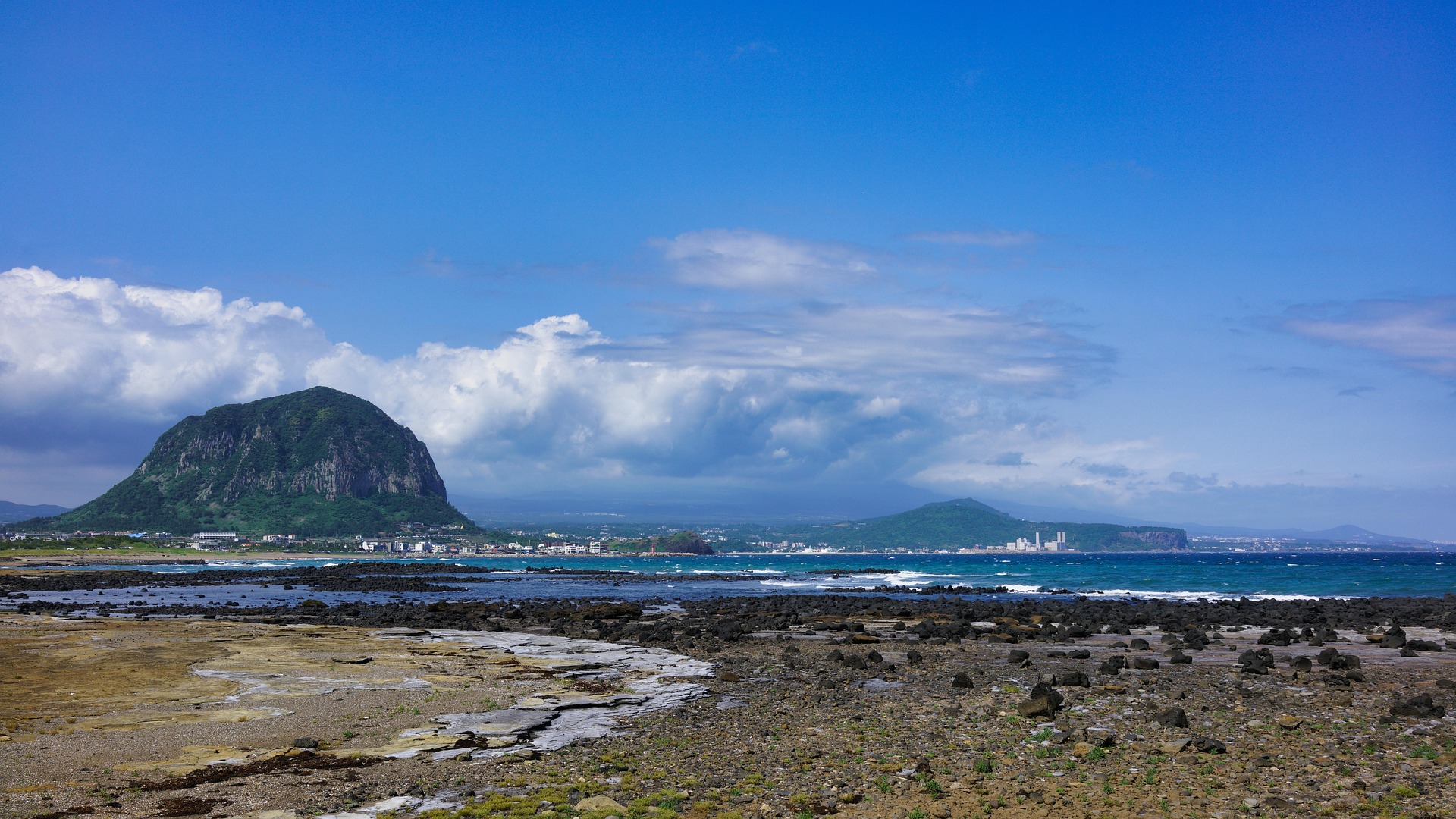
Sanbangsan Area in Seogwipo rises from the southwest coast of Jeju with a presence that feels almost theatrical. One moment you are driving along a quiet coastal road, and the next this enormous volcanic dome suddenly dominates the horizon. It is one of those places that looks impressive in photos, but in person it feels heavier, older, and much more atmospheric.
What makes Sanbangsan memorable is not just the geology. The mountain sits where myth, Buddhism, sea wind, and village life overlap. You have the cave temple halfway up the rock face, the sound of traffic fading into birds and waves, and nearby stops like Yongmeori Coast and the carbonate hot springs that can easily turn a quick visit into a half-day plan.
I think this is one of the best stops in southern Jeju for travelers who want more than a checkbox attraction. It gives you scenery, local folklore, a short but rewarding climb, and that rare feeling that the landscape is still shaping the mood of the place around it.
Search Intent
This guide is for travelers who want to know whether Sanbangsan is worth visiting, how difficult the climb is, what to see nearby, when to go for the best views, and how to build a smooth half-day route around southwest Jeju without wasting time.
Quick Summary
- Sanbangsan is one of Jeju’s best-known volcanic landmarks, famous for its dramatic dome shape and cave temple.
- The walk is short rather than long, but the stair section can feel steeper than many first-time visitors expect.
- The reward is the atmosphere: sea views, temple energy, coastal wind, and a strong sense of Jeju mythology.
- It works especially well when paired with Yongmeori Coast, Sagye Beach, or Sanbangsan Carbonated Hot Springs.
- For the best experience, visit in the morning or late afternoon when the light is softer and tour bus traffic is lighter.
Why Sanbangsan Matters More Than a Typical Scenic Stop
Jeju has no shortage of beautiful places, so the real question is why Sanbangsan continues to stand out. The answer is scale and character. Unlike broad forested mountains that slowly reveal themselves, Sanbangsan rises abruptly from the plain, almost like a solitary sculpture. Because of that, it immediately becomes the visual center of the whole area.
It also gives you something many scenic stops do not: variety in a compact footprint. You can appreciate geology, visit a cave temple, enjoy a coastal panorama, and combine the stop with nearby attractions without spending a full day hiking. That makes it ideal for travelers who want a strong Jeju experience but are working with a tighter schedule.
From a travel-planning perspective, Sanbangsan is especially valuable because it appeals to different kinds of visitors at once. Photographers love the silhouette and changing light. Families appreciate that the main area is approachable even if not everyone climbs every step. Culture-focused travelers get folklore and religious context. And people who just want a scenic coastal detour usually leave feeling they found something more memorable than expected.
What It Feels Like on the Ground
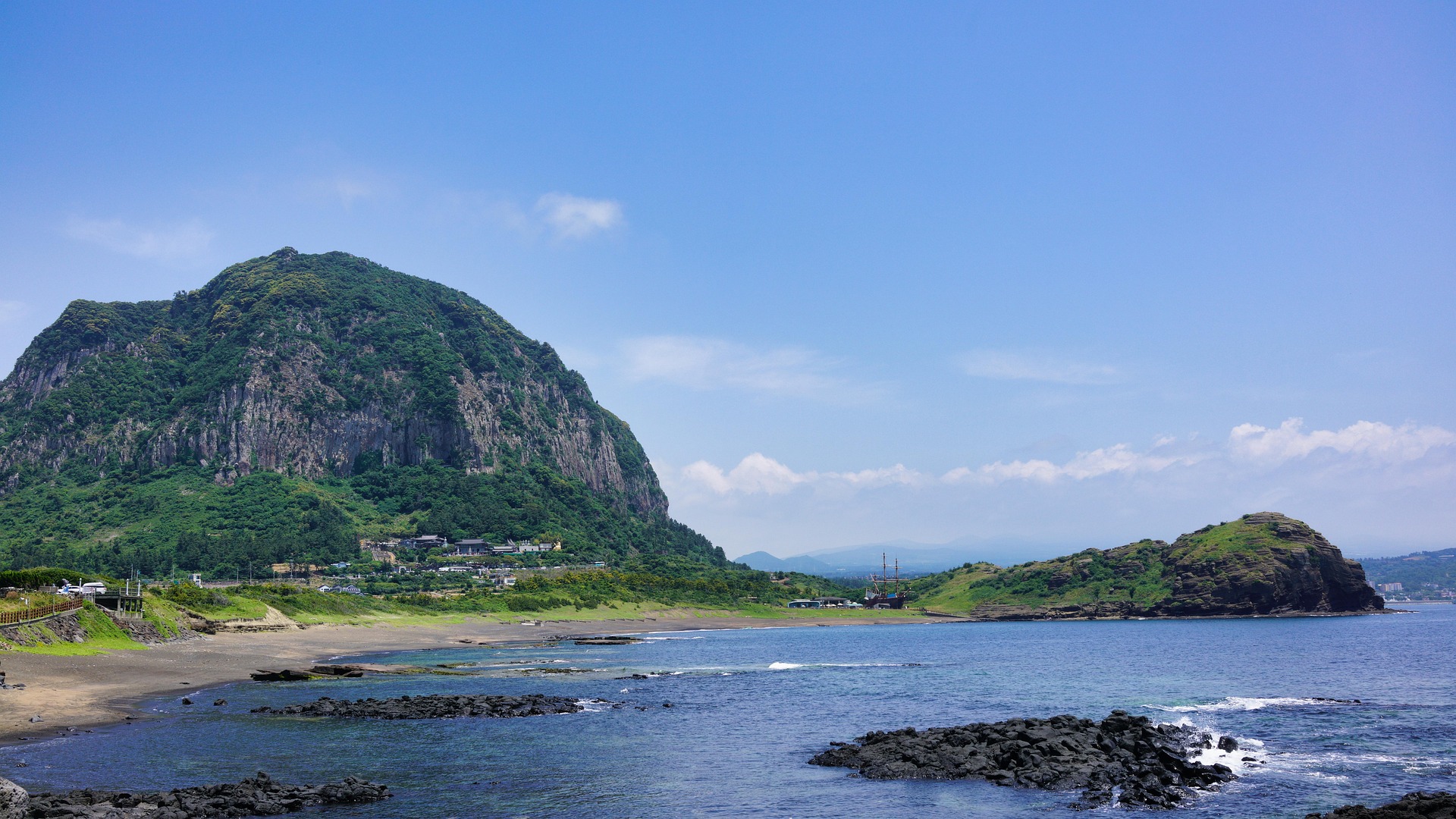
The first thing I noticed about Sanbangsan is how quickly it changes your sense of scale. The roads, shops, and parking area feel ordinary, and then the cliff-like dome suddenly makes everything below it look miniature. That contrast is part of the appeal.
As you walk closer, the mood shifts again. The sea breeze carries a salty edge, the mountain wall blocks and redirects the light, and the place starts feeling less like a standard sightseeing stop and more like a natural stage set. On a clear day, the coastline opens up beautifully. On a cloudy day, the mountain can feel even more dramatic.
One small mistake some visitors make is assuming this is just a quick roadside photo stop. It can be that, but if you skip the climb toward Sanbanggulsa or rush through the area, you miss most of the atmosphere that makes Sanbangsan special.
History, Geology, and the Legend Behind the Mountain
Sanbangsan is not simply a pretty hill. Official Jeju tourism information describes it as a volcanic lava dome connected to the coastal sedimentary landscape near Yongmeori, which helps explain why the whole area feels geologically rich rather than visually isolated. The mountain is widely recognized for its unusual bell-like profile, making it one of the most identifiable landforms in southwest Jeju.
Its name is often explained as meaning a mountain with a cave, which connects directly to Sanbanggulsa, the grotto temple set into the mountain. This pairing of rock formation and sacred site is a big reason the place feels layered instead of one-dimensional.
Then there is the legend. Jeju folklore says the mountain was created when a piece of Hallasan was thrown southward by the giant grandmother deity, leaving behind this detached mass of stone. Whether you treat that as myth, metaphor, or local storytelling, it changes how the place reads to the visitor. Sanbangsan stops feeling like just geology and starts feeling like part of Jeju’s emotional geography.
This blend of volcanic history and folklore is exactly why the site works so well in travel writing. You are not forcing meaning onto the mountain; the meaning is already built into how people on Jeju have understood it for generations.
Highlights You Should Not Miss
1) The mountain profile itself
Even before you start walking, the dome is the attraction. Sanbangsan is one of those landmarks that photographs well from multiple distances, so do not only shoot at the base. Some of the best compositions come from the surrounding roads and open spaces where the whole silhouette fits into frame.
2) Sanbanggulsa Temple
The grotto temple is the emotional center of the visit. The climb is not long, but it is steep enough to make the arrival feel earned. Inside the cave area, the mood shifts from sightseeing to contemplation. The combination of rock, incense, and open sea view is what most people remember afterward.
3) Southern coastal views
From the mountainside, you get broader perspective over the sea and the surrounding coast. On a clear day the view stretches beautifully, and even if visibility is not perfect, the layered effect of cliff, village, road, and water is still worth it.
4) Seasonal flower scenery
Spring is especially photogenic around Sanbangsan thanks to canola fields and softer colors in the wider area. That said, autumn light and winter clarity can be just as rewarding if you prefer fewer crowds and crisper air.
Key Visitor Information
| Location | Sanbangsan Area, Andeok-myeon, Seogwipo-si, Jeju-do, South Korea |
|---|---|
| Best known for | Volcanic dome landscape, Sanbanggulsa cave temple, coastal panoramas |
| Elevation | About 395 meters above sea level |
| Suggested visit time | 1.5 to 3 hours for the mountain and temple area; longer if combined with nearby attractions |
| Difficulty | Easy to moderate overall, with steeper stair climbing near the temple section |
| Facilities | Parking, restrooms, cafés, local food options, nearby tourist services |
| Accessibility | Ground-level area is easier to manage; temple access involves stairs and is not fully barrier-free |
| Best time for photos | Morning light or late afternoon golden light |
| Google Maps name | Sanbangsan Mountain |
Cultural Experience and Temple Atmosphere
Sanbanggulsa is what gives Sanbangsan its emotional weight. Many mountains are scenic. Fewer feel spiritually inhabited. The grotto setting makes the temple feel intimate rather than monumental, and that intimacy is exactly what stays with people.
The cave temple is associated with long-standing Buddhist practice and local belief, and official tourism descriptions note the sea-facing view toward nearby coastal landmarks. That visual connection matters. You are not enclosed in a dark cave and cut off from the world. Instead, the sacred space opens outward, which gives the visit a mix of stillness and openness that is hard to describe until you are there.
I would not treat this as just a photo stop. Slow down here. Even two or three quiet minutes inside or near the grotto can change the whole tone of the visit.
Seasonal Highlights
- Spring: This is the most romantic season visually, especially when yellow canola fields appear nearby and soften the dark volcanic mass of the mountain.
- Summer: Lush surroundings and stronger contrast between green slopes and blue sea, though midday heat can make the stair section more tiring than expected.
- Autumn: Excellent for clean light, clearer air, and comfortable temperatures. This is often my favorite season for balance.
- Winter: Crisp views, fewer people, and a slightly more austere mood. Bring a wind layer because the coastal air can feel sharp.
How to Visit Sanbangsan Without Feeling Rushed
- Arrive before late-morning crowds if possible. The area is calmer and better for photos when you arrive earlier.
- Spend a few minutes at ground level first. Do not start climbing immediately. Look at the mountain from below and let your eyes adjust to the scale.
- Climb steadily to Sanbanggulsa. The route is manageable, but the steps can feel harder if you rush too aggressively in the first few minutes.
- Pause for the view, not just the temple. A lot of travelers get fixated on reaching the cave and forget the side glances back over the coast.
- Combine it with one nearby stop. Yongmeori Coast is the classic pairing, but the carbonate hot springs are a strong option if you want a more relaxed second stop.
- Leave buffer time if the weather is unstable. Coastal wind and cloud can change the mood very quickly, sometimes for the better, sometimes not.
Real Travel Tips and Mistakes to Avoid
- Wear shoes with grip. The route is not a mountain expedition, but smooth soles are a bad idea on stairs or in damp conditions.
- Do not underestimate the wind. Even on bright days, the coastal air can make the stop feel cooler than inland Jeju.
- If you are pairing this with Yongmeori Coast, check conditions first. Access there can be affected by the sea.
- Bring a little water, especially in warmer months. The climb is short, but the heat reflects off the rock and steps.
- Dress respectfully if entering temple areas. This is basic courtesy and improves the tone of the visit.
- Plan around energy, not just distance. I have seen people schedule too many southwest Jeju stops in one afternoon and end up skimming all of them.
Nearby Attractions and Easy Add-Ons
Yongmeori Coast is the natural companion stop. It is famous for layered coastal cliffs and a wave-cut walking area, giving you a contrasting geological experience close to Sanbangsan.
Sanbangsan Mountain Carbonated Hot Springs is a very good second stop if you want to turn the outing into something slower and more restorative, especially after a windy or cool visit.
Sagye Beach is useful for a brief coastal pause, especially if you want coffee, sea views, or a less structured follow-up.
Local seafood and Jeju dishes are easy to find in the wider area, which makes this one of the better zones in Jeju for building a scenic lunch route rather than visiting a single attraction in isolation.
Sanbangsan vs Other Jeju Nature Stops
| Place | Best For | Effort Level | Overall Feel |
|---|---|---|---|
| Sanbangsan | Geology + cave temple + coastal mood | Low to moderate | Mythic, compact, atmospheric |
| Hallasan | Serious hiking and altitude | Moderate to high | Big-day mountain experience |
| Cheonjeyeon Waterfall | Waterfall scenery and easy sightseeing | Easy | Lush and photogenic |
| Gimnyeong Beach | Relaxed shoreline and color contrast | Very easy | Open, breezy, casual |
If you want the strongest mix of scenery and cultural atmosphere with relatively limited walking time, Sanbangsan is one of the smartest choices in Jeju.
Who Should Visit Sanbangsan
- Travelers with one day in southwest Jeju who want a reliable highlight.
- Visitors interested in the overlap between nature, folklore, and religion.
- Photographers looking for shape, contrast, and sea-facing viewpoints.
- Couples or solo travelers who enjoy places with a calm but emotionally strong atmosphere.
- Families who want a scenic stop with the option of a short climb, as long as they are comfortable supervising on stairs.
Frequently Asked Questions
Is Sanbangsan worth visiting if I only have a short time in Jeju?
Yes. It gives you one of the strongest visual impressions in southwest Jeju without requiring a full hiking day.
How difficult is the walk to Sanbanggulsa?
It is short but includes steeper stair climbing. Most reasonably mobile travelers can do it, but it does not feel completely effortless.
Can families visit Sanbangsan?
Yes. The area works well for families, though extra care is needed on steps and around elevated viewpoints.
What is the best time of day to go?
Morning and late afternoon are usually best for softer light, cooler temperatures, and a calmer experience.
What should I combine with Sanbangsan?
Yongmeori Coast is the classic pairing. The carbonate hot springs are a strong alternative if you want a more relaxed second stop.
Is Sanbangsan more about hiking or sightseeing?
Mostly sightseeing with a short climb. It is better thought of as an atmospheric landmark visit than a full mountain trek.
Related Trip Nexus Guides
Official and Authoritative Resources
Google Map
Final Thoughts
Sanbangsan Area in Seogwipo is one of those Jeju places that succeeds on multiple levels at once. It is visually striking from far away, rewarding up close, and surprisingly layered once you understand its geology, cave temple, and mythology together.
What I like most is that it does not demand a huge time commitment to leave a strong impression. You can come here for views and still walk away remembering the wind, the stone, the temple stillness, and the way the sea seems to sit just beyond everything.
If you want a southwest Jeju stop that feels scenic, meaningful, and easy to combine with other highlights, Sanbangsan is one of the safest and most satisfying choices you can make.