Jeju Folklore & Natural History Museum: Culture, Nature & Visitor Guide (2026)
Updated February 2026 • Best timing • Exhibit flow • Family-friendly pacing • Easy Jeju City pairing loop
Jeju Folklore & Natural History Museum is one of Jeju City’s highest “meaning per minute” stops: you walk in curious, and you walk out understanding why this island feels different—wind, stone, sea, and the people who learned to live with all three. It’s also the rare Jeju attraction that doesn’t depend on perfect weather, making it an ideal anchor for a balanced day.
🏆 Quick Summary: Museum Essentials
- Best for: first-time Jeju visitors who want culture + island nature context in one efficient indoor stop.
- Time: 90–120 minutes (add 20–30 minutes if you read every panel).
- Hours: 09:00–18:00 • Closed Mondays (also some major holidays).
- Tickets: Adults 2,000 KRW • Teens 1,000 KRW.
- Smart timing: arrive before 10:30 for calmer galleries; late afternoon is also comfortable.
What It Feels Like: The Island Makes Sense Indoors
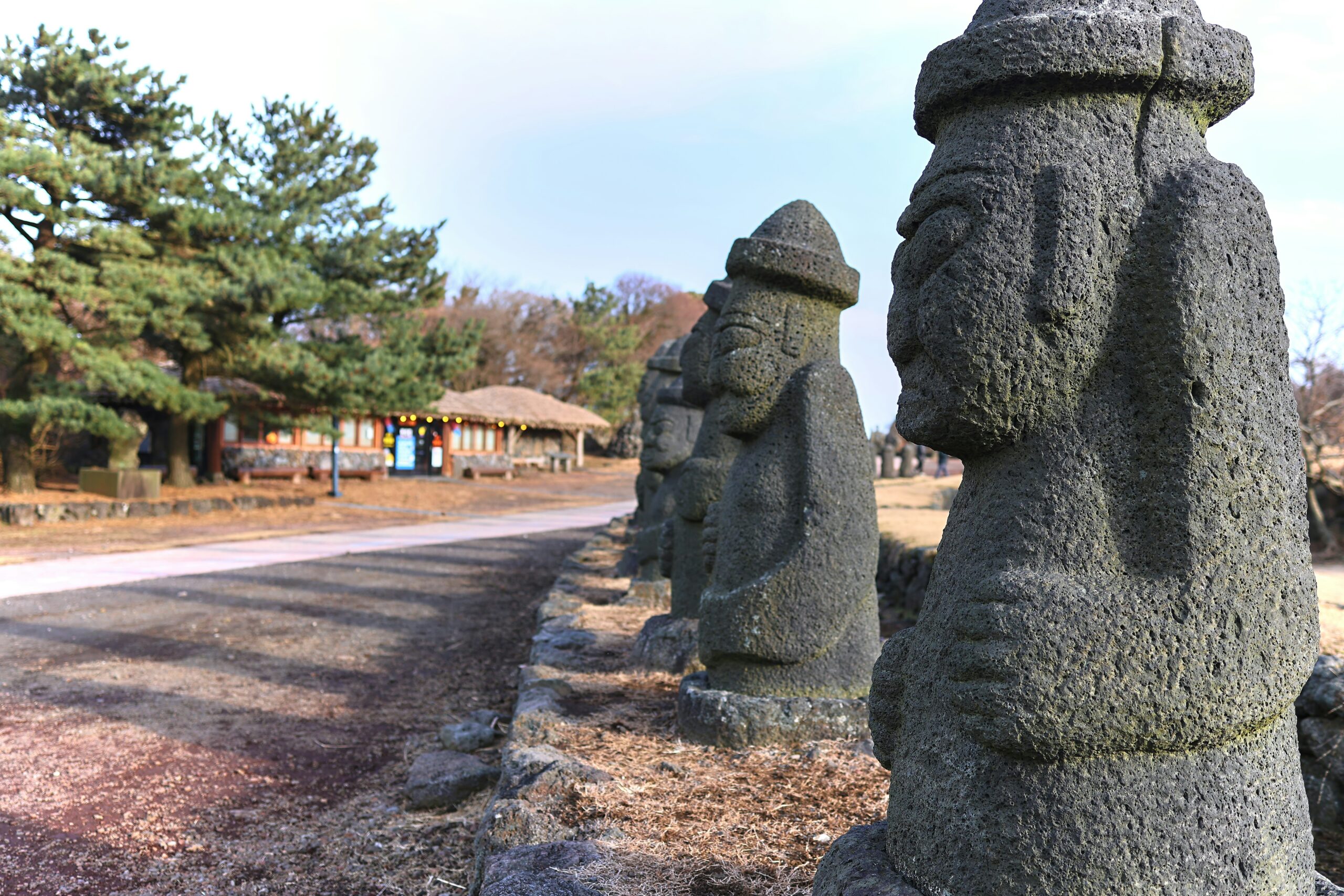
The first rooms feel grounded—stone textures, warm lighting, and displays that make Jeju’s “everyday life” look quietly heroic. Then the mood shifts into nature and marine sections, and you realize: this island was built by fire and shaped by waves. It’s the kind of place where even “not-a-museum person” suddenly slows down.
Jeju can feel like a highlight reel—beach here, oreum there, waterfall later. This museum stitches the story together. After you’ve seen the folklore + natural history flow, the rest of your Jeju itinerary feels more “connected,” not random.
Windy, rainy, “Jeju mood swing” weather? This is your rescue plan. You still get culture, context, and a satisfying half-day without battling coastal gusts. Save the big outdoor spot for when your energy and the sky agree.
🧾 Key Information Matrix (2026)
The Context: Why This Museum Works So Well in Jeju
Jeju isn’t “just another island.” The landscape is volcanic, the climate is intense, and the culture evolved around wind, stone walls, diving, farming, and sea trade. This museum compresses all of that into an easy sequence—folklore first (people), then natural history (the island that shaped them).
Traveler takeaway: do this early in your trip and your later stops feel richer. Do it late, and it becomes a clean “why Jeju mattered” wrap-up. Either way, it’s a high-return visit when you want depth without logistics.
⚖️ A vs B: Is This the Right “Culture Stop” for You?
Step-by-Step: A Stress-Free Arrival (Jeju City)
- Choose your “weather role”: If the day looks windy or rainy, place the museum in the morning. If the day is perfect, place it midday as a calm reset.
- From the airport: Taxi is the simplest; buses work too if you’re budget-focused—aim to arrive around 09:30–10:30.
- Enter with a plan: Folklore first (people), natural history second (island). Your visit feels coherent instead of “rooms.”
- Exit strategy: After the museum, move your body—market snack loop or a short waterfront walk to clear your head.
- Keep the rest light: One more “real” stop is enough. Jeju days get better when you leave margin.
🗓️ 2–2.5 Hour Micro-Itinerary (Easy, Balanced)
✅ Museum Visit Checklist
- Confirm Monday closure (and holiday week rules) before you build the day.
- Give it 90–120 minutes (don’t squeeze it into a 30-minute “rush”).
- Folklore first → natural history second (best narrative flow).
- Pair with one simple nearby loop (market or waterfront) for a “complete” half-day.
- If your group is low-energy: do a highlight loop + short break strategy.
Official Resources (Use These Before You Go)
- Museum (official site): https://museum.jeju.go.kr/
- Jeju official tourism (Visit Jeju): https://www.visitjeju.net/
- Korea travel info (VISITKOREA / 1330 hotline): https://english.visitkorea.or.kr/
💬 Frequently Asked Questions (FAQ)
🔗 Continue Your Jeju / Korea Travel Stack (Internal)
- Mythic waterfall day: Cheonjeyeon Waterfall in Seogwipo: Practical Visitor Guide
- Coastal crater loop: Songaksan Seogwipo: Volcanic Crater Hike & Coastal Views
- Volcanic dome + sea views: Sanbangsan Area in Seogwipo: Jeju’s Volcanic Dome
- Open-air heritage option: Jeju Folk Village Museum Guide
- Tea fields + free admission: O’sulloc Tea Museum in Jeju
- Jeju coastal chill: Gimnyeong Beach Jeju: Azure Coast Guide
➡️ Next Step (Do this now)
If your Jeju schedule feels scattered, place this museum early. It upgrades the rest of your trip—suddenly every coast, market, and trail has context.
Map: Jeju Folklore & Natural History Museum Location
Author Note: Updated in February 2026 with current operating hours, fees, and official resources for visitor planning.