Noboribetsu Onsen Guide: Best Water Types, Jigokudani Walk, 1–2 Night Stay Plan, Hell Festival Timing & Easy Access from Sapporo
Noboribetsu Onsen is the kind of hot spring town that feels alive. You smell sulfur before you even “arrive,” steam rises from the ground like the earth is breathing, and the whole place hums with volcanic energy. But it’s not only about bathing—it’s a destination where nature, wellness, and onsen etiquette blend into a travel experience you can’t replicate anywhere else in Japan.
You want a clear plan for Noboribetsu Onsen: which water types to try, how to walk Jigokudani (Hell Valley) without missing the best viewpoints, the easiest transport from Sapporo or New Chitose Airport, what to do beyond bathing, how to handle tattoos/etiquette, and how to time your trip for seasonal highlights like the Noboribetsu Jigoku Matsuri (Hell Festival).
Quick Summary (Save This)
- Best overall stay: 1–2 nights (you’ll want at least one full evening soak + morning walk).
- Must-do loop: onsen town stroll → Jigokudani boardwalk → Oyunuma/footbath area → dinner → night soak.
- Best seasons: autumn foliage for color, winter for “snow + steam” atmosphere (year-round works).
- Access cheat: JR Noboribetsu Station → bus to Noboribetsu Onsen (about 15 minutes) → most hotels are walkable from the bus terminal.
- Big mistake: treating it as a “quick stop.” Noboribetsu shines at night and early morning—when the steam feels dramatic and the town gets quiet.
Quick Planning Snapshot
| Location | Noboribetsu, Hokkaido, Japan (southwest Hokkaido / Iburi area) |
|---|---|
| Why It’s Famous | Multiple mineral spring types + Jigokudani (Hell Valley) geothermal landscape |
| Best Time to Visit | Year-round (autumn foliage & winter snow/steam are highlights) |
| Recommended Stay | 1–2 nights (best for evening + morning atmosphere) |
| Getting There | JR Noboribetsu Station → bus to Noboribetsu Onsen (about 15 minutes) |
| Onsen Water Variety | Sulfur, chloride (salt), bicarbonate, sulfate, acidic, ferruginous and more—many types can exist in one town |
| Best “First-Timer” Plan | Check in → Jigokudani stroll → dinner → long soak → early morning walk + second soak |
Reality check: Noboribetsu is not a place you “tick off.” The real payoff is the slow rhythm—steam, silence, warm water, then an easy walk through volcanic scenery.
Why Visit Noboribetsu Onsen
Noboribetsu stands out because it’s not “one hot spring.” It’s a hot spring ecosystem powered by active volcanic geology. That’s why the town is known for its extraordinary range of mineral water types—different colors, different scents, different skin feel, different post-bath calm. If your idea of an onsen trip is “I want to feel a difference after one soak,” Noboribetsu is the strongest answer in Hokkaido.
It’s also one of the easiest onsen towns to enjoy without intense planning. The town is compact, the signature scenery is walkable, and the “best day” basically builds itself: a volcanic valley walk, a slow dinner, and a long soak that resets your nervous system. If you’ve been doing city travel (Tokyo/Osaka/Sapporo), Noboribetsu feels like someone pressed the “reset” button.
- Geothermal drama: steam, vents, mineral-stained earth—nature feels close and powerful.
- Water variety: you can compare spring types in one trip (great for onsen fans).
- Walkable flow: sightseeing and soaking connect naturally without long transport.
Couples, solo travelers needing recovery days, first-time onsen visitors (easy logistics), photographers who love steam and atmosphere, and anyone who wants a “Japan tradition” moment without overcomplication.
What It Feels Like (Real Visit Mood)
The first thing you notice is the smell—sulfur, sharp but not unpleasant, like the town is quietly reminding you that the heat comes from deep inside the earth. Then you see the steam rising along the river and from small vents, and suddenly it feels like the landscape itself is alive. Even before you soak, your body mentally slows down.
At night, Noboribetsu has a special kind of calm. Most day-trippers are gone, the streets soften, and the best part begins: a long, unhurried soak, then a short walk outside with cool air on your skin. It’s the contrast—hot water, cold air—that makes the experience stick in your memory.
Save your longest soak for after dinner. You’re warm, satisfied, and you’ll sleep like you got a brand-new nervous system.
Jigokudani (Hell Valley): The Geothermal Heart of Noboribetsu
Jigokudani is the reason Noboribetsu feels different from other onsen towns. It’s a volcanic basin where sulfur vents, steaming cracks, and mineral-colored earth create an almost otherworldly scene—like the town’s hot spring water is being “made” right in front of you. The walk is easy, and the payoff is big: steam drifting over cliffs, the sound of bubbling water, and a landscape that looks like it’s still in the process of becoming.
- Start from the onsen town side and enter the boardwalk.
- Pause at the first wide viewpoint (let your eyes adjust to the scale).
- Continue toward the connected paths that lead toward Oyunuma / footbath areas.
- Return to town and use the onsen as your “reward.”
Early morning gives you quieter paths and thicker steam. Late afternoon feels more cinematic (warm light + dramatic contrast).
Immersive Experiences (Beyond “Just Bathing”)
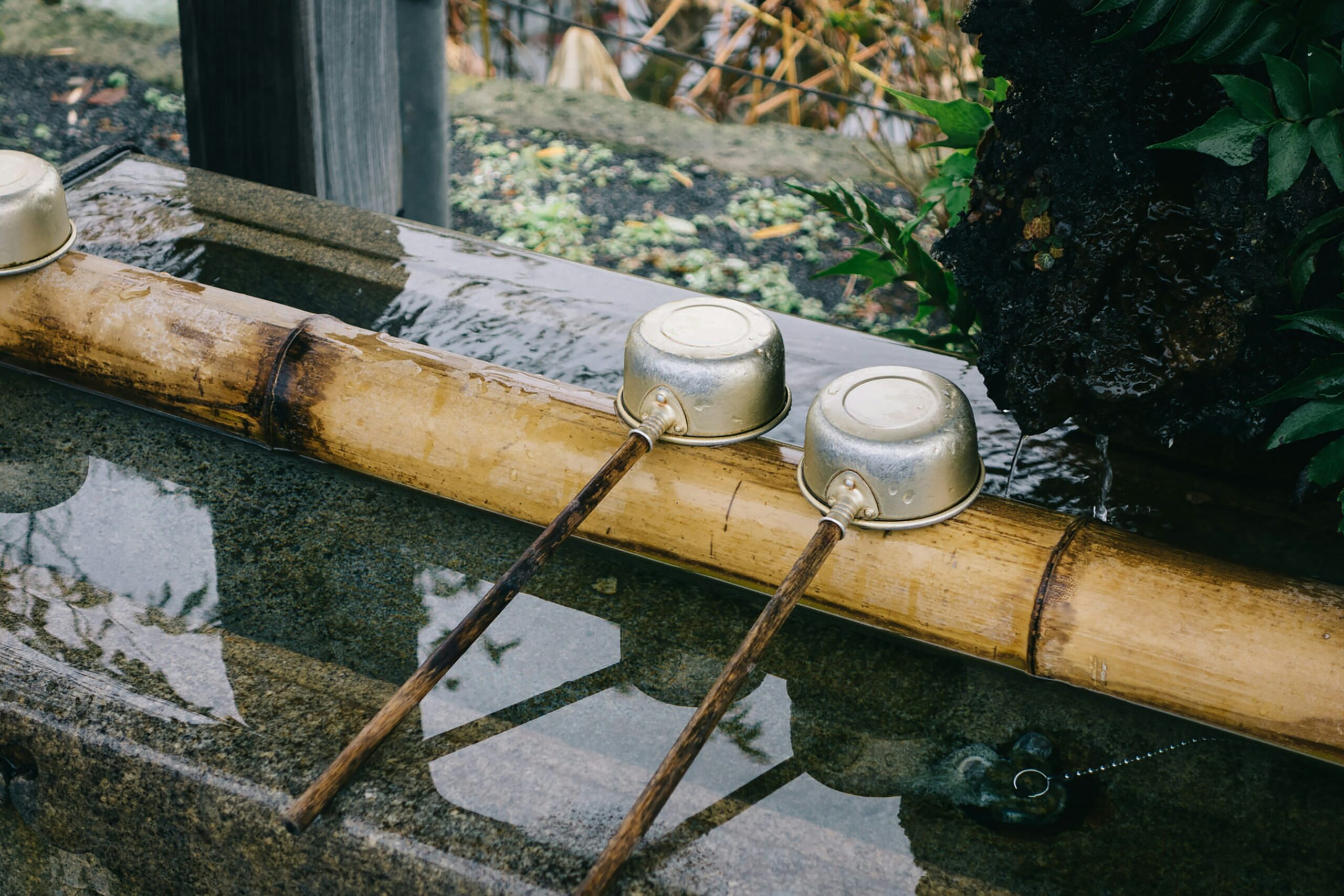
Noboribetsu is at its best when you treat the onsen as a ritual, not an activity. That means: check in, change into a yukata, take a slow town walk, then soak. Repeat. The rhythm is the point, and it’s one of the most “Japanese” feelings you can have in Hokkaido—quiet, courteous, and deeply restorative.
If you stay at a traditional ryokan, the experience becomes a cultural package: tatami rooms, seasonal meals, and the kind of hospitality that makes you move slower without trying. Even if you’re not “a ryokan person,” Noboribetsu is where people often become one.
Want something playful between soaks? Nearby attractions like Edo-period themed experiences (Date Jidaimura) or a scenic ride to viewpoints can add variety—especially for families or groups who want more than walking and soaking. The key is to keep the day gentle: Noboribetsu is a wellness destination with volcano energy, not a “run-around-and-do-everything” place.
A short post-onsen walk at night. Cool air on warm skin, steam in the streetlights, and the whole town feels like a dream you don’t want to wake up from.
Seasonal Highlights: When Noboribetsu Feels Most Alive
Noboribetsu works year-round, but the mood changes dramatically by season. Autumn is a classic: crisp air, better walking weather, and foliage that makes the town feel warmer. Winter is the “wow season”—snow on the ground, steam rising everywhere, and a sense that you’re bathing inside a geothermal postcard.
The signature event is the Noboribetsu Jigoku Matsuri (Hell Festival), typically held on the last Saturday and Sunday of August, featuring oni (demon) folklore and a procession led by Enma (the Great Demon King). If you’re planning late summer travel, it’s worth timing your visit around it—but book accommodations earlier because festival weekends change the town’s crowd level.
- Autumn: best overall balance (walks + comfort + atmosphere).
- Winter: most cinematic (snow + steam + deep soak mood).
- Spring/Summer: easiest logistics and longer daylight (great for extended valley walks).
If your goal is “quiet wellness,” avoid peak festival nights. If your goal is “local culture,” lean in and plan a 2-night stay so you can still enjoy calm mornings.
How to Get to Noboribetsu Onsen (Easy, Low-Stress)
Noboribetsu is one of Hokkaido’s most accessible onsen towns. A common pattern is: train to JR Noboribetsu Station, then bus to the onsen area. The bus ride is short (often around 15 minutes), and most travelers get off at the Noboribetsu Onsen bus terminal or a hotel stop. If you’re coming from New Chitose Airport, direct bus options may be available depending on season and operator schedules.
- Arrive JR Noboribetsu Station.
- Take the local bus bound for Noboribetsu Onsen.
- Get off at the onsen bus terminal (or your hotel stop).
- Walk to your ryokan/hotel and immediately slow down.
If you’re arriving late, pre-decide: “check in → quick soak → sleep.” Don’t push the valley walk in the dark unless you specifically want the night atmosphere.

Which Onsen Water Types Should You Try?
Here’s the fun part: Noboribetsu is famous for its diversity of spring qualities. You don’t need to memorize chemistry—just use a simple approach. Try one “classic” soak (often sulfur), then compare it with one other type available at your accommodation or day-use facility. The difference is real: scent, skin feel, and overall “post-bath calm.”
| Water Type | What it feels like | Best for (traveler mindset) |
|---|---|---|
| Sulfur | Iconic onsen scent, often milky/soft-looking | First-timers who want the “real onsen” feeling |
| Chloride (salt) | Warmth that seems to “stay” after the bath | Cold-weather travelers who want deep warmth |
| Bicarbonate | Often feels smooth on skin | Gentle option if you want something “easy” |
| Acidic / sulfate / others | Varies by facility; can feel more “mineral-forward” | Onsen fans who enjoy comparing types |
Tip: each facility presents water differently (temperature, indoor/outdoor, flow rate). If you want a true comparison, try two baths on the same day.
Best 1–2 Night Itinerary (Minimal Stress, Maximum Mood)
- Arrive & check in (drop bags, change into something comfortable).
- Short town walk to “feel” the steam and find your favorite quiet corners.
- Early evening Jigokudani stroll (best light + calm).
- Dinner (ryokan meal if you booked it, or a simple local dinner in town).
- Long soak (save your longest soak for after dinner).
- Early morning soak (quietest and most restorative).
- Morning walk: Jigokudani → Oyunuma / footbath paths (steam is often thick in cooler air).
- Optional add-ons: Bear Park, Date Jidaimura, or a scenic viewpoint activity.
- Second soak before departure (it makes transit feel easier).
Do it like this: arrive late morning → Jigokudani walk → lunch → day-use onsen soak → return. It’s still good, but you’ll miss the best part: night atmosphere + morning calm.
Noboribetsu Onsen vs. Other Hokkaido Onsen Towns (Quick Choice Guide)
| Category | Noboribetsu Onsen | A calmer onsen town |
|---|---|---|
| Best for | Volcanic scenery + water variety + iconic “Japan onsen” mood | Quiet relaxation and simple strolling |
| Vibe | Dramatic (steam + geothermal landscape) | Gentle (river walks, quieter streets) |
| Trip payoff | Feels like a destination, not just a bath | Feels like a recovery stop |
| My recommendation | Choose this if you want “Japan onsen drama” + variety | Choose that if you want maximum quiet and minimal sightseeing |
Nearby Attractions (Easy Add-ons)
- Oyunuma Pond: a sulfur-fed thermal pond area connected to footbath-friendly paths.
- Noboribetsu Bear Park: panoramic views and native wildlife (great if you want a “different” activity between soaks).
- Date Jidaimura: an Edo-period themed experience with performances and crafts—fun for families and groups.
Practical Tips (3 Tips + 3 Warnings)
One soak after dinner + one soak in the morning is the secret to feeling the full Noboribetsu effect.
Morning and late afternoon make the steam look dramatic and the walk feel comfortable.
If public bathing feels intimidating, book a room with a private bath or reserve a private onsen session.
Some baths restrict tattoos; others allow cover stickers or private baths. Always check your hotel’s latest rules.
Bring proper footwear in winter—boardwalks and town paths can get slick.
Onsen is powerful. Take breaks, hydrate, and avoid long soaks if you feel lightheaded—especially after alcohol.
What Makes Noboribetsu Onsen Unique
Noboribetsu is defined by one rare combination: geological intensity and cultural softness. You can walk through a steaming volcanic valley, then step into an onsen culture built on quiet manners and care—wash first, enter slowly, soak with respect, and leave feeling lighter. Few places in Japan offer that “raw earth → refined ritual” transition so effortlessly.
If you want one onsen town in Hokkaido that feels unmistakably “Japan,” choose Noboribetsu. Stay one night minimum, soak twice, and let the steam do the storytelling.
Official Resources (Verified Planning Links)
Next Step
If you’re planning your trip now: book 1 night minimum, arrive before sunset, walk Jigokudani in cooler air, and plan for two soaks (after dinner + morning). That’s the cleanest, happiest Noboribetsu experience.
Google Map
FAQ
How many nights should I stay in Noboribetsu Onsen?
Plan for 1–2 nights. One night lets you get the evening soak + morning calm. Two nights makes the whole trip feel like a true reset.
Is Jigokudani (Hell Valley) hard to walk?
It’s generally an easy walk on boardwalk-style paths. The best experience is in cooler air (morning/late afternoon) when the steam is dramatic.
What makes Noboribetsu different from other onsen towns?
The combination of geothermal scenery and multiple spring qualities in one compact town. You can literally walk from a steaming volcanic valley to a traditional bath.
Can I visit Noboribetsu as a day trip from Sapporo?
Yes—you can walk Jigokudani and do a day-use onsen soak. But Noboribetsu’s best vibe is night + early morning, so an overnight stay is strongly recommended.
How do I get from JR Noboribetsu Station to the onsen town?
Typically by local bus to Noboribetsu Onsen (often around 15 minutes). Most accommodations are walkable from the onsen bus terminal.
Are tattoos allowed in Noboribetsu onsen?
Policies vary by facility. Some allow tattoos with cover stickers, some require private baths, and some restrict them. Check your chosen hotel/ryokan rules before arrival.
What’s the best season for Noboribetsu Onsen?
Autumn for foliage and comfort; winter for snow + steam atmosphere. Honestly, it’s a year-round destination if you like hot springs.
When is the Noboribetsu Hell Festival (Jigoku Matsuri)?
It’s commonly held on the last Saturday and Sunday of August. Always confirm exact dates on official tourism/event pages for the year you’re traveling.