Kiyomizu-dera Temple: The Ultimate Guide to Kyoto’s Pure Water Sanctuary (2026)
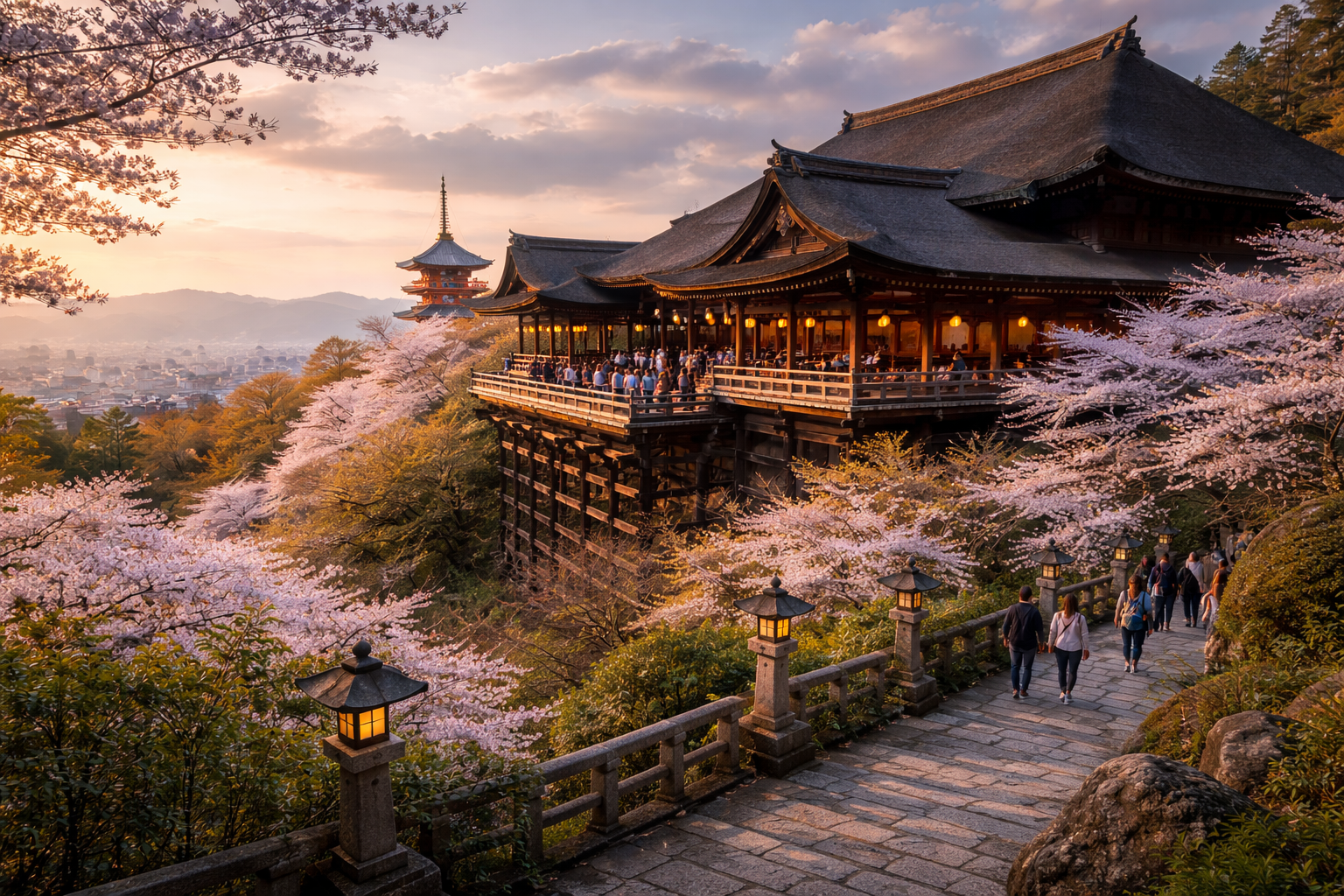
Kiyomizu-dera Temple stands as the eternal soul of Kyoto, a magnificent wooden sanctuary perched on the cliffs of Mount Otowa where travelers have sought spiritual purification and breathtaking panoramic views for over 1,200 years.
🏆 Quick Summary: Kiyomizu-dera Essentials
- 📍 The Icon: Famous for its massive wooden stage built without a single nail, offering the best views of Kyoto.
- ⏰ Golden Window: Arrive by 6:00 AM – 8:00 AM to experience the temple’s true spiritual calm before the crowds.
- 🚢 Transit Route: Best accessed via Kyoto City Bus 100 or 206, followed by an atmospheric uphill walk.
- 🎭 Must-Do: Drink from the Otowa Waterfall and walk the historic Sannenzaka and Ninenzaka slopes.
- 🗻 Seasonal Magic: Visit in late November for fiery autumn leaves or late March for iconic cherry blossoms.
“Close your eyes and listen to the rhythmic chanting of monks echoing through the ancient timbers of Kiyomizu-dera Temple. The air carries a distinct scent of aged cedar and sandalwood incense, mingled with the fresh, cool mist from the Otowa Waterfall. As the morning sun hits the vermillion pagoda, the entire hillside glows with a celestial energy that has remained unchanged since the Heian period.”
The Living Soul of Kyoto: Why Kiyomizu-dera Matters
In 2026, Kiyomizu-dera Temple (literally “Pure Water Temple”) remains more than just a UNESCO World Heritage site; it is a living testament to Japanese architectural ingenuity and spiritual resilience. The main hall’s stage, which juts out 13 meters over the hillside, was constructed using the kake-zukuri method, relying on 139 massive Zelkova pillars and interlocking joints instead of metal nails. This engineering marvel allows the structure to sway gently during earthquakes, absorbing energy that would shatter a rigid building. Standing here, you aren’t just looking at history; you are standing on a platform that has literally defied the laws of gravity and the ravages of time for centuries.
The Contextual Strategy: Cleansing the Spirit at Otowa Waterfall
At the base of the main hall lies the Otowa Waterfall, where three distinct streams of water have flowed for over a millennium. For the savvy traveler, participating in this ritual is the highlight of the visit. However, there is a traditional etiquette to follow: you are encouraged to drink from only one of the three streams—representing health, longevity, and success in studies. According to local lore, drinking from all three is considered an act of greed that cancels out the blessings. This reflects the core Shinto-Buddhist philosophy of gratitude and restraint that permeates every corner of Kiyomizu-dera Temple.
Key Information Matrix (2026 Visitor Guide)
| Category | Official Details |
|---|---|
| Location | 1-294 Kiyomizu, Higashiyama Ward, Kyoto |
| Entry Fee | 400 JPY (Main Hall & Stage) |
| Operating Hours | 6:00 AM – 6:00 PM (Extended for Night Illumination) |
| Access | Kyoto City Bus 100/206 to Gojozaka |
A vs B: The Smart Visit vs. The Crowd Trap
Kyoto’s popularity means that Kiyomizu-dera Temple can become a “human traffic jam” if you don’t plan with precision. Understanding the difference between a smart visit and a stress-filled one is essential for your 2026 itinerary.
| Feature | The Smart Visit (Early Morning) | The Stress Visit (Midday Peak) |
|---|---|---|
| Vibe | Meditative & Silent | Hectic & Noisy |
| Photo Op | Unobstructed stage views | Fighting for a spot at the rail |
| Wait Time | No queue for the waterfall | 30-45 min wait for the ritual |
🔵 Insider Hacks: Professional Kyoto Secrets
- The “Reverse Walk” Strategy: Most people walk up Sannenzaka. For a quieter start, take a taxi directly to the temple’s upper gate at 6:00 AM, then enjoy the shop-lined streets as they open while you walk *downhill* later.
- Hidden Viewpoint: After the main stage, don’t just leave. Head toward the Koyasu Pagoda. This south-side vantage point offers the famous “postcard view” of the entire temple complex and the city behind it.
- Illumination Pre-booking: If visiting during Spring or Autumn night openings, check for special ticket entry times to avoid the massive evening queue at the ticket booth.
- Tea Break: Stop at Kasagi-ya in Sannenzaka for traditional matcha and ohagi—it has been serving pilgrims for over a century.
Step-by-Step Arrival Simulation
- Start: Board City Bus 100 from Kyoto Station (Platform D1). The ride takes 20 mins.
- Approach: Disembark at ‘Gojozaka’. Follow the signs uphill. Choose the narrower ‘Chawan-zaka’ (Teapot Lane) for a more authentic pottery-lined experience.
- Entry: Pay your 400 JPY at the Nio-mon Gate. Proceed directly to the Main Hall stage.
- Ritual: Walk down the stairs to the Otowa Waterfall. Cleanse your hands and pick your stream.
- Departure: Exit through the forest path and enter the historic slopes of Sannenzaka and Ninenzaka for souvenir shopping.
⚠️ Warning: Common Mistakes
- Photography Limits: Photos are strictly forbidden inside the inner sanctuary of the Main Hall where the deity is housed. Please be respectful.
- Walking Hazards: The stone steps of Sannenzaka (literally “Three-Year Slope”) are famously slippery. Wear shoes with grip, as local legend says a fall here brings bad luck!
Navigating the Higashiyama District
Official Resources & Planning
- 🏛️ Official Site: Kiyomizu-dera Temple Official (English)
- 🚆 Kyoto Transit: Kyoto City Official – Bus & Train Navigation
Complete Your Kyoto Itinerary:
- ➜ Imperial Kyoto: Explore the refined beauty of the Katsura Imperial Villa Guide.
- ➜ Spiritual Trails: Discover the iconic torii gates at our Japan Attractions: Shrine & Temple Hub.
- ➜ Practical Tech: Stay connected while navigating Kyoto with the Best International eSIM Providers.
Author Note: This guide was meticulously updated in February 2026 to ensure 100% accuracy in crowd-avoidance protocols for Kiyomizu-dera Temple.