Ginzan Onsen Reality: Why Most Travelers Get It Wrong (And How to Do It Right)
Most people visit Ginzan Onsen expecting a quiet, Ghibli-like winter fairy tale — and leave wondering why it felt crowded, rushed, and stressful.
The truth is, Ginzan hasn’t changed — but the way people visit it has. In 2026, traffic controls, shuttle bottlenecks, and timing mistakes can completely destroy the experience.
This guide shows you the real strategy behind Ginzan Onsen — so you don’t just see it, but actually experience it the way it’s meant to be.
1. A Step Into the Past: Why Ginzan Onsen Matters in 2026
Ginzan Onsen is a living museum of Taisho-era (1912–1926) Japan, where the architecture feels like it was plucked from a classic woodblock print. Nestled in a narrow valley in Yamagata Prefecture, the town was originally a silver mine—hence the name “Ginzan” (Silver Mountain)—before transforming into a hot spring sanctuary.
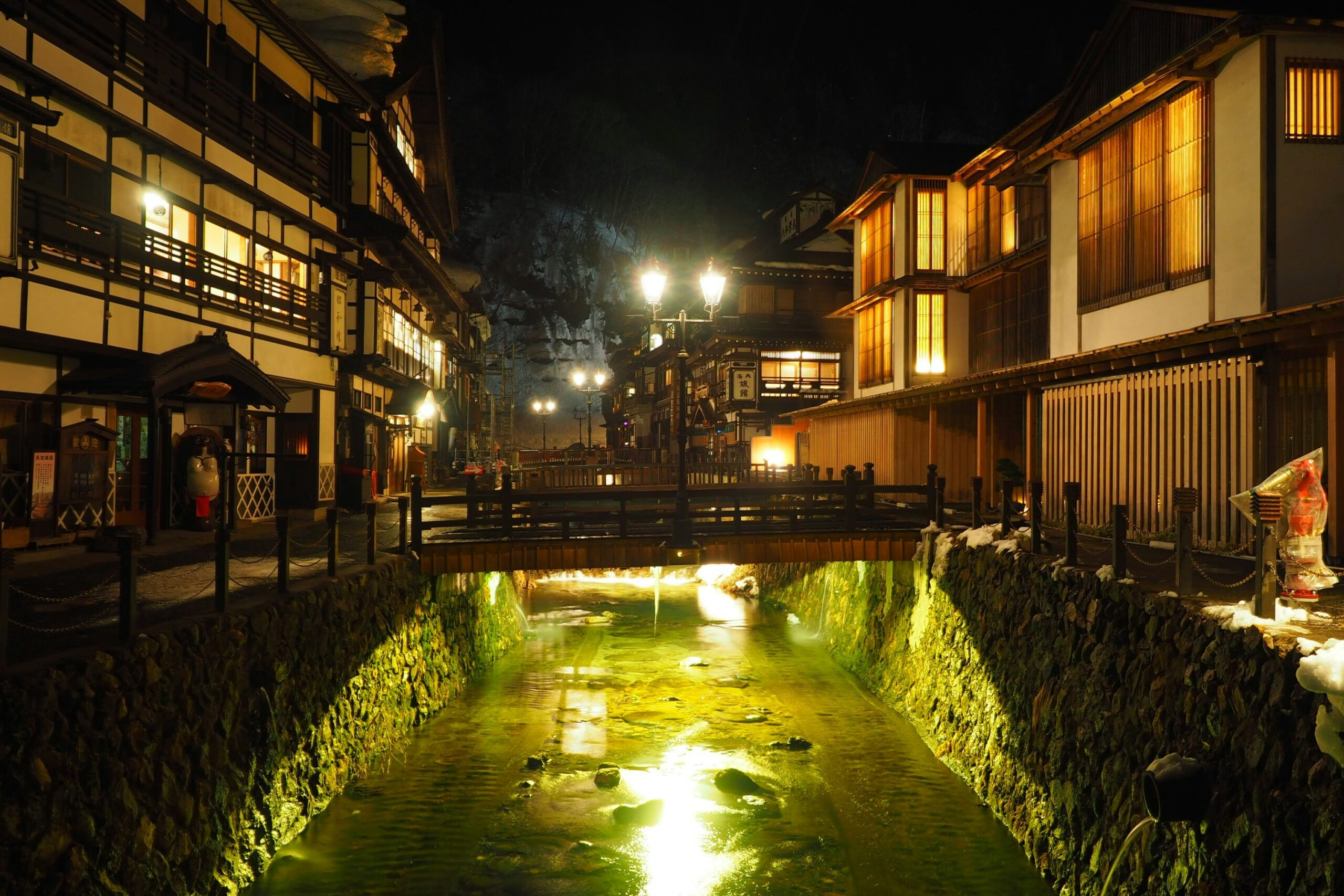
In 2026, the global obsession with Ginzan has reached a fever pitch. While the rise in tourism has brought modern amenities, the town’s core remains beautifully fragile. The narrow Ginzan River is still lined with four-story wooden ryokan featuring ornate “kibeori” plasterwork and wooden bridges that have survived a century of heavy snow. To experience this place without the stress of 21st-century crowds, you need a strategy that respects the town’s small-scale reality.
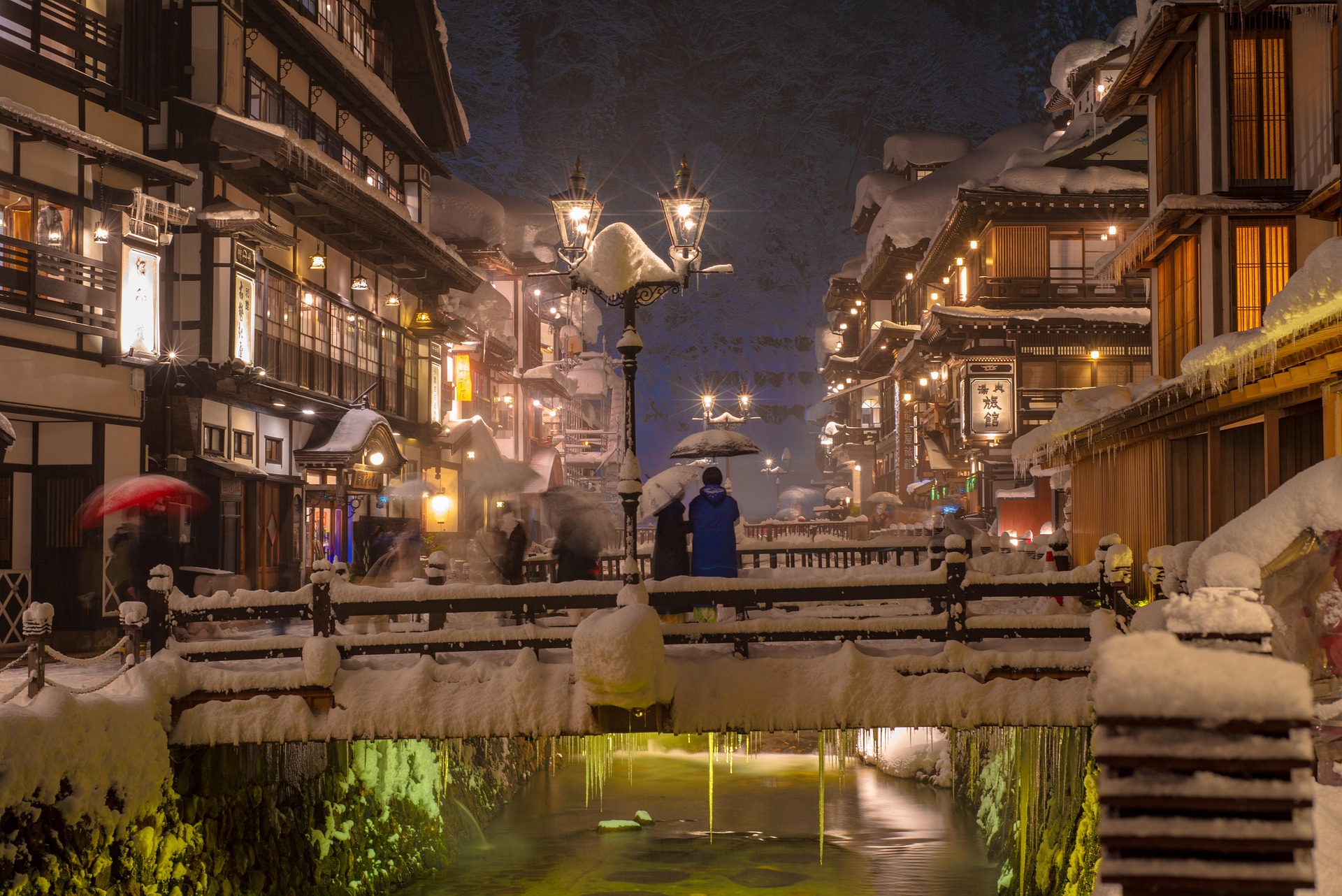
“Walking into Ginzan Onsen during a winter snowstorm feels like the sound has been turned off. The heavy, wet snow of Yamagata muffles the world until all you hear is the rush of the river and the occasional click of wooden geta sandals on the bridges. When the orange glow of the gas lamps hits the steam rising from the outdoor footbaths, the transition from ‘tourist site’ to ‘fairy tale’ is complete. It is a moment where time doesn’t just slow down—it completely stops.”
2. Honestly? The Fairy Tale Has a Logistical Price Tag
3. The Strategy: Day Trip vs. Overnight Stay
The difference between these two paths is the difference between “visiting” Ginzan and “inhabiting” it. For 2026, the village has implemented stricter evening flow rules for non-residents during the peak winter months.
4. Insider Hacks: Mastering the Taisho Loop
🛡️ Professional Visit Hacks
- The “Hidden Waterfall” Trail: Walk to the very end of the street past the Shiroganeya ryokan. There is a small bridge leading to the **Shirogane Falls**. Most tourists stop at the footbaths; if you walk another 5 minutes, you’ll find a much quieter, atmospheric spot for photos with the waterfall in the background.
- The Footbath Protocol: The public footbath (*Warashiyu*) is free and right by the river. The Hack: Bring your own small towel from your hotel. The shops nearby sell them, but they sell out by mid-afternoon. Warming your feet is the only way to survive a 2-hour wait for the return bus in -5°C weather.
- Priority Pass Logic: In the winter of 2026, the village often sells a “Day-Trip Priority Pass” that includes the shuttle and specific time slots. If you see this on the official site, **buy it immediately**. It is the only way to guarantee entry during the lantern-lighting window.
- Shoe Traction is Life: The wooden bridges and stone steps are coated in a thin layer of “invisible” ice. I’ve seen more travelers slip here than anywhere else in Japan. Wear shoes with heavy lugs or buy “slip-on spikes” (*kansen*) at the convenience store in Oishida Station.
5. The “Magic Hour” Route: Step-by-Step
Because Ginzan is so small, this route is about *repetition* and *observation* rather than distance. Allocate 3 hours for this loop.
- Phase 1 (The Approach): Arrive at the shuttle drop-off point. Walk down the slope toward the village. Take a photo from the top of the hill to capture the entire valley before you enter the narrow street.
- Phase 2 (The Orientation): Walk the entire 200m street once without stopping for photos. Identify which ryokan façades have the best “kibeori” art—the colorful plaster relief carvings on the walls.
- Phase 3 (The Shirogane Reset): Head to the waterfall at the far end. Enjoy the negative ions and the roar of the water. This is the quietest spot to wait for the sun to go down.
- Phase 4 (The Lantern Awakening): About 30 minutes before sunset, find your spot on the **central red bridge**. Watch the staff come out and manually light the gas lamps. This is the peak Ginzan experience.
- Phase 5 (The Quick Exit): As soon as you have your “lamps-on” shot, head back to the shuttle stop. If you wait another 30 minutes, you will be caught in the massive departure queue.
6. Vital Logistics (2026 Updated)
Google Map Location
Expert FAQ (The Real Answers)
Optimize Your 2026 Japan Logistics
- ➜ Lake-side Sanctuary: Hakone Shrine: Beyond the Crowds
- ➜ Samurai Spirit: Tsuruga Castle: The Red-Tiled Soul of Aizu
- ➜ Immigration Q&A: Smooth Entry into Japan (2026 Expert Answers)